
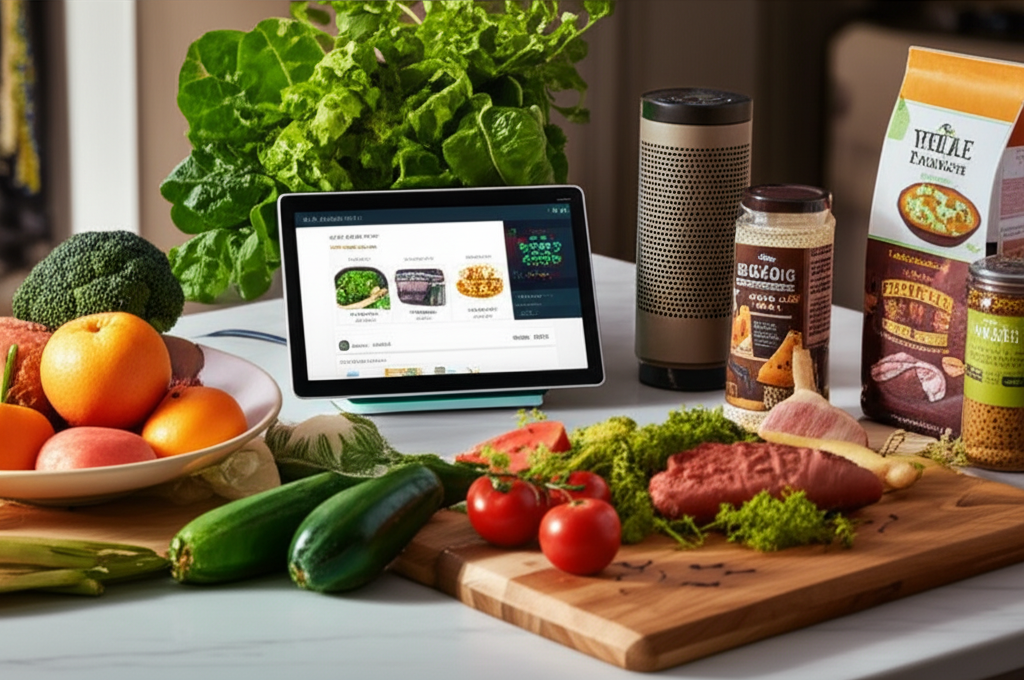
Unlock significant savings at Amazon Whole Foods Market with our expert guide. Discover how to leverage Prime benefits, digital coupons, and smart shopping strategies to cut your grocery bill without sacrificing quality. We reveal the secrets to making your Whole Foods trips more affordable and rewarding.
Welcome! Navigating grocery store savings can feel like a puzzle, especially at a place known for its premium offerings like Whole Foods Market. Many shoppers wonder if they can truly save money while enjoying the high-quality products available. You’re not alone in this quest for value. This guide is designed to demystify the savings potential at the Amazon Whole Foods Market, offering clear, actionable steps to help you shop smarter and spend less. Get ready to discover essential savings you might be missing out on.
Understanding the Amazon Whole Foods Market Connection
The integration of Amazon and Whole Foods Market has fundamentally changed how shoppers can access savings. This partnership brought together Amazon’s digital prowess and Whole Foods’ commitment to organic and natural foods, creating a unique shopping ecosystem. Understanding this connection is the first step to unlocking significant discounts. It’s more than just a name change; it’s a strategic alliance designed to benefit you, the consumer.
This fusion leverages Amazon’s vast customer base and technological infrastructure to enhance the Whole Foods shopping experience. Prime members, in particular, are central to this strategy, gaining exclusive perks that were previously unavailable. By understanding these core benefits, you can begin to see how your grocery bill can shrink.
The Prime Member Advantage at Whole Foods

Being an Amazon Prime member is the golden ticket to substantial savings at Whole Foods Market. This membership unlocks a suite of benefits specifically designed to reward loyal shoppers. These perks go beyond free shipping on Amazon orders, directly impacting your in-store and online grocery purchases.
Prime members receive exclusive discounts on select items throughout the store, often clearly marked with a Prime member logo. Additionally, they enjoy a 10% discount on hundreds of sale items every day, stacking with other weekly sales for even greater savings. This is a consistent, everyday benefit that makes Prime membership incredibly valuable for regular Whole Foods shoppers.
Weekly Deals and Sales: More Than Meets the Eye
Whole Foods Market features a robust weekly sales flyer, but the savings don’t stop there. Amazon’s integration means these sales are often amplified or supplemented by additional digital coupons and promotions. Keeping an eye on both the in-store flyers and the Amazon app or website is crucial for maximizing your savings.
These sales cover a wide range of products, from fresh produce and pantry staples to specialty items and prepared foods. By planning your shopping trips around these weekly specials, you can significantly reduce your overall grocery expenditure. It encourages a mindful approach to grocery shopping, focusing on what’s on offer and planning meals accordingly.
Leveraging Digital Coupons and the Amazon App
The Amazon app is your digital shopping companion for Whole Foods, offering a portal to a world of coupons and personalized deals. Gone are the days of clipping paper coupons; now, savings are just a tap away. This digital shift makes it easier than ever to track and redeem discounts.
The app allows you to easily browse weekly ads, clip digital coupons directly to your Prime account, and even check product availability and pricing. This streamlined process ensures you never miss out on a potential saving. It also offers features like personalized recommendations based on your past purchases, further tailoring savings to your needs.
How to Clip and Redeem Digital Coupons
Clipping digital coupons through the Amazon app or the Whole Foods website is a straightforward process. Simply navigate to the “Whole Foods” section within your Amazon account or the app. Here, you’ll find a dedicated area for available digital coupons, categorized for easy browsing.
Tap on the coupons you wish to redeem, and they will be automatically added to your account. When you shop in-store, ensure your Prime account is linked to your payment method at checkout, or provide your phone number associated with your Amazon account. For online orders, the discounts are applied automatically at checkout.
Personalized Deals and Prime Member Exclusives
Beyond the general discounts, Amazon offers personalized deals and exclusive offers to Prime members at Whole Foods. These are often tailored to your shopping habits and preferences, making them highly relevant and valuable. This AI-driven approach to promotions ensures you’re presented with savings that are most likely to appeal to you.
Look out for “Prime Member Deals” that appear on specific products or categories. These can offer deeper discounts than the standard Prime 10% off, providing an extra layer of savings. Regularly checking the app or your email for these personalized offers can lead to surprising discoveries and significant savings on your favorite items.
Smart Shopping Strategies for Maximum Savings
Beyond specific discounts and coupons, adopting smart shopping strategies can dramatically increase your savings at Amazon Whole Foods Market. This involves a combination of planning, mindful purchasing, and understanding the store’s layout and offerings. It’s about being an informed consumer who knows how to get the most value.
These strategies extend to how you approach your weekly shop, from creating a list to understanding product lifecycle and seasonal availability. By integrating these habits, you transform your grocery shopping from a chore into an opportunity for financial prudence.
Creating a Smart Grocery List
A well-crafted grocery list is the cornerstone of efficient and economical shopping. Before heading to Whole Foods, take stock of your pantry, refrigerator, and freezer. Plan your meals for the week, and then list only the ingredients you truly need.
Cross-reference your planned meals with the current Whole Foods weekly ad and any available digital coupons. This ensures you’re buying items that are on sale or have available discounts, further optimizing your list for savings. A list prevents impulse purchases, which are often the biggest drain on your grocery budget.
Understanding Seasonal Produce and Bulk Buying
Whole Foods Market excels in offering fresh, seasonal produce. Buying fruits and vegetables when they are in season not only ensures the best flavor and nutritional value but also typically means lower prices. Farmers’ markets and local produce sections within Whole Foods often highlight these seasonal gems.
For non-perishable items or those you use frequently, consider buying in bulk when on sale. Whole Foods offers bulk bins for many grains, nuts, seeds, and dried fruits, allowing you to purchase only the amount you need at a competitive price per pound. For packaged goods, look for multi-buy offers or larger sizes when the per-unit cost is lower.
Prepared Foods and Meal Solutions: A Cost-Benefit Analysis
Whole Foods is known for its extensive selection of prepared foods, from salad bars to hot food bars and pre-packaged meals. While convenient, these can be pricier than cooking from scratch. However, during certain sales or with specific Prime member deals, they can offer a good value, especially when compared to dining out.
Consider these options when you’re short on time or seeking a quick, healthy meal. A strategic purchase of a prepared item on sale might still be more economical than ordering takeout. Always compare the per-pound price or per-serving cost to your own home-cooked alternatives to make an informed decision.
Exclusive Programs and Loyalty Initiatives
Beyond the general Prime benefits, Whole Foods Market occasionally introduces or highlights specific programs and loyalty initiatives that offer additional avenues for savings. These can range from specific product promotions to community-focused events that come with discounts. Staying informed about these opportunities can lead to unexpected savings.
These programs are often designed to encourage deeper engagement with the brand and its values. By participating, you not only save money but also become more connected to the Whole Foods community and its mission.
The 365 by Whole Foods Market Brand
The “365 by Whole Foods Market” brand is the store’s private label, offering a wide array of organic and natural products at more accessible price points. These items often compete directly with national brands but come at a lower cost, providing a consistent way to save on everyday essentials.
From pantry staples like canned goods and pasta to dairy products and cleaning supplies, the 365 brand covers a broad spectrum. Choosing 365 products over name brands is one of the most straightforward and effective ways to reduce your overall grocery bill at Whole Foods. These products maintain the quality standards expected from Whole Foods, making them a smart choice.
Prime Delivery and Pickup Savings
For added convenience and savings, Amazon offers Prime delivery and pickup services for Whole Foods Market orders. This can save you time and money by eliminating travel costs and the temptation of impulse buys in-store. Plus, Prime members often get free delivery on qualifying orders.
Utilizing these services allows you to shop from the comfort of your home and have your groceries brought directly to your doorstep or ready for pickup at a designated time. This is particularly beneficial for busy individuals or families looking to streamline their shopping routine while still accessing quality groceries and savings. Always check the delivery fees and minimum order requirements for your area.
Navigating Specific Product Categories for Savings
While general strategies are effective, focusing on specific product categories can yield even more targeted savings at the Amazon Whole Foods Market. Understanding where the biggest discounts typically lie and how to approach these sections can significantly impact your final bill.
Certain departments, like produce, meat, and dairy, often feature prominent weekly sales. By knowing these patterns, you can strategically plan your purchases to capitalize on the best offers.
Produce Deals: Freshness on a Budget
Whole Foods is renowned for its high-quality produce, and while it can sometimes be perceived as expensive, significant savings are available. Look for the “Weekly Specials” that often highlight seasonal fruits and vegetables. These deals are frequently highlighted prominently at the entrance of the produce section.
Furthermore, the 365 by Whole Foods Market brand offers a more budget-friendly selection of organic produce. Buying items that are in season is also a key strategy, as they are typically more abundant and therefore less expensive. Don’t shy away from imperfect produce if available; it often comes at a discount and is perfectly good for cooking or juicing.
Meat and Seafood Savings
The meat and seafood counter at Whole Foods can be a significant part of your grocery bill. However, weekly sales often feature substantial discounts on various cuts of meat, poultry, and fish. These sales are your best opportunity to stock up on higher-quality proteins at a reduced price.
Consider purchasing larger cuts of meat when they are on sale and portioning them at home for freezing. This can be much more cost-effective than buying pre-portioned packages. Look for promotions on sustainable and ethically sourced options, which Whole Foods prioritizes, as these sales make them more accessible.
Pantry Staples and Specialty Items
For your pantry, the 365 brand is your go-to for budget-friendly staples like grains, pasta, canned goods, and spices. Beyond that, keep an eye on the weekly ads for discounts on specialty items, such as artisanal cheeses, gourmet sauces, or organic flours. These are often the items that can drive up your bill quickly.
Bulk bins are also excellent for savings on items like nuts, seeds, dried fruits, and coffee beans. You can buy exactly the amount you need, reducing waste and cost. When special occasions call for gourmet ingredients, planning around sales can make these indulgences more affordable.
A Comparison: Whole Foods vs. Traditional Grocers
When considering savings at Amazon Whole Foods Market, it’s helpful to compare its value proposition against more traditional grocery stores. While Whole Foods may have a higher baseline price for some items, the combination of Prime benefits, quality, and sales can make it surprisingly competitive.
The key is understanding where the value lies and how to leverage it. It’s not always about the lowest sticker price, but the overall value for money, considering quality, health benefits, and exclusive discounts.
| Feature | Amazon Whole Foods Market | Traditional Grocer (Example) | Savings Potential |
| :————— | :—————————————– | :————————————— | :————————————————————————————————————————————————— |
| Quality | High standards, organic focus | Varies, often conventional options | Higher quality for the price, especially when on sale. |
| Prime Discounts | Yes, 10% off hundreds of items + exclusives | Generally none | Significant savings on everyday purchases for Prime members. |
| Digital Coupons| Robust app integration | Varies, often less integrated | Easy to find and redeem, often stacked with sales. |
| Private Label| 365 by Whole Foods Market (organic focus) | Store brands (often conventional) | 365 offers organic options at competitive prices, a significant saving compared to national organic brands. |
| Prepared Foods| Extensive selection, often premium | Varies, typically less emphasis | Can be cost-effective during sales or for quick meals compared to eating out. |
| Overall Cost | Can be higher baseline, but competitive with savings | Often lower baseline, fewer premium options | With smart shopping, Prime benefits, and sales, Whole Foods can rival or even beat traditional grocers on value for specific items and overall basket. |
Traditional grocers might offer lower prices on conventional items, but they often lack the deep integration with a powerful digital platform like Amazon. This means fewer personalized deals and a less streamlined coupon redemption process. For those prioritizing organic, natural, or high-quality products, the savings at Whole Foods become even more apparent.
The ability to combine Prime member discounts with weekly sales and digital coupons creates a unique savings environment. For shoppers who are already invested in the Amazon ecosystem, this integration is a natural and highly beneficial extension.
Maximizing Savings with Advanced Tips
Ready to go from saving to super saving? These advanced tips will help you squeeze every last drop of value from your Amazon Whole Foods Market shopping trips. These require a bit more attention but can lead to substantial long-term savings.
Think of these as the pro-level strategies that separate the casual shopper from the savings expert. They involve a bit of foresight and a willingness to explore beyond the obvious deals.
The Power of Price Matching and Price Adjustments
While Whole Foods doesn’t typically price match other retailers like some competitors, it’s always worth inquiring about their policies. Their focus is more on offering competitive pricing through their own sales and Prime member benefits. However, understanding their stance on pricing ensures you’re getting the best deal available within their system.
Focusing on their internal promotions—weekly sales, Prime member discounts, and digital coupons—is the most reliable way to achieve savings at Whole Foods. These are built into their operational model and consistently offer value.
Utilizing Gift Cards and Amazon Rewards
If you frequently use Amazon or have Amazon-branded credit cards, you can earn rewards that can be redeemed for gift cards. These Amazon gift cards can then be used to purchase Whole Foods Market gift cards or directly pay for your Whole Foods purchases through Amazon. This creates a compounding savings effect.
For example, using an Amazon Prime Rewards Visa Signature Card can earn you 5% back at Amazon Fresh and Whole Foods Market. This accumulated credit can then be applied to future grocery shopping, effectively giving you a discount on everything you buy. It’s a fantastic way to leverage your existing spending habits for future savings.
Understanding Expiration Dates and Rotations
Whole Foods is known for its fresh inventory. Pay attention to expiration dates, especially on items that are heavily discounted. Sometimes, items nearing their expiration are further reduced in price. This is a great way to save on products you plan to use soon, like dairy or fresh baked goods.
Also, be aware of how sales rotate. If a product you regularly buy isn’t on sale this week, it might be next week. Building a shopping list that accommodates these rotations can help you consistently buy items at their lowest price points.
Frequently Asked Questions (FAQ)
What is the main benefit for Prime members at Whole Foods Market?
Prime members receive a 10% discount on hundreds of sale items every day, plus exclusive weekly deals and savings on select products, making their groceries more affordable.
Can I use Amazon coupons at Whole Foods Market?
Yes, you can “clip” digital coupons through the Amazon app or website, which are then automatically applied to your Whole Foods purchases when your Prime account is linked at checkout.
Is the 365 by Whole Foods Market brand worth buying?
Absolutely. The 365 brand offers a wide range of organic and natural products at competitive prices, providing significant savings compared to national brands while maintaining quality.
How do I find out about weekly deals at Whole Foods?
You can check the weekly ad online via the Whole Foods Market website or the Amazon app, and look for in-store signage highlighting sales and Prime member specials.
Does Whole Foods Market offer free delivery?
Yes, Amazon Prime members can often get free Whole Foods delivery on qualifying orders over a certain amount, depending on your location and service availability.
Are there ways to save on meat and seafood at Whole Foods?
Yes, look for weekly sales on various cuts of meat and seafood, and consider buying larger portions when on sale to portion and freeze at home for long-term savings.
Conclusion: Your Smartest Grocery Shopping Yet
The Amazon Whole Foods Market offers a compelling blend of quality, convenience, and, crucially, significant savings. By understanding and actively utilizing the Prime member benefits, digital coupons, the 365 brand, and smart shopping strategies, you can transform your grocery budget. The integration of Amazon’s technology enhances the traditional Whole Foods experience, making premium groceries more accessible than ever.
Don’t let the perception of high prices deter you. Embrace the tools and strategies discussed in this guide—plan your trips, leverage your Prime membership, and explore the 365 brand. With a little effort, you’ll find that shopping at Amazon Whole Foods Market can be both a rewarding and an economically sound choice. Happy saving!

Belayet Hossain is a Senior Tech Expert and Certified AI Marketing Strategist. Holding an MSc in CSE (Russia) and over a decade of experience since 2011, he combines traditional systems engineering with modern AI insights. Specializing in Vibe Coding and Intelligent Marketing, Belayet provides forward-thinking analysis on software, digital trends, and SEO, helping readers navigate the rapidly evolving digital landscape. Connect with Belayet Hossain on Facebook, Twitter, Linkedin or read my complete biography.