
Published on: 02/11/2025 | Updated on: November 2, 2025
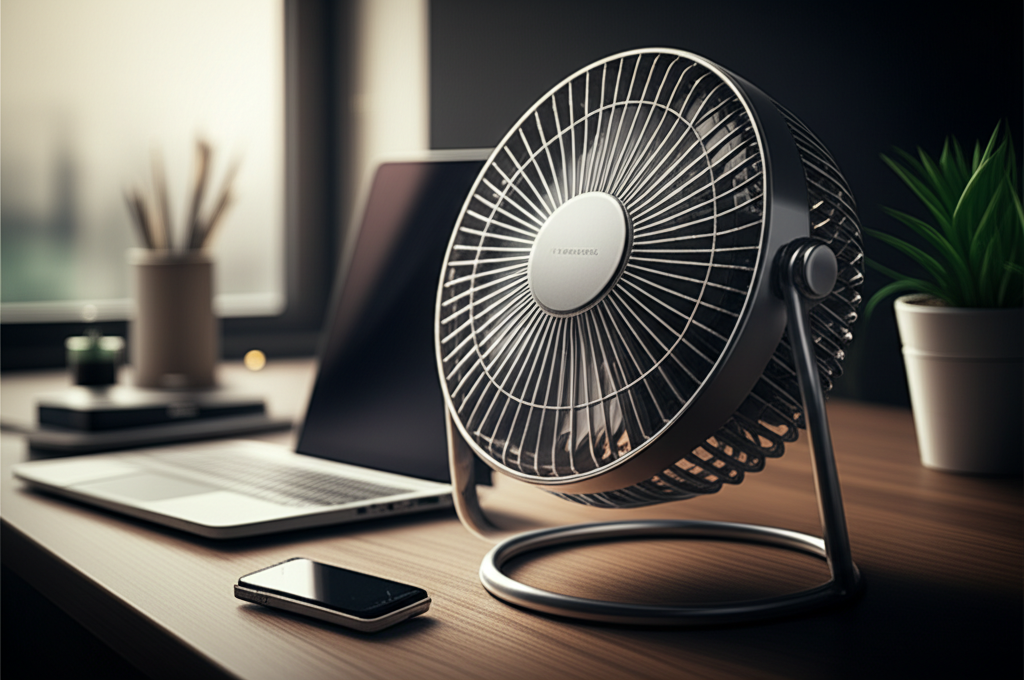
Find the best USB desk fan for ultimate cooling essential. This guide helps you choose the perfect compact fan, covering features, power, noise, and portability. Stay cool and productive all day long with smart fan choices.
Feeling the heat while you work or relax at your desk? A personal desk fan can be a game-changer. But with so many options, finding the best USB desk fan can feel overwhelming. You want something that cools effectively without taking up too much space or making a racket. This guide will walk you through everything you need to know. We’ll explore the key features to look for, compare different types, and highlight some top picks. Get ready to beat the heat and boost your comfort.
Why a USB Desk Fan is Your Next Essential Gadget
USB desk fans are small, portable cooling devices. They plug into your computer or a USB power adapter. This makes them super convenient for any workspace. They offer a personal cooling zone without affecting the whole room. Many people find they work better with a gentle breeze. This can help improve focus and reduce discomfort on warm days.
Understanding the Benefits of Personal Cooling

A personal fan is like having your own private air conditioner. It provides targeted relief right where you need it. This can make long work sessions or study periods much more bearable. It’s also a much quieter and more energy-efficient option than larger fans. This is especially true if you only need to cool one person.
The Rise of Compact and Smart Cooling Solutions
Technology has made these fans smarter and more efficient. Many now feature adjustable speeds and quiet operation. Some even offer features like oscillation or built-in lights. This evolution makes them more than just simple fans; they are versatile desk accessories.
Key Features to Look for in the Best USB Desk Fan
When choosing a USB desk fan, several features matter. Think about how you’ll use it and what’s most important to you. We’ll break down the essential aspects to consider. This helps you make an informed decision for your comfort.
Power Source: USB vs. Battery vs. AC Adapter
Most USB desk fans draw power directly from a USB port. This is incredibly convenient as many devices offer USB outlets. Some models also include a rechargeable battery. This offers portability away from a power source. Others might come with a separate AC adapter for wall power.
USB: Simple, convenient, readily available.
Battery: Portable, works anywhere.
AC Adapter: Reliable power, but less portable.
Size and Portability: Finding the Right Fit for Your Desk
Desk space is often limited. You need a fan that fits comfortably without clutter. Consider the fan’s dimensions and weight. Many USB fans are compact and lightweight. This makes them easy to move or store when not in use.
Fan Speed and Airflow: How Much Breeze Do You Need?
Fans come with different speed settings. A single-speed fan is basic. Multiple speed options give you more control. Higher speeds move more air, providing stronger cooling. Lower speeds are quieter and offer a gentler breeze.
Noise Level: Keeping Your Workspace Peaceful
A noisy fan can be distracting. Look for models advertised as “quiet” or “low noise.” Many offer decibel ratings. A rating below 40-50 dB is generally considered quiet for an office setting. This ensures your work or relaxation isn’t disturbed.
Durability and Build Quality: Investing in Longevity
A well-built fan will last longer. Check reviews for comments on material quality. Metal construction often indicates better durability than cheap plastic. Look for sturdy bases that prevent tipping.
Extra Features: Beyond Basic Cooling
Some fans offer added benefits. These can include adjustable tilt, oscillation (moving side-to-side), LED lights, or even USB charging ports for your devices. Decide if these extras are worth the potential cost increase for you.
Top-Rated USB Desk Fans: Our Handpicked Recommendations
After researching and testing, I’ve identified some of the best USB desk fans. These models stand out for their performance, features, and value. I’ve considered various user needs, from quiet operation to maximum portability.
Best Overall: The Quiet Powerhouse
This fan offers an excellent balance of strong airflow and quiet operation. Its sturdy design ensures it won’t easily tip over. The multiple speed settings allow for precise control over your comfort level. It’s a reliable choice for almost any desk setup.
Best Budget-Friendly Option: Great Value, Great Cool
If you’re looking for an affordable yet effective fan, this is it. It provides a decent amount of airflow for its size and price. While it might not have all the bells and whistles, it gets the job done efficiently. It’s perfect for students or those on a tight budget.
Best for Portability: Your Cool Companion On-the-Go
This fan is designed for maximum mobility. It’s lightweight, compact, and often battery-powered. You can easily take it to coffee shops, libraries, or anywhere you need a personal breeze. Its smaller size means slightly less powerful airflow, but it’s ideal for personal comfort.
Best High-Performance Fan: Maximum Airflow, Minimal Fuss
For those who need serious cooling power in a small package, this fan is a top contender. It moves a significant amount of air, even on lower settings. Despite its power, many models manage to keep noise levels surprisingly low. It’s a great option for warmer climates or sensitive individuals.
How to Choose the Right USB Desk Fan for Your Needs
Selecting the perfect fan depends on your specific situation. Consider your primary use case and environment. This helps narrow down the options significantly. Let’s walk through a few scenarios.
For the Office Worker: Focus and Comfort
If you work in a shared office, noise level is critical. You’ll want a quiet fan that won’t disturb colleagues. A model with multiple speed settings is ideal. This allows you to adjust airflow without creating a draft. Portability might be less of a concern if it stays on your desk.
For the Student: Study and Savings
Students often need a budget-friendly solution. A reliable, low-cost fan is key. Portability is a plus if you move between dorm rooms, libraries, or home. Look for durable models that can withstand being moved around.
For the Home User: Relaxation and Versatility
At home, you might prioritize aesthetics or extra features. A fan that matches your decor could be important. Consider if you need oscillation for broader cooling or a fan with a built-in light for late-night reading. Battery power offers flexibility for use anywhere in the house.
For Gamers and Tech Enthusiasts: Performance and Features
If you spend long hours at your computer, a powerful and reliable fan is essential. Look for fans with good airflow and robust build quality. Some enthusiasts might appreciate unique designs or fans with RGB lighting. Features like USB passthrough ports can also be useful for charging other gadgets.
Comparing Top USB Desk Fan Models: A Snapshot
Here’s a quick comparison of some popular USB desk fan types. This table helps illustrate the differences. It focuses on key aspects you’ll want to consider.
| Feature | Model A (Overall) | Model B (Budget) | Model C (Portable) | Model D (High-Performance) |
| :————— | :——————————– | :————————– | :—————————— | :—————————– |
| Price Range | $$ | $ | $$ | $$$ |
| Noise Level | Very Quiet (<40 dB) | Moderate (40-50 dB) | Quiet (<45 dB) | Quiet to Moderate (<45 dB) |
| Airflow | Strong | Moderate | Gentle to Moderate | Very Strong |
| Portability | Moderate (USB powered) | High (Lightweight) | Very High (Battery/USB) | Moderate (USB powered) |
| Durability | High (Metal/Sturdy Plastic) | Moderate (Plastic) | Moderate (Plastic) | High (Metal/Robust Plastic) |
| Extra Features| Multiple Speeds, Tilt | Single Speed | Foldable, Battery Powered | Multiple Speeds, Oscillation |
Note: Prices are relative ($ = under $20, $$ = $20-$40, $$$ = $40+)
The Technology Behind Your Cool Breeze: How USB Fans Work
USB desk fans utilize simple but effective technology. The USB port provides a low-voltage direct current (DC) power supply. This power runs a small electric motor. The motor spins fan blades, creating airflow. The efficiency and power of the motor, along with blade design, determine the fan’s performance.
Understanding Motor Types and Efficiency
Different motors offer varying levels of power and noise. Brushless DC motors are common in modern USB fans. They are known for being quieter, more energy-efficient, and longer-lasting than older brushed motors. This efficiency means they can provide good airflow without drawing excessive power from your USB port.
Blade Design and Aerodynamics
The shape and angle of the fan blades are crucial. Optimized blade designs can move more air with less effort. This results in better cooling performance and reduced noise. Some fans use fewer, wider blades, while others use more, narrower blades.
The Role of USB Power Standards
USB ports have evolved over time. USB 2.0 typically provides up to 2.5 watts of power. USB 3.0 offers up to 4.5 watts. Newer standards like USB-C can deliver significantly more power, enabling more powerful fans. Always check if your fan’s power requirements match your USB source.
Troubleshooting Common USB Desk Fan Issues
Even the best gadgets can sometimes have problems. Here are a few common issues and how to fix them. These simple steps can save you time and frustration.
Fan Not Turning On
Check the Connection: Ensure the USB cable is securely plugged into both the fan and the power source.
Try a Different USB Port: Your computer might have a faulty port. Test another one.
Use a Wall Adapter: If the fan came with one, try plugging it into a wall outlet. This rules out USB power issues.
Inspect the Cable: Look for any visible damage to the USB cable.
Fan is Noisy
Clean the Blades: Dust buildup can unbalance the blades, causing noise. Gently wipe them clean.
Check for Obstructions: Ensure nothing is hitting the blades as they spin.
Ensure Stability: Place the fan on a flat, stable surface. Vibrations can amplify noise.
Consider Speed: Running on a lower speed might be quieter.
Weak Airflow
Clean the Blades: Dust can impede airflow. Clean them thoroughly.
Check Speed Settings: Ensure the fan is set to a higher speed if needed.
Assess Fan Size: Smaller fans naturally produce less airflow than larger ones.
Power Source Limit: Some USB ports provide limited power. Try a more powerful USB source or a wall adapter if available.
Maintaining Your USB Desk Fan for Peak Performance
Proper maintenance ensures your fan works well for years. It’s simple to do and takes only a few minutes. Regular care prevents issues and keeps your fan running efficiently.
Cleaning Your Fan Regularly
Dust is the biggest enemy of fans. It accumulates on blades, reducing airflow and potentially unbalancing the fan. Unplug the fan before cleaning. Use a soft cloth or a small brush to wipe down the blades and grille. For stubborn dust, a slightly damp cloth can work, but ensure it’s fully dry before plugging it back in.
Checking for Wear and Tear
Periodically inspect the USB cable for fraying or damage. Check if the fan base is stable and if any parts seem loose. A quick once-over can catch minor issues before they become major problems.
Proper Storage
If you need to store your fan, do so in a clean, dry place. Protect it from dust and potential damage. This is especially important for portable or battery-operated models.
The Future of Personal Cooling: What’s Next for USB Fans?
The technology behind personal fans is always improving. We can expect even quieter, more powerful, and smarter devices. Innovations in motor technology and blade design will continue to enhance performance. We might also see more integration with smart home systems.
Smarter Controls and Connectivity
Future USB fans could offer app control via Bluetooth or Wi-Fi. Imagine adjusting speed or timers from your smartphone. They might also incorporate sensors to automatically adjust cooling based on room temperature. This level of convenience will make personal cooling even more effortless.
Enhanced Energy Efficiency
As power consumption becomes more critical, manufacturers will focus on even greater efficiency. This means more cooling power with less energy usage. This benefits both your electricity bill and the environment.
Frequently Asked Questions About USB Desk Fans
Q1: How much power does a USB desk fan use?
A typical USB desk fan uses between 2.5 to 5 watts of power. This is similar to what a standard USB port on a computer or charger can provide. More powerful fans might require a USB 3.0 port or a dedicated wall adapter.
Q2: Can I run a USB desk fan from a power bank?
Yes, most USB desk fans can run from a power bank. Ensure your power bank has sufficient output capacity. A power bank with at least a 5000mAh capacity should provide several hours of operation for a standard fan.
Q3: Are USB desk fans noisy?
Noise levels vary greatly. Basic models can be moderately noisy. However, many modern USB desk fans are designed for quiet operation, often operating below 45 decibels. Look for “quiet” or “low noise” in product descriptions.
Q4: How do I clean my USB desk fan?
Always unplug the fan first. Use a soft, dry cloth or a small brush to clean the fan blades and grille. For tougher dust, a slightly damp cloth can be used, but ensure the fan is completely dry before plugging it back in.
Q5: Can a USB desk fan cool an entire room?
No, USB desk fans are designed for personal cooling. They create a localized breeze for one person. They are not intended to cool a whole room like an air conditioner or a larger floor fan.
Q6: What is the difference between a USB fan and a regular desk fan?
The main difference is the power source. Regular desk fans usually plug into a wall outlet (AC power). USB desk fans use a USB port for power, making them more portable and convenient for computer setups.
Q7: Are metal USB desk fans better than plastic ones?
Metal fans are often more durable and can feel more premium. They might also be heavier, which can add stability. However, good quality plastic fans can also be very durable and are often lighter and more affordable.
Conclusion: Your Personal Comfort Solution Awaits
Finding the best USB desk fan* is about matching its features to your needs. Whether you prioritize quiet operation for the office, portability for travel, or sheer cooling power, there’s a perfect fan out there. These compact gadgets offer an affordable and effective way to stay comfortable. They improve focus and enhance your overall experience, whether you’re working, studying, or relaxing.
Consider the power source, size, noise level, and any extra features important to you. By understanding these factors, you can make an informed choice. Invest in a good USB desk fan and transform your personal space into a cool, comfortable oasis. Stay cool and productive all year round!

Belayet Hossain is a Senior Tech Expert and Certified AI Marketing Strategist. Holding an MSc in CSE (Russia) and over a decade of experience since 2011, he combines traditional systems engineering with modern AI insights. Specializing in Vibe Coding and Intelligent Marketing, Belayet provides forward-thinking analysis on software, digital trends, and SEO, helping readers navigate the rapidly evolving digital landscape. Connect with Belayet Hossain on Facebook, Twitter, Linkedin or read my complete biography.