
Published on: 06/11/2025 | Updated on: November 6, 2025
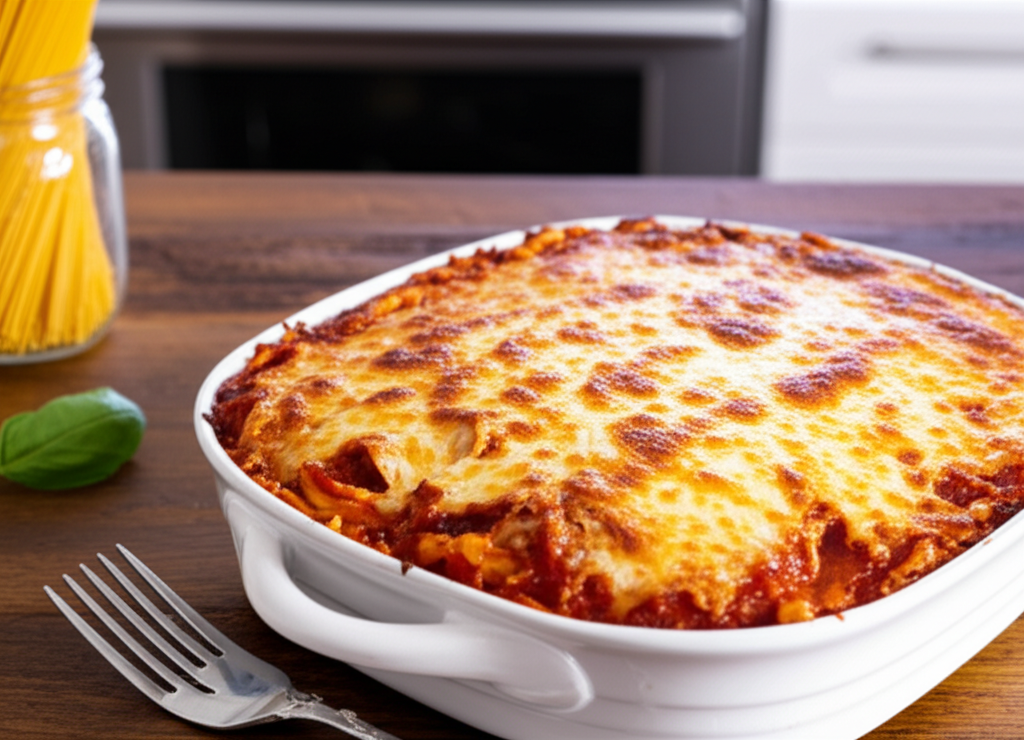
The ultimate easy baked spaghetti recipe delivers a comforting, flavorful, and fuss-free meal perfect for busy weeknights or family gatherings. This guide simplifies the process, ensuring delicious results every time.
Craving a hearty, delicious meal that feels like a warm hug but doesn’t demand hours in the kitchen? Baked spaghetti is the answer, a beloved classic that often feels intimidating to get just right. Many home cooks struggle with mushy noodles, bland sauce, or a dry final product. This guide cuts through the confusion, offering a straightforward, foolproof method for achieving creamy, cheesy, and perfectly cooked baked spaghetti that will become your go-to recipe. Get ready to impress yourself and your loved ones with minimal effort.
Why Baked Spaghetti is a Weeknight Winner
Baked spaghetti stands out as a weeknight champion due to its inherent simplicity and crowd-pleasing flavors. It’s a dish that transforms humble ingredients into a comforting, satisfying meal with minimal active cooking time. This casserole-style pasta bake is incredibly forgiving, making it perfect for even novice cooks.
This delightful dish offers a fantastic solution for busy weeknights when time is short but the desire for a home-cooked meal is strong. Its make-ahead potential also makes it a lifesaver for meal prepping. You can assemble it ahead of time and simply bake it when needed, saving precious minutes during the dinner rush.
The Anatomy of Perfect Baked Spaghetti
Achieving the perfect baked spaghetti involves a few key components working in harmony: the pasta, the sauce, the cheese, and the baking process. Each element plays a crucial role in the final texture and flavor profile. Understanding these parts helps in customizing the dish to your liking.
The pasta should be cooked al dente, as it will continue to cook in the oven. A robust sauce, whether homemade or store-bought, provides the flavor base. Generous amounts of cheese are essential for that irresistible, gooey finish. Finally, the baking time and temperature ensure everything melds together beautifully.
Choosing the Right Pasta for Baking

Selecting the correct pasta shape is more important than you might think for baked spaghetti. Shapes that hold sauce well and cook evenly are ideal. These pasta types ensure every bite is coated in deliciousness.
Spaghetti: The classic choice, though it can sometimes be unwieldy in a casserole. Breaking it into shorter pieces can help.
Ziti or Penne: These tube shapes are excellent for trapping sauce inside. They bake up beautifully and are easy to serve.
Rigatoni: Similar to ziti, its larger tubes and ridges are perfect for catching sauce.
Rotini or Fusilli: These spiral shapes are fantastic at holding onto chunky sauces.
I personally find that ziti or penne offer the most consistent results for a baked spaghetti casserole. Their hollow centers and ridged exteriors are designed to capture and hold sauce effectively. This means more flavor in every forkful without any dry pasta bits.
Crafting a Flavorful Sauce: Homemade vs. Store-Bought
The sauce is the heart of your baked spaghetti, and you have two excellent paths: crafting your own or opting for a quality store-bought version. Both can lead to a delicious outcome, depending on your time and preference. A well-seasoned sauce is key to a memorable dish.
A homemade sauce allows for complete control over ingredients and flavor. You can tailor it with your favorite herbs, spices, and even add vegetables or different meats. For those short on time, a good quality jarred marinara or meat sauce can be easily enhanced.
To elevate a store-bought sauce, I often sauté some onions and garlic before stirring in the jarred sauce. Adding a pinch of dried oregano, basil, and a dash of red pepper flakes can also make a world of difference. A splash of red wine or a spoonful of tomato paste can deepen the flavor further.
The Cheesy Dream: Best Cheeses for Baked Spaghetti
Cheese is non-negotiable in baked spaghetti, providing richness, creaminess, and that coveted golden-brown topping. A blend of cheeses often yields the most complex and satisfying flavor. Different cheeses melt and brown in unique ways.
Mozzarella: The classic melting cheese, offering a mild flavor and incredible stretch.
Ricotta: Adds a creamy, slightly tangy layer, often mixed with egg and herbs for a filling.
Parmesan: Provides a sharp, nutty flavor that enhances other cheeses and adds a savory depth.
Provolone: Melts beautifully and offers a slightly sharper taste than mozzarella.
For a truly decadent baked spaghetti, I recommend a combination of shredded mozzarella for meltiness, a dollop of creamy ricotta for richness, and a sprinkle of grated Parmesan for that salty, umami kick. This trio ensures a delightful texture and layered flavor experience.
The Ultimate Easy Baked Spaghetti Recipe: Step-by-Step
This recipe is designed for maximum flavor with minimal fuss, perfect for any busy cook. It simplifies the process while ensuring a restaurant-worthy result. Follow these steps for baked spaghetti perfection.
Ingredients You’ll Need
Gathering your ingredients before you start is key to a smooth cooking process. This list covers everything for a classic, crowd-pleasing baked spaghetti.
1 pound spaghetti or ziti
1 pound ground beef or Italian sausage
1 large onion, chopped
2 cloves garlic, minced
1 (24-ounce) jar marinara sauce or your favorite pasta sauce
1 (15-ounce) container ricotta cheese
1 large egg, lightly beaten
1/4 cup chopped fresh parsley (optional)
1 teaspoon salt
1/2 teaspoon black pepper
2 cups shredded mozzarella cheese
1/2 cup grated Parmesan cheese
Step 1: Cook the Pasta
Cook the pasta according to package directions until it is al dente, meaning it still has a slight bite. Overcooked pasta will become mushy when baked. Drain the pasta well and set it aside.
This step is crucial for the final texture of your baked spaghetti. Al dente pasta ensures it holds its shape and doesn’t turn into a soft, unappealing mass in the oven. A slight firmness now means perfect tenderness later.
Step 2: Brown the Meat and Aromatics
In a large skillet over medium-high heat, brown the ground beef or Italian sausage. Drain off any excess fat. Add the chopped onion and cook until softened, about 5 minutes. Stir in the minced garlic and cook for another minute until fragrant.
Aromatics like onion and garlic form the foundational flavor for many savory dishes. Cooking them until softened and fragrant releases their natural sweetness and pungent notes, which will infuse the entire sauce. Don’t rush this step; it builds depth.
Step 3: Combine Sauce Ingredients
Stir the marinara sauce into the skillet with the meat mixture. Bring the sauce to a simmer and let it cook for about 5-10 minutes to allow the flavors to meld. Season with salt and pepper to taste.
Simmering the sauce allows the ingredients to get to know each other, creating a more cohesive and flavorful end product. Tasting and adjusting seasonings at this stage ensures your baked spaghetti will be perfectly seasoned throughout. This is where the magic starts to happen.
Step 4: Prepare the Ricotta Mixture
In a medium bowl, combine the ricotta cheese, beaten egg, chopped parsley (if using), salt, and pepper. Mix well until everything is thoroughly incorporated. This creamy mixture adds a wonderful richness to the baked spaghetti.
The egg acts as a binder for the ricotta, preventing it from becoming watery during baking. Parsley adds a fresh herbaceous note that cuts through the richness of the cheese and sauce. This simple step elevates the creamy texture significantly.
Step 5: Assemble the Casserole
Preheat your oven to 375°F (190°C). Lightly grease a 9×13 inch baking dish. Spread half of the cooked pasta evenly in the bottom of the dish.
Layer half of the meat sauce over the pasta. Dollop half of the ricotta mixture evenly over the sauce. Repeat the layers with the remaining pasta, sauce, and ricotta mixture.
This layering technique ensures that every serving gets a balanced distribution of pasta, sauce, and creamy ricotta. It’s a simple method that guarantees a delightful bite every time. The organized layers contribute to the overall structural integrity of the bake.
Step 6: Top with Cheese and Bake
Sprinkle the shredded mozzarella cheese evenly over the top layer of ricotta. Then, sprinkle the grated Parmesan cheese over the mozzarella. Cover the baking dish tightly with aluminum foil.
Baking the dish covered initially steams the pasta and prevents the top from drying out too quickly. This ensures the pasta is cooked through and tender before the cheese gets a chance to brown perfectly. The foil acts as a temporary lid, trapping moisture.
Bake for 20 minutes with the foil on. Then, remove the foil and bake for another 15-20 minutes, or until the cheese is melted, bubbly, and lightly golden brown. Let the baked spaghetti rest for 10 minutes before serving.
Allowing the baked spaghetti to rest is crucial. This short period lets the casserole set up, making it easier to serve and preventing the cheese and sauce from sliding off immediately. It also allows the flavors to settle and deepen slightly.
Tips for the Best Baked Spaghetti Ever
Elevating your baked spaghetti from good to absolutely incredible involves a few insider tips. These small adjustments can make a significant difference in flavor and texture. I’ve learned these tricks through many delicious (and a few not-so-delicious) experiments.
Consider these suggestions to ensure your next baked spaghetti is a showstopper. They address common pitfalls and enhance the overall dining experience. Mastering these small details can transform a simple meal into a memorable one.
Make-Ahead and Freezing Instructions
Baked spaghetti is a meal prep dream, perfect for busy schedules. You can assemble the entire casserole ahead of time and bake it later. It also freezes beautifully, making it ideal for future quick meals.
To make ahead, assemble the casserole as directed but do not bake. Cover it tightly with plastic wrap and then aluminum foil. Refrigerate for up to 2 days. When ready to bake, remove the plastic wrap, cover with foil, and bake as usual, adding an extra 10-15 minutes to the covered baking time.
For freezing, assemble the unbaked casserole in a freezer-safe dish. Cover tightly with plastic wrap and then aluminum foil. Freeze for up to 2-3 months. Thaw overnight in the refrigerator before baking, following the make-ahead instructions.
Variations to Try
Once you’ve mastered the classic, don’t be afraid to experiment with variations. Adding different ingredients can transform your baked spaghetti into a new favorite. These twists offer exciting new flavor profiles.
Vegetarian Baked Spaghetti: Omit the meat and add sautéed mushrooms, zucchini, bell peppers, and spinach to the sauce.
Spicy Baked Spaghetti: Add red pepper flakes to the sauce, or use spicy Italian sausage and a touch of hot sauce.
Creamy Baked Spaghetti: Stir a splash of heavy cream into the sauce before assembling, or add a layer of béchamel sauce.
Pesto Swirl: Swirl some pesto into the ricotta mixture or the sauce for an herbaceous twist.
These variations allow you to tailor the dish to specific dietary needs or flavor preferences. They demonstrate the versatility of this comforting casserole. Exploring these options can keep your meal rotation exciting and delicious.
Troubleshooting Common Baked Spaghetti Problems
Even with the best intentions, sometimes things don’t go exactly as planned. Understanding common issues and their solutions can help you salvage or prevent problems. These troubleshooting tips are invaluable for ensuring success.
| Problem | Cause | Solution |
| :——————– | :———————————————- | :—————————————————————————- |
| Mushy Pasta | Pasta overcooked before baking. | Cook pasta only until al dente; it will finish cooking in the oven. |
| Dry Baked Spaghetti | Not enough sauce, or baked too long uncovered. | Ensure generous sauce amount; cover tightly with foil for most of baking time. |
| Watery Ricotta Layer | Ricotta not drained properly or egg not used. | Use whole milk ricotta and drain if very wet; the egg helps bind it. |
| Bland Flavor | Under-seasoned sauce or lack of aromatics. | Season sauce generously with salt, pepper, herbs; sauté onions and garlic. |
| Undercooked Pasta | Not baked long enough, or pasta too dense. | Ensure adequate baking time, especially covered; check with a fork for tenderness. |
Addressing these common concerns proactively can save your meal and your sanity. Knowing the cause helps you implement the right fix quickly. These solutions are practical and easy to follow.
Pairing Your Baked Spaghetti
A delicious main course deserves equally delightful accompaniments. Simple side dishes that complement the richness of baked spaghetti are best. They add freshness and balance to the meal.
Consider a crisp green salad with a light vinaigrette to cut through the richness. Garlic bread is a classic pairing that no one can resist. Steamed or roasted vegetables, like broccoli or green beans, also offer a healthy and colorful addition.
Frequently Asked Questions About Baked Spaghetti
Can I use different types of pasta besides spaghetti?
Absolutely! While spaghetti is traditional, ziti, penne, rigatoni, or even rotini work wonderfully. Tube-shaped pastas are excellent for holding sauce, ensuring every bite is flavorful.
How do I prevent my baked spaghetti from being dry?
Ensure you use plenty of sauce and cook the pasta only until al dente. Covering the dish tightly with aluminum foil for the majority of the baking time traps steam and moisture.
Can I make baked spaghetti ahead of time?
Yes, baked spaghetti is a fantastic make-ahead meal. Assemble it completely, cover it tightly, and refrigerate for up to two days before baking. You may need to add a few extra minutes to the baking time.
What makes the ricotta layer creamy and not watery?
Using whole milk ricotta cheese and lightly beating an egg into the mixture helps bind it, preventing it from becoming watery during baking. Some people also drain excess liquid from the ricotta before mixing.
Can I freeze baked spaghetti?
Yes, baked spaghetti freezes very well. You can freeze the unbaked casserole or leftovers. Ensure it’s well-wrapped to prevent freezer burn and thaw completely before reheating or baking.
How do I reheat leftover baked spaghetti?
For best results, reheat individual portions in the microwave or a covered oven-safe dish at 350°F (175°C) until heated through. Reheating in the oven helps maintain the texture better than the microwave.
Conclusion: Your New Go-To Baked Spaghetti
This ultimate easy baked spaghetti recipe offers a comforting and incredibly satisfying meal with minimal effort. By following these simple steps, you’ll achieve a perfectly baked dish every time, whether you’re a seasoned cook or just starting out. It’s a versatile recipe that can be customized to your liking, making it ideal for busy weeknights or special family dinners.
Embrace this fuss-free approach to baked spaghetti and discover how easy it is to create a delicious, heartwarming meal. This recipe is designed to be approachable, forgiving, and most importantly, incredibly tasty. Enjoy the delicious results and the happy faces around your dinner table!

Belayet Hossain is a Senior Tech Expert and Certified AI Marketing Strategist. Holding an MSc in CSE (Russia) and over a decade of experience since 2011, he combines traditional systems engineering with modern AI insights. Specializing in Vibe Coding and Intelligent Marketing, Belayet provides forward-thinking analysis on software, digital trends, and SEO, helping readers navigate the rapidly evolving digital landscape. Connect with Belayet Hossain on Facebook, Twitter, Linkedin or read my complete biography.