
Published on: 06/11/2025 | Updated on: November 6, 2025
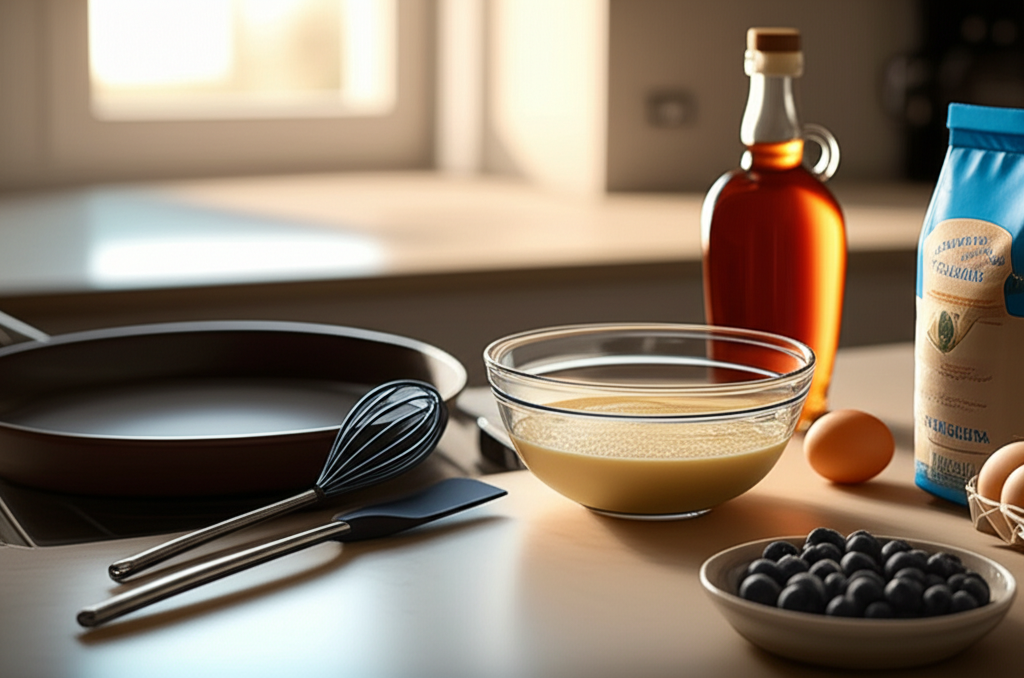
Master the art of baking perfect pancakes with these essential tips, ensuring fluffy, golden-brown results every time. From batter consistency to heat control, learn the secrets to elevating your breakfast game.
There’s something truly special about a stack of warm, fluffy pancakes. Yet, achieving that perfect texture and golden hue can sometimes feel like a culinary mystery. Many home cooks struggle with pancakes that are either too flat, too doughy, or burnt on the outside and raw inside. This guide is designed to demystify the process, offering clear, actionable advice to guarantee ultimate pancake success. Get ready to transform your breakfast routine with these foolproof techniques.
Why Do My Pancakes Sometimes Fail? Understanding Common Pitfalls
Achieving pancake perfection isn’t always straightforward. Common issues like flat, rubbery, or unevenly cooked pancakes often stem from simple misunderstandings about ingredients and technique. Overmixing the batter is a frequent culprit, developing gluten too much and resulting in tough pancakes. Incorrect heat management also plays a significant role, leading to burnt exteriors or undercooked centers.
The Science Behind the Fluff: Perfecting Your Pancake Batter
The foundation of any great pancake lies in its batter. A well-balanced batter ensures a light and airy texture. The key is to combine wet and dry ingredients gently, just until they are incorporated. Overworking the batter develops gluten, which makes pancakes tough and dense instead of fluffy.
Essential Ingredients for Fluffy Pancakes

The quality and proportion of your ingredients significantly impact the final outcome. Using fresh baking powder is crucial for leavening, while the fat content in your milk or buttermilk contributes to tenderness. Don’t underestimate the power of a pinch of salt to enhance overall flavor.
Flour: All-purpose flour is standard.
Leavening Agent: Baking powder is essential for lift.
Liquid: Milk or buttermilk provides moisture and richness.
Eggs: Bind ingredients and add richness.
Fat: Butter or oil adds tenderness and flavor.
Sweetener: Sugar balances flavors.
* Salt: Enhances taste.
Mixing Techniques: The Gentle Touch
When mixing your pancake batter, remember that less is more. Combine your dry ingredients in one bowl and your wet ingredients in another. Pour the wet into the dry and stir only until the flour is mostly moistened. A few lumps are perfectly fine; they will disappear during cooking.
The Art of Heat Control: Griddle and Pan Perfection
The right cooking temperature is paramount for evenly cooked, beautifully golden pancakes. A griddle or non-stick pan that heats uniformly is ideal. Too hot, and your pancakes will burn before the inside cooks. Too cool, and they will spread too thin and lack that desirable golden crust.
Choosing Your Cooking Surface
A cast-iron skillet, a good quality non-stick pan, or an electric griddle can all yield excellent results. The key is to ensure your chosen surface heats evenly across its entire area. Electric griddles often offer the most consistent temperature control for large batches.
Finding the Ideal Temperature
Preheat your pan or griddle over medium heat for several minutes. To test if it’s ready, flick a few drops of water onto the surface; they should sizzle and evaporate quickly. If they disappear instantly, the heat is too high. If they just sit there, it’s too low.
Pouring and Flipping: Mastering the Technique
Once your batter and pan are ready, the pouring and flipping stages are critical. Pouring the batter evenly ensures consistent pancake shapes and sizes. The timing of your flip is equally important for achieving that perfect golden-brown finish on both sides.
The Pouring Process
Use a ladle or measuring cup to pour batter onto the hot surface. Aim for uniform circles, about 4-6 inches in diameter, depending on your preference. Avoid overcrowding the pan, as this can lower the temperature and lead to uneven cooking.
When to Flip Your Pancakes
Look for bubbles forming on the surface of the pancake and around the edges. When the edges appear set and the bubbles begin to pop and stay open, it’s time to flip. Use a thin, flexible spatula to slide under the pancake and flip it confidently.
Common Pancake Problems and Their Solutions
Even with the best intentions, occasional pancake woes can arise. Understanding these common issues and their remedies can help you troubleshoot and improve your technique for future batches. From sticky pancakes to a lack of lift, solutions are often simpler than you think.
Pancakes Sticking to the Pan
If your pancakes are sticking, your pan might not be hot enough, or it may need more greasing. Ensure the pan is adequately preheated and lightly greased with butter or oil between batches. A well-seasoned cast-iron skillet or a good non-stick surface also prevents sticking.
Pancakes Not Cooking Through
This usually indicates the heat is too high. The outside cooks and browns quickly, while the inside remains raw. Reduce the heat slightly and allow more time for the pancake to cook through. Flipping too early can also contribute to this issue.
Flat, Dense Pancakes
Overmixing the batter is the most common cause of flat pancakes. Gently mix your batter, leaving small lumps. Additionally, ensure your baking powder is fresh; stale baking powder loses its leavening power.
Elevating Your Pancakes: Flavor Additions and Toppings
Once you’ve mastered the basics of baking pancakes, you can begin to explore creative variations. Adding flavorings to the batter or experimenting with diverse toppings can transform a simple breakfast into a gourmet experience. This is where personal preference truly shines.
Flavoring the Batter
Consider adding ingredients like vanilla extract, cinnamon, nutmeg, or even a touch of lemon zest to your batter for an aromatic boost. For a sweeter treat, you can fold in chocolate chips, fresh berries, or banana slices just before cooking.
The Wonderful World of Toppings
The possibilities for pancake toppings are nearly endless. Classic choices include butter, maple syrup, and whipped cream. For a more decadent experience, try fresh fruit, a dollop of yogurt, a sprinkle of nuts, or even a drizzle of honey or fruit compote.
Dietary Considerations: Gluten-Free and Vegan Pancakes
Baking pancakes doesn’t have to be exclusive to traditional recipes. With a few ingredient substitutions, you can create delicious gluten-free or vegan pancakes that cater to various dietary needs. These alternatives often surprise with their excellent texture and taste.
Gluten-Free Pancake Options
To make gluten-free pancakes, substitute all-purpose flour with a gluten-free flour blend. Many blends contain a mix of rice flour, tapioca starch, and potato starch. You might need to adjust the liquid slightly to achieve the right batter consistency.
Vegan Pancake Alternatives
For vegan pancakes, replace eggs with a flax egg (1 tablespoon flaxseed meal mixed with 3 tablespoons water, let sit for 5 minutes) or a commercial egg replacer. Use plant-based milk like almond, soy, or oat milk, and substitute butter with vegetable oil or melted vegan butter.
Equipment Essentials for Pancake Success
While you don’t need a lot of fancy gadgets, having the right tools can make the pancake-baking process smoother and more enjoyable. Investing in a few key pieces can significantly improve your results and efficiency.
| Equipment | Description | Benefit for Pancakes |
| :—————— | :—————————————————————————- | :———————————————————- |
| Mixing Bowls | Two medium-sized bowls for wet and dry ingredients. | Keeps ingredients separate until ready to mix gently. |
| Whisk | For combining dry ingredients and lightly beating wet ingredients. | Ensures even distribution of leaveners and flavors. |
| Ladle/Measuring Cup | For consistent batter portioning. | Creates uniform-sized pancakes for even cooking. |
| Spatula | Thin and flexible, preferably heat-resistant. | Allows for easy, clean flipping without tearing pancakes. |
| Griddle/Pan | Non-stick, cast iron, or electric griddle with even heating. | Provides a reliable surface for consistent browning. |
| Wire Rack | For cooling pancakes briefly before serving. | Prevents pancakes from becoming soggy on the bottom. |
Advanced Tips for Pancake Aficionados
Once you’ve got the basics down, a few advanced techniques can take your pancake game to the next level. These tips focus on enhancing texture, flavor, and presentation for truly exceptional results. Consider these refinements for special occasions.
Resting the Batter
Allowing your pancake batter to rest for 5-10 minutes after mixing can significantly improve texture. This resting period allows the flour to fully hydrate and the gluten to relax, resulting in more tender pancakes. It also gives the baking powder time to start working.
The “Second Batch” Magic
Often, the first pancake or two serves as a temperature test. Don’t be discouraged if they aren’t perfect. Once your pan is at the optimal temperature, subsequent batches usually cook more evenly and consistently. Adjust heat as needed between batches.
Frequently Asked Questions About Baking Pancakes
Q1: How can I make my pancakes extra fluffy?
Ensure your baking powder is fresh, don’t overmix the batter, and let the batter rest for a few minutes before cooking. Gentle handling of the batter is key to trapping air for fluffiness.
Q2: What is the best type of pan for baking pancakes?
A well-seasoned cast-iron skillet or a good quality non-stick pan works wonderfully. An electric griddle offers excellent temperature consistency for cooking multiple pancakes at once.
Q3: My pancakes are burning on the outside but raw inside. What am I doing wrong?
Your cooking temperature is likely too high. Reduce the heat to medium and allow the pancakes to cook more slowly. This ensures the heat penetrates the center evenly.
Q4: Can I make pancake batter ahead of time?
Yes, you can make pancake batter a few hours in advance and store it in the refrigerator. However, the leavening power of baking powder may diminish over time, so it’s best used within a day for optimal results.
Q5: What’s the secret to getting perfectly round pancakes?
Pouring the batter from a ladle or measuring cup in a steady, circular motion helps create uniform shapes. Avoid spreading the batter too much, and let gravity do most of the work.
Q6: How do I know when to flip a pancake?
Look for bubbles forming on the surface that pop and remain open. The edges of the pancake should also look set and slightly dry. This indicates the underside is golden and ready to flip.
Conclusion: Your Journey to Perfect Pancakes
Mastering the art of baking pancakes is an achievable goal with the right knowledge and practice. By understanding the role of each ingredient, employing gentle mixing techniques, and carefully controlling your cooking temperature, you can consistently produce light, fluffy, and golden-brown pancakes. Remember that practice makes perfect, and even the most experienced cooks sometimes have an off-day. Don’t be afraid to experiment with flavors and toppings to find your personal favorites. With these essential tips, your breakfast table will soon be graced with stacks of truly ultimate pancakes, bringing joy to every bite.

Belayet Hossain is a Senior Tech Expert and Certified AI Marketing Strategist. Holding an MSc in CSE (Russia) and over a decade of experience since 2011, he combines traditional systems engineering with modern AI insights. Specializing in Vibe Coding and Intelligent Marketing, Belayet provides forward-thinking analysis on software, digital trends, and SEO, helping readers navigate the rapidly evolving digital landscape. Connect with Belayet Hossain on Facebook, Twitter, Linkedin or read my complete biography.