
Published on: 06/11/2025 | Updated on: November 6, 2025
Baklava: Your Ultimate Essential Guide to Sweet Success. Discover its rich history, diverse varieties, perfect pairings, and how to savor this iconic dessert for an unforgettable sweet experience.
Baklava is a delectable, layered pastry that holds a special place in the hearts of dessert lovers worldwide. This guide will demystify its origins, explore its many delightful forms, and help you find the perfect baklava to satisfy your sweet cravings. Get ready to embark on a journey of syrupy, nutty bliss.
The Sweet History of Baklava
Baklava’s story is as rich and layered as the pastry itself. Its origins are debated, but many trace its lineage back to ancient Mesopotamia or the Ottoman Empire. This delightful dessert has a long and fascinating history that spans centuries and cultures.
The earliest forms of baklava likely emerged in the kitchens of Assyrian or Babylonian bakers. These ancient recipes involved layering thin unleavened dough with chopped nuts and honey. This foundational concept would evolve over millennia.
The Byzantine Empire is often credited with refining the pastry. They introduced the concept of using extremely thin dough, known as phyllo (or filo), which is a hallmark of modern baklava. This innovation created a lighter, flakier texture.
During the Ottoman Empire, baklava truly flourished and became a symbol of culinary prestige. It was enjoyed by sultans and commoners alike, spreading throughout the vast empire. Its popularity cemented its status as a beloved dessert across the Middle East, Balkans, and North Africa.
Understanding the Anatomy of Baklava
At its core, baklava is a symphony of simple yet exquisite ingredients. Each component plays a vital role in creating its signature taste and texture. Understanding these elements will deepen your appreciation for this classic treat.
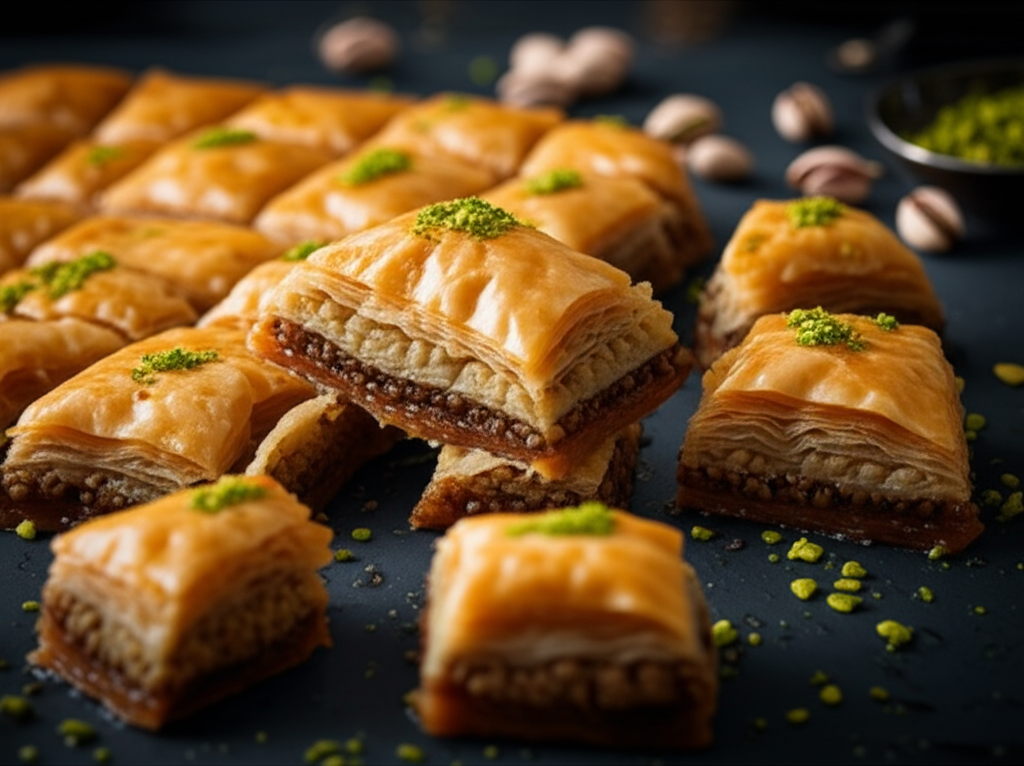
The foundation of baklava is its delicate, paper-thin pastry sheets. These are typically made from a simple flour and water dough, stretched to incredible thinness. This meticulous process is what gives baklava its signature crispiness.
Next come the nuts, which provide a delightful crunch and earthy flavor. Walnuts and pistachios are the most common choices, often finely chopped. Sometimes, almonds or hazelnuts are also used, adding their unique nutty profiles.
A rich syrup, usually made from honey or sugar, binds everything together. This syrup is often infused with fragrant spices like cinnamon and cloves. Citrus zest, like lemon or orange, can also be added for a bright, refreshing note.
Exploring the Diverse World of Baklava Varieties
While the basic concept of baklava remains consistent, its preparation and ingredients vary significantly across regions. These variations offer a spectrum of flavors and textures to explore. Each type tells a story of local culinary traditions.
One of the most popular styles hails from Turkey. Turkish baklava often features a generous amount of finely ground pistachios. It tends to be sweeter and more intensely flavored.
Greek baklava typically uses walnuts and is often seasoned with cinnamon and cloves. It’s known for its rich, buttery layers and a syrup that can sometimes include a hint of brandy or rosewater. This version is a staple in Greek bakeries.
In the Levant region, including countries like Lebanon and Syria, baklava can be quite elaborate. It often incorporates a mix of pistachios and cashews. Rosewater and orange blossom water are frequently used in the syrup for a distinct floral aroma.
A less common, but equally delicious, variation comes from the Balkans. Here, you might find baklava made with richer doughs and a wider array of nuts. Some recipes even include dried fruits for added texture and sweetness.
Crafting the Perfect Baklava: A Home Baker’s Guide
Creating authentic baklava at home can be a rewarding experience. While it requires patience and precision, the result is a truly special treat. This process allows for complete customization of your favorite flavors.
The most challenging part for many home bakers is handling the phyllo dough. It’s crucial to keep the dough covered with a damp cloth while you work to prevent it from drying out. Brushing each layer generously with melted butter or ghee is essential for crispness.
Layering the nuts evenly between the phyllo sheets ensures consistent flavor and texture in every bite. Don’t be afraid to experiment with different nut combinations. Adding spices like cinnamon to the nut mixture can enhance the overall aroma and taste.
Baking baklava until it’s golden brown and crisp is key. The syrup should be poured over the hot baklava immediately after it comes out of the oven. This allows the pastry to absorb the syrup properly, creating that signature moist interior.
Essential Tools for Baklava Mastery
Having the right tools can make the baklava-making process much smoother. While you don’t need highly specialized equipment, a few items will significantly improve your results. These tools help with precision and consistency.
A sharp knife is essential for cutting the baklava into neat portions before baking. This ensures clean lines and prevents the layers from being crushed. A serrated knife often works best for slicing through the delicate pastry.
A good pastry brush is indispensable for applying butter or ghee to the phyllo layers. Evenly coating each sheet is crucial for achieving that desirable crisp texture. A wide, flat brush works best for this task.
A sturdy baking pan is also important. A rectangular or square pan allows for easy layering and cutting. Ensure the pan is deep enough to accommodate multiple layers of phyllo and nuts.
Choosing the Best Baklava: Where to Find Sweet Success
Finding exceptional baklava can be a delightful quest. Whether you’re seeking authentic flavors or convenient delivery, several options cater to every preference. Consider these avenues for your next baklava indulgence.
Local Mediterranean and Middle Eastern bakeries are often the best places to find freshly made, authentic baklava. These establishments pride themselves on traditional recipes and high-quality ingredients. A quick search for “baklava near me” can lead you to these gems.
Specialty dessert shops and gourmet food stores may also carry artisanal baklava. These options can be pricier but often offer unique flavor combinations or premium ingredients. They are a good choice for special occasions.
Online retailers and food delivery apps have made accessing baklava easier than ever. Many services partner with reputable bakeries, allowing you to order and have baklava delivered right to your door. This is ideal for busy individuals or those without local options.
When ordering online, read reviews carefully to gauge the quality and authenticity. Look for descriptions that detail the nuts used, the type of syrup, and the freshness of the pastry. This helps ensure a satisfying purchase.
Savouring Baklava: Perfect Pairings and Presentation
Enjoying baklava is an experience in itself. Its rich sweetness pairs wonderfully with certain beverages and can be presented beautifully for any occasion. Elevating your baklava enjoyment is simple with a few considerations.
A strong, hot cup of Turkish or Arabic coffee is a classic accompaniment. The bitterness of the coffee beautifully balances the intense sweetness of the baklava. This pairing is a time-honored tradition.
Tea, especially black tea or mint tea, also complements baklava well. The warmth and subtle flavors of the tea cut through the richness of the pastry. It’s a refreshing alternative to coffee.
For a more elaborate presentation, arrange pieces of baklava on a decorative platter. Garnish with a sprinkle of chopped pistachios or edible flowers for an elegant touch. This makes it perfect for sharing at gatherings.
Baklava’s Nutritional Profile: A Sweet Indulgence
While baklava is undeniably a treat, it’s helpful to understand its nutritional components. It’s a dessert meant to be enjoyed in moderation. Being aware of its ingredients can help you make informed choices.
Baklava is typically high in sugar and fat due to the syrup and butter used. The nuts contribute protein, healthy fats, and fiber. The exact nutritional content varies based on the recipe and portion size.
A typical serving of baklava contains a significant amount of calories. This is due to the dense nature of the ingredients. It’s best enjoyed as an occasional dessert rather than a daily staple.
For those mindful of dietary restrictions, some bakeries offer variations. These might include reduced sugar options or gluten-free versions. However, traditional baklava is not suitable for vegan or dairy-free diets due to butter and honey.
Frequently Asked Questions About Baklava
What is the main ingredient in baklava?

The main ingredients are thin layers of phyllo dough, chopped nuts (commonly walnuts or pistachios), and a sweet syrup, usually made from honey or sugar.
Is baklava always sweet?
Yes, baklava is inherently a sweet dessert. The syrup is its defining characteristic, providing the signature sweetness and moisture.
How long does baklava last?
Properly stored baklava can last for several days at room temperature. For longer storage, refrigerating it can extend its shelf life, though it may slightly affect crispness.
Can I freeze baklava?
Yes, baklava can be frozen. Wrap it tightly in plastic wrap and then aluminum foil to prevent freezer burn. Thaw it at room temperature before serving.
What are the most common nuts used in baklava?
The most common nuts are walnuts and pistachios. Almonds and hazelnuts are also used in some regional variations.
Is baklava healthy?
Baklava is a rich dessert and is not typically considered healthy due to its high sugar and fat content. However, the nuts provide some beneficial nutrients like protein and healthy fats.
Conclusion: Embrace Your Baklava Journey
Baklava is more than just a dessert; it’s a culinary journey through history and culture. From its ancient roots to its modern-day variations, this layered pastry offers a consistently delightful experience. Whether you bake it yourself, seek out a local artisan, or order it for delivery, embracing the world of baklava promises sweet success. Savor each flaky, nutty, syrupy bite and discover your perfect piece of this timeless treat.

Belayet Hossain is a Senior Tech Expert and Certified AI Marketing Strategist. Holding an MSc in CSE (Russia) and over a decade of experience since 2011, he combines traditional systems engineering with modern AI insights. Specializing in Vibe Coding and Intelligent Marketing, Belayet provides forward-thinking analysis on software, digital trends, and SEO, helping readers navigate the rapidly evolving digital landscape. Connect with Belayet Hossain on Facebook, Twitter, Linkedin or read my complete biography.