

Published on: 22/09/2025 | Updated on: September 22, 2025
Can I Use Shoe Glue For Phone Screen? Essential Fix!
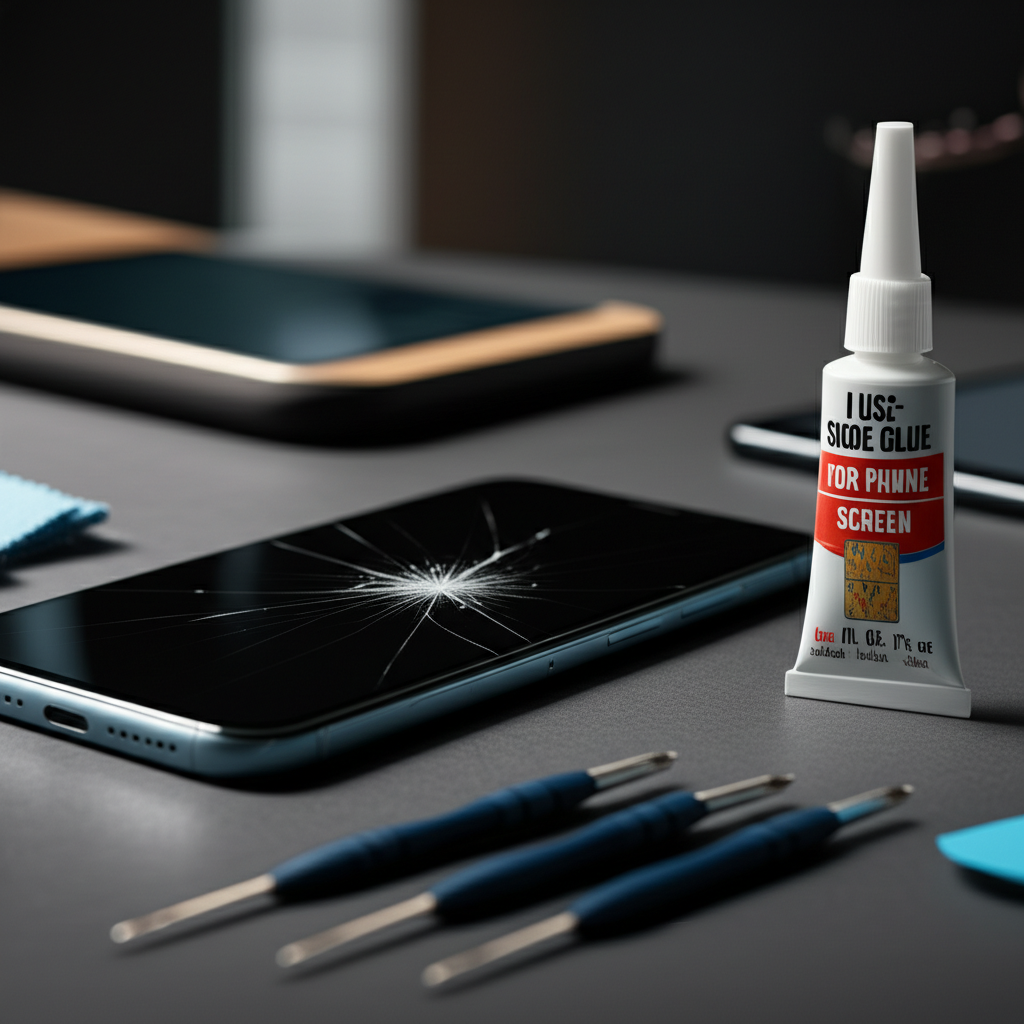
No, you absolutely should not use shoe glue on your phone screen. Shoe glue is designed for flexible materials and contains harsh chemicals that will permanently damage your delicate phone screen, void your warranty, and create a bigger problem than you started with. This guide explores why it’s a bad idea and offers safe, effective alternatives for screen repair.
Ever found yourself staring at a tiny crack on your phone screen, feeling that familiar pang of dread? It’s a common problem, and in a moment of desperation, you might wonder about quick fixes. The question, “Can I use shoe glue for phone screen?” often pops up. While the idea of a readily available adhesive might seem tempting, I’m here to tell you that using shoe glue on your phone screen is a recipe for disaster. Let’s dive into why this seemingly simple solution is a terrible one and what you should do instead.
Why Shoe Glue is a No-Go for Your Phone Screen
Your smartphone screen is a marvel of modern engineering, featuring multiple layers of specialized glass and sensitive electronics. Shoe glue, on the other hand, is formulated for vastly different materials like rubber, leather, and canvas. It’s designed to be flexible and withstand the stresses of footwear, not the precise, delicate environment of a smartphone display.
The Chemical Conundrum: What’s in Shoe Glue?

Shoe glues typically contain strong solvents and adhesives like cyanoacrylate (super glue), polyurethane, or neoprene. These chemicals are aggressive and can easily dissolve or degrade the oleophobic coating on your phone screen, which repels fingerprints and oils. They can also permanently etch or discolor the glass itself, leaving unsightly marks that no amount of cleaning can remove.
Flexibility vs. Rigidity: A Mismatch in Materials
The flexibility of shoe glue is a feature, not a bug, for shoes. However, for a phone screen, this flexibility means it won’t bond properly to the rigid glass surface. Instead, it will likely spread unevenly, creating a gummy, opaque mess that impairs visibility. The bond, if any, will be weak and prone to cracking or peeling under normal use.
Permanent Damage, Not a Quick Fix
Unlike a temporary fix, applying shoe glue to your phone screen will cause irreversible damage. The solvents can seep into the display layers, affecting the pixels and backlight. You’ll end up with a screen that’s not only cracked but also discolored, cloudy, or completely non-functional. This makes a professional repair significantly more complex and expensive, if not impossible.
Understanding Your Phone Screen’s Anatomy
To truly appreciate why shoe glue is a bad idea, it helps to understand what makes up your phone screen. It’s not just a piece of glass; it’s a sophisticated assembly.
The Layers of a Smartphone Display
Modern smartphone screens consist of several layers. There’s the outer protective glass (like Gorilla Glass), followed by a touch-sensitive digitizer layer, and then the display panel itself (LCD or OLED). Each layer is precisely calibrated and sealed. Shoe glue can attack any of these, compromising touch functionality, image quality, and the structural integrity of the entire display assembly.
The Oleophobic Coating: A Delicate Barrier
That smooth, easy-to-clean surface on your phone screen is thanks to an oleophobic coating. This invisible layer repels oils from your fingertips, making it easier to wipe away smudges. The harsh chemicals in shoe glue will strip this coating, leaving your screen more prone to fingerprints and feeling greasy.
The Real Risks of Using Shoe Glue on Your Phone
Beyond the immediate cosmetic damage, there are deeper implications to consider before you even think about reaching for that tube of shoe glue.
Voiding Your Warranty: A Costly Mistake
Manufacturers clearly state that physical damage, including damage from unauthorized repairs or using inappropriate materials, will void your device’s warranty. If you attempt to fix your screen with shoe glue and then seek professional repair or warranty service, you’ll likely be denied. You’ll be on the hook for the full cost of a screen replacement or a new device.
Compromising Touch Sensitivity and Functionality
The digitizer layer beneath the glass is what allows your phone to register touch input. Adhesives like shoe glue can interfere with this layer, leading to unresponsive touch areas or erratic behavior. You might find that swipes don’t register, or taps are misinterpreted, making your phone frustratingly difficult to use.
Exposure to Harmful Fumes
Many shoe glues release strong fumes during application and curing. While these might be acceptable in a well-ventilated workshop, using them near your face and a sensitive electronic device can be harmful. These fumes can irritate your eyes, nose, and throat.
Safe and Effective Alternatives for Phone Screen Cracks
Now that we’ve established why shoe glue is a definite no, let’s talk about what you should do when your phone screen cracks. There are several safe and effective methods.
1. Screen Protectors: The First Line of Defense
A screen protector is your best friend for preventing cracks in the first place, and it can also help manage minor ones. If you have a small, hairline crack, applying a tempered glass screen protector over it can prevent the crack from spreading further. It also provides a smoother surface for your fingers to glide over, making the damaged area less noticeable.
Tempered Glass: Offers superior protection and a glass-like feel.
Plastic Film: More affordable and flexible, but less protective.
Applying a screen protector over a cracked screen might not make it disappear, but it can provide a temporary solution and prevent further damage.
2. Professional Screen Repair: The Recommended Solution
For anything more than a minor surface scratch, professional repair is the safest and most reliable option. Authorized service centers or reputable third-party repair shops have the specialized tools and genuine parts to replace your screen correctly. This ensures your phone’s touch functionality, display quality, and overall integrity are restored.
Authorized Service Centers: Use genuine parts and maintain warranty compliance.
Reputable Third-Party Shops: Often more affordable, but ensure they use quality parts and have good reviews.
While professional repair costs money, it’s an investment in restoring your device to its full functionality and preventing further damage.
3. DIY Screen Replacement Kits: For the Brave and Tech-Savvy
If you’re comfortable with intricate electronics work, DIY screen replacement kits are available. These kits typically include a new screen assembly and the necessary tools. However, this is a delicate process. You risk damaging other components if you’re not careful.
Research thoroughly: Watch multiple video tutorials before starting.
Use quality parts: Purchase screens from reputable suppliers.
Work in a clean, well-lit area: Static electricity and dust are your enemies.
This option requires patience, precision, and a willingness to accept the risk of further damage.
What About Other “Quick Fix” Glues?
The question often extends beyond shoe glue. What about super glue, epoxy, or even nail polish? The answer remains largely the same: avoid them.
Super Glue (Cyanoacrylate) on Phone Screens
Super glue is essentially a fast-acting version of some shoe glues. While it might seem like a stronger bond, it’s brittle and can easily chip or crack. More importantly, the cyanoacrylate fumes can damage the screen’s coatings and potentially seep into the display, causing permanent discoloration or pixel damage.
Epoxy Resins for Phone Screens
Epoxy resins are strong and durable, but they are also rigid and can create stress points on the glass. They are difficult to apply evenly without creating a visible mess. Like other strong adhesives, they can also react negatively with the screen’s coatings and materials.
Nail Polish on Phone Screens
Some people suggest using clear nail polish for minor chips. While less chemically aggressive than industrial glues, nail polish can still leave a cloudy residue. It’s unlikely to hold a crack together effectively and can make the screen look worse. It’s also prone to peeling and scratching.
Can I Use Shoe Glue for Phone Screen Repair*? Debunking Myths
There’s a persistent myth that certain adhesives can “seal” cracks. While some materials might temporarily fill a tiny gap, they don’t address the underlying issue of a broken screen and introduce new problems.
The Illusion of a Seal
Adhesives applied to a cracked screen might create a superficial seal, preventing dirt from getting into the crack temporarily. However, they don’t reinforce the glass. The crack will continue to spread under normal pressure, and the adhesive itself can become a point of failure or a visual obstruction.
The Impact on Resale Value
If you ever plan to sell or trade in your phone, attempting a DIY repair with shoe glue will drastically reduce its value. A visibly glued screen is a sign of poor maintenance and potential underlying damage, making it unattractive to potential buyers.
When a Cracked Screen Becomes Unusable
Sometimes, a crack isn’t just cosmetic. It can significantly impact your phone’s usability and even pose a safety risk.
Impact on Touch Functionality
As mentioned, cracks can interfere with the digitizer. If your touch screen becomes unresponsive, partially functional, or registers phantom touches, it’s a clear sign that the screen needs professional attention. Shoe glue will only exacerbate this issue.
Safety Hazards of Shattered Screens
If your screen is severely cracked or shattered, there’s a risk of glass shards coming loose. These can cut your fingers. Attempting to glue these shards back together with shoe glue is dangerous and ineffective. Professional replacement is the only safe option.
AI and Future Tech in Screen Repair
While AI isn’t directly fixing your current cracked screen, it’s influencing how devices are designed and repaired.
Smarter Materials and Self-Healing Screens
Researchers are developing self-healing materials that could one day be incorporated into phone screens. These materials could automatically repair minor scratches and cracks, reducing the need for manual repairs. This is the future of device durability, a far cry from using shoe glue.
AI in Diagnostics and Repair Guidance
AI is already used in diagnosing device issues. In the future, AI-powered tools might guide users through complex repairs or help technicians identify the exact components needing replacement more efficiently. This advanced technology stands in stark contrast to makeshift, damaging fixes.
Preventing Future Screen Damage
The best approach to screen damage is prevention. Here are some tried-and-true methods to keep your phone screen intact.
Invest in a Quality Case
A good protective case is essential. Many cases have raised bezels that help absorb impact and prevent the screen from hitting surfaces directly during a fall. Look for cases with good drop-test ratings.
Always Use a Screen Protector
Combine a protective case with a tempered glass screen protector. This dual layer of defense offers the best protection against scratches, scuffs, and impacts. It’s a small investment that can save you a lot of money and hassle.
Handle Your Phone with Care
Simple habits can make a big difference. Avoid placing your phone face down on rough surfaces, keep it away from keys and sharp objects in your pocket or bag, and be mindful when using it near water or in environments where it could easily be dropped.
The Verdict: Can I Use Shoe Glue for Phone Screen?
After exploring the composition of shoe glue, the delicate nature of smartphone screens, and the potential consequences, the answer is a resounding no. Using shoe glue on your phone screen is not a viable repair solution; it’s a destructive act that will lead to permanent damage, void your warranty, and likely cost you more in the long run.
If your phone screen is cracked, resist the temptation of quick, DIY fixes that use inappropriate materials. Always opt for professional repair services or, at the very least, a reliable screen protector to manage minor damage. Protecting your investment and ensuring your device’s longevity means using the right tools and methods for the job.
FAQ: Your Phone Screen Repair Questions Answered
What happens if I put super glue on my phone screen?
Putting super glue on your phone screen can cause permanent damage. The strong chemicals can strip the oleophobic coating, etch the glass, and potentially seep into the display layers, affecting touch sensitivity and visual quality. It’s not a recommended fix.
Is it possible to fix a cracked phone screen myself?
Yes, it’s possible to fix a cracked phone screen yourself if you are tech-savvy and have the right tools and replacement parts. However, it’s a delicate process, and mistakes can lead to further damage. For most users, professional repair is a safer bet.
How much does it typically cost to replace a phone screen?
The cost of phone screen replacement varies widely depending on the phone model, brand, and whether you choose an authorized repair service or a third-party shop. Prices can range from $50 for older or budget models to over $300 for flagship smartphones.
Can a screen protector hide a cracked screen?
A screen protector, especially a tempered glass one, can help manage minor cracks. It can prevent them from spreading further, provide a smoother surface for your fingers, and make the crack less noticeable. However, it won’t magically make the crack disappear.
Should I use clear nail polish on a tiny chip in my phone screen?
While clear nail polish is less harsh than industrial glues, it’s still not recommended for phone screens. It can leave a cloudy residue, make the screen feel sticky, and is unlikely to provide a durable or aesthetically pleasing repair. It’s better to use a screen protector or seek professional advice.
What is the best way to protect my phone screen from cracking?
The best ways to protect your phone screen are to use a high-quality protective case with raised bezels and to apply a tempered glass screen protector. Handling your phone with care and avoiding drops are also crucial preventative measures.
What should I do if my phone screen has spiderweb cracks?
If your phone screen has spiderweb cracks, it’s a sign of significant damage. The best course of action is to back up your data immediately and then seek professional screen replacement. Continuing to use a severely cracked screen can lead to further damage and potential injury from glass shards.
Conclusion: Prioritize Professional Solutions Over Risky Fixes
The allure of a quick fix for a cracked phone screen is understandable, but when it comes to adhesives like shoe glue, the risks far outweigh any perceived benefits. My advice as your tech advisor is clear: do not use shoe glue for phone screen repair. The potential for irreversible damage to your device’s display, touch functionality, and aesthetic appeal is simply too high. Instead, I strongly advocate for proven, safe methods. Investing in a quality screen protector is your first line of defense against minor damage and can help mitigate the spread of small cracks. For more significant damage, professional screen repair by authorized technicians or reputable third-party shops is the most reliable way to restore your phone to its optimal condition. Remember, your smartphone is a significant investment, and treating its delicate screen with the respect it deserves by using appropriate care and repair methods will ensure its longevity and performance.
