
Published on: 02/11/2025 | Updated on: November 2, 2025
The autoimmune paleo diet focuses on nutrient-dense foods to reduce inflammation and support healing in individuals with autoimmune conditions. It eliminates common inflammatory triggers like grains, legumes, dairy, and processed foods, offering a structured approach to managing symptoms and improving well-being.
The autoimmune paleo diet can feel like a puzzle, especially when you’re dealing with the complexities of autoimmune diseases. Many struggle to find relief from persistent symptoms, feeling overwhelmed by conflicting advice and limited food options. This guide cuts through the confusion, offering clear insights into the autoimmune paleo diet and its essential breakthroughs. We’ll explore how this dietary approach can be a powerful tool for healing.
Understanding the Autoimmune Paleo Diet
The autoimmune paleo diet, often called the AIP diet, is a restrictive elimination diet. It aims to reduce inflammation and heal the gut lining. It’s designed for individuals with autoimmune conditions.
This diet removes foods commonly linked to inflammation and immune system activation. It then systematically reintroduces foods to identify personal triggers. The focus is on nutrient-dense, whole foods that support healing and immune regulation.
Core Principles of the Autoimmune Paleo Diet
At its heart, the AIP diet prioritizes nutrient density and gut health. It’s about nourishing your body with foods that calm the immune system. It also aims to repair damage in the gut, which is often a root cause of autoimmune issues.
The diet follows a strict elimination phase followed by a careful reintroduction phase. This methodical approach helps pinpoint individual food sensitivities. It’s a journey of discovery to find what works best for your unique body.
Foods to Eliminate in the AIP Diet
The elimination phase of the AIP diet is the most challenging. It requires removing a broad range of foods that can potentially trigger inflammation or gut irritation. These include grains, legumes, dairy, eggs, nuts, seeds, and certain vegetables.
Processed foods, refined sugars, and food additives are also strictly avoided. Even common irritants like coffee, alcohol, and certain spices are temporarily excluded. This comprehensive elimination creates a clean slate for healing.
Foods to Embrace on the AIP Diet
While the elimination list is long, the AIP diet encourages an abundance of nutrient-rich foods. These form the foundation of your healing journey. You’ll focus on high-quality proteins, healthy fats, and a wide variety of vegetables and fruits.
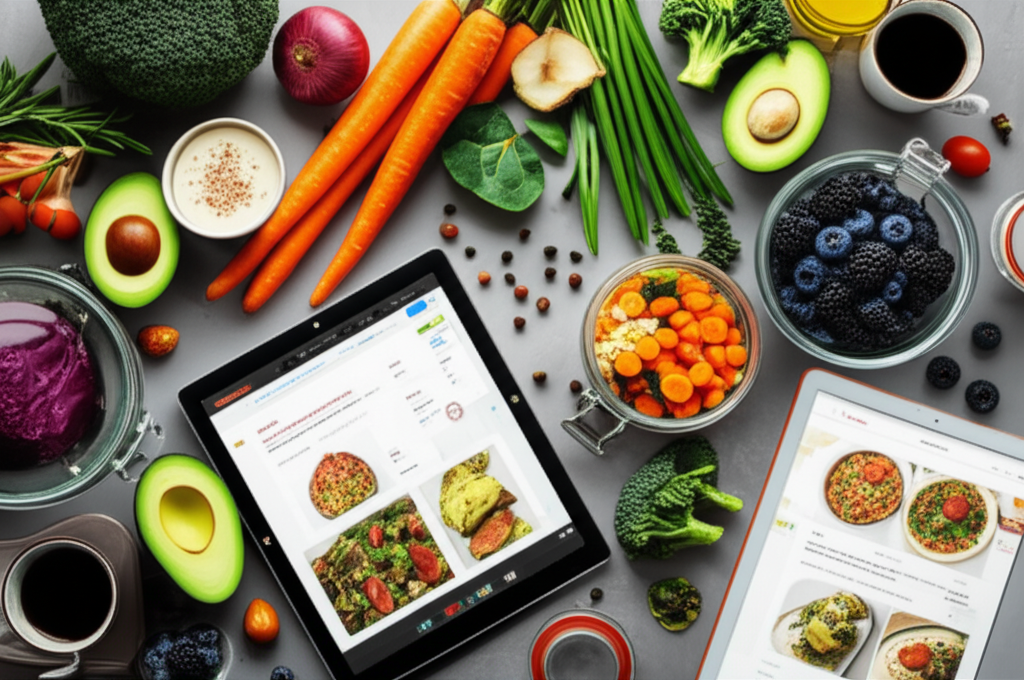
Key foods include grass-fed meats, wild-caught fish, and organ meats. You can enjoy healthy fats from sources like avocado and olive oil. Colorful vegetables and moderate amounts of fruit provide essential vitamins and antioxidants. Fermented foods are also encouraged for gut health.
The Science Behind AIP: Reducing Inflammation
Autoimmune diseases are characterized by chronic inflammation. The AIP diet targets this inflammation by removing common dietary triggers. These triggers can include gluten, casein, lectins, and phytates, which can damage the gut lining and activate the immune system.
By eliminating these irritants, the AIP diet helps to calm an overactive immune response. It also provides the body with the nutrients needed to repair gut permeability, often referred to as “leaky gut.” This reduction in inflammation is central to symptom improvement.
Gut Health and the AIP Diet Connection
A compromised gut lining is a significant factor in the development of autoimmune diseases. The AIP diet focuses on healing the gut. It does this by removing foods that can irritate or damage the intestinal wall.
Introducing nutrient-dense foods and beneficial compounds supports gut repair. This includes collagen, bone broth, and fermented foods rich in probiotics. A healthy gut barrier is crucial for preventing undigested particles from entering the bloodstream and triggering immune responses.
Essential Breakthroughs in AIP Research
Recent research highlights the profound impact of the AIP diet on autoimmune markers. Studies show significant reductions in inflammatory cytokines and improvements in quality of life for participants. The diet’s ability to modulate the immune system is a key breakthrough.
Further research is exploring the personalized nature of AIP reintroduction. Understanding individual responses to reintroduced foods is crucial for long-term adherence and sustained well-being. This ongoing research solidifies AIP’s role in autoimmune management.
Navigating the AIP Reintroduction Phase
The reintroduction phase is where the AIP diet truly becomes personalized. After a period of strict elimination, foods are reintroduced one by one. This is done slowly and systematically to observe any adverse reactions.
The goal is to identify which foods you can tolerate and which you still need to avoid. This phase allows for a more varied and sustainable diet. It empowers you to understand your body’s unique needs and responses.
Practical Tips for AIP Success
Adopting the AIP diet requires planning and preparation. Meal prepping is essential to ensure you always have compliant foods available. Focus on simple, whole-food recipes that are easy to prepare.
Educate yourself and your support network about the diet. Finding an AIP-savvy healthcare provider can be invaluable. Patience and self-compassion are key; it’s a marathon, not a sprint.
Potential Challenges and How to Overcome Them
The strictness of the AIP elimination phase can be a major challenge. Social situations and eating out can feel overwhelming. Planning ahead and communicating your dietary needs are crucial.
Nutrient deficiencies are another concern, though less common with careful planning. Focusing on organ meats and a wide variety of nutrient-dense vegetables helps. Consulting with a qualified practitioner can ensure nutritional adequacy.
Frequently Asked Questions About the Autoimmune Paleo Diet
What is the primary goal of the autoimmune paleo diet?

The main goal is to reduce chronic inflammation and heal the gut lining. This helps to calm an overactive immune system in individuals with autoimmune conditions.
How long does the elimination phase of AIP typically last?
The elimination phase usually lasts for 30 to 90 days. This allows sufficient time for inflammation to subside and the gut to begin healing.
Can I eat eggs on the autoimmune paleo diet?
No, eggs are excluded during the initial elimination phase of the AIP diet. They are considered a potential trigger food for many individuals.
Is it possible to find AIP-compliant meal delivery services?
Yes, some meal delivery services offer AIP-specific options or customizable menus. It’s important to check their ingredient lists carefully.
What are some common symptoms that may improve on AIP?
Common symptoms that may improve include fatigue, joint pain, digestive issues, skin problems, and brain fog. Individual results can vary widely.
Can I drink coffee on the AIP diet?
No, coffee is typically excluded during the elimination phase of the AIP diet. It’s considered a stimulant and a potential irritant.
What is the difference between AIP and the regular Paleo diet?
The AIP diet is more restrictive than the standard Paleo diet. It eliminates additional foods like eggs, nuts, seeds, and nightshade vegetables that are allowed on Paleo.
Conclusion: Embracing the Autoimmune Paleo Diet for Healing
The autoimmune paleo diet offers a powerful, evidence-based approach to managing autoimmune conditions. By focusing on nutrient-dense foods and eliminating inflammatory triggers, it provides a pathway to reduced inflammation, improved gut health, and symptom relief. While the journey requires dedication and careful planning, the potential breakthroughs in healing and well-being make the autoimmune paleo diet a valuable tool for many. Remember to consult with a healthcare professional to tailor the diet to your specific needs.

Belayet Hossain is a Senior Tech Expert and Certified AI Marketing Strategist. Holding an MSc in CSE (Russia) and over a decade of experience since 2011, he combines traditional systems engineering with modern AI insights. Specializing in Vibe Coding and Intelligent Marketing, Belayet provides forward-thinking analysis on software, digital trends, and SEO, helping readers navigate the rapidly evolving digital landscape. Connect with Belayet Hossain on Facebook, Twitter, Linkedin or read my complete biography.