
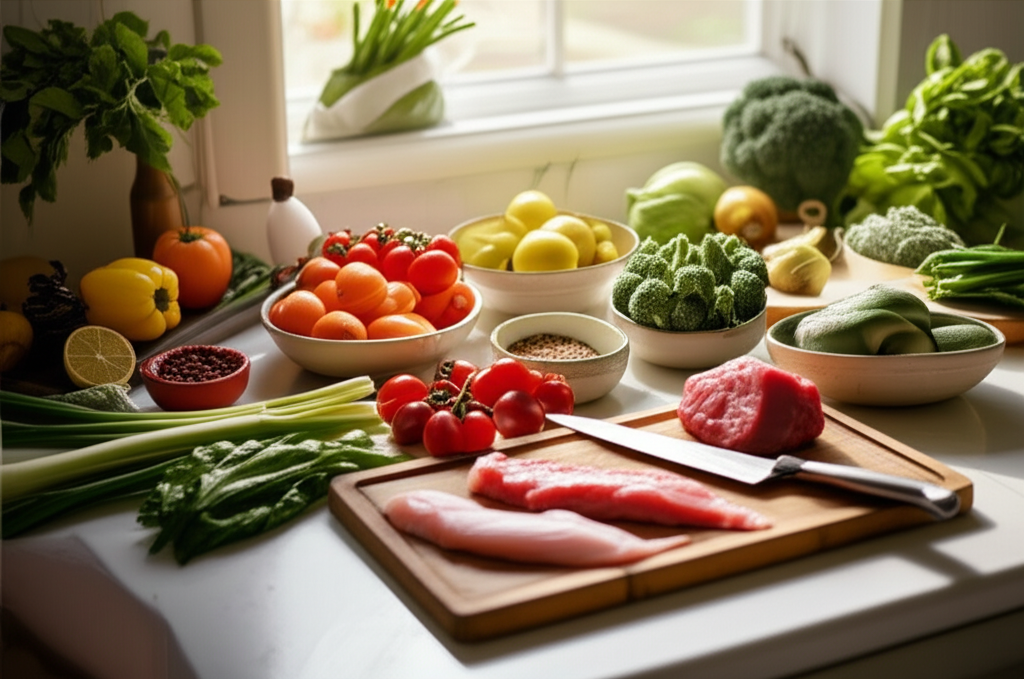
Published on: 02/11/2025 | Updated on: November 2, 2025
Discover delicious and simple autoimmune paleo recipes to manage your health without sacrificing flavor. This guide offers essential tips and effortless meal ideas for your AIP journey, making it easier than ever to eat well and feel better.
Navigating the Autoimmune Protocol (AIP) can feel overwhelming, especially when it comes to finding satisfying meals. Many struggle with identifying compliant ingredients and creating recipes that are both nourishing and enjoyable. This guide is designed to simplify your AIP journey, providing you with essential knowledge and effortless autoimmune paleo recipes. We’ll walk you through the core principles and offer practical solutions for delicious, healing foods.
Understanding the Autoimmune Protocol (AIP)
The AIP is a dietary approach focused on reducing inflammation and healing the gut to manage autoimmune conditions. It emphasizes nutrient-dense foods while strictly eliminating potential triggers like grains, legumes, dairy, eggs, nuts, seeds, nightshades, and processed foods. This elimination phase helps identify personal food sensitivities, paving the way for gradual reintroduction.
Core Principles of AIP

AIP centers on consuming a wide variety of whole, unprocessed foods. This includes ample vegetables, fruits, healthy fats, and high-quality proteins. The goal is to provide the body with essential nutrients to support healing and reduce immune system overactivity.
Foods to Embrace and Avoid
Embracing a diet rich in leafy greens, colorful vegetables, lean meats, and fish is key. You’ll also include healthy fats from sources like avocado and olive oil. Strict avoidance of inflammatory foods like gluten, dairy, eggs, and processed sugars is crucial during the elimination phase.
Essential Pantry Staples for AIP Cooking
Stocking your pantry with the right ingredients is fundamental for effortless AIP cooking. Having compliant items readily available makes meal preparation significantly easier and more enjoyable. This thoughtful stocking prevents last-minute grocery store dashes for specialized items.
Approved Fats and Oils
Healthy fats are vital for nutrient absorption and hormone production. Stick to options like extra virgin olive oil, coconut oil, and avocado oil. These are versatile for cooking, dressings, and adding richness to dishes.
Flavorful Seasonings and Herbs
Since many common seasonings are restricted, focus on fresh and dried herbs, garlic, ginger, and onion (if tolerated). Nutritional yeast can add a cheesy flavor without dairy. Experiment with different combinations to create a diverse flavor profile.
Quality Protein Sources
Prioritize high-quality, pasture-raised, or wild-caught animal proteins. This includes grass-fed beef, pastured chicken, and wild-caught fish like salmon. These provide essential amino acids and vital nutrients for healing.
Effortless AIP Breakfast Ideas
Starting your day with a compliant and satisfying breakfast sets a positive tone for your AIP journey. These recipes are designed for simplicity and speed, perfect for busy mornings. They provide sustained energy without relying on restricted ingredients.
Sweet Potato Hash with Sausage
This hearty breakfast combines the sweetness of sweet potatoes with savory compliant sausage. It’s a balanced meal that’s quick to prepare and incredibly flavorful. The combination offers a good source of fiber and protein.
Green Smoothie Power-Up
A nutrient-packed green smoothie is a fantastic way to get your greens in early. Blend spinach or kale with compliant fruits like berries or banana, a splash of coconut milk, and perhaps some collagen peptides. This is a refreshing and energizing start.
Simple AIP Lunch Options
Lunchtime on AIP doesn’t have to be complicated. These ideas focus on quick assembly and make-ahead components to save you time. They ensure you maintain your dietary integrity even when on the go.
Leftover Reinvented Bowls
Repurposing dinner leftovers into a lunch bowl is a brilliant time-saver. Combine roasted vegetables, a protein source, and a simple AIP-compliant dressing. This minimizes food waste and cooking effort.
Tuna Salad Lettuce Wraps
A classic made AIP-friendly is tuna salad. Use avocado or compliant mayonnaise as a binder, mixed with finely chopped celery and onion (if tolerated). Serve in crisp lettuce cups for a light and refreshing meal.
Delicious AIP Dinner Recipes
Dinners are often the most substantial meal, and AIP dinners can be both nourishing and exciting. These recipes focus on simple preparations that highlight the natural flavors of compliant ingredients. They aim to make weeknight cooking manageable.
Lemon Herb Roasted Chicken and Veggies
Roast a whole chicken or chicken pieces with an assortment of root vegetables like carrots, parsnips, and sweet potatoes. Season generously with lemon, rosemary, thyme, and garlic. This is a complete, one-pan meal that’s easy to clean up.
Salmon with Asparagus and Sweet Potato Mash
Bake or pan-sear salmon fillets for a quick and omega-3-rich dinner. Serve alongside steamed or roasted asparagus and a simple mash of sweet potatoes. A drizzle of olive oil and a sprinkle of sea salt complete this elegant dish.
Ground Beef Stir-Fry with Cauliflower Rice
A quick stir-fry is perfect for a weeknight. Sauté ground beef with compliant vegetables like broccoli, carrots, and zucchini. Use coconut aminos for a soy-sauce alternative and serve over cauliflower rice.
Flavorful AIP Snacks
Snacking can be a challenge when adhering to strict dietary protocols. These AIP-compliant snacks are designed to satisfy hunger between meals and provide sustained energy. They are easy to prepare and portable for on-the-go needs.
Fruit and Avocado Slices
Simple and satisfying, fruit like apples or berries paired with a few slices of avocado offers healthy fats and natural sweetness. This combination is both filling and nutrient-dense. It requires no preparation beyond washing and slicing.
Homemade AIP Energy Bites
Create no-bake energy bites using ingredients like shredded coconut, dates, and compliant nut/seed butter alternatives (like sunflower seed butter). Roll them into small balls for a portable, sweet treat. Ensure all ingredients are AIP-approved.
AIP Meal Prep Strategies
Effective meal prepping is the cornerstone of successful and sustainable AIP eating. It significantly reduces daily cooking stress and ensures you always have compliant food available. Dedicate a few hours weekly to prepare components and meals.
Batch Cooking Proteins
Cook large batches of compliant proteins like chicken breasts, ground beef, or fish at the beginning of the week. These can be easily incorporated into various meals throughout the week. This saves immense time during busy weekdays.
Pre-Chopping Vegetables
Wash and chop a variety of vegetables ahead of time. Store them in airtight containers in the refrigerator. This makes assembling salads, stir-fries, and roasted vegetable dishes incredibly fast.
Preparing AIP-Friendly Sauces and Dressings
Whip up a batch of your favorite AIP-compliant dressings or sauces. Having these ready to go elevates simple meals and adds variety. Think lemon-tahini dressing or a simple vinaigrette with olive oil and apple cider vinegar.
Navigating AIP Challenges and Tips
Sticking to AIP can present unique challenges, but with the right strategies, these can be overcome. Staying informed and adaptable is key to long-term success and well-being. These tips are designed to support your journey.
Reading Labels Diligently
Always read ingredient labels, even on products you’ve purchased before. Manufacturers can change formulations. Look out for hidden non-compliant ingredients like sugars, starches, or emulsifiers.
Finding AIP-Compliant Products
Many specialty stores and online retailers now offer a growing selection of AIP-friendly products. Look for items specifically labeled as AIP compliant or check ingredient lists carefully. This can simplify shopping significantly.
Managing Social Situations
Eating out or attending social gatherings can be tricky. Communicate your dietary needs clearly and politely to hosts or restaurant staff. Consider bringing a compliant dish to share or opt for simpler meal choices when dining out.
Integrating Autoimmune Paleo Recipes into a Busy Lifestyle
Making autoimmune paleo recipes work with a busy schedule is achievable with smart planning. The key is to leverage shortcuts and choose recipes that are inherently quick to prepare or can be prepped in advance. This ensures your dietary needs are met without adding undue stress.
Leveraging Food Delivery Services (When Appropriate)
While strict AIP adherence often means cooking at home, some food delivery services can be a lifesaver for busy individuals. Look for services that offer customizable options or cater to specific dietary needs like gluten-free or paleo. Always verify ingredients meticulously, as direct AIP compliance can be rare.
Snippet-Ready Answer: Some food delivery services can support a busy AIP lifestyle by offering customizable meals. Focus on services that highlight fresh ingredients and allow for detailed ingredient selection to minimize non-compliant items. Always double-check ingredient lists for full AIP adherence.
Utilizing Slow Cooker and Instant Pot
These appliances are invaluable for busy AIP followers. Slow cookers allow for hands-off cooking of stews, roasts, and pulled meats. An Instant Pot can drastically reduce cooking times for soups, broths, and even some main dishes.
Batch Cooking and Freezing
Prepare larger quantities of AIP-compliant meals or components and freeze them in single-serving portions. This creates a readily available supply of healthy meals for those days when cooking is impossible. Ensure proper cooling and storage to maintain quality.
Frequently Asked Questions About AIP Recipes
What are the most common AIP-compliant vegetables?
Commonly approved vegetables include leafy greens, broccoli, cauliflower, sweet potatoes, carrots, zucchini, and squash. Nightshade vegetables like tomatoes, peppers, and eggplants are excluded.
Can I have coffee or tea on the AIP diet?
Black coffee and most teas (herbal, green, black) are generally permitted on AIP. However, some individuals may find they react to caffeine, so it’s best to monitor your response. Avoid adding milk, sugar, or artificial sweeteners.
How long does the AIP elimination phase typically last?
The elimination phase usually lasts for 30 to 90 days. This period allows your body to calm down and for inflammation to reduce. After this, you can begin a carefully managed reintroduction process.
What are common AIP-friendly sweeteners?
Small amounts of natural sweeteners like honey and maple syrup are generally allowed on AIP. Stevia and monk fruit are also sometimes used, though their long-term effects are still debated by some in the community. Avoid all refined sugars and artificial sweeteners.
Is it possible to eat out while on the AIP diet?
Eating out on AIP is challenging but not impossible. You need to be very communicative with restaurant staff about ingredients and preparation methods. Opting for simple grilled meats and steamed vegetables is often the safest bet.
Conclusion: Embracing Your AIP Culinary Journey
Embarking on the autoimmune paleo recipes journey can transform your health and well-being. By focusing on nutrient-dense, whole foods and simplifying your cooking process, you can create delicious meals that support healing. Remember to be patient with yourself, celebrate small victories, and continually adapt your approach. This guide provides a solid foundation for building a sustainable and enjoyable AIP lifestyle, filled with essential and effortless autoimmune paleo recipes.

Belayet Hossain is a Senior Tech Expert and Certified AI Marketing Strategist. Holding an MSc in CSE (Russia) and over a decade of experience since 2011, he combines traditional systems engineering with modern AI insights. Specializing in Vibe Coding and Intelligent Marketing, Belayet provides forward-thinking analysis on software, digital trends, and SEO, helping readers navigate the rapidly evolving digital landscape. Connect with Belayet Hossain on Facebook, Twitter, Linkedin or read my complete biography.