
Published on: 02/11/2025 | Updated on: November 2, 2025
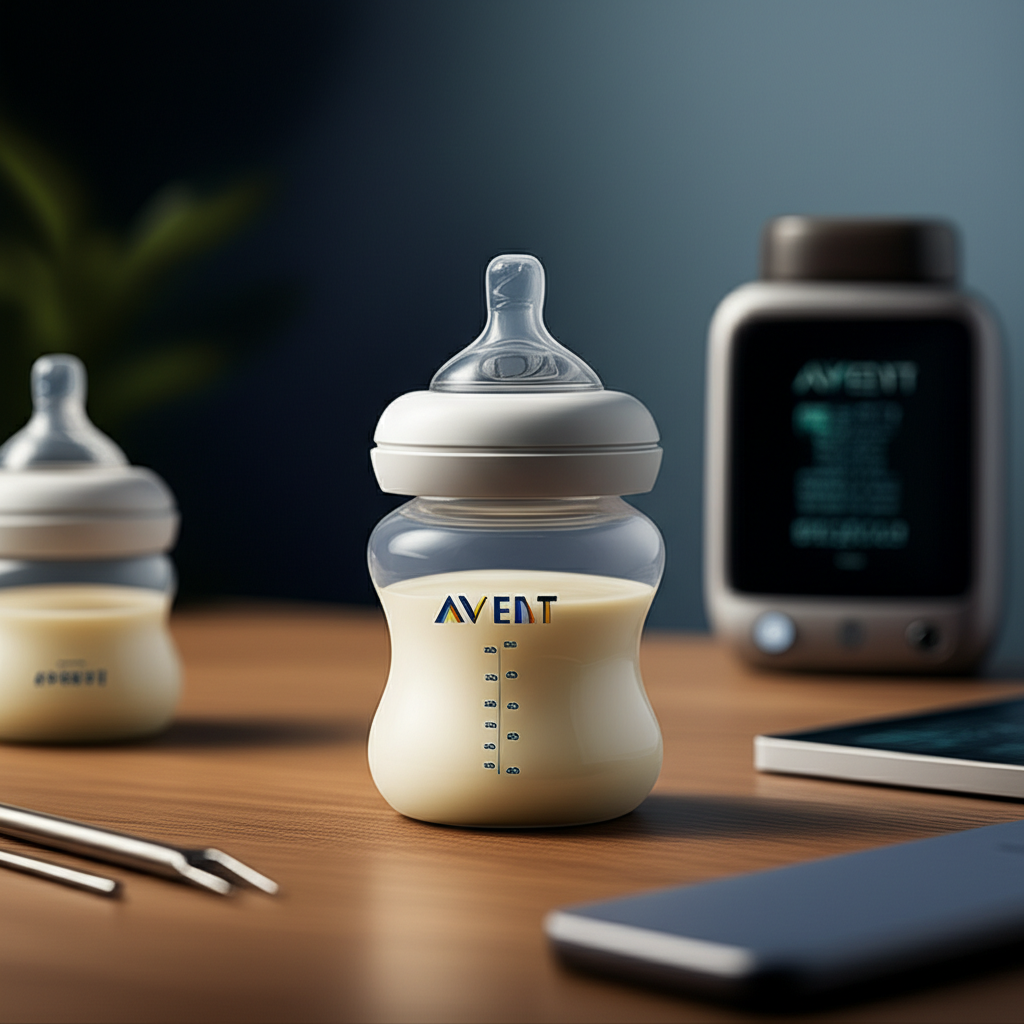
The Avent feeding bottle is a popular choice for parents, offering features designed for comfort and ease of use during feeding times. This guide covers everything you need to know to make an informed decision for your baby.
Navigating the world of baby feeding can feel overwhelming, especially when choosing the right bottles. Parents often worry about colic, nipple confusion, and finding a bottle that’s easy to clean and hold. The Avent feeding bottle is a widely recommended option, known for its thoughtful design. I understand these concerns, and I’m here to provide a clear, step-by-step guide to help you choose the perfect Avent bottles for your little one. We’ll explore the different types, their benefits, and how to use them effectively.
Understanding the Avent Feeding Bottle System
The Avent feeding bottle system is designed with both baby and parent in mind. It focuses on mimicking natural feeding and reducing common feeding issues. This system includes various bottle types, nipples, and accessories, all working together to create a positive feeding experience.
The core innovation in Avent bottles is their anti-colic system. This system aims to reduce air intake during feeding, which can lead to gas and discomfort for the baby. By choosing the right Avent bottle, you’re investing in a smoother, happier feeding journey.
The Benefits of Choosing Avent Feeding Bottles
Avent bottles offer several advantages that make them a favorite among parents. Their designs focus on reducing common infant feeding problems. This can lead to a more comfortable experience for both the baby and the caregiver.
Key benefits include their anti-colic technology, ergonomic design for easy gripping, and durable, BPA-free materials. These features contribute to a safe and efficient feeding process. Many parents also find them easy to assemble and clean, saving valuable time.
Anti-Colic Technology: What Makes It Work?

Avent’s renowned anti-colic technology is a significant draw for many parents. It’s engineered to keep air out of your baby’s tummy. This prevents common issues like gas and fussiness during and after feeds.
The system typically involves a special valve in the nipple or bottle base. This valve lets air into the bottle as the baby drinks. It prevents air from mixing with the milk, ensuring a more natural and less gassy feeding experience.
Ergonomic Design for Easy Handling
Holding a baby while feeding can be challenging. Avent bottles are designed with an ergonomic shape. This makes them easy for parents to hold securely.
The shape also allows babies to grip the bottle themselves as they grow. This promotes independence and aids in developing fine motor skills. A comfortable grip means less chance of dropping the bottle during feeding.
BPA-Free and Safe Materials
Safety is paramount when choosing baby products. Avent feeding bottles are made from high-quality, BPA-free materials. This ensures that no harmful chemicals leach into your baby’s milk.
Parents can feel confident that they are providing a safe feeding solution. The materials are also durable, meaning the bottles can withstand regular use and sterilization.
Exploring the Different Avent Bottle Ranges
Philips Avent offers several distinct bottle ranges, each with unique features. Understanding these differences helps you select the best fit for your baby’s needs. The most common ranges include the Natural and Anti-Colic series.
Each range is designed to address specific feeding challenges. Whether your baby is prone to colic or transitioning to bottle feeding, there’s likely an Avent bottle to suit them. I’ve found that exploring these options upfront saves a lot of guesswork later.
Avent Natural Bottles: Mimicking Natural Feeding
The Avent Natural bottle range is designed to promote a natural latch. This makes it easier for babies to switch between breast and bottle. It aims to reduce nipple confusion and support combination feeding.
These bottles feature a wide, soft, breast-shaped nipple. This shape encourages the baby to use the same tongue movements as breastfeeding. The nipple also has a unique petal design for added softness and flexibility.
Avent Anti-Colic Bottles: Advanced Airflex Technology
The Avent Anti-Colic bottles are specifically engineered for babies who experience colic, reflux, or gas. They feature the advanced Airflex valve system. This system is designed to vent air away from the baby’s stomach.
The valve works by allowing air to flow through the bottle, not into it. This means the baby swallows less air, leading to fewer feeding issues. Many parents report a significant reduction in fussiness and spit-ups with this range.
Avent Ultra Air and Soothie: For Soothing and Comfort
While not strictly feeding bottles, the Avent Ultra Air and Soothie pacifiers are worth mentioning. They are designed with a baby’s comfort in mind. The Ultra Air pacifier is lightweight and has large air holes.
The Soothie is a one-piece silicone pacifier. It’s often recommended by hospitals for newborns. These items can complement bottle feeding by providing soothing comfort.
Choosing the Right Nipple Flow Rate
Selecting the correct nipple flow rate is crucial for a comfortable feeding experience. Avent nipples come in various flow rates, designed to match your baby’s age and feeding ability. Using the wrong flow can lead to issues like choking or the baby not getting enough milk.
It’s important to observe your baby during feeding. If they are gulping too quickly or seem overwhelmed, the flow might be too fast. If they are taking too long or seem to be struggling to get milk, the flow might be too slow.
Nipple Flow Rates Explained
Avent nipples are typically categorized by flow rate, indicated by numbers or stages.
Stage 1 (Newborn/0+ Months): Slowest flow for newborns.
Stage 2 (1+ Months): Slightly faster flow for growing babies.
Stage 3 (3+ Months): Medium flow for babies who can handle more milk.
Stage 4 (6+ Months): Fast flow for older babies and thicker liquids.
Variable Flow: For thicker liquids or babies who need adjustable flow.
Always start with the lowest flow rate and increase it as your baby grows and develops. Consult your pediatrician if you are unsure about the best flow rate for your child.
When to Switch Nipple Flow Rates
The decision to switch nipple flow rates should be based on your baby’s cues. Look for signs that they are ready for a faster flow. These include finishing bottles quickly, seeming frustrated with the current flow, or showing increased hunger.
Conversely, if your baby coughs, sputters, or seems overwhelmed by the milk, they might need a slower flow. It’s a gradual process, and your baby will show you when they are ready for a change.
How to Assemble and Use Avent Feeding Bottles
Assembling and using Avent feeding bottles is straightforward. Following the correct steps ensures optimal performance and hygiene. This is especially important for the anti-colic models, where proper assembly is key to the valve system working correctly.
Always ensure all parts are clean and dry before assembly. This prevents the buildup of bacteria. Familiarizing yourself with the specific parts of your chosen Avent bottle range will make the process easier.
Step-by-Step Assembly Guide
1. Wash all parts: Thoroughly wash the bottle, nipple, ring, and cap in warm, soapy water. Rinse well.
2. Sterilize: Sterilize all parts before the first use and regularly thereafter. This can be done by boiling, using a steam sterilizer, or cold-water sterilization.
3. Assemble the nipple: If using an Anti-Colic bottle, ensure the Airflex valve is correctly attached to the nipple. For Natural bottles, the nipple simply attaches to the ring.
4. Attach the ring: Screw the ring with the nipple onto the bottle. Ensure it is secure but not overtightened.
5. Add milk: Pour the prepared formula or breast milk into the bottle.
6. Cap the bottle: Place the cap on securely.
Always check that the nipple is properly seated and the ring is tightly secured to prevent leaks.
Tips for Successful Feeding
Hold the baby comfortably: Ensure a semi-upright position to help prevent milk from going into the ear canal.
Warm the milk: Warm the milk to body temperature, but avoid overheating.
Check milk temperature: Always test the milk temperature on your wrist before feeding.
Angle the bottle: Tilt the bottle so the nipple is always full of milk. This helps prevent the baby from swallowing air.
Burp your baby: Burp your baby halfway through the feed and after the feed to release any swallowed air.
Observing your baby’s cues is the best way to ensure a successful feeding session.
Cleaning and Sterilizing Avent Feeding Bottles
Proper cleaning and sterilization are essential for your baby’s health. Avent bottles should be cleaned after every use. Sterilization is recommended, especially for newborns and premature babies.
Regular cleaning removes milk residue, preventing bacterial growth. Sterilization kills any remaining germs. Philips Avent offers various cleaning and sterilization accessories to make this process easier.
Daily Cleaning Routine
Disassemble: Take apart all components of the bottle.
Wash: Wash each part thoroughly with warm, soapy water. Use a bottle brush to clean the inside of the bottle and nipple.
Rinse: Rinse all parts well under running water to remove soap residue.
Dry: Allow parts to air dry completely on a clean drying rack.
This routine should be followed after every feeding.
Sterilization Methods
There are several effective ways to sterilize Avent bottles:
Boiling: Submerge disassembled parts in boiling water for 5 minutes.
Steam Sterilizer: Philips Avent offers electric and microwave steam sterilizers that are quick and efficient.
Cold Water Sterilization: Use sterilizing tablets or solution according to product instructions.
Dishwasher: Some Avent bottles and parts are dishwasher-safe on the top rack, but check product guidelines.
Regular sterilization helps protect your baby from infections.
Common Issues and Troubleshooting with Avent Bottles
While Avent bottles are designed to minimize problems, some common issues can arise. These often relate to nipple flow, leaks, or the anti-colic valve. Fortunately, most of these can be easily resolved with a few simple adjustments.
Understanding how to troubleshoot these minor issues can save you frustration. It ensures that feeding time remains a positive experience for both you and your baby.
Nipple Flow Problems
Flow too fast: Baby chokes or splutters. Try a slower flow nipple (e.g., Stage 1 or 2).
Flow too slow: Baby seems frustrated or takes too long to feed. Try a faster flow nipple (e.g., Stage 3 or 4).
Nipple collapsing: Ensure the air vent is clear. For Anti-Colic bottles, check that the valve is correctly assembled and the airflex valve is not blocked.
Leaking Bottles
Loose ring: Ensure the screw ring is tightened securely onto the bottle.
Damaged parts: Check the bottle, ring, and nipple for any cracks or damage. Replace if necessary.
Overfilling: Do not fill the bottle beyond the indicated maximum fill line.
Anti-Colic Valve Issues
Valve not working: Ensure the Airflex valve is clean and correctly attached to the nipple. It should move freely.
Baby still gassy: While the valve helps, proper feeding techniques like burping are still essential. Ensure the bottle is held at an angle to keep the nipple full of milk.
Avent Bottle Accessories and Compatibility
Philips Avent offers a range of accessories that enhance the feeding experience and bottle functionality. These include bottle brushes, sterilizers, warmers, and storage solutions. Understanding compatibility ensures you purchase the right items.
Most Avent bottle accessories are designed to work seamlessly with their bottle systems. This makes it easy to build a complete feeding ecosystem around your chosen Avent bottles.
Essential Accessories to Consider
Bottle Brush: Specifically designed to clean bottles and nipples thoroughly.
Sterilizer: Electric or microwave steam sterilizers offer a convenient way to sterilize bottles.
Bottle Warmer: Provides a quick and even way to warm milk.
Milk Storage Containers: For storing expressed breast milk or formula.
Spill-proof cup spouts: For transitioning to a sippy cup.
These accessories can simplify feeding routines and ensure hygiene.
Compatibility Across Ranges
Generally, nipples and rings are specific to their bottle range (Natural vs. Anti-Colic). However, many accessories like sterilizers, warmers, and bottle brushes are compatible across different Philips Avent bottle types. Always check product descriptions for specific compatibility information.
This compatibility ensures you can easily upgrade or add to your collection without needing entirely new systems.
Making the Final Choice: Avent Feeding Bottle Considerations
Choosing the right feeding bottle is a personal decision. For Avent feeding bottles, consider your baby’s specific needs and your lifestyle. Factors like ease of cleaning, anti-colic features, and compatibility with breastfeeding are important.
Ultimately, the best Avent feeding bottle is the one that works best for your baby and your family. Observing your baby’s reactions and consulting with healthcare professionals can guide your decision. I found that starting with a small set and then expanding based on my baby’s response was a good strategy.
Factors to Weigh
Baby’s temperament: Is your baby prone to gas or fussiness? The Anti-Colic range might be beneficial.
Breastfeeding or formula feeding: If combination feeding, the Natural range is designed for a smoother transition.
Ease of cleaning: Consider how much time you have for washing and sterilizing.
Budget: Avent bottles vary in price, with different ranges and starter sets available.
Durability: Avent bottles are generally durable, but consider how long you intend to use them.
My Recommendations as a Food Delivery Analyst (and Parent)
From my experience analyzing consumer choices and, more importantly, as a parent myself, the Philips Avent Natural bottles are an excellent starting point for most families. They offer a good balance of natural latch support and ease of use. If your baby shows signs of colic or significant gas, the Avent Anti-Colic bottles are a worthwhile investment. I always recommend purchasing a small starter set first. This allows you to test them out before committing to a larger quantity. Always pay attention to your baby’s cues; they will often tell you what works best.
Frequently Asked Questions About Avent Feeding Bottles
What is the difference between Avent Natural and Anti-Colic bottles?
The Natural bottles feature a breast-shaped nipple and petals for a natural latch, ideal for combination feeding. The Anti-Colic bottles have an Airflex valve system designed to reduce colic and gas by venting air away from the baby’s stomach.
How many Avent bottles do I need?
For newborns, 4-6 bottles are typically sufficient. As your baby grows and drinks more, you may need 6-8 bottles. This allows for a full day’s feeding without constant washing.
Can I mix and match Avent bottle parts?
Nipples and rings are usually specific to their bottle type (Natural or Anti-Colic). However, many accessories like sterilizers, warmers, and bottle brushes are compatible across the Philips Avent range.
Are Avent bottles safe for newborns?
Yes, Avent feeding bottles are made from BPA-free materials and are safe for newborns. The Stage 1 nipples are designed for the slowest flow, suitable for newborns.
How often should I replace Avent nipples?
Nipples should be inspected regularly for wear and tear. It’s generally recommended to replace them every 2-3 months or sooner if they show signs of damage, such as tears or swelling.
Conclusion
Choosing the right Avent feeding bottle is a key step in ensuring a comfortable and healthy feeding experience for your baby. With options like the Natural range designed for a smooth transition from breastfeeding and the Anti-Colic range tackling common digestive issues, Philips Avent offers solutions for diverse needs. By understanding nipple flow rates, proper assembly, and consistent cleaning, you can maximize the benefits of these well-designed bottles. Remember to observe your baby’s cues and consult with healthcare professionals. This comprehensive guide should empower you to make the best choice for your little one’s feeding journey.

Belayet Hossain is a Senior Tech Expert and Certified AI Marketing Strategist. Holding an MSc in CSE (Russia) and over a decade of experience since 2011, he combines traditional systems engineering with modern AI insights. Specializing in Vibe Coding and Intelligent Marketing, Belayet provides forward-thinking analysis on software, digital trends, and SEO, helping readers navigate the rapidly evolving digital landscape. Connect with Belayet Hossain on Facebook, Twitter, Linkedin or read my complete biography.