
Published on: 05/11/2025 | Updated on: November 5, 2025
Bajra millet offers a powerhouse of nutrients vital for your child’s healthy development, from strong bones to sharp minds, making it a smart addition to their diet.
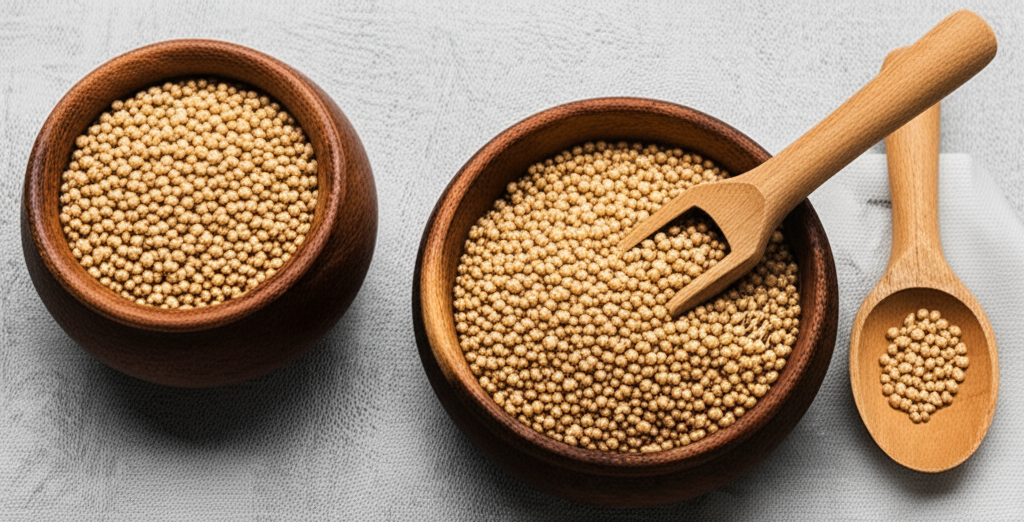
Bajra, also known as pearl millet, is a nutritional goldmine for growing children. It’s a resilient grain packed with essential vitamins, minerals, and fiber that support overall health and well-being. If you’re seeking wholesome food options to boost your child’s development, understanding the benefits of bajra millet is your first step towards a healthier meal plan. This ancient grain is surprisingly easy to incorporate into everyday meals, offering a delicious and nutritious alternative to common staples.
Why Bajra Millet is a Superfood for Kids
Bajra millet is a nutrient-dense grain that significantly contributes to a child’s healthy growth and development. It provides a wide array of vitamins, minerals, and fiber essential for their energetic lives. This ancient grain is an excellent choice for parents looking to enhance their child’s diet with wholesome, natural goodness.
Nutritional Powerhouse for Little Ones

Bajra millet is a treasure trove of nutrients crucial for a child’s burgeoning body and mind. It’s a fantastic source of carbohydrates for energy, protein for building muscles, and fiber for a healthy digestive system. This makes bajra millet a truly exceptional food for supporting your child’s rapid growth phases.
Rich in Essential Vitamins and Minerals
This humble grain is packed with vital micronutrients. It contains iron to prevent anemia, calcium for strong bones and teeth, and magnesium for muscle and nerve function. These minerals are indispensable for your child’s physical and cognitive development.
Fiber-Rich for Digestive Health
Bajra millet boasts a high fiber content, which is crucial for maintaining a healthy gut. This helps in preventing constipation and promotes regular bowel movements, ensuring your child’s digestive system functions smoothly. A happy tummy means a happier child.
Key Benefits of Bajra Millet for Child Development
The advantages of including bajra millet in your child’s diet are multifaceted, touching upon physical strength, cognitive abilities, and overall immunity. It’s a wholesome grain that supports children through their crucial developmental stages.
Supports Strong Bone Development
Bajra millet is an excellent source of calcium and phosphorus, both critical for building strong bones and healthy teeth. Adequate intake of these minerals during childhood lays the foundation for a lifetime of skeletal health. This helps prevent future bone-related issues.
Enhances Cognitive Function
The presence of iron in bajra millet is vital for brain development. Iron helps in the formation of hemoglobin, which carries oxygen to the brain, thereby improving concentration and memory. A well-oxygenated brain is key for learning and academic success.
Boosts Immunity
Bajra millet contains antioxidants and other essential nutrients that help strengthen the immune system. A robust immune system protects children from common infections and illnesses, allowing them to thrive and stay active. It’s a natural way to keep them healthy.
Aids in Healthy Weight Management
The high fiber content in bajra millet promotes a feeling of fullness, which can help manage appetite and prevent overeating. This makes it an effective food for maintaining a healthy weight in children, preventing both underweight and overweight issues. It contributes to a balanced physique.
Incorporating Bajra Millet into Your Child’s Diet
Making bajra millet a regular part of your child’s meals is easier than you think. From breakfast to dinner, this versatile grain can be prepared in numerous delicious ways. Experimenting with different recipes ensures your child enjoys its goodness.
Breakfast Ideas
Start the day with a nutritious punch by making bajra porridge or upma. You can also create healthy bajra pancakes or rotis. These options provide sustained energy for a busy school day.
Lunch and Dinner Options
Bajra rotis are a fantastic substitute for wheat rotis. You can also add bajra flour to doughs for parathas or even use it to make millet-based khichdi. These dishes are filling and packed with nutrients.
Snacks for Little Ones
Bajra can be transformed into healthy snacks like millet ladoos or cookies. Savory bajra snacks like cheela or crackers are also great options. These are perfect for in-between meals.
Nutritional Comparison: Bajra Millet vs. Other Grains
Understanding how bajra millet stacks up against other common grains highlights its superior nutritional profile for children. Its unique composition offers benefits that many other staples may lack.
| Nutrient | Bajra Millet (per 100g) | Wheat (per 100g) | Rice (per 100g) |
| :————— | :———————- | :————— | :————– |
| Calories | 361 | 340 | 130 |
| Protein | 11g | 13g | 2.7g |
| Fiber | 12g | 10.7g | 0.4g |
| Iron | 8mg | 3.8mg | 0.2mg |
| Calcium | 42mg | 35mg | 10mg |
| Magnesium | 170mg | 130mg | 13mg |
Note: Nutritional values can vary based on processing and specific varieties.
This table clearly shows bajra millet’s advantage in fiber, iron, calcium, and magnesium content compared to refined wheat and rice. These are crucial for growing children.
Potential Concerns and How to Address Them
While bajra millet is highly beneficial, it’s important to be aware of any potential concerns and how to manage them effectively. Introducing any new food requires a thoughtful approach.
Allergies and Sensitivities
Though rare, some children might have sensitivities to millet. It’s advisable to introduce bajra millet in small quantities and monitor for any adverse reactions. Consult a pediatrician if you have concerns.
Introducing New Foods
Children can be picky eaters. Making bajra millet dishes appealing through creative presentation and taste combinations can encourage acceptance. Involve your child in the cooking process to build excitement.
Expert Recommendations for Pediatric Nutrition
Pediatric nutritionists often recommend incorporating diverse whole grains into a child’s diet for comprehensive nutrient intake. Bajra millet stands out as a highly recommended option due to its rich nutrient profile. It’s a valuable addition to a balanced diet plan.
The Importance of Whole Grains
Whole grains like bajra millet provide essential nutrients that are often stripped away in refined grains. They offer a complete package of carbohydrates, fiber, vitamins, and minerals crucial for a child’s development. This ensures they get the most out of their food.
Consulting with a Dietitian
For personalized dietary advice for your child, consulting a registered dietitian or a pediatrician is always a good idea. They can help tailor meal plans that incorporate bajra millet effectively based on your child’s specific needs. This ensures optimal health outcomes.
Bajra Millet in Different Cuisines for Kids
The versatility of bajra millet allows it to be integrated into various culinary traditions, making it easy to introduce to children from different backgrounds. Exploring global recipes can add variety and appeal.
Indian Delicacies
In India, bajra is traditionally used to make rotis, khichdi, and ladoos. These familiar dishes can be a great starting point for introducing bajra to children. Many regional variations exist, offering diverse flavors.
Global Adaptations
Globally, millet is used in porridges, baked goods, and as a gluten-free alternative. These international preparations can offer new and exciting ways to serve bajra, catering to diverse palates. It’s a wonderful way to broaden culinary horizons.
Frequently Asked Questions About Bajra Millet for Children
Here are some common questions parents have about feeding bajra millet to their children. These answers aim to provide clarity and confidence.
Can babies eat bajra millet?
Yes, babies can start eating bajra millet once they are introduced to solid foods, typically around six months of age. It should be introduced as a smooth porridge and in small amounts. Always consult your pediatrician before introducing new foods.
Is bajra millet gluten-free?
Yes, bajra millet is naturally gluten-free, making it an excellent option for children with celiac disease or gluten sensitivity. This allows them to enjoy a nutritious grain without adverse reactions. It’s a safe alternative for many.
How much bajra millet should a child eat daily?
The amount of bajra millet a child should eat depends on their age and overall diet. A general guideline is to include it as part of a balanced meal, perhaps one or two servings of bajra-based dishes per day. It’s best to consult a healthcare professional for specific recommendations.
What are the benefits of bajra for brain development?
Bajra millet is rich in iron, which is essential for transporting oxygen to the brain, supporting cognitive functions like memory and concentration. It also contains B vitamins that play a role in neurological health. This makes it a brain-boosting food.
Can bajra millet help with constipation in children?
Yes, the high fiber content in bajra millet aids digestion and promotes regular bowel movements, which can effectively help alleviate constipation in children. Adequate hydration is also key. It contributes to a healthy digestive tract.
How to store bajra millet flour?
Bajra millet flour should be stored in an airtight container in a cool, dry place to maintain its freshness. For longer storage, it can be kept in the refrigerator or freezer. This prevents it from becoming rancid.
Conclusion: Empowering Your Child’s Growth with Bajra Millet
Bajra millet is a nutritional powerhouse that offers an exceptional array of benefits for your child’s growth and development. From strengthening bones and boosting immunity to enhancing cognitive function, this ancient grain is a wise and wholesome addition to any child’s diet. Its versatility in the kitchen makes it easy to incorporate into everyday meals, ensuring your child reaps its many rewards.
By choosing bajra millet, you are providing your child with essential nutrients in a natural and easily digestible form. This empowers their journey through childhood with robust health and vitality. Embrace the goodness of bajra millet and watch your child flourish.

Belayet Hossain is a Senior Tech Expert and Certified AI Marketing Strategist. Holding an MSc in CSE (Russia) and over a decade of experience since 2011, he combines traditional systems engineering with modern AI insights. Specializing in Vibe Coding and Intelligent Marketing, Belayet provides forward-thinking analysis on software, digital trends, and SEO, helping readers navigate the rapidly evolving digital landscape. Connect with Belayet Hossain on Facebook, Twitter, Linkedin or read my complete biography.