
Published on: 09/11/2025 | Updated on: November 9, 2025
Unlock the secrets to mastering banquet mega meals, transforming large-scale dining from daunting to delightful with essential, irresistible learning.
Planning a massive feast can feel overwhelming, a challenge many face when hosting events. The sheer scale of preparing food for many guests often leads to stress and uncertainty. This guide is designed to demystify the process, offering clear, actionable steps to ensure your banquet mega meals are a resounding success. Get ready to learn how to plan, prepare, and present unforgettable large-scale dining experiences with ease.
What Exactly Are Banquet Mega Meals?
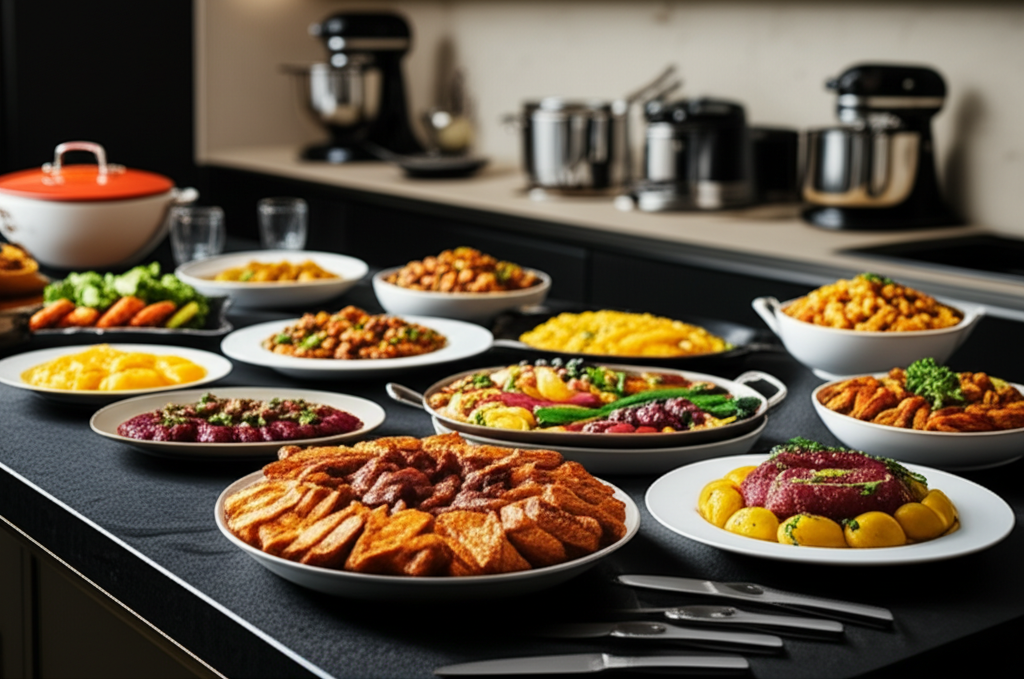
Banquet mega meals refer to the large-scale preparation and serving of food for a significant number of people, typically at events like weddings, corporate functions, or large parties. These meals require meticulous planning, efficient execution, and a deep understanding of logistics to ensure quality and guest satisfaction. Mastering banquet mega meals involves more than just cooking; it’s about orchestrating a seamless culinary experience for a crowd.
These large-scale culinary undertakings are essential for memorable events. They bring people together and create shared experiences around food. Understanding the core principles behind them is key to hosting successful gatherings of any size.
The Pillars of Planning Banquet Mega Meals
Effective planning is the bedrock of any successful banquet mega meal. It involves breaking down the immense task into manageable components, from guest count to menu selection and budget allocation. A well-thought-out plan prevents last-minute crises and ensures a smooth execution on the day of the event.
This initial phase sets the stage for everything that follows. Without a solid plan, even the best chefs can struggle to deliver. It’s about foresight and organization, ensuring every detail is considered before any cooking begins.
Guest Count and Seating Arrangements

Accurately determining your guest count is the first critical step in planning banquet mega meals. This number directly influences food quantities, venue capacity, and overall budget. Working with a caterer or venue manager can help refine this number, considering potential plus-ones or last-minute RSVPs.
Once the guest count is firm, consider seating arrangements. Thoughtful placement ensures a comfortable dining experience for all attendees. This logistical element is as crucial as the menu itself for event flow and guest enjoyment.
Budgeting for Abundance
Establishing a clear budget is paramount when planning banquet mega meals. This involves itemizing all potential costs, including food, beverages, venue, staffing, decorations, and any necessary rentals. Realistic budgeting prevents overspending and ensures you can afford the quality and quantity of food desired.
It’s wise to include a contingency fund for unexpected expenses. This buffer provides peace of mind and flexibility. Working with vendors who offer transparent pricing can also simplify the budgeting process significantly.
Menu Selection: Balancing Variety and Feasibility
Choosing the right menu for banquet mega meals is an art form. It requires balancing diverse tastes and dietary needs with the practicalities of large-scale preparation and service. Aim for a menu that offers appealing options for most guests while remaining logistically sound for your kitchen or caterer.
Consider dishes that hold well, can be prepared in advance, and are easy to serve buffet-style or plated. This strategic selection ensures both culinary delight and operational efficiency. Exploring popular catering menus can offer great inspiration.
Essential Considerations for Food Preparation
The actual preparation of food for a banquet is a complex operation. It demands efficient workflows, proper equipment, and strict adherence to food safety standards. Whether you’re cooking yourself or working with a professional team, understanding these aspects is vital for success.
Scaling recipes up for a large number of guests requires more than just multiplying ingredients. It involves adapting cooking methods and timings to ensure consistent quality and safety across all portions. This is where the “mega” in banquet mega meals truly comes into play.
Sourcing Quality Ingredients
The foundation of any great meal, especially a large one, is the quality of ingredients. For banquet mega meals, sourcing fresh, high-quality produce, meats, and other staples is non-negotiable. Consider partnering with reliable suppliers or local farms for the best results.
Bulk purchasing can offer cost savings, but it’s essential to ensure you have adequate storage and that the ingredients will remain fresh until serving. Prioritizing quality ensures a superior taste experience for all your guests.
Kitchen Workflow and Staffing
A well-organized kitchen workflow is crucial for preparing banquet mega meals efficiently. This involves assigning specific tasks to team members, establishing clear communication channels, and creating a timeline for each stage of preparation. Adequate staffing is also essential to manage the workload effectively.
For very large events, consider hiring professional caterers who have the expertise and infrastructure. They can manage the complex logistics of food preparation and service, allowing you to focus on other aspects of your event. Many catering services can be found through platforms like The Knot or Cvent.
Food Safety and Hygiene Protocols
Maintaining strict food safety and hygiene protocols is paramount when preparing food for large groups. This includes proper handwashing, temperature control for cooked and uncooked foods, preventing cross-contamination, and ensuring clean preparation surfaces and equipment. Adhering to these standards protects your guests’ health and prevents foodborne illnesses.
Understanding local health department regulations is also important, especially if you are preparing food yourself for a public event. Professional caterers are well-versed in these requirements and ensure compliance.
Serving Strategies for Banquet Mega Meals
How food is served significantly impacts the guest experience at banquets. Choosing the right serving style depends on the event’s formality, guest flow, and the type of food being offered. Each method has its own advantages and challenges that need careful consideration.
The serving strategy can dictate the overall pace and atmosphere of your event. It’s about more than just getting food to plates; it’s about creating a dining experience that complements the occasion.
Buffet vs. Plated Service
Buffet service offers guests the flexibility to choose their own dishes and control portion sizes, often leading to a more relaxed atmosphere. However, it can sometimes result in long lines and requires careful management to ensure food remains at optimal temperatures. Plated service, on the other hand, offers a more formal and controlled dining experience, with pre-portioned meals served directly to guests.
Each style has its merits, and the choice often depends on the event’s theme and the host’s preference. For very large events, a well-managed buffet can be more efficient than trying to plate individual meals for hundreds of people simultaneously.
Stationed Food and Interactive Displays
Creative serving styles like food stations or interactive displays can elevate banquet mega meals. These can include carving stations, live pasta bars, or dessert trolleys, offering guests a more engaging and personalized culinary journey. These elements add a dynamic flair and can help distribute guests, reducing congestion.
Interactive stations also provide opportunities for guests to mingle and interact with chefs or servers, adding a unique entertainment value. This approach transforms dining from a passive activity into an active part of the event experience.
Timed Service and Efficient Flow
For plated meals, precise timing is essential to ensure all guests are served promptly and that food remains hot and fresh. This requires coordination between the kitchen and serving staff, with clear communication about when each course should be brought to the tables. An efficient flow prevents delays and keeps the event on schedule.
Managing the pace of service is crucial for guest satisfaction. Guests appreciate being served in a timely manner without feeling rushed. This requires practice and a detailed service plan, especially for larger guest counts.
Managing Leftovers and Waste
A significant challenge with banquet mega meals is managing leftovers and minimizing food waste. Proper planning, accurate portioning, and strategic decision-making can help reduce surplus food. It’s important to have a plan for any food that remains after the event.
Thinking about leftovers before the event can save time and resources. It also ensures that good food doesn’t go to waste, which is both environmentally responsible and economically prudent.
Donation and Repurposing Strategies
Consider donating safe, untouched leftovers to local shelters or food banks. Many organizations are equipped to accept and distribute surplus food to those in need. Alternatively, plan to repurpose some ingredients for future meals or staff consumption if feasible and safe.
Always ensure that any food intended for donation or repurposing is handled according to strict food safety guidelines. This prevents any health risks and maximizes the benefit of the surplus food. Check with local charities about their specific donation requirements.
Safe Storage and Disposal
If food cannot be donated or repurposed, proper storage and disposal are critical. Refrigerate perishable items immediately and dispose of any food that has been sitting out for too long or appears unsafe. Understanding food spoilage timelines is key.
Environmentally conscious disposal methods, such as composting for certain food scraps, can also be explored. Responsible waste management is an integral part of any large-scale food service operation.
Technology’s Role in Modern Banquets
Technology is increasingly playing a vital role in streamlining the planning and execution of banquet mega meals. From sophisticated event management software to specialized catering apps, digital tools are making large-scale food service more efficient and accessible. Leveraging these innovations can significantly reduce stress and improve outcomes.
These technological advancements not only aid in organization but also enhance the guest experience. They offer new ways to manage orders, communicate with vendors, and even personalize guest interactions.
Event Management Software and Apps
Specialized event management software can help track RSVPs, manage seating charts, and coordinate vendor communications for banquet mega meals. Catering apps can simplify menu selection, order placement, and payment processing. These tools centralize information, making complex planning more manageable.
Platforms like Eventbrite or planning tools integrated into venue websites can be invaluable. For a more comprehensive approach, consider dedicated event planning software that offers robust features for managing large-scale catering.
Online Ordering and Delivery Platforms
For less formal gatherings or smaller banquets, online ordering and delivery platforms have become a convenient option. Services like DoorDash or Grubhub can deliver pre-made meals or components from various restaurants, simplifying the process for hosts. Some services even offer catering options for larger groups.
While convenient for smaller-scale banquets, it’s important to vet the reliability and capacity of these services for very large events. Ensure they can handle the volume and maintain food quality during delivery. For ultimate control, exploring dedicated catering delivery services might be more suitable.
Common Pitfalls to Avoid
Despite meticulous planning, several common pitfalls can derail even the best-laid plans for banquet mega meals. Being aware of these potential issues allows for proactive measures to ensure a smoother event. Learning from past experiences, both yours and others’, is invaluable.
Anticipating challenges is a key skill for any event planner or host. By understanding what can go wrong, you can better prepare to prevent it or mitigate its impact.
Underestimating Food Quantities
A frequent mistake is underestimating the amount of food needed, leading to shortages and disappointed guests. It’s often better to have slightly too much food than not enough. Factors like guest appetite, the length of the event, and the number of courses all influence the required quantities.
Always err on the side of caution when calculating food amounts. Consulting with experienced caterers or using reliable online portion calculators can provide a more accurate estimate.
Overlooking Dietary Restrictions
Failing to accommodate guests’ dietary restrictions, such as allergies, vegetarianism, or gluten intolerance, can be a significant oversight. It’s crucial to gather this information during the RSVP process and plan the menu accordingly, ensuring safe and inclusive options are available.
Clearly label buffet items or inform guests about ingredients for plated meals. This attention to detail shows care and ensures all guests can enjoy the banquet safely.
Poor Communication with Vendors
Miscommunication with caterers, venues, or other vendors can lead to errors in food preparation, delivery, or service. Clear, concise, and documented communication is essential throughout the planning process. Confirming details multiple times can prevent misunderstandings.
Establish a primary point of contact for each vendor and schedule regular check-ins. This ensures everyone is on the same page and any issues are addressed promptly.
Making Banquet Mega Meals Irresistible Learning Experiences
Viewing the planning and execution of banquet mega meals as an “irresistible learning experience” shifts the perspective from burden to opportunity. Each event, whether a grand wedding feast or a corporate dinner, offers valuable lessons in logistics, culinary arts, and hospitality. Embracing this mindset fosters continuous improvement and makes future events even more successful.
By actively seeking to learn from every step, you build expertise and confidence. This approach transforms daunting tasks into rewarding challenges, making the entire process more enjoyable and effective.
Practical Application and Skill Development
The most effective way to learn about banquet mega meals is through hands-on practice. Each event provides a real-world classroom for honing skills in menu planning, food preparation, portion control, and service management. Observing guest reactions and gathering feedback further refines your understanding.
Don’t be afraid to experiment with new dishes or serving styles within your comfort zone. This practical application builds a robust skill set that is invaluable for any host or aspiring caterer.
Continuous Improvement Through Feedback
Actively seeking and analyzing feedback after each banquet is crucial for continuous improvement. Whether through informal conversations with guests or formal post-event surveys, understanding what worked well and what could be improved is essential. This feedback loop is the engine of learning.
Use constructive criticism to refine your planning, preparation, and serving strategies for future events. This iterative process ensures that each banquet mega meal becomes a stepping stone to greater success.
Frequently Asked Questions About Banquet Mega Meals
What is the best way to estimate food quantities for a large banquet?
Consult with your caterer, use online portion calculators, and always err on the side of having slightly more food than you think you’ll need. Consider the type of meal (buffet vs. plated) and the duration of the event.
How can I ensure food safety for a large event?
Follow strict hygiene protocols, maintain proper food temperatures, prevent cross-contamination, and work with reputable suppliers and caterers who adhere to health regulations.
What are the pros and cons of buffet versus plated service?
Buffets offer guest choice and a relaxed feel but can cause lines. Plated service is formal and controlled but requires precise timing and can be less flexible for guests.
How do I handle dietary restrictions for a large group?
Gather information during RSVPs, plan inclusive menu options, and clearly label food items or inform guests about ingredients to ensure everyone can dine safely.
What are some cost-saving tips for banquet mega meals?
Consider off-peak dates, choose less expensive but still appealing menu items, opt for buffet over plated service, and compare quotes from multiple caterers.
Conclusion: Mastering the Art of Banquet Mega Meals
Banquet mega meals, while demanding, offer an unparalleled opportunity to create memorable experiences. By approaching them with essential, irresistible learning, you can transform potential stress into a source of culinary accomplishment. From meticulous planning and sourcing quality ingredients to strategic serving and waste management, every step contributes to a successful and satisfying event.
Embrace the process as a journey of continuous improvement, leveraging technology and seeking feedback to refine your skills. With the right knowledge and a willingness to learn, you can confidently orchestrate banquet mega meals that delight guests and leave a lasting positive impression.

Belayet Hossain is a Senior Tech Expert and Certified AI Marketing Strategist. Holding an MSc in CSE (Russia) and over a decade of experience since 2011, he combines traditional systems engineering with modern AI insights. Specializing in Vibe Coding and Intelligent Marketing, Belayet provides forward-thinking analysis on software, digital trends, and SEO, helping readers navigate the rapidly evolving digital landscape. Connect with Belayet Hossain on Facebook, Twitter, Linkedin or read my complete biography.