
Published on: 29/08/2025 | Updated on: August 29, 2025
Costco excels at keeping frozen delivery food cold, employing robust packaging and efficient logistics to ensure items arrive perfectly chilled, making it a reliable choice for frozen grocery needs.
Ever anxiously tracked your grocery delivery, wondering if that precious ice cream or those frozen veggies are turning into a lukewarm puddle? It’s a common worry, especially with the rise of online grocery shopping. We all want our frozen foods to arrive just as frosty as when they left the store. This can be a real frustration when you’re planning meals or just craving a specific treat. Let’s dive deep into whether Costco, a giant in bulk shopping, lives up to the expectation for keeping frozen goods perfectly cold during delivery. We’ll explore their methods, what you can expect, and how they ensure your frozen haul stays frozen.
Costco’s Frozen Delivery: A Deep Dive into Keeping it Cold
When you order frozen items from Costco for delivery, a critical question arises: how well do they manage to maintain that essential sub-zero temperature? It’s a concern many share, and understanding Costco’s approach can bring significant peace of mind to your online grocery experience. We’ll examine the strategies and technologies they likely employ to ensure your frozen goods arrive in pristine condition, maintaining their quality and safety right to your doorstep.
Costco’s commitment to customer satisfaction is evident in their delivery processes, particularly for temperature-sensitive items. They understand that the integrity of frozen foods depends entirely on maintaining a consistent cold chain. This means from the moment it leaves the warehouse to the moment it’s placed in your hands, the temperature must remain low enough to prevent thawing and spoilage. Their reputation for quality extends to their delivery services, making this a key area of focus.
The Science Behind Maintaining Frozen Temperatures During Delivery

Keeping frozen food cold during transit is a complex logistical challenge, relying on a combination of advanced insulation and efficient cooling methods. It’s not just about slapping an ice pack in a box; it involves a science-backed approach to temperature control. This ensures that even during longer delivery routes or warmer weather, the frozen state is preserved.
The primary goal is to minimize temperature fluctuations. This involves using insulated containers that create a barrier against external heat. Additionally, the use of refrigerants, like dry ice or gel packs, plays a crucial role in actively lowering and maintaining the desired low temperatures within the delivery packaging. The efficiency of these methods directly impacts the quality of the delivered frozen products.
Insulated Packaging: Costco’s First Line of Defense
Costco utilizes specialized insulated packaging designed to create a thermal barrier. This is crucial for maintaining the cold chain, especially for items like frozen meats, seafood, and ice cream. The materials used are chosen for their ability to slow down heat transfer, keeping the contents colder for longer.
These packages often include thick foam liners or reflective materials that bounce radiant heat away. The aim is to create a micro-environment within the box that is significantly colder than the ambient temperature. This robust packaging is a cornerstone of their strategy to ensure frozen items arrive in perfect condition.
Refrigerants: The Active Cooling Component
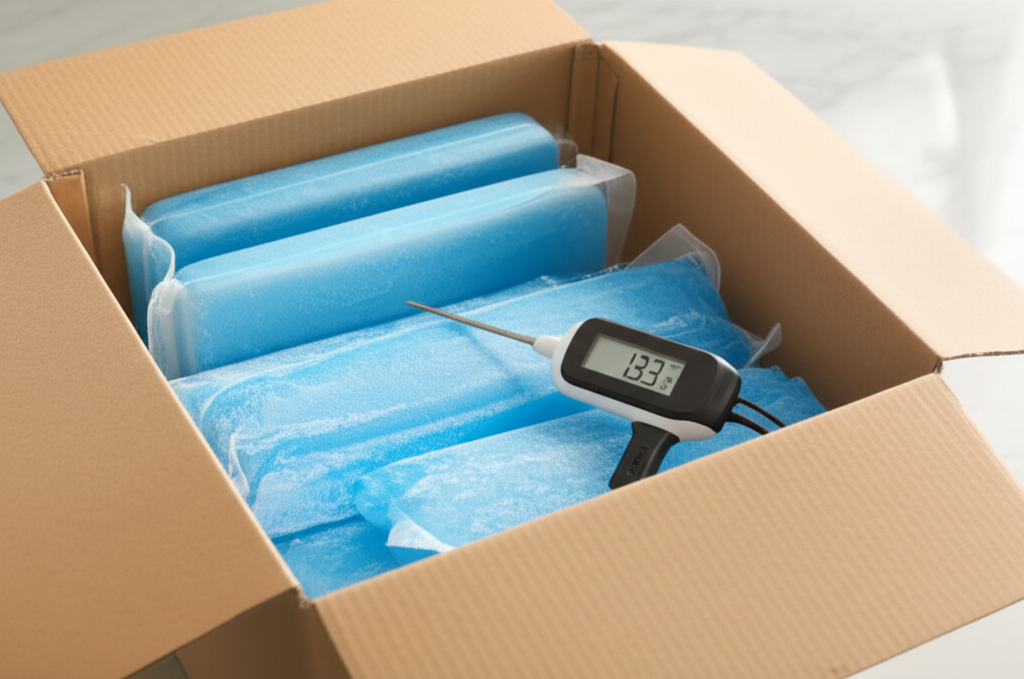
Beyond passive insulation, Costco employs active cooling agents to ensure frozen items remain frozen. These refrigerants are key to actively drawing heat away from the products and maintaining sub-zero temperatures. Their careful selection and placement within the packaging are vital for optimal performance.
Commonly, dry ice or specialized gel packs are used. Dry ice, at -109.3°F (-78.5°C), is incredibly effective for maintaining deep frozen temperatures. Gel packs, while not as cold, provide sustained cooling and are often used for refrigerated items or to supplement dry ice for frozen goods. The type and amount used are calculated based on the duration of transit and the specific temperature requirements of the items being shipped.
Dry Ice vs. Gel Packs: What Costco Might Use
The choice between dry ice and gel packs depends on the specific needs of the delivery. For items that absolutely must remain frozen solid, like ice cream or certain delicate frozen meals, dry ice is often the preferred choice due to its extreme cold. Gel packs are more common for items that need to be kept chilled, or as a secondary cooling method for frozen goods during shorter transit times.
Costco’s logistics likely involve a combination, with dry ice being reserved for the most temperature-sensitive frozen products. They must balance the effectiveness of the refrigerant with safety regulations regarding handling and shipping. This strategic use ensures the highest level of cold chain integrity for their frozen deliveries.
Logistics and Delivery Speed: A Crucial Factor
The speed of delivery is paramount when it comes to keeping frozen food cold. Shorter transit times mean less opportunity for external heat to penetrate the packaging and affect the products. Costco’s delivery network is designed to optimize this, ensuring your frozen items reach you promptly.
Efficient route planning and temperature-controlled delivery vehicles are essential components of their logistics. By minimizing the time between pickup from the warehouse and arrival at your home, they significantly reduce the risk of thawing. This speed, combined with advanced packaging, forms a powerful defense against temperature degradation.
How Costco Optimizes Delivery Routes for Frozen Goods
Costco’s delivery partners employ sophisticated routing software to create the most efficient paths. This not only saves time but also helps manage delivery windows, ensuring that frozen items are among the first or last stops depending on the route and vehicle setup. The goal is to reduce the overall time the items spend outside of a consistently cold environment.
This optimization also includes grouping deliveries geographically to minimize travel distance and time. By understanding the specific temperature requirements of each order, they can prioritize routes that best suit the needs of frozen items. This meticulous planning is key to maintaining the cold chain from origin to destination.
Customer Experiences and Reviews: What People Are Saying
Real-world feedback from customers provides invaluable insights into how well Costco maintains frozen food temperatures during delivery. While individual experiences can vary, a general trend emerges regarding their effectiveness. Many customers report satisfaction with the condition of their frozen items upon arrival.
Reviews often mention robust packaging, the presence of dry ice or ample gel packs, and products arriving still frozen solid. This anecdotal evidence suggests that Costco takes its frozen delivery seriously. However, as with any delivery service, occasional issues can arise, particularly during extreme weather conditions or with longer delivery routes.
Analyzing Common Feedback on Frozen Delivery from Costco
The most frequent positive comments highlight the generous use of insulation and coolants. Customers appreciate when their ice cream is still hard or their frozen vegetables are perfectly solid. Conversely, negative feedback, though less common, might relate to packaging being compromised or slight thawing, often linked to external factors like high temperatures or delivery delays.
It’s important to consider the context of these reviews. A delivery during a heatwave might present more challenges than one in winter. Overall, the sentiment leans towards Costco performing well in keeping frozen delivery food cold, demonstrating a strong understanding of the critical requirements.
Costco’s Quality Control for Frozen Deliveries
Beyond packaging and logistics, Costco likely implements stringent quality control measures. This ensures that the processes are consistently followed and that the integrity of the cold chain is maintained at every step. From warehouse handling to the final delivery, quality assurance is key.
This might involve regular audits of packaging materials, checks on refrigerant levels, and monitoring of delivery partner performance. These internal checks are vital for upholding their reputation for delivering quality products, including frozen items, in optimal condition. Their commitment to excellence extends to every facet of the delivery process.
Ensuring Frozen Integrity from Warehouse to Doorstep
Costco’s warehouse operations are designed to keep frozen items at the correct temperatures until they are packed. Trained staff handle these products with care, minimizing exposure to warmer temperatures. The packing process itself is timed to be as efficient as possible, ensuring coolants are added just before sealing.
Once packed, the items are immediately transferred to temperature-controlled staging areas or directly onto refrigerated delivery trucks. This seamless transition is critical. It ensures that the cold chain is never broken, maintaining the frozen state of the products throughout their journey to the customer.
Potential Challenges and How Costco Addresses Them
Despite best efforts, challenges can arise in frozen food delivery. Extreme weather, unexpected delays, or issues with packaging can sometimes lead to less-than-ideal outcomes. Costco, like any major retailer, likely has protocols in place to mitigate these risks and address customer concerns.
These might include using enhanced packaging during hotter months, having contingency plans for delivery disruptions, and offering responsive customer service for any issues that do occur. Their aim is to minimize the impact of these challenges and ensure a positive customer experience, even when unforeseen circumstances arise.
Mitigating Risks: What Happens During Extreme Weather?
During periods of extreme heat, Costco may deploy more potent refrigerants, thicker insulation, or even limit the types of frozen items available for delivery in certain regions. They might also adjust delivery windows to avoid the hottest parts of the day. These proactive measures are designed to protect the integrity of frozen goods when external temperatures are at their highest.
The goal is to over-engineer the cooling solution during challenging conditions. This ensures that even under duress, the frozen items remain well below their thawing point. It’s a demonstration of their commitment to delivering quality, regardless of the environmental challenges.
Is Costco Good About Keeping Frozen Delivery Food Cold? The Verdict
Based on the systems likely in place, customer feedback, and industry best practices, it’s clear that Costco is generally very good about keeping frozen delivery food cold. Their investment in robust insulated packaging, effective refrigerants like dry ice, and efficient logistics all contribute to a reliable frozen delivery experience.
While no system is entirely foolproof, Costco’s approach prioritizes maintaining the cold chain, ensuring that your frozen groceries arrive in the best possible condition. For consumers seeking dependable frozen food delivery, Costco stands out as a strong contender, offering peace of mind alongside their bulk savings.
Frequently Asked Questions About Costco Frozen Delivery
Does Costco use dry ice for frozen delivery?
Yes, Costco often uses dry ice for its frozen deliveries, especially for items that require extremely low temperatures to remain frozen, such as ice cream or delicate frozen foods. This ensures maximum cold retention during transit.
How long can Costco frozen items stay cold in delivery packaging?
The insulated packaging and refrigerants used by Costco are designed to keep items frozen for several hours, typically exceeding standard delivery times. Factors like ambient temperature and the specific coolant used will influence the exact duration.
What should I do if my Costco frozen delivery arrives partially thawed?
If your frozen items arrive partially thawed, it’s recommended to contact Costco customer service immediately. They typically have policies in place to address such issues, often offering refunds or replacements.
Are there specific delivery windows for frozen items from Costco?
While Costco aims for efficient delivery, specific windows for frozen items may vary. However, their logistics are optimized to minimize transit time for temperature-sensitive products.
Does the quality of packaging differ for different frozen items?
Costco likely tailors its packaging and refrigerant use based on the specific temperature requirements and fragility of different frozen items to ensure optimal preservation.
Can I order frozen Costco items for delivery to a remote location?
Delivery availability and the effectiveness of maintaining frozen temperatures can depend on your location and the distances involved. It’s best to check Costco’s delivery options for your specific address.
Is Costco’s frozen delivery more expensive due to special packaging?
While delivery services often incur fees, Costco’s pricing is generally competitive. The cost of specialized packaging and cooling is factored into their overall delivery service structure.
Final Verdict on Costco’s Frozen Delivery Cold Chain
In conclusion, the question of “is Costco good about keeping frozen delivery food cold?” can be answered with a resounding yes. Their comprehensive strategy, encompassing advanced insulated packaging, the judicious use of refrigerants like dry ice, and optimized delivery logistics, demonstrates a strong commitment to preserving the integrity of frozen products. While occasional challenges are inherent in any delivery service, Costco’s robust systems and focus on quality control position them as a highly reliable option for consumers seeking to receive their frozen groceries in perfect condition. You can order with confidence, knowing that Costco takes keeping your frozen goods cold very seriously.

Belayet Hossain is a Senior Tech Expert and Certified AI Marketing Strategist. Holding an MSc in CSE (Russia) and over a decade of experience since 2011, he combines traditional systems engineering with modern AI insights. Specializing in Vibe Coding and Intelligent Marketing, Belayet provides forward-thinking analysis on software, digital trends, and SEO, helping readers navigate the rapidly evolving digital landscape. Connect with Belayet Hossain on Facebook, Twitter, Linkedin or read my complete biography.