
Published on: 21/09/2025 | Updated on: September 21, 2025
10 Types of Cereals: Essential & Irresistible Breakfasts for Every Craving
Discover the top 10 types of cereals that make breakfast easy and delicious, from classic flakes to hearty grains, perfect for busy mornings and satisfying every taste.
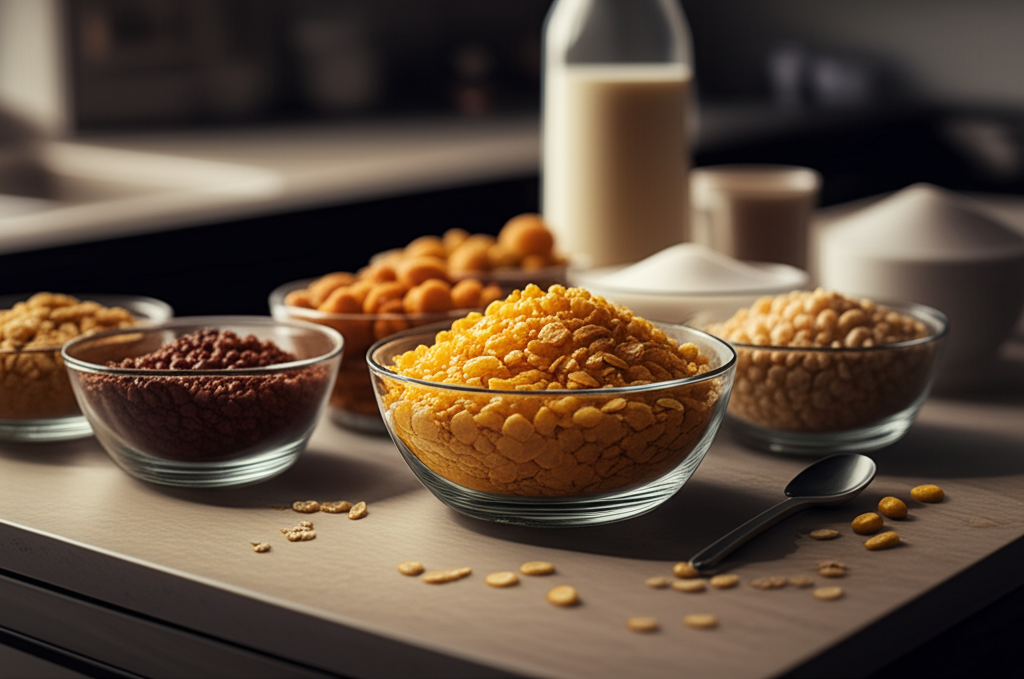
Breakfast is often called the most important meal of the day, and for good reason. It fuels our bodies and minds for the challenges ahead. Yet, with so many options, choosing the right cereal can feel overwhelming. Many of us fall into the trap of repetitive choices or opt for less nutritious, sugary options out of convenience. This guide will simplify your breakfast routine by exploring 10 essential and irresistible types of cereals, helping you find your perfect morning staple. Get ready to transform your breakfast from mundane to magnificent!
Why Cereal Remains a Breakfast Champion
Cereal has earned its place as a breakfast staple for countless households. Its convenience is undeniable; just pour, add milk, and enjoy. Beyond speed, many cereals offer valuable nutrients, acting as a fantastic source of fiber, vitamins, and minerals. They are also incredibly versatile, serving as a blank canvas for fruits, nuts, and other delicious additions. Understanding the diverse landscape of cereals can unlock a world of satisfying and nourishing morning meals.
The Classic Corn Flake: A Timeless Favorite
Corn flakes are perhaps the most iconic cereal globally, a testament to their enduring appeal. Their simple, crisp texture and mild corn flavor make them a universally liked option. They provide a light and airy start to the day, often fortified with essential vitamins and iron.
Nutritional Profile and Versatility

While seemingly basic, many corn flake brands are enriched, offering a good source of carbohydrates for energy. Their subtle taste allows them to pair wonderfully with fresh fruit, honey, or even a sprinkle of cinnamon. This adaptability makes them a consistent choice for families seeking a straightforward yet customizable breakfast.
Oatmeal: The Hearty and Wholesome Powerhouse
Oatmeal, whether rolled oats, steel-cut, or instant, is a champion of whole grains. It’s renowned for its soluble fiber content, particularly beta-glucan, which is excellent for heart health. The slow-release energy from oats keeps you feeling full and satisfied for longer.
Types of Oats and Preparation
Steel-Cut Oats: These are the least processed, offering a chewy texture and a nutty flavor. They require longer cooking times but provide sustained energy.
Rolled Oats (Old-Fashioned): Versatile and quick to cook, these offer a good balance of texture and cooking speed.
Instant Oats: Pre-cooked and rolled thinner, they are the fastest option but can sometimes have a softer texture and added sugars.
Preparing oatmeal is simple, often involving simmering with water or milk. You can then customize it with nuts, seeds, berries, or a touch of maple syrup for a truly personalized experience.
Granola: Crunchy Clusters of Goodness
Granola is a delightful mix of rolled oats, nuts, seeds, and sweeteners, baked into crunchy clusters. It’s often seen as a more indulgent cereal option due to its texture and often higher calorie count. However, when chosen wisely, it can be a very nutritious breakfast.
Decoding Granola Labels
When selecting granola, pay close attention to sugar content and added oils. Opt for varieties with whole ingredients and minimal added sugars. Many granolas are also available without added sweeteners, allowing you to control the sweetness yourself.
Granola is fantastic with yogurt, fresh fruit, or even as a topping for smoothies. Its satisfying crunch adds a textural contrast that many find irresistible.
Wheat Biscuits: Dense, Fibre-Rich Choices
Wheat biscuits, often in the form of shredded or woven wheat, are a fantastic source of fiber. They are typically made from 100% whole wheat, offering a substantial and filling breakfast. Their dense texture means a small serving can be quite satisfying.
Benefits of High-Fiber Cereals
A diet rich in fiber aids digestion, helps regulate blood sugar levels, and can contribute to weight management by promoting satiety. Wheat biscuits are an excellent way to incorporate more of this vital nutrient into your morning meal. They also provide essential minerals like iron and B vitamins.
Puffed Rice: Light, Airy, and Refreshing
Puffed rice cereals are known for their incredibly light and airy texture. Made by heating rice kernels until they puff up, they offer a delicate crunch. While often lower in fiber, they are a good source of carbohydrates for quick energy.
A Blank Canvas for Flavors
Puffed rice cereals are a popular choice for those who prefer a less dense breakfast. They absorb milk quickly, offering a melt-in-your-mouth experience. Their mild flavor makes them ideal for adding fresh fruit or a drizzle of honey to enhance their taste.
Muesli: The Customizable Swiss Classic
Muesli, originating from Switzerland, is a delightful blend of raw rolled oats, nuts, seeds, and dried fruits. Unlike granola, muesli is typically not baked, meaning it retains more of its raw nutrients. It offers a wonderful textural variety and a natural sweetness from the dried fruits.
Serving Suggestions for Muesli
Muesli can be enjoyed in several ways. The traditional method is to soak it overnight in milk or yogurt, allowing the ingredients to soften. Alternatively, you can eat it raw with cold milk or yogurt, similar to other cereals, enjoying its satisfying crunch.
This cereal is a fantastic way to get a diverse range of nutrients, including fiber, protein, healthy fats, and natural sugars.
Bran Flakes: A Fiber Powerhouse
Bran flakes are specifically designed to be high in fiber, primarily derived from wheat bran. They offer a satisfyingly chewy texture and a slightly nutty flavor. This cereal is a go-to for individuals looking to boost their daily fiber intake significantly.
Digestive Health and Satiety
The high fiber content in bran flakes is excellent for promoting regular digestion and preventing constipation. It also contributes to a feeling of fullness, which can help manage appetite throughout the morning. Many bran flake varieties are also fortified with essential vitamins and minerals.
Multi-Grain Cereals: A Symphony of Grains
Multi-grain cereals combine several types of grains, such as wheat, corn, oats, barley, and rice. This blend offers a broader spectrum of nutrients and a more complex flavor profile than single-grain options. They provide a balanced mix of carbohydrates, fiber, and other beneficial compounds.
Exploring Different Grain Combinations
The beauty of multi-grain cereals lies in their variety. Some might focus on whole grains for maximum fiber, while others might incorporate a mix for diverse textures and tastes. Always check the ingredient list to understand the specific grains and their proportion in the mix.
These cereals offer sustained energy release and can be a cornerstone of a healthy breakfast.
Specialty & Diet-Specific Cereals
The world of cereals extends beyond the classics to cater to specific dietary needs and preferences. This includes gluten-free options made from corn, rice, or quinoa, as well as low-sugar cereals for those managing their sugar intake.
Navigating Gluten-Free and Low-Sugar Options
For those with celiac disease or gluten sensitivity, gluten-free cereals are a lifesaver. Look for certifications on the packaging to ensure they are safe. Similarly, individuals monitoring sugar intake should opt for cereals with minimal added sugars, often relying on natural sweetness from fruits or unsweetened varieties.
These specialized cereals ensure that everyone can enjoy a convenient and nutritious breakfast.
The Nutritional Showdown: Cereals at a Glance
To help you make an informed choice, here’s a quick comparison of some popular cereal types based on key nutritional aspects. Remember that specific brands and serving sizes will vary.
| Cereal Type | Primary Grains | Typical Fiber Content (per serving) | Typical Sugar Content (per serving) | Key Benefits |
| :————— | :—————– | :———————————- | :———————————- | :————————————————- |
| Corn Flakes | Corn | Low | Moderate | Quick energy, easily digestible |
| Oatmeal | Oats | High | Low (unsweetened) | Heart health, sustained energy, high satiety |
| Granola | Oats, nuts, seeds | Moderate to High | Variable (often high) | Energy, healthy fats, satisfying crunch |
| Wheat Biscuits | Whole Wheat | Very High | Low | Digestive health, sustained energy, high satiety |
| Puffed Rice | Rice | Low | Low | Light, quick energy |
| Muesli | Oats, nuts, seeds, dried fruit | High | Natural (from fruit) & Variable | Nutrient diversity, fiber, natural sweetness |
| Bran Flakes | Wheat Bran | Very High | Low to Moderate | Digestive health, high satiety |
| Multi-Grain | Various Grains | Moderate to High | Variable | Nutrient diversity, sustained energy |
| Specialty (GF) | Corn, Rice, Quinoa | Variable | Variable | Suitable for specific dietary needs |
| Specialty (Low-Sugar) | Various Grains | Variable | Very Low | Controlled sugar intake, suitable for health goals |
Note: Nutritional values are approximate and can vary significantly by brand and specific product formulation. Always check the nutrition label.
Tips for Choosing Your Perfect Cereal
Selecting the ideal cereal involves considering your personal health goals, taste preferences, and lifestyle. Here are some practical tips to guide your decision-making process.
1. Read the Nutrition Label: Pay close attention to fiber content (aim for at least 3g per serving), sugar content (ideally under 6g per serving), and whole grain ingredients.
2. Prioritize Whole Grains: Look for cereals where the first ingredient is a whole grain like oats, wheat, or barley.
3. Watch for Added Sugars: Many cereals are loaded with added sugars. Opt for unsweetened varieties or those with natural sweetness from fruit.
4. Consider Your Dietary Needs: If you’re managing gluten, diabetes, or seeking higher protein, choose cereals specifically designed for those needs.
5. Think About Texture and Flavor: Do you prefer crunchy, chewy, sweet, or plain? Your preference will significantly impact your enjoyment.
Making informed choices about your cereal can significantly contribute to a healthier and more satisfying start to your day.
Beyond the Bowl: Making Cereal Work for You
Cereal isn’t just for breakfast anymore. Its versatility allows it to be incorporated into snacks and even desserts. Think of cereal bars, homemade trail mixes, or even as a crunchy topping for baked goods.
Creative Cereal Uses
Cereal Bars: Combine cereal with honey, nut butter, and dried fruit for no-bake energy bars.
Trail Mix: Mix your favorite crunchy cereals with nuts, seeds, and dried fruit for a portable snack.
Dessert Topping: Crushed cereals can add a delightful crunch to ice cream, yogurt parfaits, or fruit crumbles.
These creative applications highlight how adaptable and useful various types of cereals can be beyond the traditional breakfast bowl.
Frequently Asked Questions About Cereals
What is the healthiest type of cereal?
Generally, cereals high in fiber and low in added sugar, such as oatmeal, plain muesli, or whole-wheat biscuits, are considered the healthiest. They provide sustained energy and support digestive health.
Are all cereals high in sugar?
No, not all cereals are high in sugar. While many popular options contain significant added sugars, there are plenty of naturally sweetened or unsweetened varieties available, especially those focused on whole grains.
Can I eat cereal if I’m trying to lose weight?
Yes, you can. Opt for high-fiber, low-sugar cereals like oatmeal or bran flakes, which promote satiety. Portion control and adding healthy toppings like berries or nuts are also key.
What’s the difference between muesli and granola?
Muesli is typically a raw mixture of oats, nuts, seeds, and dried fruits, often soaked or eaten with milk. Granola is baked with sweeteners and oils, forming crunchy clusters.
Is cereal a good source of vitamins and minerals?
Many cereals are fortified with essential vitamins and minerals like iron, B vitamins, and vitamin D, making them a good source of these nutrients. Always check the nutrition label for fortification details.
How can I make cereal healthier?
Enhance your cereal by adding fresh fruits, nuts, seeds, or a sprinkle of cinnamon. Choose unsweetened varieties and be mindful of portion sizes.
Conclusion: Your Perfect Cereal Awaits
Navigating the vast world of 10 types of cereals can seem daunting, but with a little knowledge, you can easily find your perfect breakfast match. From the classic crunch of corn flakes to the wholesome power of oatmeal and the diverse textures of muesli, there’s a cereal to suit every palate and lifestyle. By prioritizing whole grains, checking sugar content, and considering your personal health goals, you can transform your morning meal into a delicious, nutritious, and energizing start to your day. So, step out of your breakfast rut and explore the essential and irresistible options waiting for you – your ideal bowl is just a choice away!

Belayet Hossain is a Senior Tech Expert and Certified AI Marketing Strategist. Holding an MSc in CSE (Russia) and over a decade of experience since 2011, he combines traditional systems engineering with modern AI insights. Specializing in Vibe Coding and Intelligent Marketing, Belayet provides forward-thinking analysis on software, digital trends, and SEO, helping readers navigate the rapidly evolving digital landscape. Connect with Belayet Hossain on Facebook, Twitter, Linkedin or read my complete biography.