
Published on: 21/09/2025 | Updated on: September 21, 2025
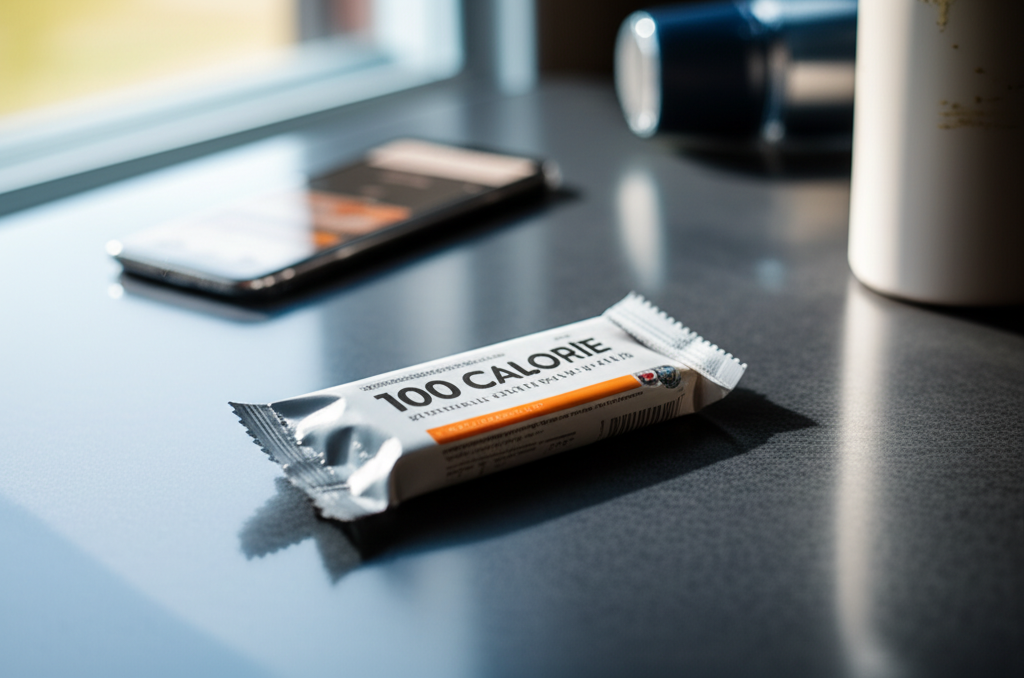
100 calorie protein bars are your secret weapon for guilt-free snacking, offering a delicious and convenient way to fuel your day without derailing your health goals. Discover the best options and why they’re a must-have for busy lifestyles.
Navigating the world of snacks can feel like a minefield, especially when you’re trying to balance deliciousness with health. You want something satisfying, something quick, and something that won’t undo all your hard work at the gym or your commitment to eating better. It’s a common struggle, and I’ve been there too, sifting through endless options, wondering which snack truly delivers. But what if I told you there’s a category of snacks that perfectly hits that sweet spot? Get ready to discover the magic of 100 calorie protein bars – your new go-to for smart, satisfying, and seriously tasty fuel.
Why 100 Calorie Protein Bars Are a Smart Snacking Choice
These convenient bars are engineered to provide a substantial protein boost within a controlled calorie count, making them ideal for managing energy levels and supporting fitness goals without overconsumption. They offer a perfect solution for those moments when hunger strikes between meals or after a workout, providing sustained energy and satiety.
The Power of Protein for Satiety and Muscle Support

Protein is a cornerstone of any balanced diet, playing a vital role in building and repairing tissues, and critically, in keeping you feeling full. When you consume protein, it signals to your brain that you’re satisfied, helping to curb cravings and prevent overeating. This is particularly important when managing calorie intake.
For those actively pursuing fitness goals, adequate protein intake is non-negotiable. It aids in muscle recovery post-exercise and supports lean muscle growth, which can, in turn, boost your metabolism. Choosing snacks that are rich in protein, like 100 calorie protein bars, directly contributes to these physiological benefits.
Calorie Control Made Easy and Delicious
The “100 calorie” aspect of these bars is their standout feature for many. In a world often obsessed with calorie counting, these bars simplify the process immensely. They offer a pre-portioned, predictable snack that fits neatly into daily calorie targets without requiring complex calculations or guesswork.
This makes them incredibly useful for individuals managing their weight, athletes needing precise fuel, or anyone simply looking to make healthier, more conscious snack choices. The convenience factor cannot be overstated; they are grab-and-go solutions that eliminate the temptation of less healthy, higher-calorie alternatives.
Convenience for the Modern, Busy Lifestyle
Let’s face it, life is hectic. Between work, family, social commitments, and personal pursuits, finding time to prepare healthy snacks can feel like an Olympic sport. This is where 100 calorie protein bars truly shine as essential companions for the modern individual.
They require no preparation whatsoever – just unwrap and enjoy. This makes them perfect for stashing in your gym bag, desk drawer, car, or purse for those unexpected hunger pangs. Their portability and shelf-stability mean you always have a healthy option readily available, no matter where your day takes you.
Decoding the “100 Calorie” Promise: What to Expect
When a bar proudly states “100 calories,” it’s a clear indicator of its intended purpose: a controlled, low-calorie snack option. However, understanding what’s inside that small package is key to making informed choices that align with your nutritional needs.
Macronutrient Breakdown: More Than Just Calories
While the calorie count is a crucial metric, it’s equally important to look at the macronutrient profile. A good 100 calorie protein bar will prioritize protein, typically offering anywhere from 8 to 15 grams per serving. This significant protein content is what provides the satiety and muscle-supporting benefits.
Carbohydrates and fats are also present, but in carefully managed amounts to keep the overall calorie count low. You’ll often find a balance of complex carbohydrates for sustained energy and healthy fats for flavor and nutrient absorption. Always check the label to ensure the macronutrient distribution aligns with your dietary goals.
Sugar Content: The Hidden Culprit
One area where 100 calorie protein bars can sometimes fall short is in their sugar content. To make them palatable and appealing, manufacturers may add sweeteners, both natural and artificial. Excessive sugar intake, even from seemingly healthy snacks, can lead to energy crashes and contribute to unwanted weight gain.
When selecting your bars, look for options that are lower in added sugars. Many brands now offer “sugar-free” or “low-sugar” varieties, often using sugar alcohols or natural zero-calorie sweeteners like stevia or monk fruit. Reading the ingredient list for sugar and its derivatives is a smart move.
Fiber: The Unsung Hero of Satiety
Dietary fiber is another critical component that enhances the satiety factor of any snack. Fiber helps slow down digestion, leading to a more gradual release of energy and keeping you feeling fuller for longer. It also plays a vital role in digestive health.
Many 100 calorie protein bars are fortified with fiber, often from sources like soluble corn fiber, chicory root fiber, or oat fiber. Aim for bars that provide at least 3-5 grams of fiber per serving. This will amplify the satiating effects and contribute to a more balanced nutritional profile.
Top 100 Calorie Protein Bars: A Curated Selection
Finding the perfect 100 calorie protein bar can be an adventure, with new brands and flavors emerging constantly. I’ve tried my fair share, and based on taste, ingredient quality, and nutritional value, here are a few that consistently stand out.
Irresistible Flavors and Textures
The best bars don’t just meet your nutritional needs; they also delight your taste buds. From rich chocolate and decadent peanut butter to refreshing fruit flavors, the variety available is astounding. Texture also plays a key role, whether you prefer a chewy, crunchy, or soft-baked experience.
Many brands excel at replicating popular dessert flavors in a healthier format. This makes sticking to your calorie goals feel less like a sacrifice and more like a treat. I often find myself reaching for a chocolate brownie or a berry blast bar when I need a little pick-me-up.
Nutritional Powerhouses in Miniature Form
Beyond the taste, the nutritional density of these bars is impressive. They pack a punch of protein, often with added vitamins and minerals, making them more than just empty calories. They are designed to be a functional food, supporting your body’s needs efficiently.
Consider bars that offer a good balance of protein and fiber, with minimal added sugars and healthy fats. This thoughtful composition ensures you’re getting sustained energy and genuine nutritional benefits, not just a fleeting sugar rush.
Navigating the Nutritional Labels: A Pro’s Guide
As someone who has spent years analyzing food products for their delivery and convenience, I’ve learned to read labels like a second language. For 100 calorie protein bars, a few key elements deserve your attention to ensure you’re making the best choice for your body and your goals.
Key Metrics to Focus On
Calories: The headline figure, confirming it meets the 100-calorie mark.
Protein: Aim for at least 8 grams, ideally higher, for maximum satiety.
Sugar: Look for low added sugars, ideally under 5 grams.
Fiber: Seek out bars with 3 grams or more for enhanced fullness.
Fat: Prioritize healthy fats, and be mindful of saturated fat content.
Understanding Ingredient Lists
The ingredient list is your window into what you’re actually consuming. Shorter lists with recognizable, whole-food ingredients are generally preferable. Be wary of long lists filled with artificial flavors, colors, and preservatives.
Pay close attention to the types of sweeteners used. Natural sweeteners like stevia, monk fruit, or erythritol are often better choices than high-fructose corn syrup or excessive amounts of cane sugar.
Allergen Information: A Crucial Check
For many, allergies and dietary restrictions are a significant concern. Always check the allergen information on the packaging. Many protein bars are produced in facilities that also process nuts, dairy, soy, and gluten, which can be a serious risk for those with sensitivities.
Brands often offer specific lines that are gluten-free, dairy-free, or vegan, catering to a wider range of dietary needs. If you have a severe allergy, it’s always best to contact the manufacturer directly to confirm their cross-contamination protocols.
When to Reach for a 100 Calorie Protein Bar
The versatility of these compact snacks means they can fit into various parts of your day, serving different purposes depending on your needs and schedule. Understanding these moments can help you leverage their benefits more effectively.
Pre- or Post-Workout Fuel
After a strenuous workout, your muscles need protein for repair and recovery. A 100 calorie protein bar can provide a quick and convenient dose of protein without overloading you with carbs or calories, making it an ideal recovery snack.
Before a workout, especially if it’s been a while since your last meal, a protein bar can offer a bit of sustained energy. It’s usually better to opt for something with a bit more carbohydrate for immediate fuel, but a protein bar can bridge the gap if needed.
Mid-Day Energy Boost
The dreaded afternoon slump is a common phenomenon. When your energy levels dip and cravings for something sweet or savory kick in, a 100 calorie protein bar can be a lifesaver. It provides a satisfying energy boost without the sugar crash associated with many other snacks.
This can help you power through the rest of your workday or maintain focus during study sessions. It’s a much healthier alternative to reaching for a candy bar or a sugary beverage.
A Smart Alternative to Dessert
Craving something sweet after dinner but trying to stick to your calorie goals? A 100 calorie protein bar can often satisfy that sweet tooth without the guilt. Many are designed to taste like decadent desserts, offering a fulfilling end to your meal.
By choosing a bar that aligns with your taste preferences, you can enjoy a treat that also contributes positively to your protein intake and keeps your calorie count in check. It’s a clever way to indulge responsibly.
Comparing Popular 100 Calorie Protein Bar Brands
The market for 100 calorie protein bars is competitive, with numerous brands vying for your attention. While personal preference plays a significant role, understanding the general strengths and weaknesses of some popular options can guide your selection.
| Brand Name | Typical Calories | Typical Protein (g) | Typical Fiber (g) | Key Strengths | Potential Downsides |
| :——————- | :————— | :—————— | :—————- | :—————————————— | :———————————————— |
| Quest Nutrition | 170-200 | 20-21 | 13-17 | High protein, high fiber, low net carbs | Can be chewy, some find texture off-putting |
| OhYeah! ONE Bar | 200-230 | 20 | 6-10 | Great taste, satisfying texture, good protein | Higher in calories than strictly 100 calorie bars |
| FitJoy | 190-210 | 20 | 6-9 | Clean ingredients, good flavor profiles | Calories might be higher than strictly 100 |
| Aloha Organic | 200-220 | 14 | 14 | Plant-based, organic, clean ingredients | Protein content is moderate for the calorie count |
| Pure Protein | 180-200 | 20 | 3-5 | Widely available, budget-friendly, high protein | Can be chalky, higher sugar content in some flavors |
Note: While brands like Quest, OhYeah!, FitJoy, and Aloha offer excellent protein bars, their standard bars often exceed the 100-calorie mark. These are included to show popular protein bar options, but for strict 100-calorie needs, you’d look for specific “mini” or “snack” versions from these or other brands.*
It’s important to note that the “100 calorie” aspect often refers to specific smaller bars or “mini” versions offered by some brands, or carefully selected flavors within a brand’s line. Always check the individual product packaging.
The Rise of Plant-Based Options
For those following a vegan or vegetarian diet, the availability of plant-based 100 calorie protein bars has exploded. These bars utilize proteins derived from sources like pea, rice, soy, or a blend of seeds and nuts.
They offer a fantastic way for individuals with plant-centric diets to meet their protein needs conveniently. Brands like Aloha and Orgain are leading the charge in creating delicious and satisfying vegan protein bars.
Innovation in Sweeteners and Flavors
The quest for healthier, low-calorie sweeteners has driven innovation in the protein bar industry. Many brands now use natural alternatives like stevia, monk fruit, or erythritol to sweeten their bars without significantly impacting the calorie count or causing sugar spikes.
This has opened the door for a wider array of flavors, including those that mimic indulgent desserts, making it easier to find a 100 calorie protein bar that truly satisfies your cravings.
The Role of 100 Calorie Protein Bars in a Balanced Diet
These bars are not meant to be a complete meal replacement but rather a strategic tool to supplement your nutritional intake and manage hunger effectively. When integrated thoughtfully, they can significantly contribute to achieving your health and fitness objectives.
Supplementing Protein Intake
For individuals who struggle to consume enough protein through whole foods alone, 100 calorie protein bars can be an excellent supplement. They provide a concentrated source of protein in a convenient format, helping you reach your daily protein targets without adding excessive calories.
This is especially beneficial for athletes, older adults who may experience muscle loss, or those recovering from illness or surgery. Consistent protein intake is crucial for bodily functions, and these bars make it more accessible.
Managing Hunger Between Meals
One of the primary benefits of protein is its ability to promote satiety. A 100 calorie protein bar can effectively bridge the gap between meals, preventing you from becoming overly hungry and making less healthy choices when mealtime finally arrives.
By stabilizing blood sugar levels and providing a feeling of fullness, these bars help maintain consistent energy and prevent the urge to overeat. This mindful snacking approach is a cornerstone of successful weight management.
Supporting Fitness Goals
Whether you’re aiming to build muscle, lose fat, or simply maintain a healthy body composition, protein plays a crucial role. 100 calorie protein bars offer a convenient way to fuel your workouts and support muscle recovery, making them a valuable addition to an active lifestyle.
They ensure your body has the necessary building blocks to repair and grow muscle tissue, and their controlled calorie count helps prevent unwanted fat gain.
Potential Pitfalls and How to Avoid Them
While 100 calorie protein bars offer numerous advantages, it’s important to be aware of potential drawbacks and how to navigate them to ensure you’re truly benefiting from these snacks.
Over-Reliance and Misconceptions
A common pitfall is viewing these bars as a “free pass” or a substitute for balanced meals. While convenient, they are processed foods and should complement, not replace, nutrient-dense whole foods like fruits, vegetables, and lean proteins.
It’s crucial to remember that “100 calories” is a small portion of a daily intake. Consuming too many of them, even if individually low in calories, can lead to exceeding your calorie goals and neglecting essential micronutrients found in whole foods.
Hidden Sugars and Artificial Ingredients
As mentioned earlier, some bars can be surprisingly high in added sugars or contain artificial sweeteners and ingredients that some individuals prefer to avoid. Always scrutinize the ingredient list and nutritional panel.
Look for bars with minimal, recognizable ingredients and natural sweeteners. If you have sensitivities to artificial sweeteners or sugar alcohols, seek out brands that explicitly state they use none.
Not a Meal Replacement
It bears repeating: these bars are snacks. They lack the complex nutritional profile of a balanced meal, which typically includes a variety of macronutrients, vitamins, minerals, and fiber from diverse food sources.
Consuming them as your primary source of nutrition would lead to deficiencies and an unbalanced diet. Think of them as a targeted tool for specific needs, not a comprehensive dietary solution.
The Future of 100 Calorie Protein Bars
The protein bar industry is constantly evolving, driven by consumer demand for healthier, more natural, and increasingly specialized products. We can expect to see continued innovation in this space, making 100 calorie protein bars even more appealing and effective.
Advancements in Ingredient Technology
Expect to see further development in plant-based protein sources, cleaner ingredient formulations, and more sophisticated natural sweeteners. This will lead to bars that are not only healthier but also offer improved taste and texture profiles.
Innovations in fiber sources and the inclusion of functional ingredients like probiotics or adaptogens may also become more common, offering added health benefits beyond basic protein and calorie management.
Personalization and Customization
As technology advances, the possibility of personalized protein bars becomes more tangible. Imagine bars tailored to your specific macro needs, dietary restrictions, or even taste preferences, ordered through an app and delivered right to your door.
This level of customization could revolutionize how we approach snacking, ensuring every bar perfectly fits individual health goals and lifestyle requirements.
Frequently Asked Questions About 100 Calorie Protein Bars
What exactly is a 100 calorie protein bar?
A 100 calorie protein bar is a snack-sized bar designed to provide a significant amount of protein while keeping the total calorie count at approximately 100. They are ideal for controlled snacking and supporting fitness goals without excess calories.
Are 100 calorie protein bars healthy?
They can be a healthy choice when selected carefully. Look for bars with high protein, good fiber content, and low added sugars. They are a convenient way to get nutrients but should complement a diet rich in whole foods.
Can I eat 100 calorie protein bars every day?
Yes, you can incorporate them into your daily diet as a snack. However, it’s important to ensure they fit within your overall daily calorie and nutrient intake goals and don’t replace nutrient-dense whole foods.
What is the best time to eat a 100 calorie protein bar?
They are excellent for a mid-day energy boost, pre- or post-workout fuel, or as a healthy dessert alternative. Their timing depends on when you need a convenient source of protein and satiety.
How do I choose the best 100 calorie protein bar for me?
Read the nutrition labels carefully, focusing on protein content, sugar levels, and fiber. Consider your taste preferences and any dietary restrictions (e.g., gluten-free, vegan).
Do 100 calorie protein bars help with weight loss?
They can support weight loss by helping you feel full, reducing overall calorie intake, and satisfying cravings with a lower-calorie option. However, weight loss ultimately depends on a consistent calorie deficit.
Conclusion: Your Go-To Snack for Smart Fueling
In the quest for convenient, healthy snacking, 100 calorie protein bars have carved out an essential niche. They offer a perfectly portioned solution for managing hunger, supporting fitness goals, and satisfying cravings without derailing your dietary plans. By understanding what to look for on the nutrition label—prioritizing protein and fiber while minimizing added sugars—you can confidently select bars that are both delicious and beneficial. Whether you need a quick energy boost between meetings, a post-workout recovery aid, or a guilt-free sweet treat, these little powerhouses are an irresistible addition to any healthy lifestyle. Make 100 calorie protein bars your secret weapon for smart, satisfying, and essential snacking on the go.

Belayet Hossain is a Senior Tech Expert and Certified AI Marketing Strategist. Holding an MSc in CSE (Russia) and over a decade of experience since 2011, he combines traditional systems engineering with modern AI insights. Specializing in Vibe Coding and Intelligent Marketing, Belayet provides forward-thinking analysis on software, digital trends, and SEO, helping readers navigate the rapidly evolving digital landscape. Connect with Belayet Hossain on Facebook, Twitter, Linkedin or read my complete biography.