
Published on: 21/09/2025 | Updated on: September 21, 2025
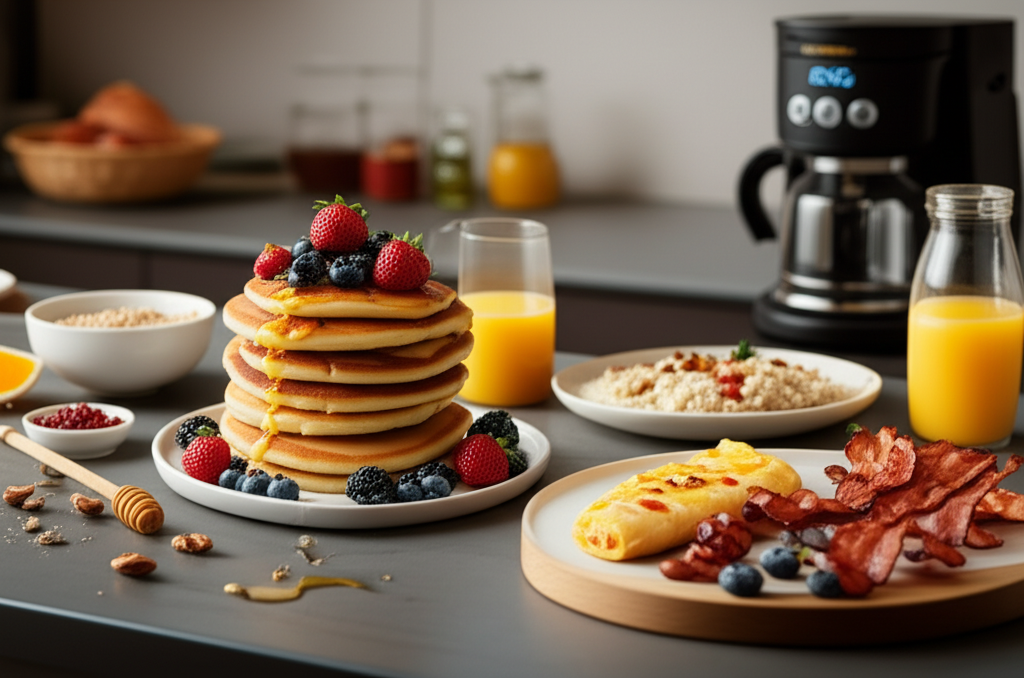
Fuel your day with a powerful 1000 calorie breakfast designed for sustained energy, keeping you full and focused for hours. Discover delicious and convenient options perfect for busy lifestyles.
Starting your day with a substantial meal isn’t just about satisfying hunger; it’s about setting yourself up for peak performance. Many of us grab a quick bite or skip breakfast entirely, leading to mid-morning slumps and cravings. This can be particularly frustrating when you need sustained energy for a demanding workday, intense training, or a packed schedule. If you’re searching for a truly energizing start, a 1000 calorie breakfast might be exactly what you need.
Why Consider a 1000 Calorie Breakfast?
A 1000 calorie breakfast is a significant meal designed to provide substantial energy to power your day. It’s not a one-size-fits-all approach, but for individuals with high energy demands, it can be a strategic choice. Think athletes, those with physically demanding jobs, or people looking to manage weight by feeling fuller for longer, reducing the urge to snack unhealthily.
This approach focuses on nutrient-dense foods that offer a balance of protein, healthy fats, and complex carbohydrates. Such a meal can help stabilize blood sugar levels, prevent energy crashes, and keep you feeling satisfied until your next meal. It’s about smart fueling, not just a large quantity of food.
Understanding Your Energy Needs
Before diving into a 1000 calorie breakfast, it’s crucial to understand your individual energy requirements. Factors like your age, sex, weight, height, and activity level all play a significant role in determining your daily calorie needs. A general guideline for an average adult is around 2000-2500 calories per day, but this can vary greatly.
A 1000 calorie breakfast represents a substantial portion of your daily intake, so it’s important to ensure it aligns with your overall dietary goals. Consulting with a registered dietitian or nutritionist can provide personalized insights into your specific caloric needs and help you design a balanced meal plan. They can guide you on whether a 1000 calorie breakfast is appropriate for your lifestyle and health objectives.
Crafting Your Ultimate 1000 Calorie Breakfast: The Building Blocks
The key to a successful 1000 calorie breakfast lies in its composition. It’s not about piling on empty calories but about creating a nutrient-rich powerhouse. We’ll focus on a balance of macronutrients: protein for satiety and muscle support, healthy fats for sustained energy and hormone function, and complex carbohydrates for a steady release of glucose.
Think of it as building a foundation for your day. Each component should contribute essential vitamins, minerals, and fiber, ensuring you’re not just consuming calories but nourishing your body effectively. This strategic approach ensures you get the most out of your substantial morning meal.
Protein Powerhouses for Sustained Fullness
Protein is your best friend when aiming for a filling and energizing breakfast. It digests slowly, keeping you satiated for hours and preventing those dreaded mid-morning hunger pangs. Incorporating a variety of protein sources ensures you get a wide range of amino acids essential for bodily functions.
High-quality protein options include eggs, Greek yogurt, cottage cheese, lean meats like turkey or chicken breast, and plant-based proteins such as tofu, tempeh, or protein powder. Aim for at least 30-40 grams of protein in your 1000 calorie breakfast to maximize its satiety benefits. This foundation is critical for long-lasting energy.
Healthy Fats: The Slow-Burn Fuel
Healthy fats are crucial for sustained energy release and nutrient absorption. They add richness and flavor to your breakfast while helping you feel full and satisfied. Unlike simple carbohydrates, fats provide a more prolonged energy source, preventing sharp spikes and crashes in blood sugar.
Excellent sources of healthy fats include avocados, nuts, seeds (chia, flax, hemp), nut butters, and olive oil. Incorporating these into your breakfast adds a creamy texture and a wealth of essential fatty acids, omega-3s, and fat-soluble vitamins. They are a cornerstone of an energy-dense, satisfying meal.
Complex Carbohydrates: Steady Energy Release
While often demonized, carbohydrates are essential for energy, especially for a 1000 calorie breakfast. The trick is to choose complex carbohydrates over refined ones. Complex carbs are rich in fiber, which slows down digestion, leading to a gradual release of glucose into your bloodstream.
Opt for whole grains like oats, whole-wheat bread, quinoa, or buckwheat. Fruits and vegetables also contribute complex carbohydrates along with vital vitamins, minerals, and fiber. These choices ensure your body receives a steady stream of energy, supporting cognitive function and physical stamina throughout your morning.
Sample 1000 Calorie Breakfast Combinations
Let’s bring it all together with some delicious and practical examples of a 1000 calorie breakfast. These combinations are designed to be balanced, filling, and provide that ultimate energy boost. Remember, these are starting points; feel free to adjust them based on your preferences and dietary needs.
Option 1: The Savory Power Plate

This option is packed with protein and healthy fats for serious staying power. It’s a hearty choice that will keep you fueled for hours.
3 large eggs: (Approx. 210 calories, 18g protein, 15g fat) – Scrambled or fried in a teaspoon of olive oil.
2 slices of whole-wheat toast: (Approx. 160 calories, 6g protein, 2g fat, 30g carbs) – Toasted to perfection.
1/2 medium avocado: (Approx. 160 calories, 2g protein, 15g fat, 9g carbs) – Sliced or mashed on toast.
4 oz lean turkey sausage or bacon: (Approx. 200 calories, 20g protein, 12g fat) – Cooked until crispy.
1 cup black beans: (Approx. 220 calories, 15g protein, 1g fat, 40g carbs) – Seasoned and warmed.
Total Approximate Calories: 950-1000
This savory plate offers a robust mix of protein, fats, and fiber. The eggs, turkey, and beans provide ample protein, while the avocado and cooking oil offer healthy fats. Whole-wheat toast and beans deliver complex carbohydrates for sustained energy.
Option 2: The Sweet & Creamy Energy Bowl
For those who prefer a sweeter start, this option combines protein, healthy fats, and complex carbs in a delicious bowl. It’s satisfyingly rich and provides lasting energy.
1.5 cups Greek yogurt (full-fat): (Approx. 350 calories, 30g protein, 15g fat) – Plain, for less sugar.
1 cup rolled oats (cooked): (Approx. 300 calories, 10g protein, 5g fat, 55g carbs) – Cooked with water or unsweetened almond milk.
2 tablespoons almond butter: (Approx. 190 calories, 7g protein, 18g fat, 6g carbs) – Adds healthy fats and flavor.
1/4 cup mixed nuts and seeds (almonds, walnuts, chia, flax): (Approx. 150 calories, 5g protein, 13g fat, 5g carbs) – For crunch and added nutrients.
1/2 cup berries (blueberries, raspberries): (Approx. 40 calories, 1g protein, 0g fat, 10g carbs) – For antioxidants and natural sweetness.
Total Approximate Calories: 1030
This bowl is a nutrient powerhouse, featuring creamy Greek yogurt and almond butter for protein and healthy fats. Oats provide slow-releasing carbohydrates, while nuts and seeds add texture and further nutritional benefits. The berries offer antioxidants and a touch of natural sweetness.
Leveraging Food Delivery for Your 1000 Calorie Breakfast
For busy individuals, preparing a 1000 calorie breakfast from scratch every morning might seem daunting. This is where food delivery services and meal kits can be a game-changer. Many apps offer a wide variety of breakfast options, from hearty diner-style meals to customizable bowls and smoothie packs.
When ordering, pay close attention to the nutritional information provided. Look for restaurants or meal kits that clearly list calorie counts, macronutrient breakdowns, and ingredients. This allows you to make informed choices that align with your energy goals.
Top Food Delivery Apps for Breakfast
Several food delivery platforms can help you secure your energizing breakfast. Each offers unique benefits, catering to different needs and preferences. Exploring these options can save you time and ensure you get a delicious, calorie-appropriate meal delivered right to your door.
| App Name | Best For | Key Features |
| :————— | :——————————————————- | :————————————————————– |
| DoorDash | Wide restaurant selection, diverse cuisines | Extensive restaurant partnerships, fast delivery, order tracking |
| Uber Eats | User-friendly interface, integration with Uber rides | Seamless ordering, promotions, grocery delivery options |
| Grubhub | Loyalty programs, restaurant deals | Restaurant variety, order customization, rewards |
| Postmates | Delivery of almost anything, including groceries | Broad delivery scope, real-time tracking, convenience |
| HelloFresh | Pre-portioned meal kits, easy cooking | Healthy recipes, reduced food waste, convenient meal planning |
| Factor_ | Prepared, healthy meals, often keto/paleo friendly | Ready-to-heat meals, focus on nutrition, variety |
These platforms can be invaluable for busy professionals, students, or anyone seeking convenience without compromising on their nutritional goals. Many also offer exclusive deals and discounts, making them a budget-friendly option. You can easily find restaurants that specialize in hearty breakfasts or meal kit services that offer breakfast components.
Meal Kits: The DIY Approach to Convenience
Meal kits offer a middle ground between fully prepared meals and cooking from scratch. They provide pre-portioned ingredients and easy-to-follow recipes, significantly reducing preparation time and eliminating food waste. For a 1000 calorie breakfast, meal kits can be a fantastic way to experiment with new recipes and ensure you’re getting a balanced mix of nutrients.
Services like HelloFresh or Blue Apron often have breakfast options or components that can be combined to meet your caloric goals. You control the cooking process, ensuring the quality of ingredients and preparation methods. This approach empowers you to create a personalized, high-energy breakfast with minimal effort.
Preparing Your 1000 Calorie Breakfast at Home
While delivery and meal kits offer convenience, preparing your 1000 calorie breakfast at home provides the ultimate control over ingredients, portion sizes, and cost. It allows for complete customization to fit your dietary needs and preferences. Dedicating a little time to meal prep can make busy mornings much smoother.
Consider preparing components in advance. You can hard-boil eggs, cook a batch of oatmeal, chop fruits and vegetables, or portion out nuts and seeds. Having these ready-to-go items makes assembling a substantial breakfast quick and effortless, even on the busiest of days.
Smart Meal Prep Strategies
Meal prepping is key to consistently enjoying a substantial breakfast. It transforms a potentially time-consuming task into a simple routine. By dedicating a few hours on the weekend or a less busy evening, you can set yourself up for success throughout the week.
1. Batch Cook Grains: Prepare a large batch of oatmeal, quinoa, or brown rice. Store them in airtight containers in the refrigerator for easy reheating.
2. Prep Proteins: Hard-boil eggs, cook lean breakfast meats, or portion out Greek yogurt or cottage cheese.
3. Chop Fruits & Veggies: Wash and chop fruits and vegetables for smoothies, yogurt toppings, or omelets. Store them in separate containers.
4. Portion Healthy Fats: Measure out nuts, seeds, and nut butters into individual servings. This prevents overconsumption and makes them easy to grab.
5. Assemble Smoothie Packs: Combine fruits, vegetables, protein powder, and seeds in individual bags and freeze. Just add liquid and blend in the morning.
These strategies ensure that even on your busiest mornings, a nutritious and energy-dense 1000 calorie breakfast is just minutes away. It’s about smart planning for a better start to your day.
When a 1000 Calorie Breakfast Might Be Right for You
A 1000 calorie breakfast is a significant dietary choice and isn’t suitable for everyone. However, it can be highly beneficial for specific individuals and situations. Understanding these scenarios can help you determine if this approach aligns with your needs.
Individuals with very high energy expenditure, such as endurance athletes or those with physically demanding jobs, often require a substantial caloric intake to fuel their activities and recovery. A 1000 calorie breakfast can provide the necessary energy reserves to sustain performance throughout the day. It can also be a strategy for individuals looking to gain weight or muscle mass, as it contributes significantly to their daily caloric surplus.
Furthermore, some people find that a larger, more satiating breakfast helps curb appetite later in the day, potentially leading to better overall calorie management and reduced snacking on less healthy options. It’s about strategic fueling to optimize your body’s performance and well-being.
Potential Downsides and Considerations
While a 1000 calorie breakfast offers numerous benefits for some, it’s essential to acknowledge potential downsides and consider them carefully. This is a substantial meal, and its suitability depends heavily on individual metabolism, activity levels, and overall dietary patterns. Consuming more calories than your body needs can lead to unwanted weight gain if not balanced with energy expenditure.
It’s also important to ensure that these calories come from nutrient-dense sources. A 1000 calorie breakfast composed primarily of processed foods, refined sugars, and unhealthy fats will not provide the sustained energy and health benefits desired. Focus on whole, unprocessed foods to maximize nutritional value and avoid potential digestive discomfort.
Frequently Asked Questions About 1000 Calorie Breakfasts
Is a 1000 calorie breakfast too much for a normal person?
For many individuals, 1000 calories is a large portion of their daily intake. It’s generally best suited for those with very high energy needs, such as athletes or individuals with physically demanding jobs. For those with sedentary lifestyles, it might lead to excess calorie consumption if not balanced with activity.
How can I make a 1000 calorie breakfast taste good?
Focus on nutrient-dense ingredients that offer flavor and texture. Combine protein sources like eggs or Greek yogurt with healthy fats like avocado or nuts, and complex carbohydrates such as oats or whole-wheat toast. Seasonings, spices, and a variety of fruits can enhance taste and make the meal more enjoyable.
Can a 1000 calorie breakfast help with weight loss?
For some, a large, protein-rich breakfast can increase satiety, reducing cravings and overall calorie intake later in the day. However, this depends on individual metabolism and total daily calorie consumption. It’s crucial to ensure the breakfast fits within your overall calorie goals for weight management.
What are the best protein sources for a 1000 calorie breakfast?
Excellent sources include eggs, Greek yogurt, cottage cheese, lean meats (turkey, chicken), fish (salmon), protein powder, tofu, and tempeh. Aim for a variety to ensure you get a full spectrum of amino acids.
How can I quickly assemble a 1000 calorie breakfast using delivery services?
Use apps like DoorDash, Uber Eats, or Grubhub to order from restaurants known for hearty breakfast options. Look for menu items that combine eggs, meats, whole grains, and healthy fats. Many services also offer nutritional information to help you choose.
What if I feel too full after a 1000 calorie breakfast?
You might be consuming too many calories for your current needs or eating too quickly. Consider slightly reducing the portion size or focusing on foods that are nutrient-dense but less filling. Slowing down your eating pace can also help you recognize fullness cues better.
Are there healthy fats that can contribute to a 1000 calorie breakfast?
Absolutely! Avocados, nuts (almonds, walnuts), seeds (chia, flax, hemp), nut butters, and olive oil are excellent sources of healthy fats. They add richness and contribute to sustained energy release, making your breakfast more satisfying.
Conclusion: Power Up Your Mornings
Embarking on a 1000 calorie breakfast journey is about strategically fueling your body for sustained energy and peak performance. It’s a powerful way to kickstart your day, especially for those with demanding lifestyles or specific fitness goals. By focusing on a balanced intake of protein, healthy fats, and complex carbohydrates, you can create a delicious and satisfying meal that keeps you feeling full and energized for hours.
Whether you choose to prepare it at home with smart meal prep strategies, leverage convenient meal kits, or utilize the extensive options available through food delivery apps, achieving your 1000 calorie breakfast goal is more accessible than ever. Remember to listen to your body, adjust portions as needed, and prioritize nutrient-dense foods to make this substantial morning meal work best for you.

Belayet Hossain is a Senior Tech Expert and Certified AI Marketing Strategist. Holding an MSc in CSE (Russia) and over a decade of experience since 2011, he combines traditional systems engineering with modern AI insights. Specializing in Vibe Coding and Intelligent Marketing, Belayet provides forward-thinking analysis on software, digital trends, and SEO, helping readers navigate the rapidly evolving digital landscape. Connect with Belayet Hossain on Facebook, Twitter, Linkedin or read my complete biography.