
Published on: 22/09/2025 | Updated on: September 22, 2025
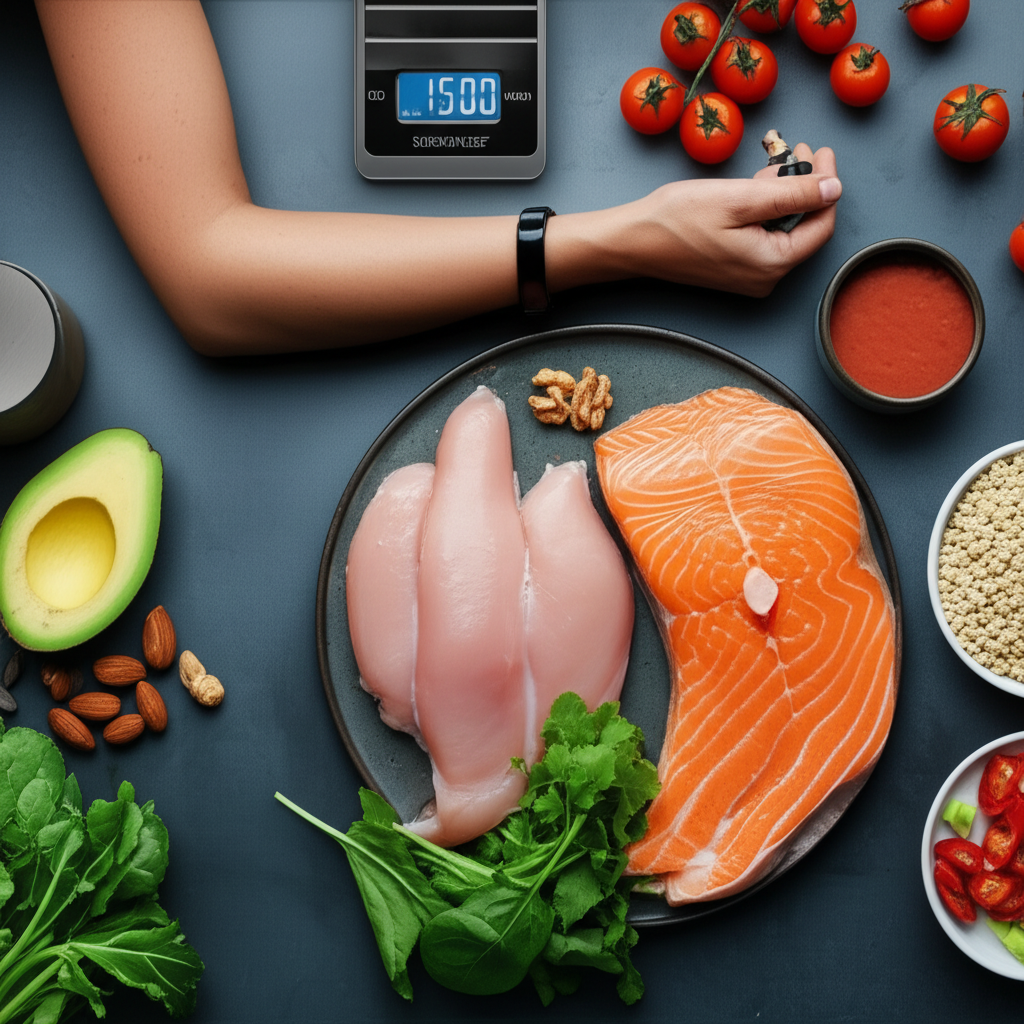
Discover a 1500 calorie meal plan high protein that delivers essential nutrition and proven results for your health goals. This guide provides actionable steps and delicious options to fuel your body effectively.
Embarking on a new eating plan can feel overwhelming, especially when you’re aiming for specific nutritional targets like a 1500 calorie meal plan high protein. You might be wondering if it’s possible to feel satisfied and energized while sticking to a calorie goal, or perhaps you’re struggling to find delicious and convenient options. This guide is designed to cut through the confusion, offering a clear, step-by-step approach to creating a high-protein, 1500-calorie diet that works for you. We’ll explore the benefits, practical strategies, and sample meal ideas to ensure your journey is both effective and enjoyable.
Why a High-Protein, 1500 Calorie Meal Plan is a Game-Changer
A 1500 calorie meal plan high protein is an excellent strategy for weight management and muscle support. Protein is key for satiety, helping you feel fuller for longer and reducing cravings, which is crucial when managing calorie intake. This approach can also boost metabolism and preserve lean muscle mass during weight loss.
The Science Behind Protein and Satiety

Protein has a higher thermic effect than carbohydrates or fats, meaning your body burns more calories digesting it. It also influences hormones that regulate hunger and fullness, such as ghrelin and peptide YY. This makes protein a powerful ally in controlling appetite and adhering to a calorie deficit.
Boosting Metabolism with Protein
Increasing your protein intake can lead to a modest but significant increase in your resting metabolic rate. This means your body burns more calories even at rest, contributing to overall calorie expenditure. This effect is particularly beneficial when you’re aiming for a 1500 calorie meal plan.
Preserving Lean Muscle Mass
When you reduce calories, your body can sometimes break down muscle for energy. A high-protein diet helps signal to your body that muscle is important, prioritizing fat loss over muscle loss. This is vital for maintaining a healthy metabolism and a toned physique.
Building Your 1500 Calorie High-Protein Foundation
Creating a successful 1500 calorie meal plan high protein starts with understanding macronutrient distribution and selecting nutrient-dense foods. This ensures you’re getting the most nutritional bang for your calorie buck while keeping hunger at bay.
Calculating Your Protein Needs
For a 1500 calorie diet, a common recommendation is to aim for 30-40% of your calories from protein. This translates to roughly 112-150 grams of protein per day. This range supports satiety and muscle maintenance effectively.
Choosing Nutrient-Dense Foods
Focus on whole, unprocessed foods that are naturally high in protein and packed with vitamins and minerals. Think lean meats, fish, eggs, dairy, legumes, and certain vegetables. These foods provide sustained energy and essential nutrients.
Strategic Meal Timing and Distribution
Distributing your protein intake across meals and snacks can help maintain consistent energy levels and satiety throughout the day. Aim to include a protein source in every meal and snack to maximize these benefits. This prevents energy dips and reduces the urge to overeat.
Sample 1500 Calorie High-Protein Meal Plan: A Week of Deliciousness
This sample plan offers a variety of meals designed to be satisfying, nutritious, and easy to prepare. It demonstrates how to build a balanced 1500 calorie meal plan high protein that you can adapt to your preferences.
Day 1: Getting Started Strong
Breakfast: Scrambled eggs (2 large) with spinach and feta cheese, served with half an avocado.
Lunch: Grilled chicken breast salad with mixed greens, cucumber, tomatoes, bell peppers, and a light vinaigrette.
Snack: Greek yogurt (plain, 0% fat) with a handful of berries.
Dinner: Baked salmon with roasted asparagus and a small sweet potato.
This day focuses on lean proteins and healthy fats to kickstart your week with sustained energy.
Day 2: Plant-Powered Protein
Breakfast: Protein smoothie with unsweetened almond milk, protein powder, spinach, and half a banana.
Lunch: Lentil soup with a side of whole-grain crackers and cottage cheese.
Snack: A small apple with a tablespoon of almond butter.
Dinner: Tofu stir-fry with mixed vegetables (broccoli, carrots, snap peas) and a light soy-ginger sauce, served with quinoa.
Exploring plant-based protein sources adds variety and essential fiber to your diet.
Day 3: Seafood and Savory Flavors
Breakfast: Overnight oats made with rolled oats, chia seeds, protein powder, and unsweetened almond milk, topped with sliced almonds.
Lunch: Tuna salad (made with Greek yogurt instead of mayo) served in lettuce wraps with cherry tomatoes.
Snack: Hard-boiled eggs (2).
Dinner: Shrimp scampi with zucchini noodles and a side of steamed green beans.
Seafood offers lean protein and beneficial omega-3 fatty acids.
Day 4: Lean & Green
Breakfast: Greek yogurt parfait with granola and mixed berries.
Lunch: Turkey and vegetable skewers with a side of hummus.
Snack: A small pear and a handful of walnuts.
Dinner: Lean ground turkey chili with kidney beans and diced tomatoes, topped with a dollop of plain Greek yogurt.
This day emphasizes lean poultry and fiber-rich legumes for sustained fullness.
Day 5: Comfort Food, Healthified
Breakfast: Cottage cheese with pineapple chunks and a sprinkle of flaxseeds.
Lunch: Leftover turkey chili.
Snack: Protein bar (choose one with low sugar and high protein).
Dinner: Baked chicken breast with a large mixed green salad and a side of roasted Brussels sprouts.
Making healthier versions of comfort foods can keep your cravings in check.
Day 6: Weekend Recharge
Breakfast: Smoked salmon with scrambled eggs and a slice of whole-wheat toast.
Lunch: Large salad with grilled chicken, avocado, and a light lemon-tahini dressing.
Snack: A handful of edamame (steamed).
Dinner: Lean beef stir-fry with broccoli, bell peppers, and onions in a light teriyaki sauce.
Enjoying flavorful meals doesn’t mean compromising your goals.
Day 7: Prep for Success
Breakfast: Protein pancakes made with protein powder, oats, and egg whites, topped with berries.
Lunch: Chicken breast and vegetable soup.
Snack: A small handful of almonds and a string cheese.
Dinner: Baked cod with lemon and herbs, served with steamed broccoli and cauliflower rice.
Ending the week with simple, nutrient-dense meals sets you up for continued success.
This weekly plan provides a solid framework for a 1500 calorie meal plan high protein. Remember to adjust portion sizes and ingredients based on your individual needs and preferences.
Tips for Success with Your 1500 Calorie High-Protein Plan
Adhering to any meal plan requires more than just knowing what to eat; it involves strategic planning and mindful eating habits. These tips will help you stay on track and make your 1500 calorie meal plan high protein sustainable.
Hydration is Key
Drinking plenty of water throughout the day is essential for overall health and can help manage hunger. Sometimes, thirst can be mistaken for hunger, so staying hydrated is a simple yet effective strategy. Aim for at least 8 glasses of water daily.
Smart Snacking Strategies
Plan your snacks to include protein and fiber to bridge meals and prevent overeating. Options like a handful of nuts, a hard-boiled egg, or Greek yogurt can keep you satisfied. Avoid processed snacks that are high in sugar and low in nutrients.
Meal Prep for Convenience
Dedicate some time each week to prepare meals and snacks in advance. This makes it easier to grab healthy options when you’re busy and reduces the temptation to order unhealthy takeout. Services like HelloFresh can also be a great resource for pre-portioned ingredients and easy-to-follow recipes.
Listen to Your Body
Pay attention to hunger and fullness cues. While a 1500 calorie plan is a target, it’s important to adjust slightly if you feel excessively hungry or low on energy. Consistency is more important than rigid adherence to the exact calorie count every single day.
Incorporate Physical Activity
While this plan focuses on nutrition, regular exercise complements it perfectly. Physical activity helps with calorie expenditure, builds muscle, and improves overall health. Aim for a combination of cardio and strength training.
Navigating Food Delivery and Meal Services
For busy individuals, the convenience of food delivery and meal services can be a lifesaver. However, choosing the right options that align with a 1500 calorie meal plan high protein requires careful consideration of nutritional information and portion control.
Choosing the Right Meal Kits
Many meal kit services offer a wide variety of recipes, including those that are high in protein and calorie-conscious. Look for options that clearly label nutritional information and allow you to customize ingredients. Services like Blue Apron often provide detailed breakdowns for each meal.
Evaluating Restaurant Delivery Options
When ordering from restaurants, focus on lean protein sources like grilled chicken, fish, or tofu, and opt for steamed or grilled preparation methods over fried. Be mindful of sauces and dressings, which can add significant calories and sugar. Ask for modifications like dressing on the side.
Understanding Portion Sizes
Restaurant portions are often larger than what’s ideal for a 1500 calorie diet. Consider ordering a single portion and saving half for another meal, or choosing appetizers and salads as main courses. Many apps now allow you to view menus and nutritional information before ordering.
Subscription Services for Convenience
Ready-to-eat meal subscription services can be excellent for adhering to a strict calorie and macronutrient plan. These services typically offer pre-portioned meals designed by nutritionists, making it easy to maintain your 1500 calorie meal plan high protein without any cooking required.
Common Pitfalls and How to Avoid Them
Even with the best intentions, sticking to a calorie-controlled, high-protein diet can present challenges. Being aware of common pitfalls allows you to proactively address them and maintain your momentum.
Underestimating Hidden Calories
Calorie-dense foods like oils, dressings, nuts, and sauces can quickly add up. Be mindful of portion sizes for these items, even when they are healthy fats. Measuring ingredients can help you stay within your target.
Lack of Variety Leading to Boredom
Eating the same few meals every day can lead to dietary fatigue and make it harder to stick to your plan. Experiment with different recipes, seasonings, and protein sources to keep meals interesting. Exploring diverse cuisines can offer new inspiration.
Not Enough Fiber
While focusing on protein is important, don’t neglect fiber. Fiber from fruits, vegetables, and whole grains aids digestion, promotes fullness, and provides essential nutrients. Ensure your meals include plenty of these components.
Ignoring Hunger Signals
If you’re consistently feeling ravenous, your calorie target might be too low, or you may not be consuming enough protein and fiber. Listen to your body and adjust your intake slightly if needed. A sustainable plan is one that you can adhere to long-term.
Tools and Resources to Support Your Journey
Leveraging available tools and resources can significantly enhance your experience with a 1500 calorie meal plan high protein. These aids can help with tracking, planning, and staying motivated throughout your journey.
Calorie and Macro Tracking Apps
Apps like MyFitnessPal, Cronometer, or Lose It! are invaluable for monitoring your calorie and macronutrient intake. They allow you to log your meals, track progress, and provide insights into your eating habits. Many also offer extensive food databases.
Recipe Websites and Blogs
Numerous websites and blogs are dedicated to healthy eating and provide free recipes tailored to specific dietary needs, including high-protein and calorie-controlled plans. Searching for “1500 calorie high protein recipes” will yield a wealth of options. Look for reputable sources with nutritional information.
Fitness Trackers and Smart Scales
Devices that track your activity levels and body composition can provide valuable feedback on your progress. They can help you understand how your diet and exercise are impacting your body and motivate you to stay consistent. Some even integrate with calorie-tracking apps.
Professional Guidance
Consider consulting with a registered dietitian or nutritionist. They can help you create a personalized 1500 calorie meal plan high protein that meets your specific needs and health goals, ensuring you’re getting all the necessary nutrients. They can also help address any underlying health concerns.
Frequently Asked Questions About a 1500 Calorie High-Protein Plan
Here are answers to some common questions about implementing a 1500 calorie meal plan high protein.
Will I feel hungry on a 1500 calorie high-protein plan?
Protein is very satiating, meaning it helps you feel fuller for longer. By prioritizing protein in every meal and snack, you can effectively manage hunger on a 1500 calorie plan. Adequate fiber intake also plays a crucial role in satiety.
How much protein should I aim for daily on a 1500 calorie diet?
A good target for a 1500 calorie diet is to get 30-40% of your calories from protein, which equates to roughly 112-150 grams per day. This range supports muscle health and keeps you feeling full.
Can I eat out or order delivery while following this plan?
Yes, you can. Focus on choosing lean protein options, plenty of vegetables, and being mindful of sauces and preparation methods. Many restaurant apps and delivery services now provide nutritional information to help you make informed choices.
What are the best protein sources for this plan?
Excellent sources include lean meats (chicken breast, turkey), fish (salmon, tuna), eggs, Greek yogurt, cottage cheese, tofu, tempeh, lentils, and beans. Protein powders can also supplement your intake.
How long should I follow a 1500 calorie meal plan?
The duration depends on your individual goals. For weight loss, it can be an effective strategy for a set period. It’s always best to consult with a healthcare professional or dietitian to determine the right plan and duration for your specific needs.
What if I’m a vegetarian or vegan?
You can absolutely create a successful 1500 calorie high-protein vegetarian or vegan plan. Focus on sources like tofu, tempeh, lentils, beans, edamame, seitan, and plant-based protein powders. Ensure you’re getting a variety of these to cover all essential amino acids.
Conclusion: Your Path to Sustainable Health
Implementing a 1500 calorie meal plan high protein is a powerful strategy for achieving your health and wellness goals, whether that’s weight management, improved energy levels, or enhanced athletic performance. By focusing on nutrient-dense, protein-rich foods, strategic meal planning, and mindful eating, you can create a sustainable and enjoyable way of eating. Remember that consistency, patience, and listening to your body are key. With the right approach, this calorie target can be a stepping stone to lasting health benefits and a more vibrant lifestyle.

Belayet Hossain is a Senior Tech Expert and Certified AI Marketing Strategist. Holding an MSc in CSE (Russia) and over a decade of experience since 2011, he combines traditional systems engineering with modern AI insights. Specializing in Vibe Coding and Intelligent Marketing, Belayet provides forward-thinking analysis on software, digital trends, and SEO, helping readers navigate the rapidly evolving digital landscape. Connect with Belayet Hossain on Facebook, Twitter, Linkedin or read my complete biography.