
Published on: 24/09/2025 | Updated on: September 24, 2025
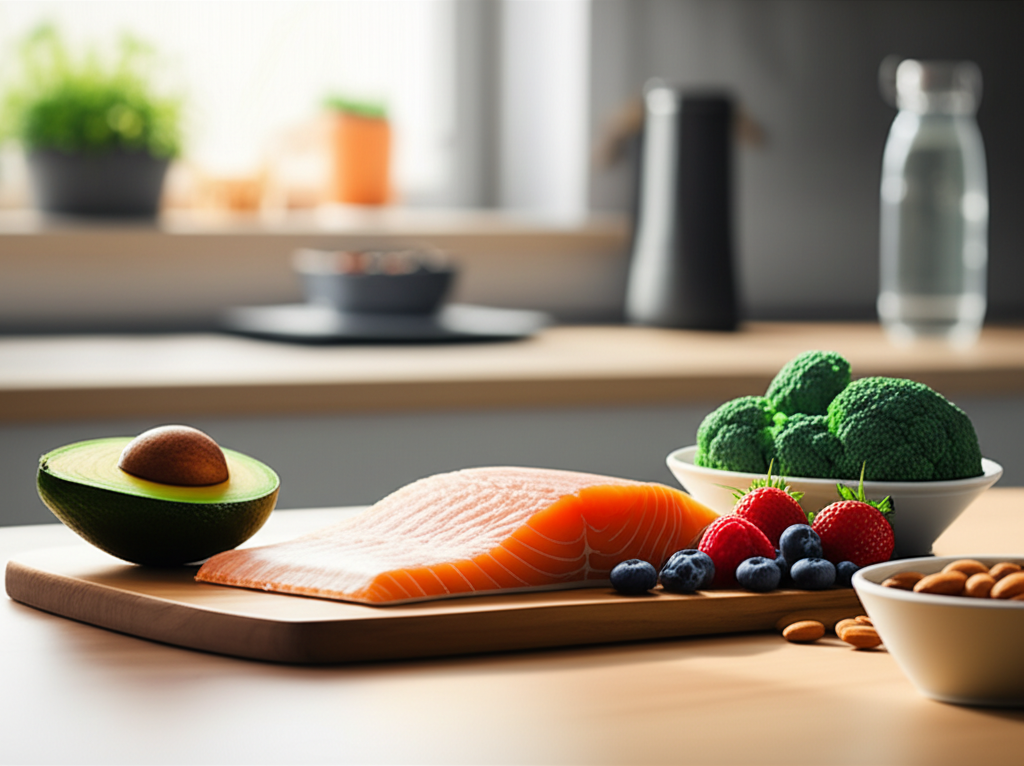
Discover the 5 essential foods that can unlock your weight loss journey, offering a delicious and sustainable path to a healthier you.
Embarking on a weight loss journey can feel overwhelming, especially when faced with conflicting advice. Many of us struggle to find foods that are both satisfying and effective for shedding those extra pounds. It’s a common frustration to feel like you’re dieting without seeing results, leaving you disheartened. But what if the key to success lies not in deprivation, but in smart, strategic food choices? This guide will reveal five powerful foods that can become your allies in achieving your weight loss goals. Get ready to transform your plate and your perspective!
The Science Behind Sustainable Weight Loss Foods
Understanding how certain foods contribute to weight loss is crucial for long-term success. It’s not about magic bullets, but about leveraging the nutritional powerhouses that support metabolism, promote satiety, and minimize fat storage. These foods work by influencing hormones, increasing energy expenditure, and providing essential nutrients without excess calories. By incorporating them strategically, you can create a calorie deficit naturally, making your weight loss journey more enjoyable and effective.
Metabolic Boosters and Satiety Superstars

The core principle of weight loss is consuming fewer calories than your body burns. However, the quality of those calories makes a significant difference. Foods that boost your metabolism help your body burn more calories at rest, while those that promote satiety keep you feeling full for longer, reducing the urge to overeat. The five foods we’ll explore excel in one or both of these areas, providing a dual-action approach to weight management.
Why These 5 Foods Make the Difference
These carefully selected foods are not just trendy health foods; they are backed by nutritional science for their specific benefits in weight loss. They offer a combination of fiber, protein, healthy fats, and micronutrients that support overall health while actively aiding in fat reduction. I’ve personally found these to be game-changers, and I’m excited to share them with you.
1. Lean Proteins: The Satiety and Muscle-Building Champions
Lean proteins are foundational to any effective weight loss plan. They are highly thermogenic, meaning your body burns more calories digesting them compared to fats or carbohydrates. More importantly, protein is incredibly satiating, helping you feel fuller for longer and reducing overall calorie intake. This makes it easier to stick to your dietary goals without feeling deprived.
The Power of Protein for Fat Loss
When you eat protein, your body signals satiety hormones, telling your brain you’re full. This curbs appetite and can significantly reduce snacking between meals. Additionally, muscle tissue burns more calories than fat tissue. By consuming adequate protein, you support muscle maintenance and even growth, which further boosts your resting metabolic rate.
Top Lean Protein Choices for Your Plate
Consider incorporating a variety of lean protein sources into your daily meals. This ensures you get a broad spectrum of amino acids and nutrients.
- Chicken Breast: Skinless chicken breast is a classic for a reason – it’s versatile, low in fat, and packed with protein.
- Fish (Salmon, Tuna, Cod): Fatty fish like salmon provide omega-3 fatty acids, which have anti-inflammatory benefits and can support metabolism. Leaner fish like cod are also excellent protein sources.
- Turkey Breast: Similar to chicken, turkey breast is a lean and protein-dense option.
- Tofu and Tempeh: For plant-based eaters, these soy-based proteins are complete protein sources and excellent for weight management.
- Legumes (Beans, Lentils, Chickpeas): While also high in fiber, legumes offer a good amount of plant-based protein.
These options can be easily ordered through various food delivery services, making healthy eating convenient even on busy days. Explore services like HelloFresh for pre-portioned meals featuring lean proteins.
The consistent intake of lean protein not only aids in calorie control but also preserves lean muscle mass, which is vital for a healthy metabolism during weight loss.
2. Non-Starchy Vegetables: Volume Eaters’ Best Friends
Non-starchy vegetables are nutritional powerhouses that are incredibly low in calories but high in volume, fiber, and essential vitamins and minerals. They are the perfect foods for adding bulk to your meals, helping you feel satisfied without adding significant calories. Their high fiber content also aids digestion and helps regulate blood sugar levels, preventing energy crashes that can lead to cravings.
Filling Up Without Filling Out
The sheer volume of non-starchy vegetables means you can eat a large portion and feel very full, which is a psychological win for dieters. Think of a large salad or a generous serving of steamed broccoli; these provide a satisfying eating experience that satisfies hunger pangs effectively. This makes them indispensable for anyone looking to reduce their overall calorie consumption.
Versatile Veggies for Every Meal
The beauty of non-starchy vegetables lies in their versatility. You can enjoy them raw, steamed, roasted, grilled, or stir-fried.
- Leafy Greens: Spinach, kale, lettuce, and arugula are incredibly nutrient-dense and low in calories.
- Cruciferous Vegetables: Broccoli, cauliflower, Brussels sprouts, and cabbage are fiber-rich and contain compounds that may support metabolism.
- Bell Peppers: Available in various colors, they add sweetness and crunch to dishes.
- Cucumbers and Zucchini: These are excellent for adding hydration and volume to meals and snacks.
- Asparagus and Green Beans: These offer a satisfying texture and are packed with nutrients.
Many restaurant apps, such as those from DoorDash, offer a wide array of vegetable-centric dishes and customizable options. You can often add extra vegetables to your orders or choose healthier preparations.
Incorporating a generous serving of non-starchy vegetables into every meal is a simple yet profoundly effective strategy for weight loss.
3. Berries: Sweetness Without the Sugar Shock
Berries are nature’s candy, offering natural sweetness and a host of health benefits without the high sugar content of many other fruits. They are rich in antioxidants, fiber, and water, all of which contribute to weight loss. Their relatively low glycemic index means they don’t cause sharp spikes in blood sugar, which helps prevent cravings and energy dips.
Antioxidant Power for a Healthier Metabolism
The antioxidants in berries, like anthocyanins, can help combat inflammation and oxidative stress, supporting overall cellular health. This can indirectly benefit your metabolism. Furthermore, the fiber in berries slows down digestion, promoting sustained energy release and keeping you feeling full.
Delicious Ways to Enjoy Berries
Berries are incredibly easy to incorporate into your diet. Their natural sweetness makes them a perfect addition to breakfasts, snacks, or even desserts.
- Blueberries: Packed with antioxidants and fiber, they are a superfood for weight loss.
- Strawberries: High in vitamin C and fiber, they are a refreshing and satisfying choice.
- Raspberries: Exceptionally high in fiber and lower in sugar than many other fruits.
- Blackberries: Offer a good dose of fiber and antioxidants.
You can often find fresh or frozen berries readily available through grocery delivery services like Instacart, making it easy to stock up. They are perfect for smoothies, yogurt toppings, or simply enjoyed on their own.
Adding a serving of mixed berries to your daily routine provides a sweet treat that actively supports your weight loss goals.
4. Whole Grains: Sustained Energy and Fiber Fuel
While often misunderstood in low-carb diets, whole grains are crucial for a balanced and sustainable weight loss plan. Unlike refined grains, whole grains retain all parts of the grain kernel – the bran, germ, and endosperm – providing more fiber, vitamins, and minerals. This complex carbohydrate structure leads to a slower release of glucose into the bloodstream, preventing energy spikes and crashes.
The Fiber Advantage for Fullness
The high fiber content in whole grains is key to their weight loss benefits. Fiber adds bulk to your meals, promotes satiety, and slows down digestion. This means you stay fuller for longer, reducing the likelihood of overeating or reaching for unhealthy snacks. It also plays a vital role in digestive health.
Choosing the Right Grains
Opt for minimally processed whole grains that offer the most nutritional benefit.
- Oats: Especially steel-cut or rolled oats, are an excellent source of soluble fiber, known for its satiety-boosting effects.
- Quinoa: A complete protein and a whole grain, quinoa is incredibly versatile and nutrient-dense.
- Brown Rice: A staple that provides sustained energy and fiber compared to white rice.
- Barley: Another fiber-rich grain that can be added to soups, stews, or served as a side dish.
- Whole Wheat Bread/Pasta: Ensure the label clearly states “100% whole wheat” or “whole grain” as the first ingredient.
When ordering meals from restaurants or meal kit services, look for options that feature whole grains as a side or base. Many services now highlight healthier grain choices.
Integrating whole grains into your diet provides sustained energy and keeps hunger at bay, making them a cornerstone of effective weight management.
5. Nuts and Seeds: Healthy Fats for Satiety and Metabolism
Nuts and seeds are calorie-dense, but their combination of healthy fats, protein, and fiber makes them surprisingly effective for weight loss when consumed in moderation. The healthy fats help you feel satisfied, while the fiber and protein further contribute to satiety. They are also packed with essential micronutrients that support overall health.
The Role of Healthy Fats in Weight Loss
Contrary to old beliefs, healthy fats are essential for weight loss. They help slow down the absorption of food, leading to a more gradual rise in blood sugar and prolonged feelings of fullness. Nuts and seeds provide monounsaturated and polyunsaturated fats, which are beneficial for heart health and can support a healthy metabolism.
Smart Snacking with Nuts and Seeds
Portion control is key with nuts and seeds due to their calorie density. A small handful (about 1 ounce) is typically a good serving size.
- Almonds: Rich in fiber, protein, and vitamin E, they are a popular and effective choice.
- Walnuts: Provide omega-3 fatty acids and are great for brain health and satiety.
- Chia Seeds: Absorb liquid and form a gel, making them incredibly filling and great for puddings or smoothies.
- Flaxseeds: Another excellent source of fiber and omega-3s; best consumed ground.
- Pumpkin Seeds (Pepitas): Offer magnesium and zinc, which are important for metabolism.
Many healthy snack boxes and meal delivery services include pre-portioned nuts and seeds, making it easy to enjoy their benefits without overconsumption.
When enjoyed mindfully and in appropriate portions, nuts and seeds are powerful allies in managing hunger and supporting your weight loss efforts.
Putting It All Together: A Balanced Approach
The most effective weight loss strategies are those that are sustainable and enjoyable. It’s not about drastically cutting out entire food groups, but about making smart choices that nourish your body and keep you satisfied. The five foods discussed – lean proteins, non-starchy vegetables, berries, whole grains, and nuts/seeds – form a powerful foundation for a healthy eating plan.
Creating Your Weight Loss Meal Plan
Imagine starting your day with oatmeal topped with berries and a sprinkle of almonds. For lunch, a large salad with grilled chicken breast and a light vinaigrette. Dinner could be baked salmon with roasted broccoli and a side of quinoa. These are just simple examples of how you can integrate these foods.
Sample Daily Meal Structure
Here’s a glimpse into how these foods can fit into a day:
| Meal | Primary Foods | Secondary Foods/Flavor Enhancers |
| :———– | :———————————————- | :——————————————- |
| Breakfast | Oats, Berries, Almonds | Water, Cinnamon |
| Lunch | Chicken Breast, Mixed Greens, Bell Peppers | Olive Oil & Lemon Dressing, Cucumber |
| Snack | Greek Yogurt, Walnuts | A few berries |
| Dinner | Salmon, Broccoli, Quinoa | Herbs, Garlic, Lemon |
| Optional Snack | Small handful of pumpkin seeds, Apple slices | |
This balanced approach ensures you’re getting a good mix of macronutrients and micronutrients while keeping calories in check and satiety high.
Leveraging Food Delivery for Success
For busy individuals, food delivery services can be a lifesaver. Many services now offer healthy meal options, customizable dishes, and meal kits that feature these weight-loss-friendly foods. It’s about using these conveniences to your advantage, ensuring you have access to nutritious meals even when time is short. Always check the nutritional information provided by the service to make informed choices.
A balanced diet incorporating these five food groups, supported by smart planning and convenient delivery options, can make your weight loss journey successful and sustainable.
Frequently Asked Questions
Can I eat all these foods every day?
Yes, absolutely! The key is variety and portion control. These foods are nutrient-dense and can form the basis of a healthy diet.
Are there any foods I should avoid completely?
While focusing on these beneficial foods, it’s generally advised to limit processed foods, sugary drinks, refined grains, and excessive amounts of saturated and trans fats.
How much protein do I really need for weight loss?
General recommendations suggest around 0.5 to 1 gram of protein per pound of body weight, but it’s best to consult with a healthcare professional or registered dietitian for personalized advice.
What if I don’t like some of these foods?
That’s perfectly fine! The principles of lean protein, fiber, healthy fats, and nutrient-dense carbohydrates apply broadly. Explore other similar options within each category. For example, if you dislike berries, try other low-glycemic fruits like apples or pears in moderation.
How can I ensure I’m getting enough fiber from these foods?
Focus on consuming whole, unprocessed versions of these foods. For example, choose whole oats over instant, brown rice over white, and eat fruits and vegetables with their skins on when possible.
Are nuts and seeds too high in calories to eat when losing weight?
Not necessarily. While calorie-dense, their satiating properties and healthy fats can help control overall calorie intake when consumed in appropriate portions. They are a valuable part of a balanced weight loss diet.
Conclusion: Your Delicious Path to Weight Loss
Achieving your weight loss goals doesn’t have to mean sacrificing flavor or feeling constantly hungry. By strategically incorporating these five essential foods into your diet – lean proteins, non-starchy vegetables, berries, whole grains, and nuts/seeds – you equip your body with the tools it needs to burn fat, build muscle, and stay satisfied. These nutrient-dense powerhouses are your allies in creating a sustainable, enjoyable, and effective weight loss journey. Remember, consistency is key, and smart food choices are the foundation of lasting results. Embrace these delicious breakthroughs, and you’ll be well on your way to a healthier, happier you.

Belayet Hossain is a Senior Tech Expert and Certified AI Marketing Strategist. Holding an MSc in CSE (Russia) and over a decade of experience since 2011, he combines traditional systems engineering with modern AI insights. Specializing in Vibe Coding and Intelligent Marketing, Belayet provides forward-thinking analysis on software, digital trends, and SEO, helping readers navigate the rapidly evolving digital landscape. Connect with Belayet Hossain on Facebook, Twitter, Linkedin or read my complete biography.