
Published on: 30/09/2025 | Updated on: September 30, 2025
Acini de pepe pasta, meaning “peppercorns,” is a versatile, tiny pasta perfect for educators seeking simple yet engaging culinary options for students or themselves. This guide unlocks its educational and practical uses, from classroom activities to quick, healthy meals.
Welcome! As someone who navigates the often-hectic world of education, finding simple, versatile ingredients can be a game-changer. You might have stumbled upon acini de pepe pasta, those adorable little beads, and wondered about their potential. Is it just another pasta shape, or is there more to it? I’m here to demystify acini de pepe pasta, showing you how it can be a star in your kitchen and even a fun tool in your classroom. Get ready to discover why this tiny pasta is a big deal for busy educators.
What Exactly is Acini de Pepe Pasta?
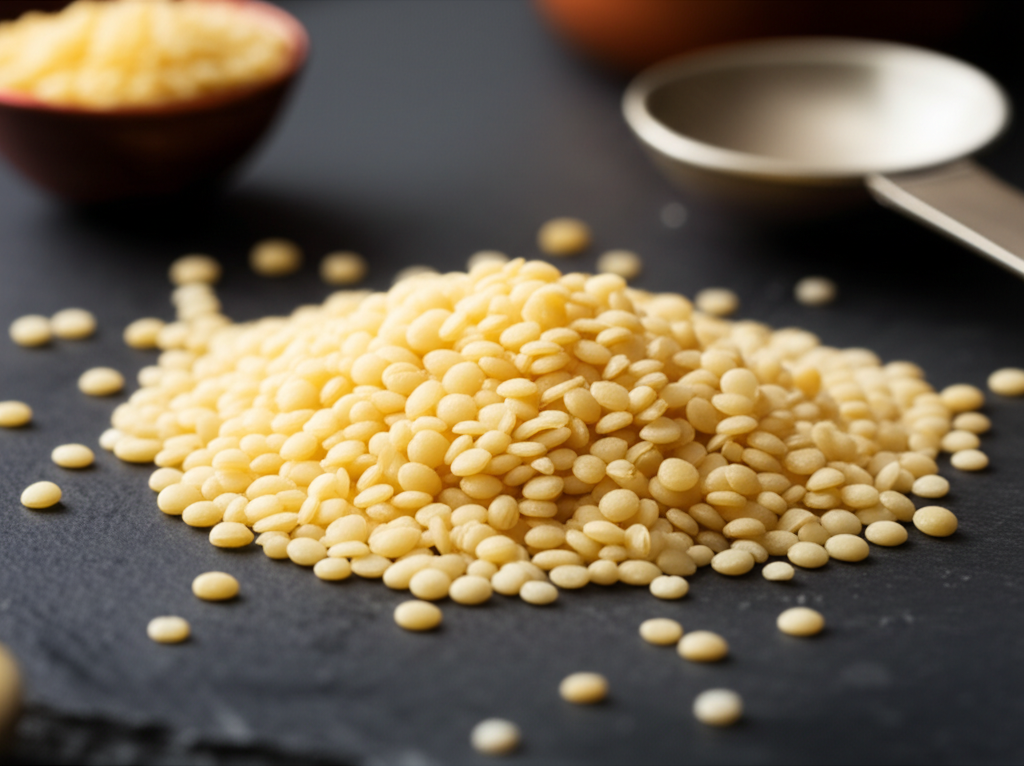
Acini de pepe pasta, translating to “peppercorns” in Italian, is a small, bead-shaped pasta. Its minuscule size and smooth texture make it incredibly versatile in a wide array of dishes. It cooks quickly, absorbing flavors beautifully, which is a boon for anyone short on time.
This pasta is a staple in many Italian households and has found its way into kitchens worldwide. Its unique form allows it to integrate seamlessly into soups, salads, and even baked dishes. Understanding its characteristics is the first step to unlocking its full culinary potential.
The Culinary Versatility of Acini de Pepe Pasta
The magic of acini de pepe pasta lies in its incredible adaptability. It’s not just for soups; it can be a star in pasta salads, a base for comforting casseroles, or even a delightful addition to desserts. Its small size makes it perfect for children’s meals, ensuring easy eating and enjoyment.
Think of it as a blank canvas, ready to be painted with your favorite flavors. Whether you’re aiming for a hearty stew or a light, refreshing side dish, acini de pepe pasta can rise to the occasion. Its ability to absorb broths and sauces makes every bite a burst of flavor.
Acini de Pepe Pasta in Educational Settings: Beyond the Plate
For educators, acini de pepe pasta offers more than just a meal option; it’s a fantastic teaching tool. Its small, uniform size makes it ideal for counting exercises, sorting activities, and even simple science experiments. It provides a tactile and visual way for young learners to grasp mathematical concepts.
Imagine using these tiny pasta shapes to teach fractions, patterns, or even basic stoichiometry in a chemistry class. Its affordability and availability make it an accessible resource for any classroom. This pasta can transform abstract concepts into tangible learning experiences.
Counting and Math Activities with Acini de Pepe

Using acini de pepe pasta for counting is incredibly effective. You can set up stations where students count out specific numbers of pasta beads, reinforcing one-to-one correspondence. This hands-on approach makes abstract numbers feel concrete and engaging for young minds.
Activities can include grouping pasta into tens, creating arrays to understand multiplication, or even exploring probability by drawing handfuls from a container. The tiny size makes it easy to manage small quantities, perfect for individual or small group work. These simple games build a strong foundation in early numeracy skills.
Science Demonstrations Using Pasta Beads
In science, acini de pepe pasta can illustrate concepts like density, volume, and even molecular structures. You can use them to model atoms or molecules in a chemistry lesson, making complex ideas more accessible. Their consistent size allows for accurate measurement and comparison in experiments.
For instance, exploring how different liquids affect the pasta (e.g., absorption rates) can teach about osmosis. Even simple observations about how they float or sink in water can lead to discussions about buoyancy and density. This makes learning science an interactive and memorable experience.
Sensory Play and Fine Motor Skill Development
The smooth, dry texture of acini de pepe pasta makes it an excellent medium for sensory bins. Children can scoop, pour, and sift the pasta, developing crucial fine motor skills and hand-eye coordination. This kind of play is vital for early childhood development, preparing them for writing and other complex tasks.
Incorporating scoops, tweezers, and containers into the sensory bin encourages manipulation and dexterity. It’s a calming activity that also stimulates creativity and imaginative play. The small size requires precise movements, further honing their motor control.
Quick and Easy Acini de Pepe Recipes for Busy Educators
As an educator, time is a precious commodity. Fortunately, acini de pepe pasta cooks in a flash, making it perfect for weeknight dinners or quick lunches between classes. Its rapid cooking time means you can go from pantry to plate in under 15 minutes.
These recipes are designed for simplicity and minimal ingredients, perfect for when you’re exhausted but still want a delicious, satisfying meal. They require little prep and are forgiving, even if you’re not a seasoned chef.
The Classic Acini de Pepe Soup: Comfort in a Bowl
A warm bowl of acini de pepe soup is pure comfort, especially after a long day. It’s incredibly easy to make, often requiring just a few pantry staples and some broth. This soup is nourishing and satisfying, perfect for a chilly evening.
Here’s a basic approach: Sauté some aromatics like onion and garlic, add chicken or vegetable broth, bring to a simmer, stir in the acini de pepe, and cook until tender. You can add shredded chicken, vegetables, or even a swirl of cream for extra richness. It’s a recipe that can be adapted to whatever you have on hand.
Acini de Pepe Pasta Salad: A Portable Powerhouse
For a grab-and-go lunch or a potluck contribution, an acini de pepe pasta salad is ideal. Its small size makes it easy to eat cold and mix with a variety of ingredients. It holds up well, making it perfect for meal prepping.
Combine cooked acini de pepe pasta with chopped vegetables like bell peppers, cucumbers, and cherry tomatoes. Add some protein like chickpeas or grilled chicken, and toss with your favorite vinaigrette. A sprinkle of fresh herbs like parsley or basil adds a burst of freshness.
Simple Baked Acini de Pepe: Effortless Comfort Food
Baking acini de pepe pasta transforms it into a creamy, comforting dish. This method is wonderfully hands-off, allowing the oven to do most of the work. It’s perfect for a lazy Sunday or when you want a hearty meal with minimal supervision.
Cook the pasta until just al dente, then mix it with a simple sauce (like a tomato or cheese sauce), some vegetables, and perhaps some protein. Pour into a baking dish, top with cheese, and bake until bubbly and golden. The pasta absorbs the sauce beautifully, creating a rich, cohesive dish.
Nutritional Benefits and Considerations
While acini de pepe pasta is primarily a source of carbohydrates, it can be part of a balanced diet. Whole wheat versions offer more fiber and nutrients, making them a healthier choice. The key is moderation and pairing it with nutrient-dense ingredients.
It provides energy, which is essential for busy educators and growing students. When prepared with lean proteins, healthy fats, and plenty of vegetables, acini de pepe pasta dishes can be quite nutritious. Always consider portion sizes and the overall balance of the meal.
Tips for Cooking Acini de Pepe Perfectly
Cooking acini de pepe pasta is straightforward, but a few tips ensure perfect results every time. The most crucial step is not to overcook it, as its small size can lead to mushiness if left in boiling water for too long. Paying attention to cooking times is key.
Always use plenty of salted water, just like you would for any other pasta. This seasons the pasta from the inside out, enhancing its flavor. Stirring occasionally prevents it from sticking together, ensuring each bead remains distinct.
Choosing the Right Acini de Pepe Pasta: Brands and Types
When selecting acini de pepe pasta, you’ll find several options available. Most major pasta brands offer this shape, typically in their standard durum wheat semolina variety. For a healthier alternative, look for whole wheat or gluten-free versions if dietary needs are a concern.
Consider the brand’s reputation for quality and consistency. Some specialty Italian brands might offer a slightly different texture or flavor profile. Ultimately, any reputable brand will work well for most recipes.
Acini de Pepe Pasta vs. Other Small Pastas: A Comparison
Acini de pepe pasta shares similarities with other small pasta shapes like orzo, ditalini, and pastina. Orzo is often described as rice-shaped, while ditalini is a small tube. Pastina is a general term for tiny pastas, which can include acini de pepe.
The main difference lies in their shape and how they hold sauce or integrate into dishes. Acini de pepe’s round, bead-like form makes it excellent for soups and absorbing liquids evenly. Orzo is great for pasta salads and pilafs, while ditalini is classic for minestrone.
| Pasta Shape | Description | Best Uses |
|—————|——————————————–|————————————————-|
| Acini de Pepe | Tiny, round beads | Soups, stews, light pasta salads, side dishes |
| Orzo | Rice-shaped pasta | Pasta salads, pilafs, soups |
| Ditalini | Small, short tubes | Minestrone, hearty soups, pasta e fagioli |
| Stelline | Tiny star-shaped pasta | Soups (especially for children), broths |
| Alphabet Pasta| Small letters of the alphabet | Soups, children’s dishes |
This table highlights how each small pasta shape offers unique advantages for different culinary applications. Understanding these differences can help you choose the perfect pasta for your dish.
Where to Buy Acini de Pepe Pasta
Finding acini de pepe pasta is usually quite easy. It’s a common pasta shape found in most supermarkets, typically located in the pasta aisle. You can also find it at Italian specialty stores or larger grocery chains with extensive pasta selections.
Online retailers are another convenient option, offering a wider variety of brands and quantities. If you’re looking for specific dietary versions, like whole wheat or gluten-free, online stores often have a more comprehensive selection. Bulk purchasing can also be more economical if you plan to use it frequently for educational purposes.
Frequently Asked Questions about Acini de Pepe Pasta
Is acini de pepe pasta good for toddlers?
Yes, acini de pepe pasta is excellent for toddlers due to its small size, making it easy to grasp and chew. It’s a safe and manageable pasta shape for little ones learning to self-feed.
How long does acini de pepe pasta take to cook?
Acini de pepe pasta typically cooks very quickly, usually in about 6 to 10 minutes, depending on the brand and desired tenderness. Always check the package instructions.
Can I use acini de pepe pasta in place of rice?
Absolutely! Acini de pepe pasta can be a wonderful substitute for rice in many dishes, especially pilafs or as a side dish. It offers a different texture and absorbs flavors beautifully.
What is the difference between acini de pepe and pastina?
Pastina is a general Italian term for “tiny pasta,” and acini de pepe is one specific type of pastina. Other pastina shapes include stelline (stars) and alphabet pasta.
Is acini de pepe pasta healthy?
Standard acini de pepe pasta is a good source of carbohydrates for energy. For a healthier option, choose whole wheat versions for added fiber and nutrients, and pair it with vegetables and lean protein.
Conclusion: Embracing the Tiny Power of Acini de Pepe Pasta
Acini de pepe pasta is far more than just a small pasta shape; it’s a versatile ingredient with immense potential, both in the kitchen and the classroom. For educators, its adaptability, ease of use, and educational applications make it an invaluable pantry staple. Whether you’re crafting a quick, nourishing meal after a long day or devising an engaging lesson plan, this tiny pasta delivers big results.
I encourage you to experiment with acini de pepe pasta. Try it in a comforting soup, a vibrant salad, or even as a playful learning tool. Its simplicity belies its power to simplify your life and enrich your students’ learning experiences. Embrace the humble “peppercorn” pasta and discover all the ways it can benefit you and your classroom.

Belayet Hossain is a Senior Tech Expert and Certified AI Marketing Strategist. Holding an MSc in CSE (Russia) and over a decade of experience since 2011, he combines traditional systems engineering with modern AI insights. Specializing in Vibe Coding and Intelligent Marketing, Belayet provides forward-thinking analysis on software, digital trends, and SEO, helping readers navigate the rapidly evolving digital landscape. Connect with Belayet Hossain on Facebook, Twitter, Linkedin or read my complete biography.