
Published on: 30/09/2025 | Updated on: September 30, 2025
Acquerello rice is the secret to unbelievably creamy and delicious risotto, offering a superior starch release and texture that elevates this classic Italian dish. This guide will unlock its full potential for your home cooking.
Embarking on the journey to create a perfect risotto can feel daunting, with many home cooks struggling to achieve that signature creamy texture without the rice turning mushy. The type of rice used is often the missing piece of the puzzle, and for many, the answer lies in a specific, premium grain. This guide is designed to demystify the process, focusing on the unparalleled qualities of Acquerello rice. Prepare to transform your risotto-making skills with this comprehensive, step-by-step approach.
Why Acquerello Rice is the Gold Standard for Risotto
Acquerello rice stands out as the ultimate choice for risotto enthusiasts due to its unique aging process and the specific rice variety used. This premium grain is aged for at least one to two years, a crucial step that allows the moisture content within the kernel to stabilize. This aging process results in firmer grains that absorb liquid more evenly and release their starches gradually, which is the key to achieving a perfectly creamy risotto without the grains becoming overcooked or gummy.
The meticulous aging process of Acquerello rice is the foundation of its superior performance in risotto. This deliberate slow-down in the grain’s life cycle is what enables it to maintain its integrity while simultaneously yielding the desired creamy texture. It’s this commitment to quality and process that makes Acquerello the chef’s secret weapon for an unforgettable risotto experience.
The Science Behind Acquerello’s Creaminess

The magic of Acquerello rice lies in its high amylopectin content and the way its starches are released during cooking. Amylopectin is a type of starch that breaks down and dissolves into the cooking liquid, creating the characteristic creamy, velvety texture of risotto. Unlike other rice varieties that might release their starches too quickly and turn mushy, Acquerello rice’s structure ensures a controlled release, resulting in distinct, perfectly cooked grains suspended in a luscious sauce.
This controlled starch release is not just about texture; it also contributes to the overall flavor and mouthfeel of the risotto. The gradual release ensures that the creamy element is integrated throughout the dish, rather than being a separate, starchy mass. It’s a delicate balance that Acquerello rice is uniquely positioned to achieve.
Carnaroli: The King of Risotto Rice Varieties
Acquerello rice is specifically a Carnaroli variety, often dubbed “the king of rice” for risotto. Carnaroli is known for its long, slender grains and its ability to hold its shape exceptionally well during the long cooking process required for risotto. Its firm texture and high starch content make it incredibly versatile, forgiving for novice cooks, and a delight for experienced chefs.
The choice of Carnaroli rice, and specifically Acquerello’s aged version, is a deliberate decision that significantly impacts the final dish. Its inherent qualities make it the ideal canvas for absorbing the flavors of broths, wines, and other ingredients, while contributing its own subtle nutty notes. This makes Acquerello not just a rice, but an integral component of a truly great risotto.
Selecting Your Acquerello Rice: What to Look For
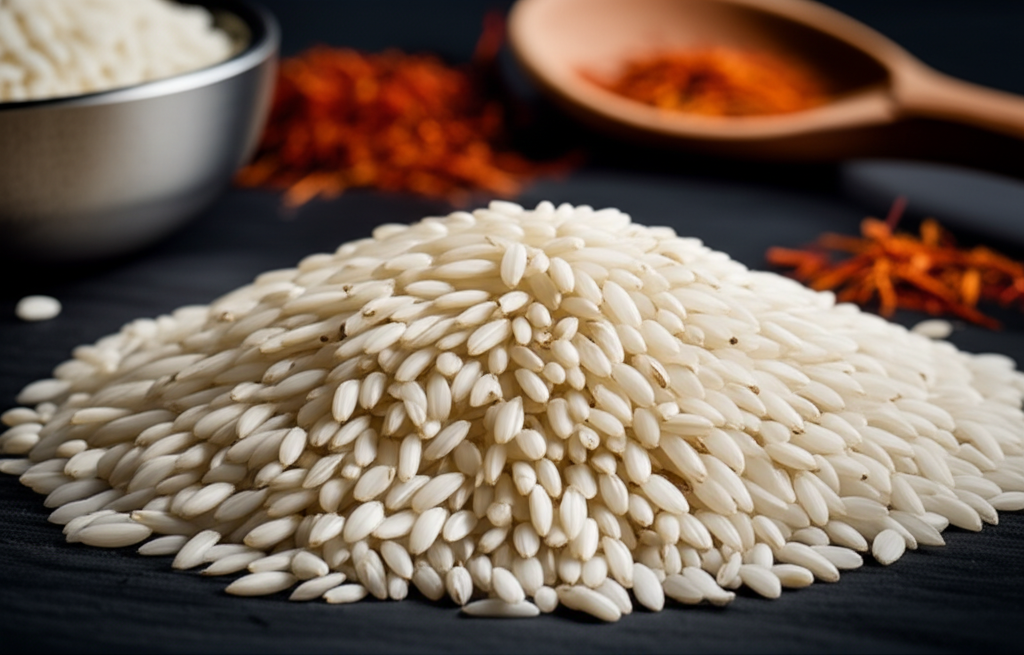
When purchasing Acquerello rice, look for the distinctive packaging that highlights its premium quality and aging process. You’ll often find it labeled as “Acquerello Carnaroli Rice” and may see indications of its aging period, such as “aged 1-2 years.” The grain itself should appear plump and pearly white.
Ensuring you are buying genuine Acquerello rice means looking for these specific markers. While other Carnaroli rice varieties exist, Acquerello’s aging process offers a distinct advantage that is worth seeking out for the best possible risotto results.
Understanding the Aging Process: Why It Matters
The aging of Acquerello rice is not just a marketing gimmick; it’s a fundamental aspect of its superior quality. Over time, the moisture in the rice kernel evaporates, leading to a denser, firmer grain. This density is crucial for risotto because it allows the rice to absorb broth slowly and evenly, preventing it from breaking down too quickly and becoming sticky or mushy.
This aging transforms a good rice into an exceptional one, capable of yielding that perfect al dente bite and creamy consistency that defines a masterful risotto. It’s a testament to the care and time invested in producing this culinary gem.
Where to Buy Acquerello Rice
Acquerello rice is widely available through various channels, making it accessible for home cooks looking to elevate their risotto game. You can typically find it at specialty Italian food stores, gourmet grocery shops, and online retailers that focus on high-quality ingredients. Many major online marketplaces also carry Acquerello rice, often with options for fast delivery.
For those in larger cities, exploring local Italian delis or markets can often yield this prized ingredient. If you’re interested in exploring different meal kit options that might feature premium ingredients, some services occasionally offer risotto kits that could include Acquerello rice.
The Fundamental Steps to Perfect Risotto with Acquerello Rice
Crafting a perfect risotto with Acquerello rice involves a series of precise steps, each contributing to the final creamy, flavorful dish. It begins with preparing your ingredients and ends with the final, luxurious stir. Following these steps carefully will ensure a consistently excellent result.
Mastering these fundamental steps is key to unlocking the full potential of Acquerello rice. Each stage, from toasting the rice to the final mantecatura, plays a vital role in achieving that signature creamy texture and depth of flavor.
Step 1: Mise en Place – Prepare Everything in Advance
Before you even think about heating your pan, ensure all your ingredients are prepped and ready to go. This includes finely chopping your aromatics (like onions or shallots), grating your cheese, measuring your rice and broth, and having any other additions (like vegetables or proteins) ready. Risotto requires constant attention, so having everything within reach is crucial.
This meticulous preparation, known as “mise en place,” is the cornerstone of successful risotto making. It allows you to focus entirely on the cooking process without the stress of chopping or measuring mid-stir.
Step 2: Toasting the Rice (Tostatura)
The toasting phase, or “tostatura,” is critical for flavor development and texture. Heat a generous amount of olive oil or butter in a wide, heavy-bottomed pan over medium heat. Add your Acquerello rice and stir it continuously for 2-3 minutes until the grains become slightly translucent around the edges and emit a faint nutty aroma.
This toasting process seals the outside of the rice grains, helping them to maintain their structure during cooking. It also imparts a subtle toasted flavor that adds complexity to the final dish.
Step 3: Deglazing with Wine
Once the rice is toasted, it’s time to deglaze with a splash of dry white wine. Pour in about half a cup of wine and stir vigorously until the alcohol has evaporated and the wine has been almost completely absorbed by the rice. This step adds acidity and depth of flavor, cutting through the richness of the risotto.
The wine not only contributes flavor but also helps to kickstart the starch release process. The aroma that fills your kitchen at this stage is truly inviting.
Step 4: Gradual Broth Addition
This is the most crucial and time-consuming part of making risotto. Heat your broth (chicken, vegetable, or fish, depending on your recipe) in a separate pot and keep it at a gentle simmer. Add one ladleful of hot broth to the rice at a time, stirring constantly until the liquid is almost fully absorbed before adding the next ladleful.
Patience is key here. This gradual addition and constant stirring encourage the Acquerello rice to release its starches slowly and evenly, creating the desired creamy texture.
Step 5: Stirring and Patience
The constant stirring is not just about preventing sticking; it’s an active part of the cooking process. As you stir, you are gently agitating the rice grains, encouraging them to rub against each other and release their starches. This motion is what transforms the rice and broth into a creamy emulsion.
Dedicate yourself to this stirring process; it’s a meditative part of risotto making. The rhythmic motion and the gradual transformation of the mixture are incredibly rewarding.
Step 6: The Mantecatura – Finishing Touches
Once the Acquerello rice is cooked al dente (tender but still with a slight bite), remove the pan from the heat. This is where the magic of “mantecatura” happens. Stir in cold butter and grated Parmesan cheese vigorously. This emulsifies the fats and starches, creating an incredibly rich, creamy, and glossy finish.
The mantecatura is the final flourish that elevates a good risotto to an exceptional one. It’s the moment when all the elements come together in a harmonious, luxurious bite.
Common Risotto Mistakes and How Acquerello Rice Helps
Even with the best intentions, risotto can sometimes go wrong. Common pitfalls include using the wrong type of rice, adding too much liquid at once, or not stirring enough. Acquerello rice, with its superior starch release and grain integrity, is inherently more forgiving and helps to mitigate many of these issues.
By understanding these common mistakes and leveraging the unique properties of Acquerello rice, you can significantly increase your chances of risotto success. It’s a combination of technique and quality ingredients.
Overcooking vs. Undercooking
Achieving the perfect al dente texture is the hallmark of a great risotto. Overcooked rice becomes mushy and loses its identity, while undercooked rice remains hard and chalky. Acquerello’s firm structure helps it resist overcooking, giving you a wider window to achieve that ideal bite.
The grain’s ability to absorb liquid evenly means that by the time it’s creamy, it’s also perfectly cooked. This characteristic of Acquerello rice makes it easier to hit that sweet spot consistently.
The Importance of Broth Temperature
Using cold or lukewarm broth can shock the rice and halt the cooking process, hindering starch release. Always ensure your broth is simmering gently before adding it to the rice. This maintains a consistent cooking temperature, allowing the Acquerello rice to absorb the liquid and release its starches efficiently.
Maintaining the correct broth temperature is a small but vital detail that ensures the risotto cooks evenly and develops its characteristic creaminess. It’s a key factor in achieving optimal results with Acquerello rice.
Flavor Pairings and Variations with Acquerello Rice Risotto
Acquerello rice is a versatile base that pairs beautifully with a wide array of ingredients, allowing for endless creative variations. Its subtle nutty flavor and creamy texture complement both delicate and robust additions.
Exploring different flavor combinations can turn a simple risotto into a culinary masterpiece. Acquerello rice provides the perfect foundation for your most ambitious flavor experiments.
Classic Combinations
Some of the most beloved risotto variations feature classic pairings. Think of a simple Risotto alla Milanese, infused with saffron for its vibrant color and distinct aroma, or a mushroom risotto, showcasing earthy flavors that meld perfectly with the creamy rice. Asparagus risotto in the spring or butternut squash risotto in the autumn are also perennial favorites.
These classic combinations highlight the ability of Acquerello rice to absorb and enhance the flavors of its companions, creating a harmonious dish. They are a great starting point for anyone new to making risotto.
Seafood and Vegetable Risottos
Acquerello rice is also excellent for lighter, more delicate risottos. A seafood risotto, incorporating shrimp, scallops, or mussels, benefits from the rice’s ability to create a luxurious sauce that coats the seafood beautifully. Similarly, vegetable-forward risottos, packed with fresh seasonal produce, allow the natural sweetness and textures of the vegetables to shine through.
The neutral yet rich profile of Acquerello rice makes it an ideal partner for the subtle flavors of seafood and the vibrant tastes of fresh vegetables. It allows each ingredient to be appreciated.
Meat and Poultry Risottos
For heartier dishes, Acquerello rice can stand up to rich meats and poultry. A risotto with braised short ribs, pancetta, or even chicken offers a comforting and deeply satisfying meal. The creaminess of the risotto balances the richness of the meat, creating a well-rounded dish.
The robust nature of Acquerello rice means it won’t be overpowered by stronger flavors, making it a reliable choice for these more substantial risotto creations.
Tools and Equipment for Making Risotto
While risotto is a dish that relies heavily on technique, having the right tools can make the process smoother and more enjoyable. A few key pieces of equipment will serve you well.
Having the right tools can simplify the risotto-making process, allowing you to focus on technique and flavor. These items are investments in your culinary journey.
The Essential Pan
A wide, heavy-bottomed pan is crucial for making risotto. Its broad surface area allows for even heating and evaporation, which is essential for cooking the rice properly. A Dutch oven or a large sauté pan with high sides works perfectly.
The weight of the pan helps to distribute heat evenly, preventing hot spots and ensuring the Acquerello rice cooks uniformly. This is vital for achieving that creamy texture.
Stirring Utensils
A sturdy wooden spoon or a heat-resistant silicone spatula is ideal for stirring. These utensils are gentle on your non-stick pan (if you use one) and effective at scraping the bottom and sides to prevent sticking and ensure even cooking.
The act of stirring is fundamental to risotto, so having a comfortable and effective utensil makes the process much more manageable.
Broth Management
A separate saucepan is needed to keep your broth warm. A ladle is essential for adding the broth to the rice one scoop at a time. Keeping the broth at a simmer ensures a consistent cooking temperature.
Managing your broth effectively is key to the incremental cooking process that defines risotto. It’s a simple setup that yields significant results.
Comparing Acquerello Rice to Other Risotto Rice Varieties
While Acquerello rice is a premium choice, understanding how it compares to other commonly used risotto rices can help you appreciate its unique advantages. Each type has its own characteristics that influence the final dish.
Knowing the differences between rice varieties allows you to make informed choices for your specific culinary needs and preferences. Acquerello rice consistently rises to the top for its reliability and quality.
| Rice Variety | Key Characteristics | Best For | Acquerello Rice Advantage |
|—|—|—|—|
| Arborio | Plump grains, high starch content, widely available. | Everyday risotto, creamy texture. | More consistent starch release, firmer grains, less prone to mushiness. |
| Carnaroli | Long grains, firm texture, excellent starch release, holds shape well. | Classic risotto, elegant dishes. | Superior aging process enhances structure and starch release for ultimate creaminess. |
| Vialone Nano | Shorter, plumper grains, absorbs liquid well, very creamy. | Northern Italian style risottos, often with meat. | Acquerello’s aging provides greater structural integrity and a more refined texture. |
This comparison highlights why Acquerello rice, as a premium aged Carnaroli, offers a distinct edge. Its carefully managed aging process refines its inherent qualities, making it the top choice for discerning cooks.
The Arborio Rice Compromise
Arborio is the most common and widely available risotto rice. It offers a good creamy texture due to its high starch content, but its grains can break down more easily, leading to a less defined texture if overcooked. Acquerello rice provides a more robust and forgiving option.
While Arborio is a decent choice for a casual risotto, Acquerello rice elevates the dish to a new level of sophistication and textural perfection. It’s a step up that truly makes a difference.
The Carnaroli vs. Acquerello Distinction
As mentioned, Acquerello rice is a type of Carnaroli. However, the “Acquerello” designation specifically refers to Carnaroli rice that has undergone a meticulous aging process. This aging differentiates it from standard Carnaroli, offering enhanced firmness and a more controlled starch release.
Think of it as the difference between a good wine and a perfectly aged reserve. Acquerello rice is that exceptional, aged version of an already excellent variety.
Tips for Perfecting Your Acquerello Rice Risotto
Beyond the fundamental steps, a few expert tips can help you achieve consistently perfect risotto with Acquerello rice. These small details can make a significant difference in the final outcome.
Incorporating these advanced tips into your risotto-making routine will help you refine your technique and consistently produce restaurant-quality dishes.
Taste and Adjust Seasoning
Don’t be afraid to taste your risotto as it cooks, especially towards the end. Adjust the seasoning with salt and pepper as needed. Remember that the Parmesan cheese will add saltiness, so season judiciously.
Proper seasoning is crucial for bringing out the full flavor profile of your risotto. Tasting and adjusting throughout the cooking process ensures a balanced and delicious dish.
Don’t Rush the Process
Risotto is not a dish to be rushed. It requires attention, patience, and consistent stirring. Trying to speed up the process by adding too much liquid or cooking on high heat will likely result in a less-than-ideal texture.
Embrace the meditative nature of making risotto. The time invested is rewarded with a dish that is both comforting and incredibly satisfying.
Serve Immediately
Risotto is best served immediately after it’s finished. As it sits, it continues to absorb liquid and can become too thick or gluey. The creamy texture is at its peak right off the heat.
Serving your Acquerello rice risotto promptly ensures you and your guests enjoy it at its absolute best, with that perfect balance of creaminess and al dente texture.
Frequently Asked Questions About Acquerello Rice and Risotto
Q1: Can I use Acquerello rice for other dishes besides risotto?
While Acquerello rice is specifically prized for risotto due to its starch release properties, its firm texture and nutty flavor also make it a good choice for pilafs or other rice dishes where you want distinct, separate grains. However, its true brilliance shines in risotto.
Q2: How much Acquerello rice do I need per person?
A general guideline for risotto is about 75-100 grams (approximately 1/3 to 1/2 cup) of uncooked rice per person. This yields a generous portion when cooked, as the rice expands considerably.
Q3: Can I make risotto ahead of time?
Risotto is best made fresh. While you can partially cook it and then reheat it, the texture won’t be as creamy or the grains as perfectly al dente as a freshly made batch. The mantecatura step, in particular, is best done just before serving.
Q4: What kind of broth is best for Acquerello rice risotto?
The best broth depends on the flavor profile you’re aiming for. Chicken or vegetable broth are versatile choices. For seafood risottos, fish or shellfish broth is ideal, and for a richer, more robust risotto, beef broth can be used. Always use a good quality broth for the best flavor.
Q5: Why is my risotto not creamy enough?
Several factors can contribute to a less-than-creamy risotto. Ensure you are using a high-starch rice like Acquerello, toasting the rice properly, adding hot broth gradually, and stirring consistently to release starches. The final mantecatura with butter and cheese is also crucial for creaminess.
Conclusion: Unlock Culinary Excellence with Acquerello Rice
In the realm of classic Italian cuisine, few dishes are as revered and as potentially frustrating to master as risotto. Yet, the secret to consistently achieving that sublime creamy texture and perfectly al dente bite often lies in the quality of the rice. Acquerello rice, with its unique aging process and premium Carnaroli varietal, offers an unparalleled advantage for home cooks and seasoned chefs alike. By understanding its properties and following the detailed steps outlined in this guide, you can transform your risotto-making experience. Embrace the journey, savor the process, and delight in the exceptional results that only Acquerello rice can provide.

Belayet Hossain is a Senior Tech Expert and Certified AI Marketing Strategist. Holding an MSc in CSE (Russia) and over a decade of experience since 2011, he combines traditional systems engineering with modern AI insights. Specializing in Vibe Coding and Intelligent Marketing, Belayet provides forward-thinking analysis on software, digital trends, and SEO, helping readers navigate the rapidly evolving digital landscape. Connect with Belayet Hossain on Facebook, Twitter, Linkedin or read my complete biography.