
Published on: 30/09/2025 | Updated on: September 30, 2025
Adobo sauce is the magic behind many beloved dishes, offering a rich, tangy, and savory depth. Discover its core ingredients and techniques to elevate your cooking from simple to spectacular.
Ever stared at a recipe calling for “adobo sauce” and wondered what makes it so special? It’s more than just a condiment; it’s a foundational flavor profile that can transform everyday meals. Many home cooks find achieving that authentic adobo taste a bit elusive, leading to dishes that miss the mark. Don’t worry, I’m here to demystify the process. We’ll dive deep into the essential components and techniques that unlock the true secrets of adobo sauce, ensuring your next adobo creation is nothing short of sensational.
What Exactly is Adobo Sauce?
Adobo sauce is the savory, tangy, and often slightly sweet liquid base used in many Filipino and Latin American dishes. It’s a versatile marinade and cooking liquid, celebrated for its ability to tenderize meat and infuse it with complex flavors. Its simplicity belies its incredible impact on a wide range of ingredients.
This foundational sauce is key to understanding its diverse applications. By mastering its components, you’ll unlock a world of culinary possibilities.
The Pillars of Authentic Adobo Flavor
At its heart, adobo sauce is built on a few key ingredients that create its signature taste. Understanding these pillars is the first step to mastering this beloved sauce. The balance and quality of these components are paramount.
Soy Sauce: The Salty Foundation

Soy sauce provides the essential salty and umami backbone of adobo sauce. It’s crucial for depth and savory notes that make the dish so irresistible. Different types of soy sauce can subtly alter the final flavor profile.
Using a good quality, naturally brewed soy sauce will yield a more nuanced taste. Experimenting with light and dark soy sauces can also add interesting dimensions.
Vinegar: The Tangy Counterpoint
Vinegar is the essential acidic element that cuts through richness and adds a bright tang. It not only balances the saltiness of the soy sauce but also helps tenderize proteins. White vinegar is common, but other varieties can be used.
The type of vinegar you choose significantly impacts the final flavor. Cane vinegar or even apple cider vinegar can offer unique profiles.
Garlic: The Aromatic Aromatic
Garlic is indispensable, providing a pungent aroma and a warm, savory flavor that is characteristic of adobo. Generous amounts of garlic are typically used, often fried until golden to mellow its bite. Its aromatic contribution is irreplaceable.
Don’t be shy with the garlic! Freshly minced or smashed garlic cloves release the most potent flavor.
Black Peppercorns: The Spicy Kick
Whole black peppercorns are a classic adobo ingredient, offering a gentle, warming spice. They release their flavor slowly during cooking, creating a subtle heat that complements the other ingredients. Their presence is a hallmark of traditional adobo.
Using whole peppercorns is preferred over ground pepper for a more authentic and controlled spice.
Bay Leaves: The Herbal Nuance
Bay leaves add a subtle, aromatic complexity that rounds out the adobo flavor profile. They contribute a faint herbaceous note that enhances the savory and tangy elements. Their contribution is often understated but vital.
Dried bay leaves are commonly used, but fresh ones can also be employed for a slightly different aroma.
Beyond the Basics: Elevating Your Adobo Sauce
While the core ingredients form the foundation, several additions can elevate your adobo sauce from good to extraordinary. These enhancements add layers of flavor and complexity that can make your dishes truly memorable. Exploring these options allows for personalization and culinary creativity.
Sweetness: A Touch of Sugar
A small amount of sugar, often brown sugar, is frequently added to balance the saltiness and tanginess. This creates a more rounded and harmonious flavor profile, preventing the sauce from being too sharp. The sweetness should be subtle, not overpowering.
Brown sugar adds a slight caramel note that pairs wonderfully with the savory elements.
Onions: Aromatic Depth
Sautéed onions contribute a natural sweetness and deeper aromatic complexity. They meld into the sauce, providing a subtle background flavor that enhances the overall taste experience. Their inclusion adds another layer of savory goodness.
Yellow or white onions work best, providing a mild sweetness when cooked down.
Coconut Milk: Creamy Indulgence
For a richer, creamier adobo, coconut milk is a popular addition, especially in certain regional variations. It softens the sharp edges of the vinegar and soy sauce, creating a luxurious mouthfeel and a unique flavor dimension. This variation is particularly popular in the Bicol region of the Philippines.
Using full-fat coconut milk will yield the creamiest and most flavorful results.
Chili Peppers: Fiery Passion
For those who love a bit of heat, chili peppers can be incorporated into the adobo sauce. This adds a pleasant warmth and a kick that can be adjusted to your preference. It’s a fantastic way to customize the dish.
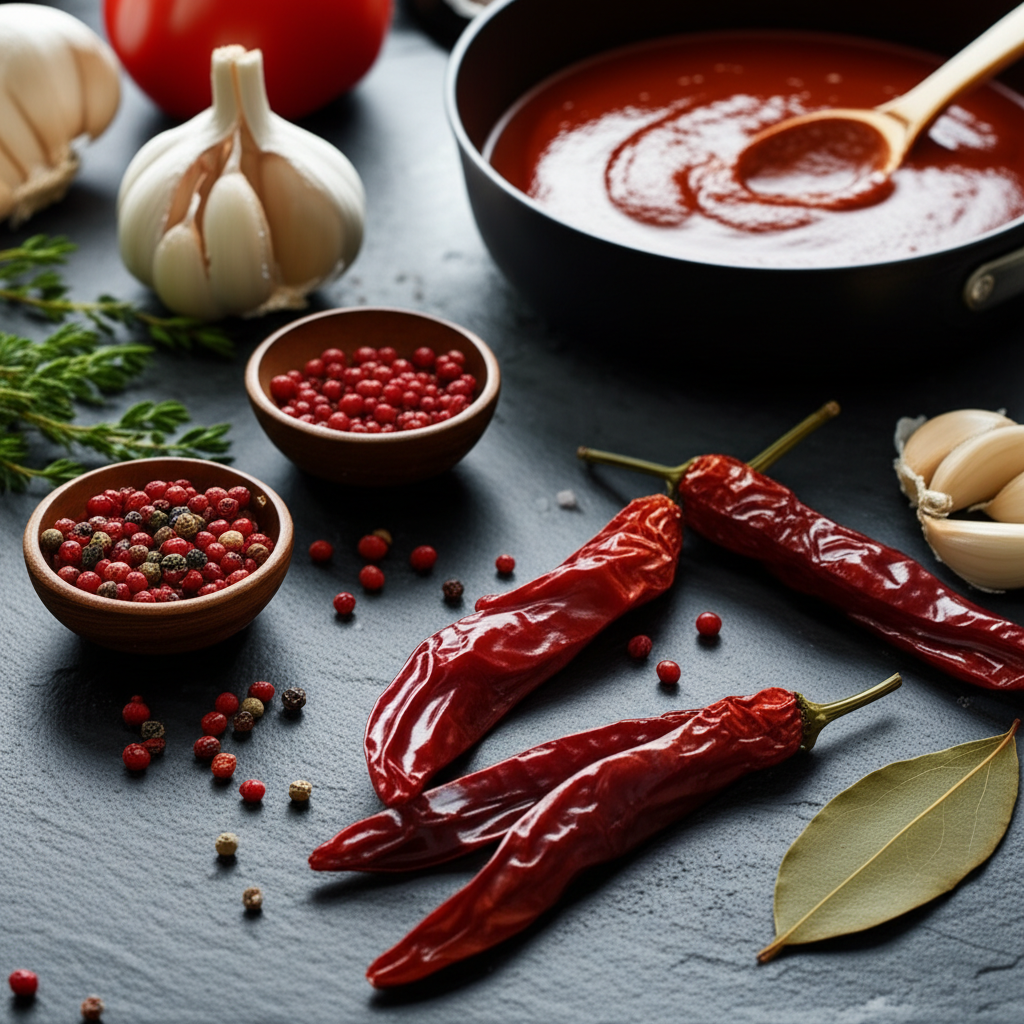
Fresh bird’s eye chilies or dried red chilies can be added for a spicy touch.
The Art of Marinating: Infusing Flavor Deeply
Marinating is a critical step in adobo preparation, allowing the flavors to penetrate the protein. The longer the marination, the more infused and tender the final dish will be. This process is key to achieving that signature adobo taste throughout the ingredient.
A minimum marination time of 30 minutes is recommended, but overnight is ideal for maximum flavor.
The Cooking Process: Simmering to Perfection
The cooking method for adobo sauce is as important as its ingredients. Simmering allows the flavors to meld and deepen, tenderizing the protein and reducing the sauce to a rich glaze. Patience during this stage is rewarded with incredible taste.
The goal is a tender protein coated in a flavorful, slightly thickened sauce.
Braising vs. Pan-Frying
Braising involves simmering the protein in the adobo sauce, often with a bit of water or broth, until tender. Pan-frying, on the other hand, involves searing the marinated protein first, then adding the sauce to simmer and reduce. Both methods yield delicious results, but with slightly different textures.
Braising is excellent for tougher cuts of meat, ensuring tenderness. Pan-frying offers a lovely caramelized exterior.
Adobo Sauce Variations Around the World
While the Filipino classic is perhaps the most well-known, adobo is a concept that appears in various cuisines, each with its unique spin. These variations highlight the adaptability of the adobo flavor profile. Understanding these differences can broaden your culinary horizons.
Filipino Adobo: The Archetype
Filipino adobo is the most recognized form, typically featuring soy sauce, vinegar, garlic, peppercorns, and bay leaves. It can be made with chicken, pork, or a combination, and variations exist across different regions and households. Its enduring popularity speaks to its perfect balance of flavors.
This classic version is a great starting point for anyone new to adobo.
Latin American Adobo: A Different Identity
In Latin American countries, “adobo” often refers to a spice blend or paste used for seasoning meats, particularly in Mexican and Puerto Rican cooking. These often include ingredients like achiote, cumin, oregano, and chili peppers, offering a distinct flavor profile from its Filipino counterpart. These blends are typically dry or paste-like, unlike the liquid Filipino sauce.
These spice blends are fantastic for rubs and marinades for grilled or roasted meats.
Spanish Adobo: A Marinade Tradition
Spanish adobo seasoning, often referred to as “adobo” or “adobar,” is a marinade made with paprika, garlic, oregano, and vinegar. It’s commonly used for pork and chicken, imparting a smoky and tangy flavor. This tradition has influenced adobo concepts in other cultures.
This Spanish marinade is particularly delicious on pork.
Common Mistakes to Avoid When Making Adobo Sauce
Even with a clear recipe, a few common pitfalls can prevent your adobo sauce from reaching its full potential. Being aware of these can help you sidestep disappointment and ensure a delicious outcome. Avoiding these simple mistakes will elevate your adobo game.
Using too little vinegar: This can result in a sauce that is overly salty and lacks the essential tang.
Not browning the aromatics: Failing to sauté garlic and onions properly can leave them with a raw, sharp taste.
Over-reducing the sauce: Cooking the sauce for too long can make it too thick and intensely salty.
Using pre-ground pepper: Whole peppercorns offer a more nuanced and authentic spice.
Being mindful of these details can make a significant difference in the final dish.
The Versatility of Adobo Sauce: More Than Just a Marinade
Adobo sauce isn’t just for marinating meats; its rich flavor makes it a fantastic addition to many other dishes. Its adaptability means it can enhance soups, stews, and even vegetable dishes. Think of it as a flavor booster for almost anything.
Its bold profile can add a delightful twist to unexpected recipes.
As a Dipping Sauce
The reduced sauce from a cooked adobo dish makes an incredible dipping sauce for rice, bread, or even fried appetizers. Its concentrated flavor is incredibly satisfying. This is a simple way to enjoy the essence of adobo.
Save some of the sauce from your main adobo dish for dipping.
In Soups and Stews
A spoonful of adobo sauce can add incredible depth and complexity to brothy soups or hearty stews. It introduces savory, tangy, and aromatic notes that can transform a simple soup into a gourmet experience. It’s a secret weapon for flavor building.
Experiment by adding a tablespoon or two to your favorite soup base.
With Vegetables
Adobo sauce can be used to glaze or stir-fry vegetables, adding a savory and tangy twist. Roasted or sautéed vegetables tossed in a light adobo glaze are a delicious way to enjoy plant-based meals. It’s a great way to make vegetables more exciting.
Broccoli, green beans, and Brussels sprouts are particularly good with an adobo glaze.
Troubleshooting Common Adobo Sauce Issues
Sometimes, despite best efforts, an adobo sauce might not turn out as planned. Fortunately, most common issues can be easily fixed with a few adjustments. Don’t despair if your sauce needs a little tweaking.
Sauce is too salty
If your adobo sauce is too salty, you can balance it by adding a touch more vinegar or a little sugar. Another effective method is to dilute it with a bit of water or broth and let it simmer down again. Sometimes, serving it with plain rice helps to temper the saltiness.
Adding a splash of water and a pinch of sugar can work wonders.
Sauce is too sour
Conversely, if the sauce is too sour, a bit of sugar or honey can help to mellow the acidity. You can also add a touch of soy sauce to rebalance the saltiness, or even a small amount of butter for richness. Simmering gently will allow the flavors to meld.
A touch of sweetness is the quickest way to balance excess sourness.
Flavor is too bland
A bland adobo sauce often needs more aromatics or a stronger base. Try adding more minced garlic, a splash more soy sauce, or a dash of fish sauce for extra umami. Simmering for a bit longer can also help concentrate the flavors.
Boosting the garlic and soy sauce can revive a bland sauce.
Frequently Asked Questions About Adobo Sauce
What is the difference between Filipino adobo and Mexican adobo?
Filipino adobo is a liquid marinade and cooking sauce based on soy sauce and vinegar. Mexican adobo is typically a dry spice blend or a paste made with chilies and other spices, used for seasoning.
Can I make adobo sauce ahead of time?
Yes, adobo sauce can be made ahead and stored in an airtight container in the refrigerator for up to a week. Its flavor often deepens overnight.
What kind of vinegar is best for adobo sauce?
White vinegar is traditional and provides a clean tang. Cane vinegar is also very common and offers a slightly milder flavor. Apple cider vinegar can be used for a fruitier note.
Can I use low-sodium soy sauce in adobo sauce?
Yes, you can use low-sodium soy sauce, but you may need to adjust the saltiness by adding a bit more soy sauce or a pinch of salt. The flavor profile might be slightly less robust.
What proteins work best with adobo sauce?
Chicken and pork are the most common proteins for adobo. However, it also works wonderfully with beef, seafood, tofu, and even vegetables.
How do I make adobo sauce thicker?
To thicken adobo sauce, you can simmer it uncovered for a longer period to allow the liquid to evaporate. Alternatively, you can create a slurry with a teaspoon of cornstarch mixed with a tablespoon of water and stir it into the simmering sauce until thickened.
Conclusion: Your Journey to Adobo Mastery
Unlocking the secrets of adobo sauce is a rewarding culinary adventure. By understanding its core components – the perfect balance of soy sauce, vinegar, garlic, peppercorns, and bay leaves – and exploring the nuances of different cooking methods and variations, you can consistently create dishes bursting with authentic flavor. Remember, the key lies in quality ingredients and thoughtful preparation. Whether you’re marinating chicken, braising pork, or adding a flavor boost to vegetables, the principles of adobo sauce will guide you to delicious success. Don’t be afraid to experiment and find your own perfect adobo blend.
The Next Step: Discover Delicious Adobo Dishes
Now that you’re armed with the knowledge of adobo sauce’s essential flavor secrets, the next logical step is to put it into practice! Explore recipes for classic Filipino Chicken Adobo, savory Pork Adobo, or even a unique Tofu Adobo. Many of the best food delivery apps and meal kit services now offer dishes featuring this iconic flavor profile. Use your newfound understanding to select the most authentic and delicious options. Consider trying a local Filipino restaurant through DoorDash or Uber Eats, or look for adobo-inspired meal kits from services like Blue Apron or HelloFresh. Your taste buds are in for a treat!

Belayet Hossain is a Senior Tech Expert and Certified AI Marketing Strategist. Holding an MSc in CSE (Russia) and over a decade of experience since 2011, he combines traditional systems engineering with modern AI insights. Specializing in Vibe Coding and Intelligent Marketing, Belayet provides forward-thinking analysis on software, digital trends, and SEO, helping readers navigate the rapidly evolving digital landscape. Connect with Belayet Hossain on Facebook, Twitter, Linkedin or read my complete biography.