
Published on: 06/10/2025 | Updated on: October 6, 2025
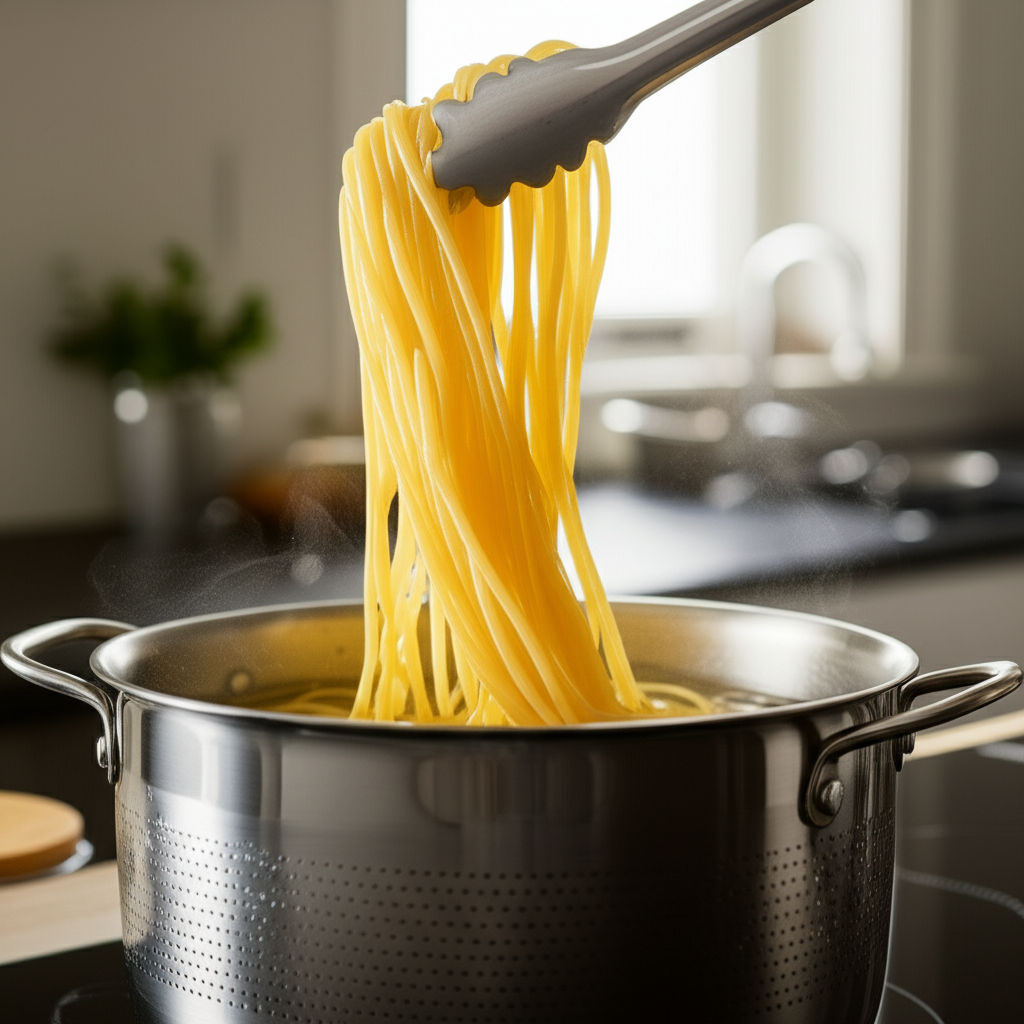
Mastering al dente pasta is the secret to elevating any pasta dish from good to truly exceptional, ensuring each bite has the perfect tender yet firm texture.
Have you ever pulled pasta from the pot only to find it mushy and unappetizing, or worse, still hard and chalky? It’s a common kitchen frustration that can ruin an otherwise delicious meal. Achieving that perfect “al dente” texture – meaning “to the tooth” in Italian – is simpler than you might think. This guide will walk you through the essential techniques, from choosing the right pasta to the crucial boiling process, ensuring every strand is cooked to perfection, ready to be paired with your favorite sauce from a top food delivery service or prepared fresh at home.
Why “Al Dente” Pasta is the Holy Grail of Pasta Cooking
“Al dente” pasta is the gold standard for a reason. It signifies pasta that is cooked through but still retains a slight firmness when bitten. This texture provides a satisfying chew and prevents the pasta from becoming a sticky, flavorless mass. It also allows the pasta to better absorb and hold onto sauces, creating a harmonious blend of flavors and textures in every mouthful.
The Foundation: Choosing the Right Pasta for Perfect Al Dente
Not all pasta is created equal when it comes to achieving that ideal al dente bite. The type of pasta, its ingredients, and even its shape play a significant role in how it cooks. Understanding these nuances can make a world of difference in your final dish.
Understanding Pasta Types and Their Cooking Properties

Generally, pasta made from durum wheat semolina is best for al dente cooking due to its high protein content. This protein structure helps the pasta maintain its shape and firmness during boiling. Fresh pasta, while delicious, tends to cook much faster and can easily become mushy, making it less forgiving for beginners aiming for al dente.
The Impact of Pasta Shapes on Cooking Time
Longer shapes like spaghetti and fettuccine require careful monitoring, while shorter shapes like penne and farfalle can sometimes cook more evenly. However, even within shapes, variations exist. For instance, ridged pasta (like rigatoni) can hold sauce better and may offer a slightly different al dente experience than smooth varieties.
The Crucial Element: Water, Salt, and the Boiling Process
The magic of perfectly cooked pasta begins with the water it’s cooked in. This isn’t just about boiling water; it’s about creating the right environment for the pasta to cook evenly and absorb flavor.
The Importance of Plenty of Water
It’s a culinary rule of thumb: use a large pot and plenty of water. A general guideline is at least 4-6 quarts of water per pound of pasta. This ensures the water temperature doesn’t drop drastically when you add the pasta, allowing it to cook evenly and preventing it from sticking together. More water also means more space for the starch to dissipate, leading to a cleaner, less gummy result.
Salting the Water: A Flavor Game-Changer
Don’t be shy with the salt! Salting your pasta water is the only opportunity to season the pasta itself from the inside out. Aim for water that tastes like the sea – about 1 to 2 tablespoons of coarse salt per gallon of water. This infuses the pasta with flavor, making it delicious even before you add any sauce.
Bringing Water to a Rolling Boil
Patience is key here. You must wait until the water reaches a vigorous, rolling boil before adding the pasta. Adding pasta to water that isn’t boiling hot will result in uneven cooking and clumping. A true rolling boil ensures the pasta cooks quickly and uniformly.
The Art of Adding Pasta and Stirring
Once your water is ready, the next steps are about managing the pasta as it enters and cooks in the boiling liquid. These small actions can prevent common pitfalls.
Adding Pasta to Boiling Water
Gently add your pasta to the rolling boil. For long pasta like spaghetti, don’t break it. Instead, place one end in the water and let the rest soften and submerge naturally. Stirring immediately after adding the pasta helps prevent it from sticking to itself or the bottom of the pot.
The Crucial Stirring Technique
Stirring is vital in the first 1-2 minutes of cooking. This is when the pasta releases the most starch and is most prone to sticking. After this initial period, occasional stirring is usually sufficient to keep strands separated and ensure even cooking.
Timing is Everything: Mastering Pasta Cooking Times
Pasta packaging usually provides a cooking time suggestion, but this is just a starting point. The true test of al dente perfection lies in tasting.
Reading the Package, But Trust Your Taste Buds
The cooking time on the package is an estimate. Factors like the altitude, the specific brand of pasta, and even the age of the pasta can affect cooking time. Always start checking for doneness a couple of minutes before the suggested time.
The “Taste Test” Method for Perfection
This is the most reliable way to achieve al dente. Fish out a piece of pasta and taste it. It should be tender but still offer a slight resistance to your bite. It should not be crunchy in the center, nor should it be soft and mushy.
The Water-Saving Myth: Should You Reserve Pasta Water?
Many home cooks swear by reserving pasta water, and for good reason. This starchy liquid is a secret weapon for enhancing sauces, but how much should you save, and when?
Why Pasta Water is Culinary Gold
The water you cook your pasta in is infused with starch. This starch acts as a natural emulsifier, helping to bind your sauce to the pasta. It adds body and silkiness to sauces, making them cling beautifully without needing heavy cream or butter.
How Much Pasta Water to Reserve
A cup or two is usually sufficient. Use a mug or a heatproof bowl to scoop out the water just before draining the pasta. You can add it gradually to your sauce to achieve the desired consistency.
The Draining Dilemma: When and How to Drain Pasta
Draining pasta correctly is as important as cooking it. The goal is to stop the cooking process at the perfect moment without rinsing away the precious starch.
Don’t Rinse Your Pasta!
Unless you’re making a cold pasta salad, never rinse your cooked pasta with water. Rinsing washes away the starch that helps sauce adhere to the pasta, leading to a slippery, less flavorful dish. This is one of the most common mistakes people make.
Draining Promptly
As soon as your pasta reaches that perfect al dente stage, drain it immediately. Letting it sit in the hot water will continue the cooking process, potentially overcooking it. Use a colander for efficient draining.
The Final Act: Marrying Pasta and Sauce
The cooking process isn’t truly complete until the pasta is united with its sauce. This step, often overlooked, is where the magic happens.
Finishing Pasta in the Sauce
The best way to ensure your pasta and sauce become one is to finish cooking the pasta in the sauce for the last minute or two. Add your drained pasta directly to the pan with your sauce. Stir and toss, adding a splash of reserved pasta water as needed to create a glossy, cohesive dish.
The Role of Pasta Water in Sauce Emulsification
This is where that reserved pasta water shines. The starch in the water helps emulsify the sauce, creating a smooth, rich coating that clings to every piece of pasta. It’s a technique used by professional chefs for a reason.
Troubleshooting Common Al Dente Pasta Problems
Even with the best intentions, pasta perfection can sometimes be elusive. Here are solutions to common issues you might encounter.
Pasta is Too Soft/Mushy
This usually happens from overcooking or using too little water. Next time, start tasting a few minutes earlier. Ensure you’re using plenty of salted boiling water and drain immediately.
Pasta is Too Hard/Chewy
This means it’s undercooked. It might need a minute or two more in the boiling water. If you’ve already drained it, you can sometimes save it by tossing it with sauce and a little extra pasta water in a pan over low heat.
Pasta is Sticking Together
Insufficient water, not stirring enough at the beginning, or not draining promptly can cause sticking. Always use a large pot with ample water, stir well in the first few minutes, and drain as soon as it’s al dente.
A Comparative Look: Fresh vs. Dried Pasta for Al Dente
Understanding the differences between fresh and dried pasta can help you choose the right type for your desired outcome. Both can be delicious, but their approaches to al dente differ.
| Pasta Type | Typical Ingredients | Cooking Time (Approx.) | Al Dente Characteristics | Best For |
|—|—|—|—|—|
| Dried Pasta | Durum wheat semolina, water | 8-12 minutes | Firm bite, slight resistance | Most sauces, everyday meals |
| Fresh Pasta | Flour, eggs, sometimes water | 2-5 minutes | Tender, delicate chew, can easily overcook | Light sauces, quick meals |
As you can see, dried pasta is generally more forgiving and easier to achieve a classic al dente texture with. Fresh pasta requires a much closer watch to prevent it from becoming mushy.
Frequently Asked Questions About Al Dente Pasta
Here are answers to some of your most common questions about achieving that perfect al dente pasta bite.
What does “al dente” actually mean?
“Al dente” is an Italian phrase meaning “to the tooth.” It describes pasta that is cooked through but still firm and slightly chewy when bitten.
Can I use less water to cook pasta?
While tempting for easier cleanup, using less water is not recommended. It lowers the water temperature significantly when pasta is added, leading to uneven cooking and sticky pasta.
How do I know if my pasta is truly al dente?
The best way is to taste it. A piece of al dente pasta will offer a slight resistance when you bite into it, without being hard or crunchy in the center.
Should I add oil to the pasta water?
Adding oil to pasta water is a myth that doesn’t help prevent sticking. In fact, it can coat the pasta and prevent sauce from adhering properly. Stirring is the better method.
What if I overcook my pasta? Can I save it?
If slightly overcooked, you can sometimes rescue it by tossing it with your sauce and a bit of pasta water in a pan over low heat for a minute. This helps absorb some liquid and meld flavors. If it’s very mushy, it’s unfortunately difficult to salvage.
Is it okay to cook pasta ahead of time?
It’s best to cook pasta just before serving for optimal al dente texture. If you must cook it ahead, undercook it slightly and shock it in ice water to stop the cooking. Reheat gently in sauce or with a little oil.
Conclusion: Your Path to Perfect Al Dente Pasta
Mastering the art of al dente pasta is a fundamental skill that will elevate all your pasta dishes. By understanding the importance of ample salted boiling water, diligent stirring, and the crucial taste test, you can consistently achieve that perfect, satisfying bite. Whether you’re preparing a quick weeknight meal ordered through a food delivery app or a gourmet pasta creation from scratch, this technique ensures your pasta is the perfect canvas for any sauce. Remember, practice makes perfect, and soon, “al dente” will be your pasta’s natural state. Happy cooking!

Belayet Hossain is a Senior Tech Expert and Certified AI Marketing Strategist. Holding an MSc in CSE (Russia) and over a decade of experience since 2011, he combines traditional systems engineering with modern AI insights. Specializing in Vibe Coding and Intelligent Marketing, Belayet provides forward-thinking analysis on software, digital trends, and SEO, helping readers navigate the rapidly evolving digital landscape. Connect with Belayet Hossain on Facebook, Twitter, Linkedin or read my complete biography.