
Published on: 07/10/2025 | Updated on: October 7, 2025
Discover the powerhouse of albumin-rich vegetables, essential for muscle health and overall well-being. This guide unveils the best plant-based sources to fuel your body efficiently.
Feeling a little low on energy or concerned about your protein intake, especially if you’re leaning towards plant-based eating? You’re not alone. Many people wonder if vegetables can truly provide enough of the vital building blocks our bodies need, like albumin. It can feel confusing to navigate the world of nutrition and find foods that are both healthy and deliver on protein. But don’t worry, I’m here to guide you through the often-overlooked world of albumin-rich vegetables, showing you exactly how to power up your meals with these incredible foods. Get ready to transform your understanding of plant-based nutrition!
Why Albumin Matters and Where Vegetables Fit In
Albumin is a crucial protein found in your blood, playing a key role in transporting nutrients, maintaining fluid balance, and supporting your immune system. While animal products are often highlighted for their protein content, many vegetables are surprisingly rich in albumin-building nutrients and can contribute significantly to your daily protein needs. Understanding these plant-based powerhouses can help you create balanced, satisfying meals that support your health goals.
Albumin is a primary protein in your plasma, essential for a range of bodily functions. It helps keep fluid in your bloodstream and carries hormones, vitamins, and minerals. Sufficient albumin levels are vital for overall health and can be supported through a balanced diet.
The Plant-Based Protein Puzzle: Beyond the Basics
When we talk about protein, images of chicken breasts or fish fillets often come to mind. However, the plant kingdom offers a diverse array of protein sources, including those that contribute to albumin synthesis. These vegetables provide not only protein but also a wealth of vitamins, minerals, and fiber, making them excellent choices for a healthy diet. Focusing on these nutrient-dense options can enhance your dietary intake and overall well-being.
It’s a common misconception that plant-based diets are inherently low in protein. In reality, by incorporating a variety of vegetables, legumes, and grains, you can easily meet your protein requirements. These foods work together to provide the essential amino acids your body needs to build and repair tissues, including those necessary for albumin production.
Top Albumin-Rich Vegetables to Add to Your Plate
Let’s dive into the stars of the show – the vegetables that pack a significant protein punch. These power foods are not only versatile in the kitchen but also incredibly beneficial for your health. Incorporating them regularly into your meals is a simple yet effective way to boost your nutrient intake.
Here are some of the most protein-dense vegetables you should consider:
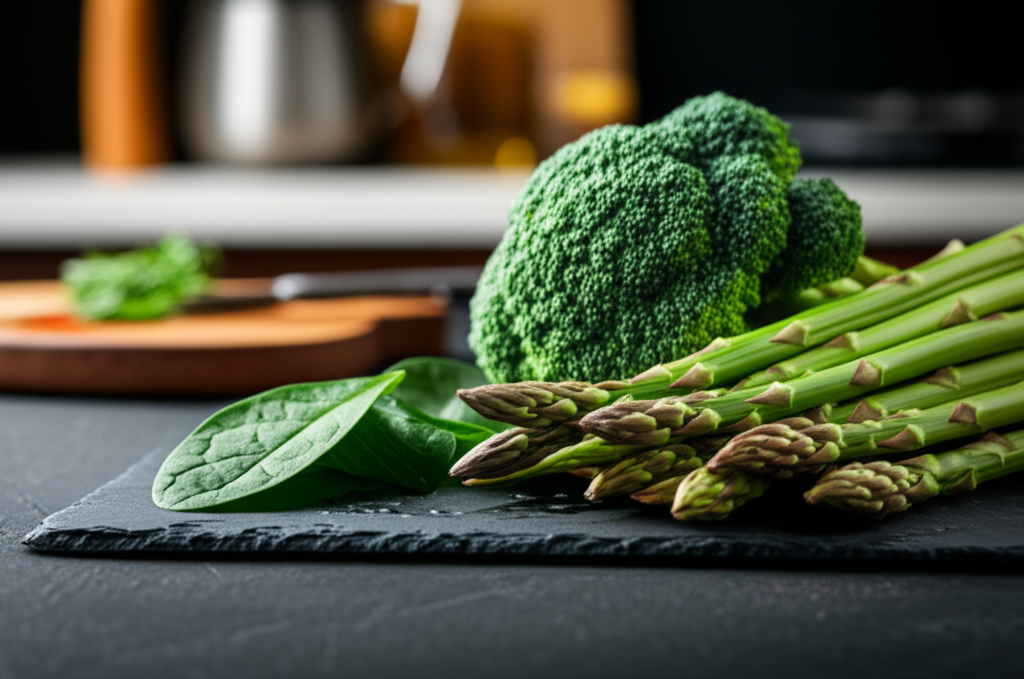
Spinach: This leafy green is a nutritional powerhouse, offering a good amount of protein along with iron and vitamins. It’s incredibly versatile, perfect for salads, smoothies, or cooked dishes.
Broccoli: Beyond its fiber and vitamin C content, broccoli provides a decent amount of protein per serving. Steamed, roasted, or added to stir-fries, it’s a delicious and healthy addition.
Asparagus: This spring favorite contains a surprising amount of protein and is rich in folate and other essential nutrients. It’s excellent grilled, roasted, or lightly steamed.
Brussels Sprouts: These mini cabbages are not only packed with fiber and vitamins but also offer a notable protein contribution. Roasting them brings out a delicious, slightly sweet flavor.
Peas: Often overlooked as a vegetable, peas are technically legumes and are an excellent source of plant-based protein. They can be enjoyed fresh, frozen, or added to various savory dishes.
Sweet Corn: Another often-categorized vegetable that’s a good source of protein and carbohydrates, providing sustained energy. It’s a favorite in many cuisines and can be grilled, boiled, or added to salads.
Potatoes: While primarily known for their carbohydrates, potatoes do offer a modest amount of protein, especially when consumed with the skin on. They are a staple food that can be prepared in countless healthy ways.
Mushrooms: Certain varieties of mushrooms, like shiitake and oyster mushrooms, contain a good amount of protein and umami flavor, making them a satisfying addition to meals. They are also rich in B vitamins and selenium.
These vegetables can be easily integrated into your daily diet, offering a sustainable way to increase your protein intake. Their diverse nutrient profiles contribute to overall health and well-being, making them true essential power foods.
The Role of Legumes and Pulses: Unsung Heroes
While technically not always classified as “vegetables” in the strictest sense, legumes and pulses are essential allies in any quest for albumin-rich plant-based foods. They are exceptionally high in protein and fiber, making them incredibly filling and beneficial for health. Their versatility in cooking makes them a cornerstone of many healthy diets worldwide.
Legumes, such as beans, lentils, and chickpeas, are nutritional giants. They are packed with protein, complex carbohydrates, and a wide array of micronutrients. Including them regularly can significantly boost your protein intake and contribute to stable energy levels throughout the day.
Consider these powerhouses:
Lentils: Available in various colors (red, green, brown), lentils are incredibly protein-dense and cook relatively quickly. They are perfect for soups, stews, and vegetarian “meat” dishes.
Chickpeas (Garbanzo Beans): A staple in Mediterranean and Indian cuisine, chickpeas are a fantastic source of protein and fiber. They can be used in salads, curries, hummus, or roasted for a crunchy snack.
Black Beans, Kidney Beans, Pinto Beans: These common beans are all excellent sources of plant-based protein and are incredibly versatile for chili, tacos, salads, and dips.
Edamame (Soybeans): Young soybeans are a complete protein source, meaning they contain all nine essential amino acids. They are delicious steamed as a snack or added to stir-fries and salads.
These plant-based staples are not only rich in protein but also provide essential minerals like iron and zinc, which are crucial for various bodily functions, including protein synthesis. Their inclusion in your diet can help you meet your protein goals without relying on animal products.
Maximizing Protein Intake: Cooking and Preparation Tips
How you prepare your albumin-rich vegetables can significantly impact their nutrient availability and your overall protein absorption. Simple cooking methods can unlock their full potential, making them more digestible and their nutrients more accessible. Experimenting with different techniques can also enhance their flavor and appeal.
Here are some effective strategies to maximize the protein you get from your veggies:
Gentle Cooking: Steaming, sautéing, or lightly boiling vegetables helps retain their nutrients better than overcooking or boiling them in large amounts of water. This preserves the delicate protein structures and other beneficial compounds.
Pairing with Complementary Proteins: While many vegetables offer a good protein base, combining them with other plant-based protein sources like beans, lentils, tofu, or quinoa can create a complete amino acid profile. This ensures your body gets all the essential building blocks it needs.
Incorporating Healthy Fats: Adding healthy fats, such as olive oil or avocado, to your vegetable dishes can improve the absorption of fat-soluble vitamins and can also make meals more satisfying. This enhances the overall nutritional value of your meal.
Using Nutritional Yeast: This deactivated yeast has a cheesy, nutty flavor and is a fantastic source of protein and B vitamins, especially B12. Sprinkle it on steamed vegetables, salads, or roasted dishes for an extra protein boost.
Pureeing and Blending: Smoothies and soups made with protein-rich vegetables can be an excellent way to consume them, especially if you find chewing large quantities difficult. This method makes nutrients highly accessible for digestion.
By adopting these cooking and preparation methods, you can ensure that you’re getting the most nutritional benefit from your albumin-rich vegetables. It’s all about smart preparation to maximize your body’s ability to utilize these valuable foods.
The Synergy of Nutrients: How Vegetables Support Albumin Synthesis
While vegetables themselves provide protein, their contribution to albumin levels goes beyond just the protein content. They are rich in vitamins, minerals, and antioxidants that work synergistically to support the body’s natural processes for creating and maintaining albumin. These micronutrients are essential co-factors in many metabolic pathways.
Key nutrients found in these vegetables play vital roles:
Iron: Essential for oxygen transport, iron is also involved in protein synthesis. Leafy greens like spinach are excellent sources of this vital mineral.
Zinc: This mineral is crucial for immune function and wound healing, and it plays a role in protein metabolism. Many vegetables contain zinc, though often in smaller amounts than animal products.
B Vitamins (Folate, B6): These vitamins are critical for numerous metabolic processes, including amino acid metabolism, which is directly linked to protein synthesis. Asparagus and leafy greens are good sources of folate.
Antioxidants: Vitamins like C and E, along with various phytonutrients, help protect cells from damage. This protection is vital for maintaining the integrity of all bodily proteins, including albumin.
By providing a broad spectrum of these supporting nutrients, vegetables create an optimal internal environment for albumin production and maintenance. This holistic approach to nutrition ensures your body functions at its best.
Albumin Rich Vegetables and Meal Delivery Services: A Convenient Match
For busy professionals, students, or families, finding the time to prepare healthy, protein-rich meals can be a challenge. This is where meal delivery services and grocery delivery apps become invaluable allies. They can bring a wealth of albumin-rich vegetables and protein-packed ingredients right to your doorstep, simplifying healthy eating.
Many meal kit services now offer a wide variety of plant-based options, often highlighting their protein content. You can easily choose meals that feature spinach, broccoli, lentils, or other nutrient-dense vegetables. These services take the guesswork out of meal planning and preparation.
Grocery delivery apps also make it incredibly easy to stock up on your favorite albumin-rich vegetables. You can quickly add fresh produce, legumes, and other plant-based staples to your cart without needing to visit the store. This saves precious time and ensures you always have healthy ingredients on hand.
Consider exploring services that focus on healthy or plant-based meals. Many offer customizable options, allowing you to tailor your orders to your specific dietary needs and preferences. This convenience factor makes it easier than ever to consistently incorporate these power foods into your diet.
Incorporating Albumin Rich Vegetables into Your Diet: Practical Strategies
Making albumin-rich vegetables a regular part of your meals doesn’t have to be complicated. With a few simple strategies, you can effortlessly boost your intake and enjoy the many health benefits they offer. Think about small changes that can have a big impact over time.
Here are some practical ways to weave these power foods into your daily routine:
Start Your Day with Greens: Add a handful of spinach to your morning smoothie or scramble some eggs with chopped mushrooms and bell peppers. This is a fantastic way to kickstart your protein intake early.
Bulk Up Your Salads: Don’t just stick to lettuce. Load your salads with chopped broccoli, peas, corn, and a generous serving of chickpeas or lentils. This turns a side salad into a satisfying meal.
Sneak Them into Soups and Stews: Finely chop or blend vegetables like spinach, kale, or broccoli into your favorite soups and stews. They add nutrients and volume without drastically altering the flavor.
Roast for Flavor: Roasting vegetables like Brussels sprouts, broccoli, and asparagus brings out their natural sweetness and makes them incredibly appealing. Toss them with a little olive oil, salt, and pepper for a simple, delicious side.
Make Veggie-Packed Pasta Sauces: Blend pureed carrots, zucchini, or cauliflower into your tomato-based pasta sauces. This is a great way to add protein and nutrients, especially for picky eaters.
* Snack Smart: Keep pre-cut vegetables like carrots, celery, and bell peppers on hand for easy snacking. Pair them with hummus or a yogurt-based dip for added protein.
By making these simple additions and substitutions, you can significantly increase your intake of albumin-rich vegetables and enjoy the health benefits they provide. Consistency is key to reaping the rewards.
Addressing Concerns: Are Vegetables Enough for Albumin?
A common question is whether relying solely on vegetables is sufficient for maintaining adequate albumin levels. The answer is a resounding yes, provided your diet is well-balanced and varied. While animal products are dense protein sources, a thoughtful combination of plant-based foods can provide all the necessary amino acids and nutrients.
The key lies in variety. Different vegetables and plant-based foods contain varying profiles of amino acids. By consuming a diverse range of these foods, you ensure your body receives a complete spectrum of essential amino acids required for protein synthesis, including albumin.
For example, combining grains with legumes creates a complete protein. Think of rice and beans, or lentil soup with whole-grain bread. These pairings are not just traditional; they are nutritionally sound.
It’s also important to consider the overall caloric intake and the presence of other essential nutrients like iron and zinc, which are crucial for protein metabolism. A diet rich in a wide array of vegetables, fruits, whole grains, nuts, and seeds can easily support healthy albumin levels. If you have specific health concerns, consulting a registered dietitian can provide personalized guidance.
Frequently Asked Questions About Albumin Rich Vegetables
What are the best albumin-rich vegetables for muscle building?
Spinach, broccoli, peas, and asparagus are excellent choices due to their protein content and nutrient density, supporting muscle repair and growth.
Can I get enough protein for albumin from a vegan diet?
Absolutely! A well-planned vegan diet, rich in legumes, lentils, tofu, tempeh, and a variety of vegetables, can easily meet your protein needs for albumin production.
How much protein is in common vegetables?
While it varies, a cup of cooked spinach has about 5 grams of protein, peas around 8-9 grams, and broccoli about 4 grams. Legumes like lentils and beans are even higher.
Are there any specific vegetables to avoid if I’m concerned about albumin levels?
There are no specific vegetables to avoid. The focus should be on including a wide variety of nutrient-dense options to ensure a balanced intake of amino acids and supporting nutrients.
What are the signs of low albumin?
Signs can include swelling (edema), fatigue, frequent infections, and skin issues. However, these can also be symptoms of other conditions, so it’s best to consult a healthcare professional.
How can I increase my vegetable intake easily?
Start by adding a handful of spinach to smoothies, incorporating more peas and corn into meals, and roasting vegetables like broccoli and Brussels sprouts as a flavorful side dish.
What is the difference between albumin and other proteins?
Albumin is a specific type of protein found in blood plasma, primarily produced by the liver, with roles in fluid balance and transport. Other proteins are found in muscles, enzymes, and antibodies, serving different functions.
Conclusion: Embrace the Power of Albumin Rich Vegetables
As we’ve explored, vegetables are far more than just sources of vitamins and fiber; they are potent providers of the building blocks your body needs, including those essential for albumin. By incorporating a diverse range of albumin-rich vegetables and legumes into your diet, you can effectively support your protein intake, muscle health, and overall well-being. Whether you’re a seasoned vegetarian, exploring plant-based options, or simply looking to enhance your nutritional intake, these power foods offer a delicious and healthy solution.
Don’t underestimate the impact of these plant-based powerhouses. They are readily available, versatile in the kitchen, and contribute significantly to a balanced and healthy lifestyle. By making conscious choices to include more spinach, broccoli, peas, lentils, and other protein-packed vegetables, you’re investing in your health and vitality. So, go ahead and fill your plate with these incredible foods – your body will thank you for it!


Belayet Hossain is a Senior Tech Expert and Certified AI Marketing Strategist. Holding an MSc in CSE (Russia) and over a decade of experience since 2011, he combines traditional systems engineering with modern AI insights. Specializing in Vibe Coding and Intelligent Marketing, Belayet provides forward-thinking analysis on software, digital trends, and SEO, helping readers navigate the rapidly evolving digital landscape. Connect with Belayet Hossain on Facebook, Twitter, Linkedin or read my complete biography.