
Published on: 11/10/2025 | Updated on: October 11, 2025
Ale Chutney: The Essential & Irresistible Recipe for Food Lovers
Ale chutney is a rich, tangy condiment that elevates any meal. This easy-to-follow recipe delivers a perfect balance of sweet, sour, and spicy notes, making it an irresistible addition to your kitchen. Learn how to make this versatile chutney that pairs wonderfully with cheese, meats, and more.
Welcome! Are you tired of bland meals? Do you want to add a special flavor to your food? Many people struggle to find that perfect condiment. It can be hard to make something delicious from scratch. But don’t worry, I’m here to help. I’ll guide you through making an amazing ale chutney. This recipe is simple and the results are fantastic. Get ready to impress yourself and your friends!
What is Ale Chutney?
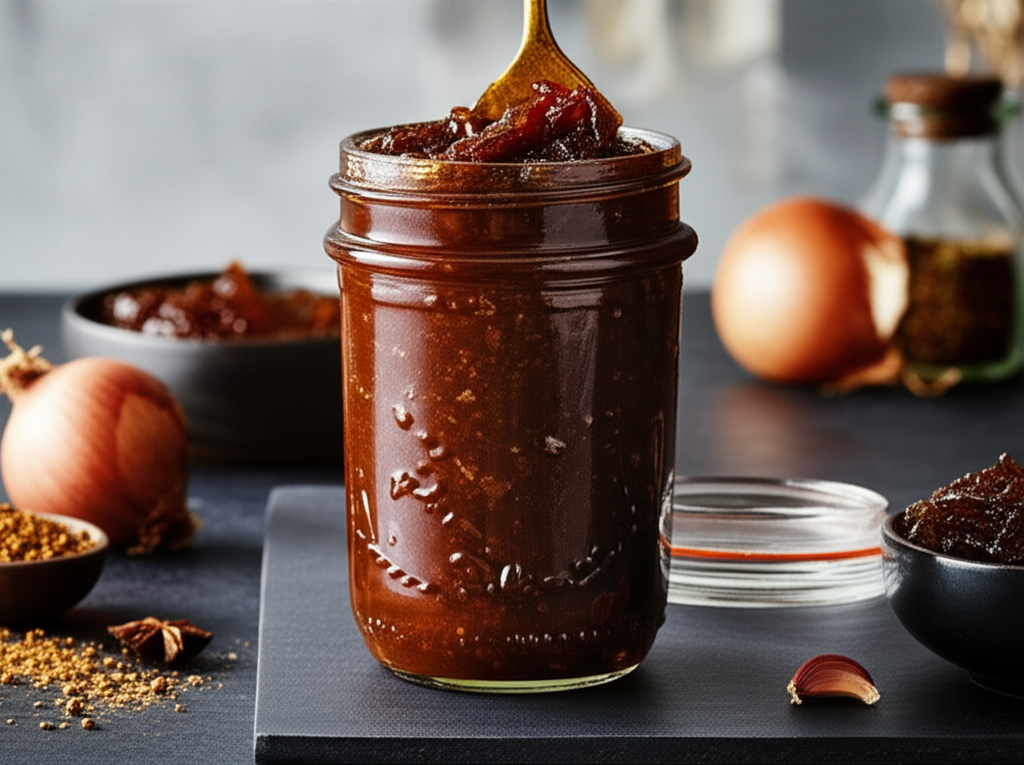
Ale chutney is a flavorful condiment. It is made with ale, fruits, and spices. The ale gives it a unique, deep taste. It’s often sweet and tangy. This chutney is perfect for many dishes. Think of it as a gourmet jam for your savory foods.
Why You Need Ale Chutney in Your Life
Ale chutney is more than just a sauce. It’s a flavor enhancer. It can transform ordinary meals into something special. Imagine serving it with cheese and crackers. It’s also great with roasted meats. This chutney adds a gourmet touch. It’s a simple way to impress.
Choosing the Right Ale for Your Chutney
The type of ale you use matters. It affects the final flavor. A mild ale works well for a balanced taste. A stronger ale can give a bolder flavor. Dark ales add richness. Pale ales offer a lighter, fruitier note. Experiment to find your favorite.
Essential Ingredients for Your Ale Chutney
Gathering your ingredients is the first step. You’ll need good quality ale. Apples and onions form the base. Sugar adds sweetness. Vinegar provides the tang. Spices like ginger, mustard seeds, and chili flakes add depth. Raisins can add a chewy sweetness.
1 cup of ale (a mild brown ale or pale ale is good)
2 large onions, finely chopped
2 large cooking apples, peeled, cored, and chopped
1 cup of brown sugar
1/2 cup of malt vinegar
1 tablespoon of grated fresh ginger
1 teaspoon of mustard seeds
1/2 teaspoon of chili flakes (optional, for heat)
1/2 cup of raisins (optional)
Salt to taste
Step-by-Step Guide to Making Ale Chutney
Making ale chutney is easier than you think. Follow these simple steps. You will create a delicious condiment.
Step 1: Prepare the Onions and Apples

Start by finely chopping your onions. Peel, core, and chop your apples. The size of the chop will affect the texture. Smaller pieces cook down more. Larger pieces give a chunkier chutney.
Step 2: Combine Ingredients in a Pot
In a large, heavy-bottomed saucepan, combine the chopped onions and apples. Add the brown sugar and malt vinegar. Pour in the ale. Stir everything together well.
Step 3: Add the Spices and Raisins
Now, add the grated ginger, mustard seeds, and chili flakes if you are using them. If you like a bit of chewiness, add the raisins now. These spices are key to the chutney’s flavor.
Step 4: Cook the Chutney
Place the saucepan over medium heat. Bring the mixture to a gentle simmer. Stir occasionally to prevent sticking. Cook for about 45 minutes to an hour. The chutney should thicken. The apples and onions should be very soft.
Step 5: Simmer and Thicken
Reduce the heat to low. Let the chutney simmer gently. Stir more frequently now. This helps it thicken further. Cook until it reaches your desired consistency. It should be thick but still spreadable.
Step 6: Season and Cool
Taste the chutney. Add salt if needed. Let the chutney cool completely. This allows the flavors to meld. It will thicken more as it cools.
Making this ale chutney is a rewarding process. You end up with a versatile condiment. It’s ready to be enjoyed with many foods.
Tips for Perfecting Your Ale Chutney
A few tricks can make your chutney even better. Pay attention to the consistency. Stirring is important. Patience is key. Don’t rush the cooking process.
Low and Slow: Cook the chutney on low heat. This prevents burning. It also allows flavors to develop.
Stir Often: Especially towards the end. This stops it from sticking.
Test Consistency: A good test is to run a spoon through the chutney. If it leaves a clear path, it’s ready.
Cooling is Crucial: Flavors deepen significantly as the chutney cools.
Following these tips will help you achieve a delicious ale chutney. It will be a staple in your kitchen.
Storing Your Homemade Ale Chutney
Proper storage keeps your chutney fresh. Sterilize your jars. This is very important. It helps prevent spoilage.
Sterilizing Jars
Wash your jars and lids thoroughly. Place them in a preheated oven at 140°C (285°F) for about 15 minutes. Or, boil them in water for 10 minutes. Ensure they are completely dry before filling.
Filling and Sealing
Carefully spoon the hot chutney into the sterilized jars. Leave a small gap at the top. Wipe the rims clean. Seal the jars tightly with their lids.
Storage Guidelines
Once cooled, store the jars in a cool, dark place. Properly sealed chutney can last for several months. Once opened, keep it in the refrigerator. It will last for about 4-6 weeks in the fridge.
This careful storage ensures your delicious ale chutney is always ready. You can enjoy its flavor for a long time.
Creative Ways to Serve Ale Chutney
Ale chutney is incredibly versatile. It pairs well with so many foods. Think beyond just cheese boards.
With Cheeses
It’s a classic pairing with strong cheeses. Cheddar, Stilton, or mature Gouda are excellent choices. The sweet and tangy chutney cuts through the richness.
With Meats
Serve it alongside roasted pork, lamb, or beef. It’s also fantastic with cold cuts. Try it with ham or a turkey sandwich.
In Sandwiches and Burgers
Add a spoonful to your favorite sandwich. It gives a gourmet twist to a simple ham and cheese. It also makes burgers extra special.
With Savory Pies and Pastries
Serve a dollop with a steak pie or a pasty. It adds a bright, complex flavor. It can also be a great dip for savory pastries.
As a Glaze
You can even use it as a glaze for roasted meats. Brush it on during the last few minutes of cooking. It creates a beautiful, sticky finish.
The possibilities are endless with this ale chutney. It’s a flavor boost for almost anything.
Troubleshooting Common Ale Chutney Problems
Sometimes, things don’t go as planned. Don’t worry, most problems are fixable. Here are a few common issues and their solutions.
Chutney is Too Thin
If your chutney is still too thin after cooking, don’t despair. You can cook it for longer on low heat. Stir it more often. You can also add a little more sugar. Sugar helps to thicken chutneys.
Chutney is Too Thick
If it becomes too thick, you can thin it out. Add a little more ale or vinegar. Stir well and cook for a few more minutes.
Flavor is Too Strong or Too Weak
You can adjust the flavor. If it’s too sweet, add more vinegar or a pinch of salt. If it’s too tangy, add a little more sugar. If you want more spice, add a bit more ginger or chili.
Addressing these small issues ensures you get the perfect ale chutney. It’s all about balance.
A Comparative Look: Ale Chutney vs. Other Condiments
How does ale chutney stack up against other condiments? It offers a unique profile.
| Condiment | Primary Flavor Profile | Common Pairings | Texture |
| :————- | :—————————————————- | :————————————————– | :————- |
| Ale Chutney | Sweet, tangy, complex, malty undertones | Cheese, meats, sandwiches, pies | Chunky, jam-like |
| Ketchup | Sweet, tangy, tomato-based | Fries, burgers, hot dogs | Smooth |
| Mustard | Pungent, sharp, spicy (varies by type) | Hot dogs, sandwiches, sausages | Paste or grainy |
| Jam/Jelly | Sweet, fruity | Toast, pastries, some cheeses | Smooth or with fruit pieces |
| BBQ Sauce | Sweet, smoky, tangy, often spicy | Grilled meats, ribs, pulled pork | Smooth or thick |
Ale chutney stands out with its depth of flavor. The ale adds a malty complexity. This isn’t found in most other common condiments. It bridges the gap between sweet jams and savory relishes.
Frequently Asked Questions About Ale Chutney
Here are some common questions people have. I’ll answer them simply.
Can I use any kind of ale?
Yes, you can use most ales. Mild brown ales or pale ales are often recommended. Stronger or darker ales will give a bolder flavor. Experiment to see what you like best.
How long does homemade ale chutney last?
When stored properly in sterilized jars, it can last for several months. Once opened, it should be kept in the refrigerator and used within 4-6 weeks.
What can I serve ale chutney with if I don’t eat meat?
Ale chutney is delicious with vegetarian options. Try it with strong cheeses like mature cheddar. It’s also great with vegetarian pies or savory tarts. Roasted root vegetables also pair well.
My chutney seems too vinegary. What can I do?
If the vinegar taste is too strong, you can add a little more sugar. Cook it gently for a bit longer. This can help to balance the flavors.
Can I make ale chutney without alcohol?
While the ale is key to the flavor, you can adapt it. You could use a non-alcoholic beer. Or, replace the ale with a little extra stock and a pinch of malt extract for color and depth.
Is it better to chop the onions finely or coarsely?
This is a matter of preference. Finely chopped onions will break down more. This creates a smoother chutney. Coarser pieces will remain more distinct. Both methods produce a delicious result.
Conclusion: The Irresistible Charm of Homemade Ale Chutney
So there you have it! Making your own ale chutney is a rewarding experience. It’s a simple recipe that delivers big on flavor. This versatile condiment will become a favorite. You can use it to elevate everyday meals. It’s perfect for cheese boards, sandwiches, and roasted meats. Don’t be afraid to experiment with your favorite ale. Enjoy the process and the delicious results. Your homemade ale chutney is ready to impress!

Belayet Hossain is a Senior Tech Expert and Certified AI Marketing Strategist. Holding an MSc in CSE (Russia) and over a decade of experience since 2011, he combines traditional systems engineering with modern AI insights. Specializing in Vibe Coding and Intelligent Marketing, Belayet provides forward-thinking analysis on software, digital trends, and SEO, helping readers navigate the rapidly evolving digital landscape. Connect with Belayet Hossain on Facebook, Twitter, Linkedin or read my complete biography.