


Published on: 11/10/2025 | Updated on: October 11, 2025
Aleppo pepper adds a unique, mild heat and fruity depth to dishes. Learn its secrets to elevate your cooking with this versatile spice.
Are you tired of bland meals? Do you want to add a special touch to your cooking? Many home cooks struggle to find spices that offer both flavor and a gentle warmth. It can be frustrating when recipes call for ingredients you’ve never heard of. But don’t worry, I’m here to help! I’ve spent years exploring different flavors and cuisines. Today, I’ll guide you through the wonderful world of Aleppo pepper. You’ll learn what makes it so special and how to use it. Get ready to unlock a new level of deliciousness in your kitchen.
What is Aleppo Pepper? A Flavor Profile Deep Dive
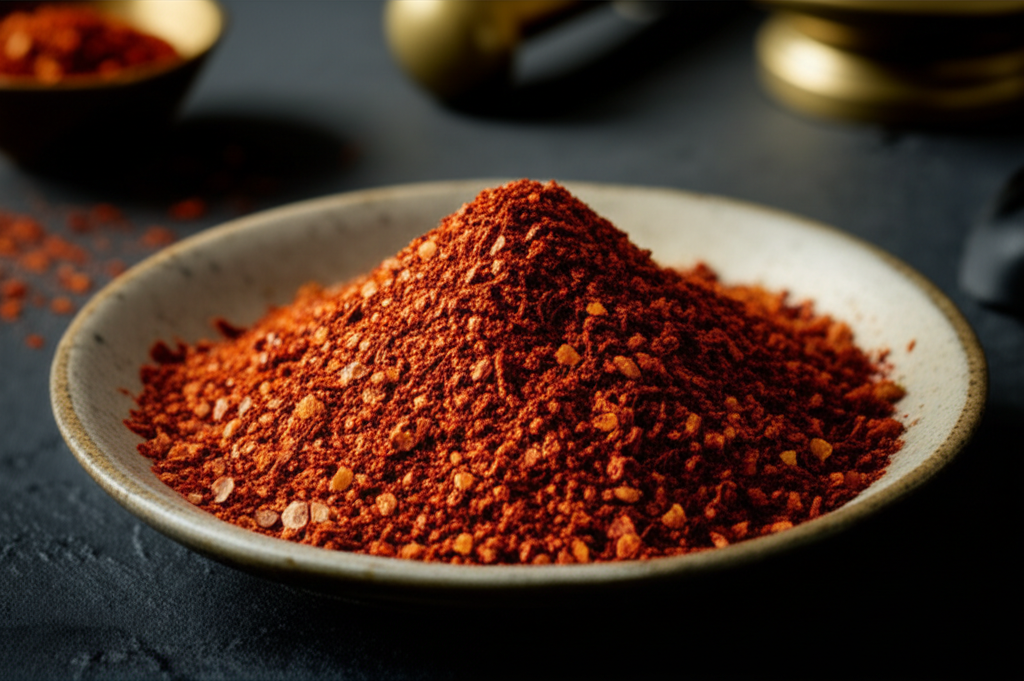
Aleppo pepper is a chili pepper that comes from Syria. It’s dried and crushed into flakes. This pepper has a unique flavor. It’s not just spicy. It also has a fruity taste, like a sun-dried tomato. The heat is mild. It’s not overpowering. This makes it very versatile for cooking. It adds depth without burning your tongue.
The Origin Story: Where Does Aleppo Pepper Come From?

The name “Aleppo pepper” comes from the city of Aleppo in Syria. This region has a long history of growing chili peppers. For centuries, farmers in this area have cultivated specific types of peppers. These peppers are known for their rich flavor and moderate heat. The traditional methods of growing and processing these peppers have been passed down through generations. This heritage contributes to the unique quality of Aleppo pepper.
Beyond Heat: Unpacking the Flavor Notes of Aleppo Pepper
Aleppo pepper offers more than just a little kick. Its flavor is complex and inviting. You’ll notice a pleasant fruitiness. It often reminds people of sun-dried tomatoes. There’s also a subtle sweetness. Some describe it as having a hint of raisin. This makes it a wonderful addition to many dishes. It provides warmth and a savory depth. It’s not a sharp, fiery heat. It’s a slow, building warmth that enhances other flavors.
How Aleppo Pepper is Made: From Plant to Plate
The journey of Aleppo pepper from a plant to your spice rack is fascinating. It involves careful cultivation and processing. This traditional method ensures its distinctive taste and texture. Understanding this process helps appreciate its value.
Cultivation and Harvesting: The Seeds of Flavor
Aleppo peppers are typically grown in arid regions. The soil and climate play a crucial role. Farmers nurture the pepper plants carefully. They wait for the peppers to ripen fully on the vine. This slow ripening allows the flavors to develop. Once ripe, the peppers are harvested by hand. This ensures only the best peppers are selected. The quality of the pepper starts with the plant itself.
Drying and Processing: Unlocking the Essence
After harvesting, the peppers are dried. This is often done in the sun. The drying process concentrates their flavor. It also reduces their moisture content. The dried peppers are then deseeded. This helps control the level of heat. Finally, they are coarsely crushed into flakes. This gives Aleppo pepper its characteristic texture. Some producers add a little salt or oil. This can affect shelf life and flavor slightly.
The Magic of Aleppo Pepper: Culinary Applications
Aleppo pepper is incredibly versatile in the kitchen. Its mild heat and fruity notes make it a favorite for many chefs and home cooks. You can use it in a wide range of dishes. It’s a secret weapon for adding complexity.
Savory Star: Enhancing Meats, Vegetables, and Grains
Aleppo pepper shines in savory applications. Sprinkle it on grilled meats before or after cooking. It adds a beautiful color and a gentle warmth. Roasted vegetables become more exciting with a dash of Aleppo pepper. Think of potatoes, cauliflower, or Brussels sprouts. It also works well with grains like rice or quinoa. It can be stirred into stews and chili for an extra layer of flavor.
Sweet Surprises: A Touch of Spice in Desserts
Don’t be afraid to experiment with Aleppo pepper in sweet dishes. Its fruity notes pair surprisingly well with chocolate. Try adding a pinch to brownies or chocolate chip cookies. It can also complement fruits like berries or peaches. A sprinkle on grilled pineapple or a fruit crumble can be delightful. The subtle heat adds an unexpected and pleasing contrast to sweetness.
Beyond the Kitchen: Topical Uses and Health
While primarily a culinary spice, Aleppo pepper has other uses. In its region of origin, it’s sometimes used for its perceived health benefits. These are often linked to capsaicin, the compound that gives chili peppers their heat. However, it’s important to remember that these are traditional uses. For any health concerns, always consult a medical professional. Its main value remains its unique flavor profile.
Comparing Aleppo Pepper to Other Chili Flakes
Many people wonder how Aleppo pepper stacks up against other common chili flakes. Understanding these differences helps you choose the right spice. Each has its own unique characteristics.
Red Pepper Flakes vs. Aleppo Pepper: A Fiery Showdown
Standard red pepper flakes are common in Western kitchens. They are typically made from a mix of hot peppers. Their heat level can vary greatly. They often provide a sharp, direct heat. Aleppo pepper, on the other hand, is milder. It has a more complex, fruity flavor. Red pepper flakes are good for intense heat. Aleppo pepper is better for nuanced flavor and gentle warmth.
Gochugaru and Other Regional Peppers: A World of Spice
Gochugaru, a Korean chili powder, offers a different experience. It’s often smoky and slightly sweet. Its heat is usually mild to medium. It’s key in dishes like kimchi. Other regional chili flakes exist too. Each has a unique origin and flavor profile. Aleppo pepper stands out with its Syrian roots and sun-dried tomato notes. Exploring these different peppers can expand your culinary horizons.
Where to Find Authentic Aleppo Pepper
Finding genuine Aleppo pepper is key to experiencing its true flavor. Not all products labeled “Aleppo pepper” are the same. Authenticity matters for the best taste.
Online Retailers: A Global Pantry at Your Fingertips
Many online spice shops and gourmet food retailers sell Aleppo pepper. These often source directly from the region or reputable distributors. Look for descriptions that mention its origin or specific processing. Reading reviews can also help you gauge quality. Online shopping offers a wide selection. It makes finding authentic ingredients easier than ever.
Specialty Grocery Stores and Ethnic Markets: Local Treasures
Your local specialty grocery store or ethnic market might carry Aleppo pepper. These stores often pride themselves on unique and authentic products. Don’t hesitate to ask store staff for recommendations. They can guide you to the best options. Exploring these markets can be a fun adventure. You might discover other wonderful ingredients too.
Tips for Storing Aleppo Pepper to Preserve Freshness
Proper storage ensures your Aleppo pepper stays flavorful. Like any spice, it can lose its potency over time. Following a few simple guidelines will help.
Airtight Containers: The First Line of Defense
Always store Aleppo pepper in an airtight container. This prevents moisture and air from getting in. Exposure to air causes spices to lose their flavor. Moisture can lead to clumping. Glass jars with tight-fitting lids are ideal. Small tins also work well. Keep the container in a dark place.
Cool, Dark, and Dry: The Spice Sanctuary
The best place to store Aleppo pepper is in a cool, dark, and dry location. Avoid storing it near the stove or oven. Heat and humidity are enemies of spices. A pantry or a dedicated spice cabinet is usually perfect. Properly stored, Aleppo pepper can retain its flavor for a long time.
Creative Recipes Featuring Aleppo Pepper
Ready to put your Aleppo pepper to use? Here are some simple yet delicious recipe ideas. They showcase its unique flavor.
Simple Roasted Chicken with Aleppo Pepper
Ingredients:
1 whole chicken
2 tablespoons olive oil
1 tablespoon Aleppo pepper
1 teaspoon salt
1/2 teaspoon black pepper
Lemon wedges and herbs for stuffing (optional)
Instructions:
1. Preheat your oven to 400°F (200°C).
2. Pat the chicken dry with paper towels.
3. In a small bowl, mix olive oil, Aleppo pepper, salt, and black pepper.
4. Rub this mixture all over the chicken.
5. If desired, stuff the cavity with lemon wedges and herbs.
6. Place the chicken in a roasting pan.
7. Roast for about 1 hour and 15 minutes, or until the juices run clear.
8. Let it rest for 10 minutes before carving.
This recipe is easy and impressive. The Aleppo pepper gives the chicken a beautiful color and a subtle, warm flavor.
Whipped Feta Dip with a Kick
Ingredients:
8 ounces feta cheese, crumbled
4 ounces cream cheese, softened
2 tablespoons olive oil, plus more for drizzling
1 tablespoon fresh lemon juice
1 teaspoon Aleppo pepper, plus more for garnish
Pita bread or vegetables for serving
Instructions:
1. In a food processor, combine feta cheese, cream cheese, olive oil, and lemon juice.
2. Process until smooth and creamy. You may need to scrape down the sides.
3. Stir in 1 teaspoon of Aleppo pepper.
4. Transfer the dip to a serving bowl.
5. Drizzle with a little extra olive oil and sprinkle with more Aleppo pepper.
6. Serve with pita bread or your favorite vegetables.
This dip is perfect for appetizers. The Aleppo pepper adds a delightful warmth that balances the salty feta.
Aleppo Pepper Roasted Brussels Sprouts
Ingredients:
1 pound Brussels sprouts, trimmed and halved
2 tablespoons olive oil
1 teaspoon Aleppo pepper
1/2 teaspoon salt
* 1/4 teaspoon black pepper
Instructions:
1. Preheat your oven to 400°F (200°C).
2. In a bowl, toss Brussels sprouts with olive oil, Aleppo pepper, salt, and black pepper.
3. Spread the sprouts in a single layer on a baking sheet.
4. Roast for 20-25 minutes, or until tender and slightly crispy.
5. Toss and serve immediately.
This is a simple side dish that is full of flavor. The Aleppo pepper brings out the natural sweetness of the Brussels sprouts.
Frequently Asked Questions About Aleppo Pepper
Here are some common questions people have about Aleppo pepper. I hope these answers help clear things up.
Q1: Is Aleppo pepper very spicy?
No, Aleppo pepper is not very spicy. It has a mild heat. It is much less hot than cayenne pepper or crushed red pepper flakes. Its flavor is more about warmth and fruitiness.
Q2: Can I substitute Aleppo pepper for red pepper flakes?
Yes, you can substitute Aleppo pepper for red pepper flakes. However, keep in mind the heat level. You might need to use a bit more Aleppo pepper to get the same amount of heat. But you will also add a different, fruitier flavor.
Q3: How long does Aleppo pepper last?
When stored properly in an airtight container in a cool, dark place, Aleppo pepper can last for 2-3 years. Its flavor will gradually fade over time. It’s best to use it within the first year for the most vibrant taste.
Q4: Where is the best place to buy Aleppo pepper?
The best place to buy authentic Aleppo pepper is from reputable online spice retailers or specialty food stores. Look for products that specify their origin in Syria or the surrounding region. This ensures you get the genuine article.
Q5: What dishes does Aleppo pepper go well with?
Aleppo pepper is very versatile. It pairs well with roasted meats, vegetables, stews, and even some desserts. It’s great on eggs, in dips, and sprinkled over pizza or pasta. Its fruity and mild heat notes complement many flavors.
Q6: Is Aleppo pepper healthy?
Like other chili peppers, Aleppo pepper contains compounds like capsaicin. These are believed to have some health benefits, such as anti-inflammatory properties. However, it’s primarily used for its flavor. It should be consumed in moderation as part of a balanced diet.
Conclusion: Embrace the Flavor of Aleppo Pepper
Aleppo pepper is a true gem in the world of spices. Its unique combination of mild heat, fruity notes, and rich color makes it a standout ingredient. From savory roasted meats to surprising sweet treats, its versatility knows few bounds. By understanding its origins and proper use, you can easily elevate your everyday cooking. Don’t be afraid to experiment. Add a pinch here, a sprinkle there. You’ll soon find that Aleppo pepper becomes a staple in your spice collection. It’s a simple way to add a touch of the exotic and a whole lot of deliciousness to your meals.
Frequently Asked Questions
Q1: Is Aleppo pepper very spicy?
No, Aleppo pepper is not very spicy. It has a mild heat. It is much less hot than cayenne pepper or crushed red pepper flakes. Its flavor is more about warmth and fruitiness.
Q2: Can I substitute Aleppo pepper for red pepper flakes?
Yes, you can substitute Aleppo pepper for red pepper flakes. However, keep in mind the heat level. You might need to use a bit more Aleppo pepper to get the same amount of heat. But you will also add a different, fruitier flavor.
Q3: How long does Aleppo pepper last?
When stored properly in an airtight container in a cool, dark place, Aleppo pepper can last for 2-3 years. Its flavor will gradually fade over time. It’s best to use it within the first year for the most vibrant taste.
Q4: Where is the best place to buy Aleppo pepper?
The best place to buy authentic Aleppo pepper is from reputable online spice retailers or specialty food stores. Look for products that specify their origin in Syria or the surrounding region. This ensures you get the genuine article.
Q5: What dishes does Aleppo pepper go well with?
Aleppo pepper is very versatile. It pairs well with roasted meats, vegetables, stews, and even some desserts. It’s great on eggs, in dips, and sprinkled over pizza or pasta. Its fruity and mild heat notes complement many flavors.
Q6: Is Aleppo pepper healthy?
Like other chili peppers, Aleppo pepper contains compounds like capsaicin. These are believed to have some health benefits, such as anti-inflammatory properties. However, it’s primarily used for its flavor. It should be consumed in moderation as part of a balanced diet.

Belayet Hossain is a Senior Tech Expert and Certified AI Marketing Strategist. Holding an MSc in CSE (Russia) and over a decade of experience since 2011, he combines traditional systems engineering with modern AI insights. Specializing in Vibe Coding and Intelligent Marketing, Belayet provides forward-thinking analysis on software, digital trends, and SEO, helping readers navigate the rapidly evolving digital landscape. Connect with Belayet Hossain on Facebook, Twitter, Linkedin or read my complete biography.