
Published on: 11/10/2025 | Updated on: October 11, 2025
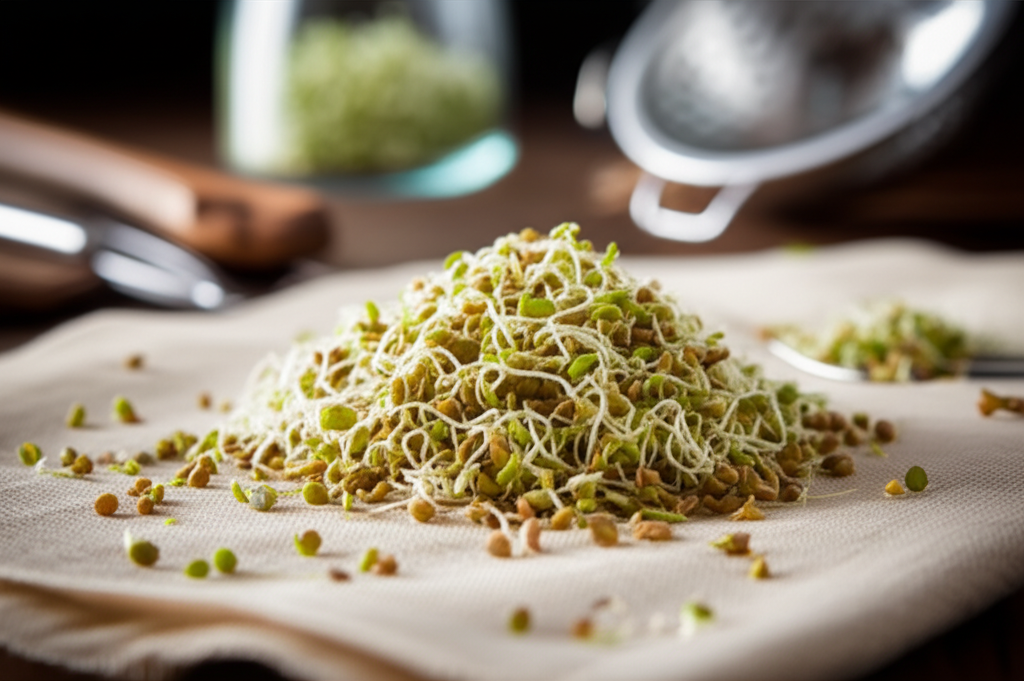
Alfalfa sprout seeds are tiny powerhouses for growing nutritious sprouts at home. This guide makes understanding and using them simple for everyone.
Growing your own fresh alfalfa sprouts can seem a bit tricky. Many people wonder where to start. You might feel overwhelmed by the options. This guide is here to help. We will walk you through everything you need to know about alfalfa sprout seeds. You’ll learn how to choose them and how to grow them easily. Get ready to enjoy healthy sprouts right from your kitchen!
Why Grow Alfalfa Sprouts? The Superfood Seed
Alfalfa sprout seeds are a fantastic choice for home growers. They are packed with nutrients. Sprouts offer a fresh, crisp addition to salads and sandwiches. Growing them yourself ensures peak freshness and quality. It’s also a rewarding and simple process.
Alfalfa sprouts are known for their health benefits. They are a good source of vitamins and minerals. These tiny seeds can yield a lot of food. They grow quickly, making them a fast way to get fresh produce.
Nutritional Powerhouse in a Tiny Package

Alfalfa sprouts are incredibly nutritious. They contain vitamins A, C, and K. They also offer minerals like iron and magnesium. These nutrients are important for good health. Eating sprouts can boost your daily intake of essential elements.
Sprouts are also a good source of fiber. Fiber helps with digestion. It keeps your digestive system running smoothly. Adding sprouts to your meals is an easy way to increase fiber.
Easy to Grow, Even for Beginners
You don’t need a green thumb to grow alfalfa sprouts. The process is very straightforward. It requires minimal equipment and space. You can grow them on your countertop. This makes them accessible to everyone.
The growing cycle is short. You can have fresh sprouts in about a week. This makes it a perfect project for impatient gardeners. It’s a fun activity for families too.
Choosing the Right Alfalfa Sprout Seeds
Not all alfalfa sprout seeds are the same. It’s important to pick good quality seeds. This ensures healthy growth and a good harvest. Look for seeds specifically meant for sprouting. These are usually free from contaminants.
Organic seeds are a great option. They are grown without harmful pesticides. This is important for food safety. Always check the source of your seeds. Reputable suppliers are key.
What to Look For in Sprouting Seeds
When buying alfalfa sprout seeds, look for freshness. Seeds that are too old may not sprout well. Check the packaging for a harvest date. Seeds should look clean and uniform. Avoid seeds that are discolored or broken.
The packaging should be sealed properly. This protects the seeds from moisture and pests. Good packaging helps maintain seed viability. It ensures you get the best results.
Where to Buy Alfalfa Sprout Seeds
You can find alfalfa sprout seeds in many places. Health food stores are a good source. Many grocery stores also carry them. Online retailers offer a wide selection. Look for specialty seed companies.
When ordering online, read reviews. See what other growers say about the seeds. This can guide your purchase. Choose a vendor that specializes in sprouting seeds.
The Basic Alfalfa Sprouting Process: Step-by-Step
Growing alfalfa sprouts at home is simple. You will need seeds, water, and a sprouting container. A jar or a tray works well. Follow these easy steps for success.
First, rinse your alfalfa sprout seeds. Then, soak them in water for a few hours. After soaking, drain them completely. Rinse them again and drain well. Repeat this rinsing and draining process two to three times a day.
Step 1: Rinsing and Soaking the Seeds
Start by putting your alfalfa sprout seeds in a bowl. Cover them with clean, cool water. Let them soak for about 6 to 8 hours. This helps to wake up the seeds. It prepares them for germination.
After soaking, pour off the water. Rinse the seeds thoroughly with fresh water. Make sure all the soaking water is gone. This prevents mold and bacteria growth.
Step 2: Draining and Rinsing Cycle
Place your soaked seeds in a sprouting jar or tray. If using a jar, you can use a mesh lid. This allows water to drain out easily. For a tray, ensure it has drainage holes. Tilt the container to let all water escape.
Rinse the seeds again with fresh water. Swish them around gently. Drain them completely. This rinsing and draining routine is crucial. Do it at least twice a day, morning and evening.
Step 3: Germination and Growth
Keep the seeds in a warm, dark place. Avoid direct sunlight. The seeds will start to sprout in a day or two. You will see tiny roots emerging. The sprouts will grow longer each day.
Continue the rinsing and draining cycle. This keeps the sprouts moist. It also washes away waste products. Sprouts are usually ready to eat in 5 to 7 days.
Sprouting Methods and Equipment
There are several ways to sprout alfalfa seeds. Each method has its own advantages. Choosing the right one depends on your preference. And the amount of space you have.
Jar sprouting is very popular. It is simple and requires little equipment. Sprouting trays offer more space. They are good for larger batches.
Jar Sprouting: The Classic Method
Jar sprouting is a great way to start. You need a glass jar with a wide mouth. A mesh lid or cheesecloth works well for covering. This allows for easy rinsing and draining.
Fill the jar with seeds. Add water to soak. Drain. Then, rinse and drain twice daily. The jar keeps the sprouts contained. It makes the process tidy.
Sprouting Trays: For Bigger Batches
Sprouting trays are useful for growing more sprouts. They often come in tiered systems. This allows for continuous harvesting. Trays have built-in drainage. They are easy to clean.
Place seeds on the tray. Water them regularly. The tray design helps manage moisture. It’s a good option for families or frequent sprout eaters.
Other Sprouting Tools
You can also use specialized sprouters. These are designed for optimal sprouting conditions. Some have built-in water reservoirs. Others use air circulation. They can be more expensive. But they often make the process easier.
Consider a sprouting kit. These often include seeds and a container. They are a convenient way to begin. Many kits are designed for beginners.
Harvesting and Storing Your Alfalfa Sprouts
Knowing when and how to harvest is important. You want to pick your sprouts at their best. Proper storage keeps them fresh longer. This ensures you enjoy their full flavor and nutrients.
Sprouts are ready when they are a few inches long. They should have developed small leaves. They will look plump and green. Don’t wait too long, or they can become bitter.
When to Harvest
Harvest your alfalfa sprouts after about 5 to 7 days. You will see tiny green leaves at the top. The sprouts should be crisp and appealing. If they are too long, they might be less tasty.
You can harvest the entire batch at once. Or, you can pick them as needed. This depends on your sprouting container. Some systems allow for partial harvesting.
How to Harvest
Gently remove the sprouts from your container. If using a jar, tip it out. If using a tray, lift them out. You can use scissors to cut them. Or pull them gently from the base.
It’s a good idea to rinse them one last time. After rinsing, drain them very well. Excess moisture can cause spoilage. Gently pat them dry with a clean towel.
Storing Your Fresh Sprouts
Store harvested alfalfa sprouts in an airtight container. A plastic container with a lid works well. You can also use a resealable bag. Keep them in the refrigerator.
Proper storage is key to freshness. They should stay fresh for about a week. Check them regularly for any signs of spoilage. Discard any that look slimy or smell bad.
Troubleshooting Common Sprouting Problems
Sometimes, things don’t go as planned. Don’t worry if you encounter issues. Most problems with alfalfa sprout seeds are easy to fix. Understanding common issues helps you succeed.
The most common problems are related to moisture. Too much water can lead to mold. Too little water can cause seeds to dry out. Pay close attention to rinsing and draining.
Seeds Not Sprouting
If your seeds aren’t sprouting, check a few things. Are they old seeds? Old seeds lose their ability to grow. Ensure you are soaking them long enough. Also, make sure they are not too hot or too cold.
The temperature of your room matters. Sprouting works best in moderate temperatures. Avoid extreme heat or cold. If seeds are very old, you may need to start with a new batch.
Mold or Slimy Sprouts
This is usually a sign of too much moisture. Or poor air circulation. Always drain your sprouts thoroughly. Ensure your container has good drainage. Rinse them well with clean water.
Mold can look like fuzzy white threads. Or it can be discolored spots. Slimy sprouts feel slick to the touch. If you see mold or slime, it’s best to discard the batch. Start over with fresh seeds and a clean container.
Pests in Your Sprouts
Sometimes tiny insects can appear. This is rare with indoor sprouting. But it can happen if seeds are contaminated. Or if your growing area is not clean.
Ensure your seeds are from a trusted source. Keep your sprouting equipment clean. Wash your hands before handling seeds. If you see pests, discard the batch. Clean everything thoroughly before starting again.
Using Alfalfa Sprouts in Your Meals
Alfalfa sprouts are versatile. They add a fresh crunch to many dishes. Their mild flavor complements various foods. Experiment with them to find your favorites.
Add them to sandwiches and wraps. Sprinkle them on salads. Use them as a garnish for soups. They are a healthy addition to any meal.
Salads and Sandwiches: The Classics
Alfalfa sprouts are perfect for salads. They add a delicate texture. They pair well with other vegetables. Try them in a mixed green salad. Or a bean salad.
They are a staple in sandwiches. Add them to turkey or ham sandwiches. They are great in vegetarian wraps. Their freshness cuts through richer flavors.
Beyond the Basics: Creative Uses
Don’t limit yourself to salads and sandwiches. Try adding sprouts to omelets. Or mix them into pasta dishes. They can be a topping for avocado toast. They also work well with rice bowls.
Consider using them in spring rolls. Or as a topping for stir-fries. Their crispness adds a nice contrast. Get creative with your recipes.
The Environmental and Economic Benefits
Growing your own alfalfa sprouts is eco-friendly. It reduces your carbon footprint. You don’t need long-distance transportation. This saves fuel and emissions. It also cuts down on packaging waste.
It’s also very economical. Alfalfa sprout seeds are inexpensive. Growing them yourself is much cheaper. It saves you money compared to buying pre-sprouted ones.
Reducing Food Miles and Waste
When you buy sprouts from the store, they travel far. This travel uses energy. It also contributes to pollution. Growing at home eliminates this. You are eating food grown right in your kitchen.
This also means less food waste. You harvest what you need. Store-bought sprouts can go bad quickly. Homegrown sprouts are always fresh. You can harvest them as you eat them.
Cost Savings for Your Budget
The cost of alfalfa sprout seeds is low. A small bag can yield many servings. Compare this to the price of pre-packaged sprouts. You will see significant savings. This makes healthy eating more affordable.
It’s a simple way to boost your budget. And your health at the same time. This makes home sprouting a smart choice. For both your wallet and the planet.
Frequently Asked Questions about Alfalfa Sprout Seeds
Here are some common questions people have. About growing and using alfalfa sprout seeds.
How long do alfalfa sprout seeds take to sprout?
Alfalfa sprout seeds typically start sprouting within 24-48 hours. They are usually ready to eat in 5 to 7 days.
Can I eat alfalfa sprouts if I have a weakened immune system?
It’s generally not recommended for individuals with weakened immune systems. Or for pregnant women, the elderly, or young children. This is because raw sprouts can sometimes carry harmful bacteria. Thorough cooking can reduce this risk.
What is the best way to store homemade alfalfa sprouts?
Store them in an airtight container in the refrigerator. They should stay fresh for about a week. Always check for signs of spoilage before eating.
Can I sprout alfalfa seeds in sunlight?
No, it’s best to sprout alfalfa seeds in a warm, dark place. Direct sunlight can overheat the seeds. It can hinder germination and growth.
What if my alfalfa sprouts smell bad?
A bad smell usually indicates spoilage or bacterial growth. This can happen if they are too wet or not drained properly. It’s best to discard them if they smell off.
How much water do alfalfa sprouts need?
They need to be rinsed and drained thoroughly two to three times a day. The goal is to keep them moist but not waterlogged.
Conclusion: Your Journey to Fresh, Homegrown Sprouts
Growing alfalfa sprout seeds at home is a rewarding experience. It’s simple, affordable, and healthy. You have learned about choosing the right seeds. And the easy steps to sprout them. You can now troubleshoot common issues. And use your fresh sprouts in many delicious ways.
This guide has provided you with the essential knowledge. You can confidently start your sprouting journey. Enjoy the crisp, nutritious taste of your own homegrown alfalfa sprouts. It’s a small effort for a big reward. Happy sprouting!

Belayet Hossain is a Senior Tech Expert and Certified AI Marketing Strategist. Holding an MSc in CSE (Russia) and over a decade of experience since 2011, he combines traditional systems engineering with modern AI insights. Specializing in Vibe Coding and Intelligent Marketing, Belayet provides forward-thinking analysis on software, digital trends, and SEO, helping readers navigate the rapidly evolving digital landscape. Connect with Belayet Hossain on Facebook, Twitter, Linkedin or read my complete biography.