


Published on: 11/10/2025 | Updated on: October 11, 2025
Unlock the secret to perfect alfredo noodles with this ultimate guide. From classic creamy sauces to delicious variations, discover easy recipes and tips for a restaurant-quality meal at home.
Craving rich, creamy alfredo noodles? You’re not alone! This classic Italian-American dish is a favorite for many. But getting that perfect, velvety sauce can sometimes feel tricky. Don’t worry, I’m here to help. We’ll explore simple ways to make amazing alfredo noodles. Get ready to impress yourself and your loved ones with a dish that’s both comforting and delicious.
Why Alfredo Noodles Are a Comfort Food Champion
Alfredo noodles are a beloved comfort food for many good reasons. Their creamy texture and rich flavor are incredibly satisfying. It’s a dish that feels special yet is surprisingly easy to make. This makes it perfect for weeknight dinners or special occasions.
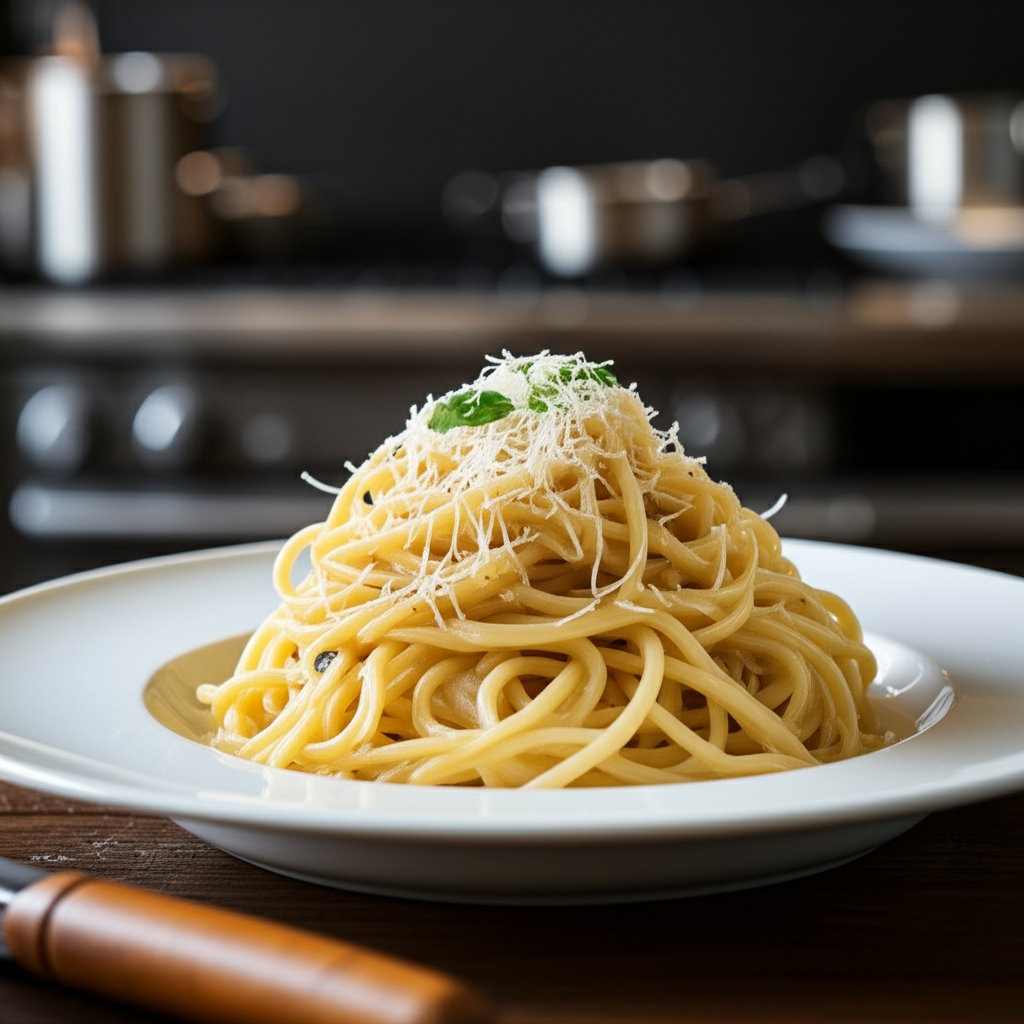
The magic of alfredo noodles lies in its simple ingredients. Butter, cream, and Parmesan cheese create a luxurious sauce. When tossed with pasta, it coats every strand beautifully. This dish offers a taste of indulgence without much fuss.
The Heart of Alfredo: A Classic Recipe
Let’s start with the foundation: a classic alfredo sauce. This recipe is straightforward and yields fantastic results. It’s the perfect base for exploring other variations later.
Essential Ingredients for Classic Alfredo

Gather these simple items for a delicious, authentic sauce. You likely have most of them in your kitchen already.
1/2 cup (1 stick) unsalted butter
1 1/2 cups heavy cream
2 cloves garlic, minced (optional, but recommended)
1 1/2 cups grated Parmesan cheese
Salt and freshly ground black pepper to taste
1 pound fettuccine pasta
Step-by-Step: Crafting the Perfect Alfredo Sauce
Follow these easy steps to create your creamy sauce. Patience is key for the best texture.
1. Cook the Pasta: Bring a large pot of salted water to a boil. Cook fettuccine according to package directions until al dente. Reserve about 1 cup of pasta water before draining.
2. Melt the Butter: In a large skillet over medium heat, melt the butter. If using garlic, add it now and cook for about 1 minute until fragrant. Be careful not to burn the garlic.
3. Add Cream: Pour in the heavy cream. Stir gently and let it simmer for 2-3 minutes. The cream should thicken slightly.
4. Incorporate Cheese: Reduce the heat to low. Gradually whisk in the grated Parmesan cheese. Continue stirring until the cheese is fully melted and the sauce is smooth.
5. Season: Season the sauce with salt and black pepper to your liking. Taste and adjust as needed. Remember, Parmesan is salty, so add salt carefully.
6. Combine with Pasta: Add the drained fettuccine directly to the skillet with the sauce. Toss gently to coat the pasta evenly. If the sauce seems too thick, add a little of the reserved pasta water, one tablespoon at a time, until it reaches your desired consistency.
7. Serve: Serve the alfredo noodles immediately. Garnish with extra Parmesan cheese and black pepper if desired.
This classic method ensures a rich and satisfying alfredo. It’s a reliable recipe for any occasion.
Elevating Your Alfredo: Delicious Variations to Try
Once you’ve mastered the classic, it’s time to get creative! Alfredo sauce is a versatile base for many delicious additions. These variations can transform your meal.
Chicken Alfredo: A Popular Classic
Adding chicken is a common and delicious way to enhance alfredo noodles. It makes the dish more filling and adds protein.
How to Make Chicken Alfredo:
1. Cook Chicken: Grill, pan-fry, or bake chicken breasts until cooked through. Cut into bite-sized pieces.
2. Prepare Sauce: Make the classic alfredo sauce as described above.
3. Combine: Add the cooked chicken pieces to the alfredo sauce. Stir to combine.
4. Serve: Toss the sauce and chicken with cooked fettuccine. Serve hot.
This combination is a crowd-pleaser for a reason. The tender chicken pairs perfectly with the creamy sauce.
Shrimp Alfredo: A Seafood Delight
Shrimp alfredo offers a lighter, yet still decadent, twist on the classic. The delicate flavor of shrimp complements the rich sauce beautifully.
How to Make Shrimp Alfredo:
1. Cook Shrimp: Sauté peeled and deveined shrimp in a little butter or olive oil until pink and cooked through.
2. Prepare Sauce: Prepare the classic alfredo sauce.
3. Combine: Stir the cooked shrimp into the alfredo sauce.
4. Serve: Mix with fettuccine and serve immediately.
The quick-cooking shrimp makes this a fast and elegant meal option. It feels fancy but is still quite simple to prepare.
Broccoli Alfredo: Adding a Healthy Touch
For a balanced meal, consider adding some vegetables. Broccoli is a fantastic choice that holds up well in the creamy sauce.
How to Make Broccoli Alfredo:
1. Cook Broccoli: Steam or blanch broccoli florets until tender-crisp.
2. Prepare Sauce: Make the classic alfredo sauce.
3. Combine: Stir the cooked broccoli into the sauce.
4. Serve: Toss with fettuccine and enjoy.
The slight crunch of the broccoli adds a nice texture. It also adds color and nutrients to your pasta dish.
Tips for the Creamiest, Dreamiest Alfredo Sauce
Achieving a perfectly smooth and creamy alfredo sauce is all about technique and quality ingredients. A few key tips can make all the difference.
The Importance of Quality Ingredients
Using good quality butter, heavy cream, and fresh Parmesan cheese is crucial. These are the stars of the sauce, so their flavor really shines through.
Butter: Unsalted butter allows you to control the saltiness of the sauce better.
Heavy Cream: This provides the essential richness and creamy texture. Avoid using milk, as it can make the sauce too thin.
Parmesan Cheese: Freshly grated Parmesan is far superior to pre-shredded. Pre-shredded cheese often contains anti-caking agents that can prevent it from melting smoothly.
Using the best ingredients ensures a superior taste and texture. It truly elevates this simple dish.
Mastering the Sauce Consistency
The consistency of your alfredo sauce is key to a great dish. It should be thick enough to coat the pasta but not clumpy.
Simmering: Allow the cream to simmer gently to thicken. Don’t boil it vigorously.
Cheese Melting: Add cheese gradually over low heat. Stir constantly until smooth.
Pasta Water: Use reserved pasta water to adjust consistency. Its starch helps emulsify the sauce.
A well-balanced sauce clings to the pasta without being greasy or watery. It’s the hallmark of a great alfredo.
Common Alfredo Noodle Mistakes to Avoid
Even with a simple recipe, it’s easy to make a few common mistakes. Knowing what to avoid can save your dish.
Overcooking the Pasta
Overcooked pasta becomes mushy and loses its texture. It won’t hold the sauce well.
Cook Al Dente: Aim for pasta that is firm to the bite. It will finish cooking slightly when tossed with the hot sauce.
Follow Package Directions: Use them as a guide, but taste the pasta a minute or two before the suggested time.
Perfectly cooked pasta provides a delightful chewiness that complements the creamy sauce.
Using Low-Fat Dairy
Low-fat cream or milk will result in a thinner, less rich sauce. It might even separate.
Stick to Heavy Cream: It’s essential for the characteristic richness of alfredo.
Full-Fat Cheese: Use whole-milk Parmesan for the best melting and flavor.
The fat in these ingredients is what creates that signature velvety texture. Don’t shy away from them for authentic alfredo.
Adding Too Much Salt
Parmesan cheese is naturally salty. Adding too much salt can make the sauce unpleasantly saline.
Taste as You Go: Season the sauce gradually. Taste it after adding the cheese.
Adjust Carefully: Add salt in small increments until it tastes right.
It’s easier to add more salt than to take it away. Always season cautiously.
Serving Your Alfredo Noodles: Presentation Matters
How you serve your alfredo noodles can make them even more appealing. A little effort goes a long way.
Garnishes to Elevate Your Dish
Simple garnishes add visual appeal and extra flavor. They make your alfredo look restaurant-ready.
Fresh Parsley: Chopped fresh parsley adds a pop of color and a hint of freshness.
Black Pepper: Freshly cracked black pepper provides a subtle bite and aroma.
Extra Parmesan: A final dusting of grated Parmesan cheese is always welcome.
Red Pepper Flakes: For a touch of heat, sprinkle some red pepper flakes on top.
These additions enhance the overall dining experience. They make the dish more vibrant and inviting.
Pairing Your Alfredo
What to serve alongside your alfredo noodles? Consider these complementary dishes.
Garlic Bread: A classic pairing that’s perfect for soaking up any extra sauce.
Side Salad: A crisp green salad provides a refreshing contrast to the rich pasta.
Steamed Vegetables: Simple steamed vegetables like asparagus or green beans offer a healthy balance.
These accompaniments round out your meal beautifully. They offer different textures and flavors.
Make-Ahead and Storage Tips for Alfredo
While alfredo is best served fresh, you can prepare parts of it ahead of time. Knowing how to store and reheat is helpful.
Preparing Components in Advance
You can prep some ingredients before you plan to serve. This speeds up the final cooking process.
Grate Cheese: Grate your Parmesan cheese ahead of time and store it in an airtight container.
Chop Garlic & Parsley: Mince garlic and chop parsley and store them separately.
Cook Protein: If adding chicken or shrimp, cook it in advance and store it in the refrigerator.
Having these elements ready makes assembling the dish much quicker. It’s great for busy evenings.
Storing Leftover Alfredo
Leftover alfredo can be stored, but it may not be quite as creamy upon reheating. The sauce can sometimes separate.
1. Cool Completely: Let the pasta and sauce cool down before storing.
2. Airtight Container: Transfer leftovers to an airtight container.
3. Refrigerate: Store in the refrigerator for up to 2-3 days.
Reheating can sometimes make the sauce a bit oily. You can try adding a splash of milk or cream when reheating to help restore creaminess.
Troubleshooting Common Alfredo Problems
Sometimes, things don’t go as planned. Here’s how to fix common issues with your alfredo sauce.
Sauce is Too Thin
If your sauce is thinner than you’d like, don’t panic. There are ways to thicken it.
Simmer Longer: Gently simmer the sauce uncovered for a few more minutes to allow it to reduce and thicken.
Add More Cheese: Whisk in a little more grated Parmesan cheese. It will help absorb excess liquid and thicken the sauce.
Cornstarch Slurry: For a quick fix, mix a teaspoon of cornstarch with a tablespoon of cold water to create a slurry. Stir this into the simmering sauce until thickened.
These methods can help salvage a sauce that’s a bit too runny.
Sauce is Too Thick or Clumpy
A sauce that’s too thick or has become clumpy is usually due to overheating or adding cheese too quickly.
Add Liquid: Stir in a little reserved pasta water, milk, or cream, a tablespoon at a time, until the desired consistency is reached.
Whisk Vigorously: If the sauce is clumpy, try whisking it vigorously over low heat. This can help break up any clumps.
Patience and gentle heat are your friends here.
Sauce Separated (Oily)
This often happens if the sauce gets too hot or if low-fat dairy was used.
Whisk Over Low Heat: Remove the pan from direct heat and whisk vigorously. Sometimes, the emulsion can be restored.
* Add a Splash of Liquid: A small amount of milk, cream, or even a bit of starchy pasta water can help bring it back together.
This issue is common, but often fixable with a little effort.
Alfredo Noodles and Food Delivery: A Convenience Comparison
For busy individuals and families, ordering alfredo noodles via food delivery is a popular option. Many apps offer this classic dish from various restaurants. Comparing services can help you find the best deal and quality.
Here’s a look at how food delivery services stack up for dishes like alfredo noodles:
| Service Type | Pros | Cons | Best For |
| :————— | :—————————————————— | :———————————————————– | :————————————————————————————————— |
| Restaurant Apps (e.g., DoorDash, Uber Eats, Grubhub) | Wide variety of restaurants, easy ordering, frequent deals. | Delivery fees, service fees, potential for longer wait times. | Exploring different Italian restaurants, spontaneous cravings, getting restaurant-quality meals quickly. |
| Meal Kit Services (e.g., HelloFresh, Blue Apron) | Pre-portioned ingredients, step-by-step recipes, less waste. | Requires cooking, less variety for specific dishes like alfredo noodles on demand. | Learning to cook, planning meals, those who enjoy the cooking process. |
| Grocery Delivery (e.g., Instacart, Amazon Fresh) | Buy ingredients to make alfredo at home, often cheaper. | Requires full preparation and cooking, not immediate gratification. | Budget-conscious individuals, those who prefer home-cooked meals with flexibility. |
When ordering alfredo noodles, consider the delivery fees and estimated arrival times. Some apps offer subscription services that can reduce delivery costs. Always check restaurant reviews for pasta dishes specifically.
Frequently Asked Questions about Alfredo Noodles
Here are answers to some common questions people have about making and enjoying alfredo noodles.
What kind of pasta is best for alfredo sauce?
Fettuccine is the traditional choice because its flat surface holds the creamy sauce perfectly. However, other thick, flat pastas like tagliatelle or pappardelle also work wonderfully. Even rigatoni or penne can work if you prefer shorter pasta shapes.
Can I make alfredo sauce dairy-free?
Yes, you can make a dairy-free alfredo sauce using ingredients like cashews, silken tofu, or coconut milk. These alternatives can create a creamy texture, though the flavor will differ from traditional alfredo. You’ll need to experiment to find your favorite dairy-free base.
How do I prevent alfredo sauce from becoming greasy?
Ensure your sauce doesn’t overheat. Cook over low to medium heat and whisk constantly. Using good quality heavy cream and Parmesan cheese also helps prevent separation. If it starts to look oily, try whisking in a tablespoon of pasta water.
Can I freeze alfredo sauce?
It’s generally not recommended to freeze alfredo sauce, especially with the cream and cheese. Freezing can alter the texture, causing it to separate and become grainy upon thawing. Freshly made is always best for this rich sauce.
What are the key differences between Alfredo and Carbonara?
While both are rich Italian pasta dishes, they are quite different. Alfredo sauce is made with butter, cream, and Parmesan cheese. Carbonara uses eggs, Pecorino Romano or Parmesan cheese, cured pork (like guanciale or pancetta), and black pepper. The textures and flavors are distinct.
How much Parmesan cheese should I use?
The amount of Parmesan cheese can be adjusted to your preference. A good starting ratio is about 1.5 cups of grated cheese for 1 pound of pasta. You can add more or less depending on how cheesy and thick you like your sauce. Always use freshly grated for the best results.
Conclusion: Your Journey to Perfect Alfredo Noodles
Making delicious alfredo noodles at home is achievable and incredibly rewarding. From understanding the classic recipe to exploring exciting variations, you now have the tools. Remember to use quality ingredients and pay attention to your sauce’s consistency. Don’t be afraid to experiment with additions like chicken, shrimp, or vegetables.
Whether you’re cooking from scratch or ordering in, alfredo noodles offer a comforting and satisfying meal. Enjoy the process and the delightful results. Happy cooking, and happy eating!

Belayet Hossain is a Senior Tech Expert and Certified AI Marketing Strategist. Holding an MSc in CSE (Russia) and over a decade of experience since 2011, he combines traditional systems engineering with modern AI insights. Specializing in Vibe Coding and Intelligent Marketing, Belayet provides forward-thinking analysis on software, digital trends, and SEO, helping readers navigate the rapidly evolving digital landscape. Connect with Belayet Hossain on Facebook, Twitter, Linkedin or read my complete biography.