
Published on: 11/10/2025 | Updated on: October 11, 2025
Alfredo Pasta Sauce: Essential & Irresistible Recipes for Every Craving
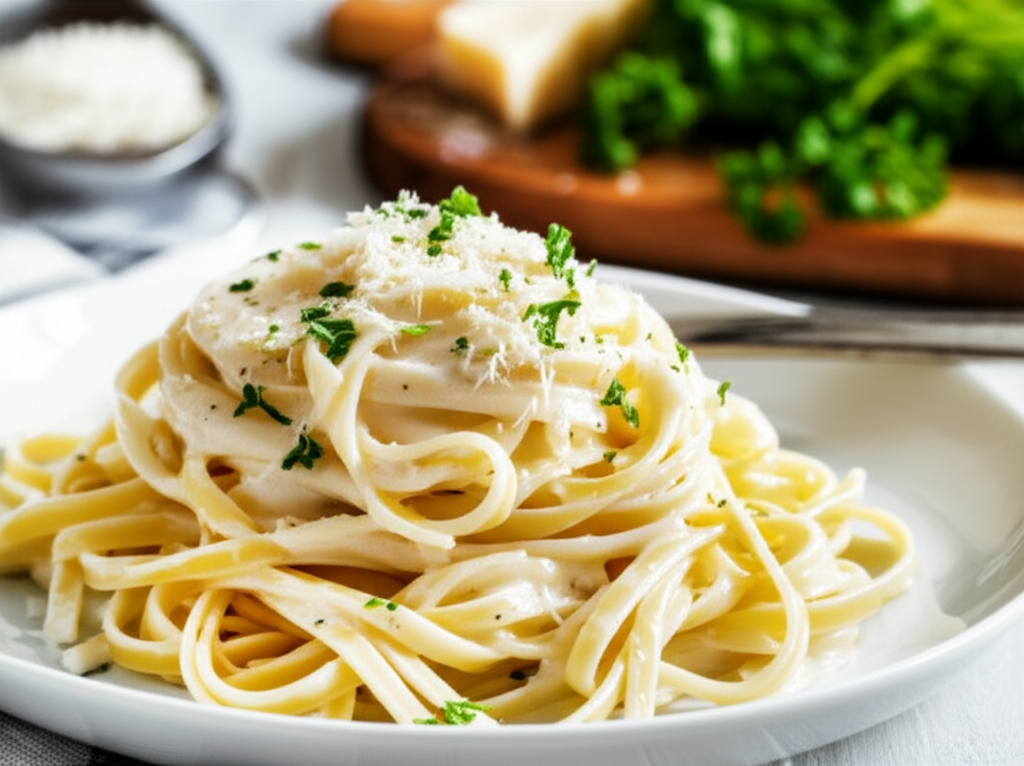
Craving creamy, delicious alfredo pasta sauce? This guide explores essential recipes, from classic to quick, perfect for busy nights. Learn how to make this rich sauce at home and discover the best ways to enjoy it.
Alfredo pasta sauce is a true comfort food classic. Its rich, creamy texture and simple yet decadent flavor make it a favorite for many. But sometimes, you just want that perfect alfredo without the fuss of a restaurant or a complex recipe. If you’ve ever stared at your pantry, wondering how to whip up a quick and satisfying alfredo, you’re in the right place. I’ve spent countless hours testing recipes and exploring ways to get this beloved sauce onto your plate. This guide will walk you through everything you need to know to create irresistible alfredo pasta sauce at home. Get ready to master this simple, satisfying dish!
Why Alfredo Pasta Sauce is a Go-To Favorite
Alfredo pasta sauce is beloved for its rich, velvety texture and comforting flavor. It’s a simple sauce that feels incredibly luxurious. The creamy base, typically made with butter, cream, and Parmesan cheese, coats pasta beautifully. This makes every bite a delightful experience. Its versatility also adds to its appeal. You can enjoy it as a simple pasta dish or build upon it with proteins and vegetables.
The Heart of Alfredo: Key Ingredients You’ll Need
Making authentic alfredo pasta sauce relies on a few key ingredients. These simple items come together to create that signature creamy taste. High-quality ingredients make a big difference. Freshness is your friend here. Let’s look at what you’ll need to get started on your alfredo journey.
Butter: The Creamy Foundation

Unsalted butter is the base of any great alfredo sauce. It provides richness and helps emulsify the sauce. Use good quality butter for the best flavor. Melted butter creates a smooth start to your sauce. It’s the first step in building that luxurious texture.
Heavy Cream: For That Velvety Smoothness
Heavy cream is essential for achieving the signature creamy consistency of alfredo. It adds body and a smooth mouthfeel to the sauce. Don’t skimp on the fat content here. Lower-fat options can lead to a thinner, less satisfying sauce. This is where the magic happens.
Parmesan Cheese: The Salty, Nutty Star
Finely grated Parmesan cheese is crucial for flavor. It adds a salty, nutty depth that defines alfredo. Use real Parmigiano-Reggiano if you can. Freshly grated cheese melts better. It prevents your sauce from becoming grainy. Its savory notes are irreplaceable.
Garlic: A Hint of Aromatic Flavor
Fresh garlic adds a subtle aromatic kick to the sauce. Minced garlic is usually sautéed gently. This mellows its sharpness. It infuses the butter and cream with a wonderful aroma. Be careful not to burn the garlic. Burnt garlic can make the sauce bitter.
Pasta: The Perfect Vehicle
While not part of the sauce itself, the pasta is how you enjoy it. Fettuccine is the traditional choice for alfredo. Its wide, flat surface holds the rich sauce perfectly. Other pasta shapes like linguine or even penne work well too. Cook your pasta al dente. This means it should still have a slight bite.
Classic Fettuccine Alfredo: A Timeless Recipe
This is the alfredo recipe that started it all. It’s simple, elegant, and incredibly satisfying. Following this classic method ensures you get that authentic, restaurant-quality taste. It’s a testament to how a few good ingredients can create something truly special. Mastering this will give you a foundation for many delicious meals.
Ingredients for Classic Fettuccine Alfredo
- 1 pound fettuccine pasta
- 1/2 cup (1 stick) unsalted butter
- 1 1/2 cups finely grated Parmesan cheese
- 1 cup heavy cream
- Salt and freshly ground black pepper to taste
- Fresh parsley, chopped (for garnish, optional)
Step-by-Step: Crafting the Classic Sauce
- Cook fettuccine according to package directions in salted water. Reserve about 1 cup of pasta water before draining.
- While pasta cooks, melt butter in a large skillet over medium-low heat.
- Add heavy cream to the skillet and whisk gently. Heat until it just begins to simmer; do not boil.
- Gradually whisk in the grated Parmesan cheese. Stir continuously until the cheese is melted and the sauce is smooth.
- Season the sauce with salt and pepper to your liking. Remember, Parmesan is salty, so taste before adding too much salt.
- Add the drained fettuccine directly to the skillet with the sauce. Toss well to coat every strand.
- If the sauce seems too thick, add a little reserved pasta water, a tablespoon at a time, until it reaches your desired consistency.
- Serve immediately, garnished with fresh parsley if desired.
This classic method yields a rich, flavorful alfredo sauce. It’s a reliable recipe for any occasion. Enjoy the simple elegance of perfectly coated fettuccine.
Quick & Easy Alfredo: For Busy Weeknights
When time is short, you still deserve delicious alfredo pasta sauce. This recipe cuts down on steps without sacrificing flavor. It’s designed for speed and convenience. You can have a comforting bowl of alfredo ready in minutes. This is a lifesaver for busy professionals and families.
Speedy Alfredo Ingredients
- 12 ounces fettuccine or your favorite pasta
- 1/2 cup butter
- 1/2 cup heavy cream
- 1 cup grated Parmesan cheese
- 1 clove garlic, minced (optional)
- Salt and pepper to taste
The Fast-Track Method
- Cook pasta according to package directions. Reserve about 1/2 cup of pasta water.
- While pasta is cooking, melt butter in a large saucepan over medium heat. If using garlic, sauté it for about 30 seconds until fragrant, then remove from heat.
- Pour in the heavy cream and whisk. Bring it to a gentle simmer.
- Remove from heat and stir in the Parmesan cheese until melted and smooth.
- Season with salt and pepper.
- Drain pasta and add it to the sauce. Toss to coat. Add a splash of pasta water if needed to loosen the sauce.
- Serve immediately.
This quick alfredo sauce proves you don’t need a lot of time for great taste. It’s perfect for those moments when hunger strikes fast. You’ve got a delicious meal in no time.
Variations to Elevate Your Alfredo
Once you’ve mastered the basic alfredo pasta sauce, you can start experimenting. Adding a few extra ingredients can transform this classic dish. These variations offer new flavor profiles. They keep your alfredo experience exciting and fresh. Don’t be afraid to get creative with your sauce.
Chicken Alfredo: A Hearty Classic
Adding grilled or pan-seared chicken breast is a popular way to make alfredo a complete meal. Simply cook your chicken separately. Slice it and add it to the finished pasta and sauce. It makes the dish more filling and adds protein. This is a go-to for many families.
Shrimp Alfredo: Seafood Delight
Cooked shrimp pairs beautifully with alfredo sauce. Sauté some garlic and shrimp in butter. Then, toss them with your finished pasta and sauce. The sweetness of the shrimp complements the rich creaminess. It’s an elegant dish that’s surprisingly easy to make. You can find pre-cooked shrimp for even faster preparation.
Vegetable Alfredo: A Lighter Touch
Boost the nutrition and color by adding vegetables. Broccoli florets, peas, or spinach are excellent choices. Steam or sauté them until tender-crisp. Stir them into the alfredo sauce along with the pasta. This adds texture and a healthy element. Roasted red peppers also add a lovely sweetness.
Spicy Alfredo: A Kick of Heat
For those who like a little heat, add red pepper flakes to your sauce. Start with a pinch and add more to taste. A dash of hot sauce can also work. This simple addition gives the rich alfredo a pleasant warmth. It’s a great way to spice up your usual meal.
Tips for the Smoothest, Richest Alfredo Sauce
Achieving a perfectly smooth and rich alfredo pasta sauce isn’t difficult. A few key techniques can make all the difference. These tips ensure your sauce is never lumpy or greasy. They focus on temperature control and ingredient quality. Follow these suggestions for a flawless sauce every time.
Use Room Temperature Ingredients
Bringing your butter and cream to room temperature can help them combine more smoothly. Cold ingredients can sometimes cause butter to seize or cream to curdle. Letting them sit out for about 30 minutes before cooking is usually enough. This aids in creating a homogenous sauce.
Grate Your Own Parmesan
Pre-grated Parmesan cheese often contains anti-caking agents. These can make the cheese melt unevenly and result in a grainy sauce. Grating your own Parmesan from a block ensures it melts beautifully. It also offers a fresher, more intense flavor. Invest in a good grater for this.
Control Your Heat
Low and slow is the name of the game for alfredo sauce. High heat can cause the cream to break or the cheese to become oily. Gentle simmering allows the ingredients to emulsify properly. Always cook your sauce over medium-low to low heat. Patience is rewarded with a silky texture.
Don’t Forget Pasta Water
The starchy water left behind from cooking pasta is liquid gold. It helps to emulsify the sauce and bind it to the pasta. It also allows you to adjust the sauce’s consistency. Always reserve some before draining. Use it sparingly to achieve the perfect coating.
Troubleshooting Common Alfredo Sauce Problems
Even with the best intentions, sometimes alfredo pasta sauce doesn’t turn out perfectly. Don’t worry, most common issues have simple fixes. I’ve encountered these problems myself and found solutions. Knowing how to fix them will save your meal. Let’s tackle some common frustrations.
Sauce is Too Thick
If your alfredo sauce is too thick, it’s usually because it has reduced too much or not enough liquid was added. The easiest fix is to add more heavy cream or reserved pasta water. Start with a tablespoon at a time. Stir it in until you reach your desired consistency. This brings the sauce back to life.
Sauce is Too Thin
A sauce that’s too thin might need more cheese or a bit more simmering time. You can add more grated Parmesan cheese, stirring until melted. Alternatively, let the sauce simmer gently for a few more minutes to reduce. Ensure you are stirring constantly to prevent scorching. This thickens it up nicely.
Sauce is Greasy or Oily
This often happens if the sauce gets too hot, causing the fat to separate. To fix it, remove the pan from the heat. Whisk in a tablespoon or two of cold milk or cream. This can help re-emulsify the sauce. Sometimes, adding a bit more cheese can also help absorb excess fat.
Sauce is Lumpy
Lumps in alfredo sauce usually come from cheese that didn’t melt smoothly. This can happen with pre-grated cheese or if the heat was too high. Try whisking the sauce vigorously over very low heat. You can also carefully strain the sauce through a fine-mesh sieve. This will remove any stubborn lumps.
Pairing Your Alfredo Pasta: What to Serve Alongside
A rich alfredo pasta sauce is delicious on its own, but serving it with the right sides elevates the meal. Think about balancing the richness. Light, fresh elements work best. This makes the entire dining experience more enjoyable. Here are some ideas to complete your alfredo feast.
Fresh Green Salads
A crisp green salad with a light vinaigrette is a perfect counterpoint to creamy alfredo. The acidity cuts through the richness of the sauce. It adds a refreshing element to the meal. Consider simple greens like romaine or mixed greens. Add some cherry tomatoes and cucumber for extra texture.
Garlic Bread
What’s pasta without garlic bread? Warm, crusty garlic bread is a classic pairing. It’s perfect for soaking up any extra sauce. The garlic flavor complements the sauce beautifully. Make your own or pick up a loaf from your favorite bakery.
Steamed or Roasted Vegetables
Steamed broccoli or asparagus are excellent choices. They add a healthy, slightly bitter element. Roasted Brussels sprouts or green beans also work well. The slight char from roasting adds another layer of flavor. These sides balance the meal nicely.
Grilled or Roasted Proteins
As mentioned earlier, grilled chicken or shrimp are fantastic additions. You can also serve alfredo alongside grilled steak or pork. The savory notes of the protein pair well with the creamy sauce. This makes for a more substantial and satisfying meal. Consider a lemon-herb marinated chicken for a lighter touch.
Making Alfredo Ahead and Storing It
Sometimes you want to prepare alfredo pasta sauce in advance. It can save time on busy evenings. Knowing how to store and reheat it properly is key. This ensures it tastes just as good as when it was freshly made. Proper storage maintains its creamy texture and flavor.
Refrigeration
Cooled alfredo sauce can be stored in an airtight container in the refrigerator. It will typically last for 3-4 days. Make sure the container is sealed tightly. This prevents it from absorbing other odors in the fridge. Store it separately from the pasta if you plan to reheat it later.
Freezing
Freezing alfredo sauce is possible, but the texture might change slightly upon thawing. Cream-based sauces can sometimes separate. Place the cooled sauce in a freezer-safe container or bag. Leave some headspace for expansion. It can be frozen for up to 2-3 months. Thaw it in the refrigerator overnight.
Reheating
To reheat refrigerated sauce, use low to medium heat on the stovetop. Stir gently and frequently. Add a splash of milk or cream if it seems too thick. For frozen sauce, thaw it in the refrigerator first. Then, reheat it gently on the stovetop. Avoid microwaving, as it can sometimes cook the sauce unevenly and affect the texture.
Frequently Asked Questions About Alfredo Pasta Sauce
What is the most authentic way to make alfredo sauce?
The most authentic alfredo, originating in Rome, is very simple: butter and Parmesan cheese emulsified with a little pasta water. The American version, which includes heavy cream, is what most people recognize and love today.
Can I use milk instead of heavy cream in alfredo sauce?
You can use milk, but it will result in a thinner sauce. For a richer, thicker sauce, heavy cream is best. If you use milk, consider adding a thickening agent like a cornstarch slurry or more cheese.
How do I prevent my alfredo sauce from breaking?
To prevent breaking, use low heat when cooking the sauce. Ensure your ingredients are at room temperature. Don’t let the sauce boil. Whisking gently and consistently helps keep the sauce emulsified.
What kind of Parmesan cheese is best for alfredo?
Real Parmigiano-Reggiano cheese is the best. Grating it fresh from a block is ideal. It melts smoothly and provides the most authentic, rich flavor. Avoid pre-shredded cheese, which can contain anti-caking agents.
Can I make alfredo sauce vegan?
Yes, you can make vegan alfredo using ingredients like soaked cashews, nutritional yeast for cheesiness, and plant-based milk or cream. There are many excellent vegan recipes available online that mimic the creamy texture.
How long does homemade alfredo sauce last?
Homemade alfredo sauce, if stored properly in an airtight container in the refrigerator, typically lasts for 3 to 4 days. It’s best to consume it within this timeframe for optimal flavor and texture.
Conclusion: Your Alfredo Pasta Sauce Masterpiece Awaits
Creating a delicious alfredo pasta sauce at home is simpler than you might think. Whether you opt for the classic elegance or a quick weeknight version, the result is always comforting and satisfying. With just a few quality ingredients and a little attention to technique, you can achieve that perfect, creamy alfredo pasta sauce. Don’t hesitate to experiment with additions like chicken, shrimp, or vegetables to make it your own. Now you have the knowledge to whip up this beloved sauce anytime the craving strikes. Enjoy every creamy, delicious bite!

Belayet Hossain is a Senior Tech Expert and Certified AI Marketing Strategist. Holding an MSc in CSE (Russia) and over a decade of experience since 2011, he combines traditional systems engineering with modern AI insights. Specializing in Vibe Coding and Intelligent Marketing, Belayet provides forward-thinking analysis on software, digital trends, and SEO, helping readers navigate the rapidly evolving digital landscape. Connect with Belayet Hossain on Facebook, Twitter, Linkedin or read my complete biography.