
Published on: 13/10/2025 | Updated on: October 13, 2025
Waking up and staring into your pantry can feel overwhelming. So many boxes, so many promises! You want a breakfast that’s quick, tasty, and actually good for your brain. It’s tough to know which of all cereals will give you that mental edge. This guide is here to help. I’ll walk you through what makes a cereal brain-boosting. We’ll look at simple ingredients and easy choices. Get ready to find your new favorite morning meal.
Why Cereals Are a Great Brain-Boosting Breakfast Choice
Cereals offer a fantastic starting point for a brain-healthy breakfast. They are quick to prepare, which is perfect for busy mornings. Many cereals are fortified with essential vitamins and minerals crucial for brain function. Choosing the right cereal can significantly impact your focus and energy levels throughout the day.
Understanding Brain-Boosting Nutrients in Cereals
Certain nutrients are key players in keeping your brain sharp. Fiber helps stabilize blood sugar, providing steady energy. Whole grains offer B vitamins, which are vital for nerve function. Antioxidants protect brain cells from damage. Omega-3 fatty acids, though less common in cereals, are also important for brain health.
The Power of Fiber for Your Brain

Fiber is your brain’s steady fuel source. It slows down digestion. This prevents sharp spikes and crashes in blood sugar. Stable blood sugar means sustained focus and energy for your brain. Look for cereals with at least 3 grams of fiber per serving.
Whole Grains: The Foundation of a Smart Breakfast
Whole grains are packed with goodness for your mind. They contain all parts of the grain. This includes the bran, germ, and endosperm. These parts provide fiber, vitamins, and minerals your brain needs to perform at its best. Examples include oats, wheat, and corn.
Vitamins and Minerals for Cognitive Function
Many cereals are fortified with essential vitamins. B vitamins, like folate and B12, are crucial for neurotransmitter production. Iron helps carry oxygen to the brain. Vitamin D plays a role in brain health and mood. Check the nutrition label for these important additions.
Antioxidants: Protecting Your Brain Cells
Antioxidants act like tiny bodyguards for your brain cells. They fight off harmful molecules called free radicals. Free radicals can damage brain cells over time. Berries and some fortified cereals can provide these protective compounds.
Decoding Cereal Labels: What to Look For
Reading cereal boxes can seem complicated. Focus on a few key things. The ingredients list is your best friend. The nutrition facts panel tells you what you’re actually eating. Aim for simple, recognizable ingredients. Avoid excessive sugar and artificial additives.
Ingredients List: The Truth About Your Cereal
The first ingredient listed is the most abundant. Ideally, this should be a whole grain like oats or whole wheat. Shorter ingredient lists are usually better. Be wary of long lists with many unpronounceable names. These often indicate processed ingredients and added sugars.
Nutrition Facts Panel: Sugar, Fiber, and More
Pay close attention to the sugar content. Many cereals have a surprisingly high amount of added sugar. Aim for cereals with less than 10 grams of sugar per serving. Also, check the fiber content; more is better. Look for at least 3 grams of fiber per serving for sustained energy.
Avoiding the Sugar Trap
Sugar provides a quick burst of energy. However, it’s followed by a crash. This crash can leave you feeling tired and unfocused. Many breakfast cereals are loaded with added sugars. These can be in the form of sucrose, corn syrup, or high-fructose corn syrup. Always check the sugar content carefully.
Top Cereals for Enhanced Brain Power
Not all cereals are created equal when it comes to brain health. Some stand out for their nutritional profiles. These options provide sustained energy and essential nutrients. They help support focus, memory, and overall cognitive function.
Oatmeal: The Unbeatable Classic
Plain oatmeal made from rolled oats or steel-cut oats is a superstar. It’s rich in soluble fiber, which keeps you full and provides steady energy. Oats are also a good source of B vitamins and minerals like magnesium. They are a fantastic base for adding brain-boosting toppings.
Why it’s great for your brain: High in fiber for sustained energy, contains B vitamins for nerve function, and can be customized with healthy additions.
Shredded Wheat: Simple and Effective
Original Shredded Wheat is a whole grain champion. It contains only whole wheat and sometimes a bit of salt. This means plenty of fiber and complex carbohydrates for your brain. It’s a plain option that lets you control your toppings.
Why it’s great for your brain: Made from 100% whole wheat, providing fiber and sustained energy release.
Bran Cereals: Fiber Powerhouses
Cereals high in wheat bran or oat bran are excellent sources of fiber. This fiber is crucial for gut health, which is increasingly linked to brain health. A healthy gut can positively impact mood and cognitive function. Look for bran cereals with minimal added sugar.
Why it’s great for your brain: High fiber content supports gut health, which is connected to cognitive function and mood.
Fortified Cereals: Added Benefits
Some cereals are fortified with extra vitamins and minerals. These can include iron, B vitamins, and vitamin D. These nutrients play vital roles in brain development and function. Always check the nutrition label to ensure the fortification benefits your brain.
Why it’s great for your brain: Provides essential vitamins and minerals like iron and B vitamins that support cognitive processes.
Creative Ways to Boost Your Cereal
Even the healthiest cereal can be made better. Adding certain ingredients can significantly boost its brain-power. Think about adding healthy fats, antioxidants, and more fiber. These additions transform a good breakfast into a great one.
Berries: Nature’s Antioxidant Powerhouses
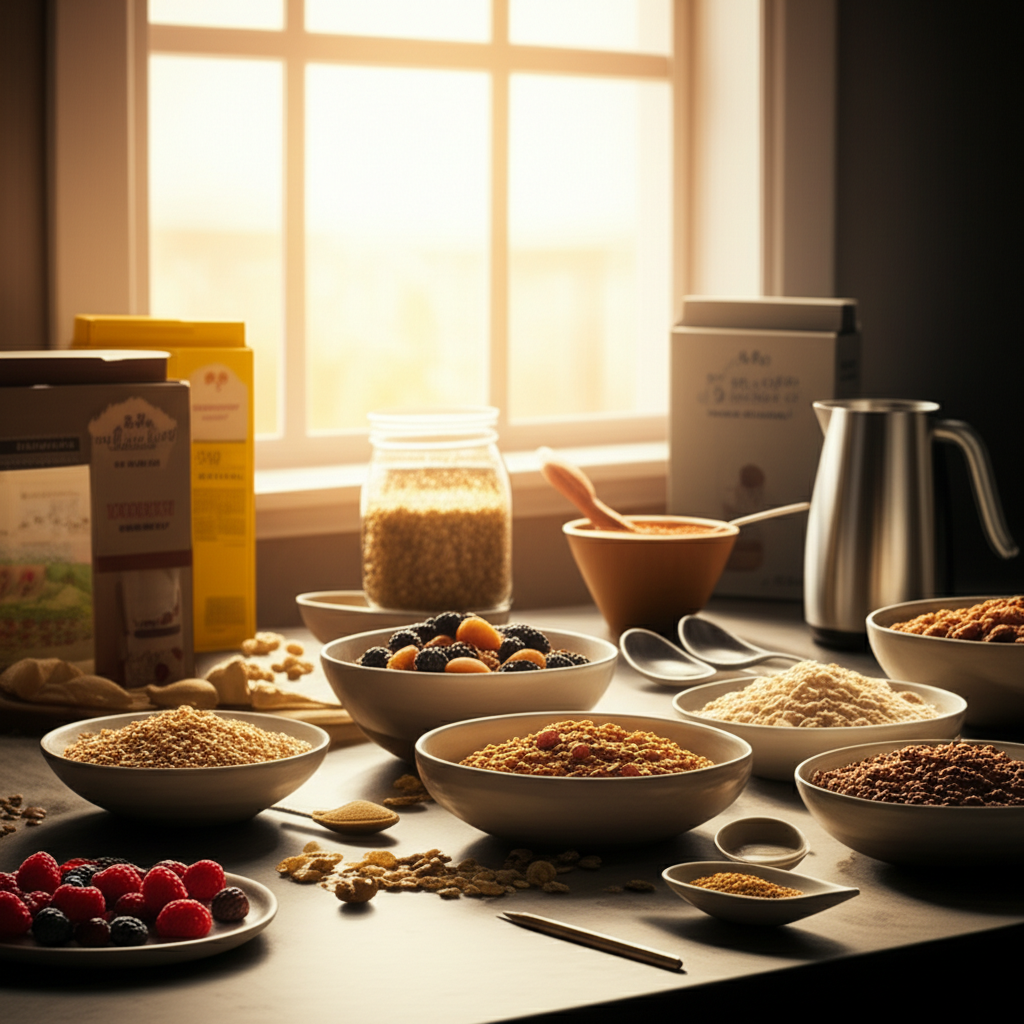
Fresh or frozen berries are a fantastic addition. Blueberries, strawberries, and raspberries are packed with antioxidants. These help protect your brain from oxidative stress. They also add natural sweetness and fiber.
- Blueberries: Known for improving memory and cognitive function.
- Strawberries: Rich in vitamin C and other antioxidants.
- Raspberries: High in fiber and manganese.
Nuts and Seeds: Healthy Fats for Your Brain
A sprinkle of nuts or seeds adds healthy fats. These fats are essential for brain structure and function. They also provide protein and fiber, keeping you full longer. Almonds, walnuts, chia seeds, and flaxseeds are excellent choices.
- Walnuts: Contain omega-3 fatty acids, good for brain health.
- Almonds: Provide vitamin E, an antioxidant that protects the brain.
- Chia Seeds: Offer omega-3s, fiber, and protein.
- Flaxseeds: Another source of omega-3s and fiber.
Greek Yogurt or Milk: Protein and Calcium Boost
Adding a dollop of Greek yogurt or a splash of milk provides protein. Protein helps with alertness and focus. It also contributes to satiety, preventing mid-morning hunger. Choose plain Greek yogurt to avoid added sugars.
Cereals to Approach with Caution
While many cereals are healthy, some can be detrimental to brain function. These often contain high amounts of sugar and refined grains. They can lead to energy crashes and poor focus. Being aware of these can help you make better choices.
Sugary Kids’ Cereals
Many cereals marketed to children are loaded with sugar. They often have bright colors and cartoon characters. While appealing, they offer little nutritional value. The high sugar content can lead to hyperactivity followed by a slump.
Highly Processed Cereals
Cereals made with refined grains and artificial ingredients are less beneficial. They lack the fiber and nutrients found in whole grains. Processing can strip away essential vitamins and minerals. Opt for cereals with simpler, recognizable ingredients.
Cereals with Artificial Sweeteners and Colors
Some “diet” or “sugar-free” cereals use artificial sweeteners. These can have unknown long-term effects on health. Artificial colors and flavors are also unnecessary. They don’t contribute to brain health and can be a concern for some individuals.
The Link Between Gut Health and Brain Function
There’s a growing understanding of the gut-brain connection. Your gut microbiome, the bacteria in your digestive system, communicates with your brain. Fiber-rich foods, like many whole-grain cereals, feed these beneficial bacteria. This can positively impact mood, stress, and cognitive function.
How Fiber Supports a Healthy Gut
Fiber acts as a prebiotic. It feeds the good bacteria in your gut. A diverse and healthy gut microbiome is linked to better brain health. It can influence neurotransmitter production and reduce inflammation.
Fermented Foods and Cereals
While not directly added to cereal, consider pairing your breakfast. A side of plain Greek yogurt or kefir offers probiotics. These live bacteria can further support your gut health. This combination creates a powerful gut and brain-boosting meal.
Cereal for Different Lifestyles and Needs
Your choice of cereal might depend on your lifestyle. Busy professionals need quick options. Students might look for budget-friendly choices. Families need something everyone can enjoy. There are brain-boosting cereals for everyone.
For the Busy Professional: Speed and Sustenance
For those rushing out the door, quick preparation is key. Overnight oats are a fantastic make-ahead option. Simply combine oats, liquid, and your favorite toppings in a jar. It’s ready to grab and eat when you wake up. This ensures a nutritious start without the morning rush.
For Students: Budget-Friendly Brain Fuel
Oats and plain shredded wheat are usually very affordable. Buying in bulk can save even more money. These options provide sustained energy for long study sessions. They are a much healthier alternative to sugary snacks.
For Families: Kid-Approved Brain Boosters
It can be challenging to find cereals kids love that are also healthy. Look for whole-grain options with lower sugar. Add fresh fruit for natural sweetness and appeal. Involve kids in choosing healthy toppings like berries or nuts.
Making Smart Choices with Food Delivery Services
When you’re short on time, food delivery services can be a lifesaver. Many services offer a wide range of cereals and breakfast items. You can often find your favorite brain-boosting cereals delivered right to your door. This convenience can help you stick to healthy eating habits.
Comparing Grocery Delivery Apps for Cereal Options
Different grocery delivery apps have varying selections. Some specialize in organic or specialty foods. Others offer a broader range of everyday items. Compare prices and delivery fees to find the best value for your chosen cereals.
| App Name | Cereal Variety | Price Range | Delivery Speed |
|---|---|---|---|
| Instacart | Wide selection from local stores | $$ – $$$ | Same-day |
| Shipt | Good variety, often competitive pricing | $$ – $$$ | Same-day |
| Amazon Fresh | Extensive selection, good for staples | $$ – $$$ | Same-day/Next-day |
Using these services makes it easy to stock up on healthy breakfast staples. You can plan your meals and have everything delivered.
Meal Kit Services for Breakfast Components
Some meal kit services offer breakfast add-ons. These can include granola, oats, or smoothie packs. While not solely cereal-focused, they provide convenient, pre-portioned ingredients. This simplifies making a healthy breakfast.
Frequently Asked Questions About All Cereals
What is the single best cereal for brain health?
Plain oatmeal or shredded wheat made from 100% whole grains is generally considered the best. They offer high fiber and sustained energy without added sugars.
Can I eat cereal for lunch or dinner?
Yes, you can! If you choose a healthy, whole-grain cereal, it can be a quick and nutritious meal any time of day.
Are gluten-free cereals good for the brain?
Gluten-free cereals can be good if they are made from whole grains like rice, corn, or quinoa. Focus on the fiber and sugar content, not just the gluten-free label.
How much cereal is a serving?
Serving sizes vary by cereal, but typically range from 3/4 cup to 1.5 cups. Always check the nutrition label for the correct serving size.
Should I avoid all sugary cereals?
It’s best to limit sugary cereals. They cause energy crashes and offer little nutritional benefit. Occasional treats are fine, but not for daily brain-boosting.
What are the best toppings for cereal?
Top your cereal with fresh berries, nuts, seeds, or a dollop of plain Greek yogurt for added nutrients and flavor.
Conclusion: Your Daily Dose of Brain Power
Choosing the right cereal is an easy step towards better brain health. By focusing on whole grains, fiber, and minimal sugar, you can transform your breakfast. Remember to check labels and consider adding nutritious toppings like berries and nuts. These simple choices provide sustained energy and essential nutrients. They help keep your mind sharp and focused throughout the day. Make all cereals work for your brain by picking wisely.

Belayet Hossain is a Senior Tech Expert and Certified AI Marketing Strategist. Holding an MSc in CSE (Russia) and over a decade of experience since 2011, he combines traditional systems engineering with modern AI insights. Specializing in Vibe Coding and Intelligent Marketing, Belayet provides forward-thinking analysis on software, digital trends, and SEO, helping readers navigate the rapidly evolving digital landscape. Connect with Belayet Hossain on Facebook, Twitter, Linkedin or read my complete biography.