
Published on: 13/10/2025 | Updated on: October 13, 2025
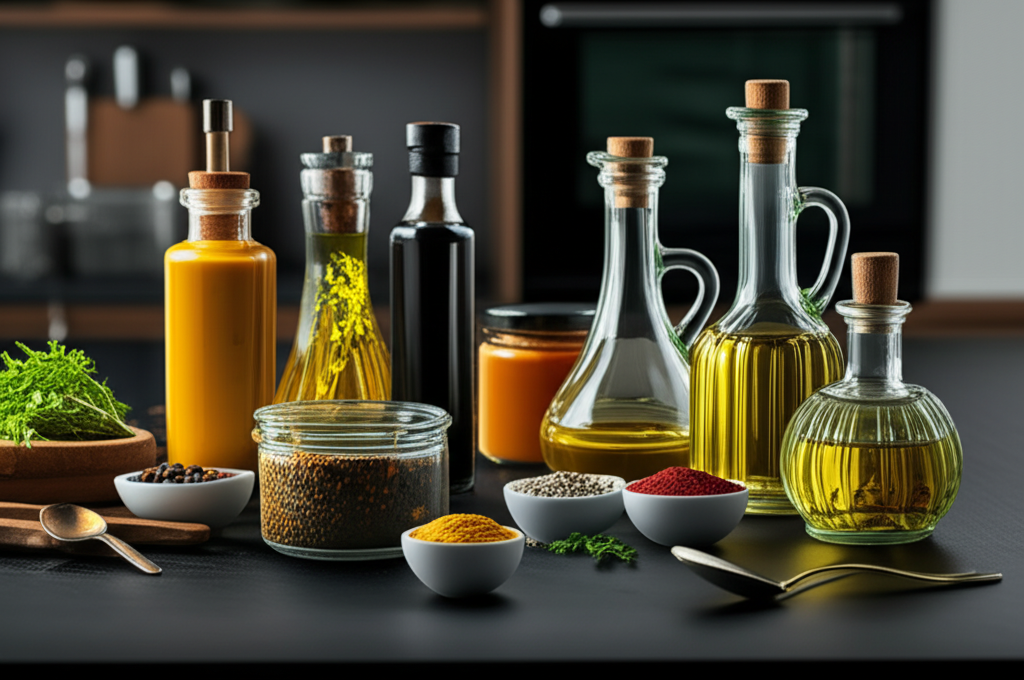
All condiments are vital flavor enhancers that elevate any dish, turning ordinary meals into extraordinary culinary experiences with just a dollop or dash.
Ever feel like your meals are missing something? That spark of excitement, that extra punch of flavor? You’re not alone. Many of us struggle to make our home-cooked meals taste as good as restaurant dishes. The secret isn’t always fancy ingredients or complex techniques. Often, the magic lies in something much simpler: condiments. These unsung heroes of the kitchen can transform bland food into something truly delicious. This guide will explore the wonderful world of all condiments, showing you how to use them to build a smarter palate. We’ll break down the basics and explore how these flavor boosters can make a big difference.
What Are Condiments? The Building Blocks of Flavor
Condiments are sauces, spices, or other preparations added to food, typically after cooking. They enhance the taste and texture of a dish. Think of them as flavor boosters. They can add saltiness, sweetness, spiciness, tanginess, or umami. These simple additions make food more enjoyable and exciting for everyone.
Condiments are essential for creating a more satisfying eating experience. They allow you to customize your meals to your personal taste. This ability to personalize makes every meal more special.
The Humble Beginnings of Condiments

The history of condiments is as old as cooking itself. Early humans likely used natural flavorings like salt and herbs. Ancient Romans enjoyed a fermented fish sauce called Garum. This was a popular flavoring agent. Over centuries, different cultures developed their own unique sauces and spices.
These early flavorings show a universal human desire to improve food. Condiments have always been about making food taste better. They are a testament to culinary creativity across time.
Why Condiments Matter for Your Palate
Your palate is your sense of taste. Condiments help develop and refine your palate. They introduce you to a wide range of flavors. You learn to appreciate different taste profiles. This makes you a more adventurous eater.
Exploring different condiments broadens your culinary horizons. You start noticing subtle flavor differences. This journey makes eating a more engaging and rewarding experience.
A World Tour of Essential Condiments
Let’s explore some of the most popular and essential condiments from around the globe. Each brings its own unique flavor profile to the table. Understanding these can help you make better choices for your meals.
The Classics: Ketchup, Mustard, and Mayonnaise
These three are the backbone of many cuisines. Ketchup offers a sweet and tangy tomato base. Mustard provides a sharp, sometimes spicy kick. Mayonnaise brings a creamy richness to dishes.
Ketchup is a favorite for fries and burgers. Mustard complements sausages and sandwiches. Mayonnaise is great in salads and as a spread. They are versatile and widely loved.
Asian Flavors: Soy Sauce, Sriracha, and Wasabi
Asian condiments offer a different spectrum of tastes. Soy sauce provides a deep, salty, umami flavor. Sriracha delivers a fiery chili heat with garlic undertones. Wasabi offers a pungent, nose-tingling spice.
Soy sauce is key in stir-fries and marinades. Sriracha adds heat to noodles and eggs. Wasabi is traditionally paired with sushi and sashimi.
Spicy Sensations: Hot Sauces and Chili Pastes
For those who love heat, hot sauces and chili pastes are essential. These range from mild to extremely fiery. They often use various chili peppers like jalapeños, habaneros, or ghost peppers.
Chili pastes like Sambal Oelek add complex heat. Hot sauces like Tabasco offer a vinegary, bright spice. They can wake up any dish needing a kick.
Tangy and Zesty: Vinegars and Pickles
Vinegars add acidity, cutting through richness and adding brightness. Pickles, like pickles or kimchi, offer a sour crunch. They add a refreshing contrast to heavier foods.
Balsamic vinegar is great on salads. Dill pickles are a classic sandwich topping. Kimchi adds a fermented zest to rice dishes.
Sweet and Savory: Barbecue Sauce and Relishes
Barbecue sauces often blend sweet, smoky, and tangy flavors. Relishes are typically made from chopped pickles or vegetables, offering a sweet and sour crunch.
Barbecue sauce is perfect for grilled meats. Sweet pickle relish is a common hot dog topping. These add a satisfying complexity.
Understanding Flavor Profiles: Sweet, Salty, Sour, Bitter, Umami
Condiments are masters at hitting these fundamental taste points. Learning to identify them helps you pair them better. This leads to more balanced and delicious meals.
The Sweet Side
Sweetness balances other strong flavors. It can come from sugar, honey, or fruits. Ketchup and sweet relishes are good examples. They make dishes more approachable.
A touch of sweetness can calm down spice or acidity. It creates a more rounded flavor experience. This makes food comforting and inviting.
The Salty Sensation
Salt is a universal flavor enhancer. It makes other tastes pop. Soy sauce, Worcestershire sauce, and even salted butter are salty. They are crucial for depth.
Too much salt can be overpowering. But the right amount makes food taste complete. It’s a fundamental building block of flavor.
The Sour Zing
Sourness, or acidity, brightens food. It cuts through richness and fat. Vinegars, lemon juice, and fermented foods provide this. They add a lively spark.
A sour element prevents food from tasting heavy. It cleanses the palate between bites. Think of how a squeeze of lime lifts tacos.
The Bitter Bite
Bitterness is less common in popular condiments. However, some ingredients like mustard greens or certain spices have it. It can add complexity and sophistication.
Bitterness can be an acquired taste. It balances out sweetness and salt. It adds an interesting edge to dishes.
The Fifth Taste: Umami
Umami is often described as savory or meaty. It comes from glutamate. Soy sauce, mushroom extracts, and aged cheeses are rich in umami. It adds a deep, satisfying richness.
Umami makes food taste more complex and fulfilling. It’s why dishes with these ingredients are so addictive. It creates a lingering, pleasant taste.
Condiments in the Digital Age: Delivery Apps and Beyond
The way we access condiments has changed. Food delivery apps bring them right to our doors. This convenience is a game-changer for busy people.
Navigating Food Delivery Apps for Condiments
Most food delivery apps allow you to customize orders. You can often add extra packets of ketchup or mustard. Some restaurants let you order small containers of specialty sauces.
This is perfect for when you run out of your favorites. Or when you want to try a restaurant’s signature sauce. It’s a simple way to boost your home meals.
Meal Kits and Condiments: A Perfect Pairing
Meal kit services often include pre-portioned condiments. Sometimes they provide unique sauces you wouldn’t buy yourself. This is a great way to discover new flavors.
You get to try interesting condiments without commitment. It’s an easy way to experiment. These kits make cooking exciting and flavorful.
Grocery Delivery: Stocking Your Condiment Arsenal
Grocery delivery services make stocking up easy. You can order all your staple condiments. You can also find gourmet and international options.
Having a well-stocked pantry means flavor is always on hand. You can whip up delicious meals anytime. It saves you trips to the store.
Choosing the Right Condiment for Your Meal
Selecting the perfect condiment can seem daunting. But it’s about understanding flavor pairings. Think about the main taste of your food.
Matching Flavors: A Simple Guide
Spicy food often pairs well with cooling elements like mayo or sour cream. Rich, fatty foods benefit from acidity, like vinegar-based sauces. Bland foods can be transformed with bold flavors like hot sauce or strong mustard.
Consider the texture too. Creamy sauces complement crispy foods. Crunchy relishes add contrast to smooth dishes. It’s about creating balance.
The Power of Contrast and Complement
Sometimes, you want a condiment that contrasts with your food. A sweet sauce on savory meat. Sometimes, you want something that complements. A garlic aioli with garlic fries.
Experimentation is key. Don’t be afraid to try unusual pairings. You might discover a new favorite combination.
When in Doubt, Go Classic
If you’re unsure, stick to the classics. Ketchup, mustard, and mayonnaise are safe bets. They work with a wide variety of foods. They rarely disappoint.
These staples are familiar and comforting. They provide a reliable flavor boost. You can always build from there.
DIY Condiments: Elevate Your Flavor Game
Making your own condiments can be incredibly rewarding. It gives you control over ingredients and flavor. Plus, it’s often more cost-effective.
Simple Recipes for Beginners
Start with easy recipes like a basic aioli or a quick pickle relish. You only need a few common ingredients. Many recipes require minimal cooking.
For aioli, just mix mayonnaise, garlic, and lemon juice. For relish, chop pickles and mix with a little sugar and vinegar. These are quick wins.
The Benefits of Homemade
Homemade condiments allow you to avoid preservatives and excess sugar. You can tailor the spice level and ingredients. This is healthier and more personalized.
You also get the satisfaction of creating something delicious yourself. It adds a special touch to any meal.
Advanced Condiment Crafting
Once you’re comfortable, try more complex recipes. Think fermented hot sauces or homemade mustards. These require a bit more time and patience.
The results are often spectacular. You can create truly unique flavors. It’s a fun culinary adventure.
Storage and Shelf Life: Keeping Your Condiments Fresh
Proper storage ensures your condiments taste their best. It also prevents spoilage. Always check the label for specific instructions.
Refrigeration is Key for Many
Most opened condiments, like mayonnaise, ketchup, and mustard, need refrigeration. This slows down bacterial growth. It keeps them safe to eat.
Always use clean utensils when serving. This prevents contamination. A clean spoon ensures freshness.
Pantry Staples: What Stays Out?
Unopened condiments like ketchup, mustard, and vinegar can often be stored at room temperature. Once opened, check the label. Some, like soy sauce, might be okay in the pantry after opening if used quickly.
However, for best quality and safety, refrigeration is often recommended even for these. When in doubt, put it in the fridge.
Signs of Spoilage
Look for changes in color, smell, or texture. Mold is a clear sign of spoilage. A sour or off smell is also a warning. If it looks or smells strange, discard it.
Trust your senses. It’s better to be safe than sorry. Your health is the top priority.
Beyond the Bottle: Condiments as Ingredients
Condiments aren’t just for dipping or topping. They can be powerful ingredients in cooking. They add layers of flavor to sauces, marinades, and dressings.
Marinades and Rubs
Soy sauce, Worcestershire sauce, and mustard are excellent bases for marinades. They tenderize meat and add deep flavor. A simple rub can include paprika, garlic powder, and a pinch of cayenne.
These help infuse flavor deep into the food. They make grilled or roasted dishes extraordinary. They are essential for barbecue.
Sauces and Dressings
Mayonnaise forms the base of many creamy dressings and dips. Ketchup and mustard are staples in barbecue sauce and vinaigrettes. Hot sauce can add a kick to pasta sauces.
These additions create complex flavor profiles. They transform simple ingredients into culinary creations. They are versatile tools.
Baking and Glazes
Believe it or not, some condiments can be used in baking. Mustard can add a subtle tang to bread dough. A touch of ketchup can add depth to meatloaf.
They can also be used to create glazes for meats or vegetables. Think of a honey-mustard glaze for chicken. It adds a beautiful sheen and taste.
The Future of Condiments: Innovation and Personalization
The world of condiments is always evolving. We see new flavors and formats emerging constantly. Personalization is also a growing trend.
Global Flavors and Fusion
Expect to see more fusion condiments. Think Korean-inspired spicy mayo or a harissa-infused ketchup. These blend traditions for exciting new tastes.
As food becomes more global, so do our flavors. This trend brings exciting new options to our tables. It encourages culinary exploration.
Healthier Options and Dietary Needs
There’s a growing demand for healthier condiments. This includes lower-sugar, lower-sodium, and plant-based options. Many brands are responding to this need.
You can find vegan mayonnaise and sugar-free ketchup. These cater to specific diets and preferences. They make flavor accessible to more people.
Personalized Condiment Experiences
Technology might even allow for personalized condiment creation. Imagine ordering a sauce with your exact spice and sweetness preference. This level of customization is on the horizon.
This would truly put the diner in control. It ensures every meal is perfectly seasoned. It’s an exciting prospect for food lovers.
Frequently Asked Questions About Condiments
What is the most popular condiment in the world?
While difficult to pinpoint definitively, ketchup is often cited as the most popular condiment globally. Its widespread use on fast food and various dishes makes it a strong contender.
Can I use condiments as a main flavor in a dish?
Yes, absolutely! Condiments can be the star of a dish, especially in sauces, marinades, or dressings. Think of a creamy peanut sauce or a rich barbecue glaze.
Are all condiments healthy?
Not all condiments are equally healthy. Many can be high in sugar, sodium, or fat. It’s important to check nutrition labels and choose options that fit your dietary needs.
How do I store homemade condiments?
Homemade condiments should generally be stored in an airtight container in the refrigerator. Their shelf life will vary depending on the ingredients used. Always check for signs of spoilage before consuming.
What is the difference between a sauce and a condiment?
The terms are often used interchangeably, but generally, a sauce is a liquid or semi-liquid used in cooking or serving food. A condiment is typically added to food at the table to enhance its flavor.
Can I freeze condiments?
Some condiments can be frozen, but their texture might change upon thawing. Mayonnaise-based condiments, for example, may separate. It’s best to check specific freezing recommendations for each type.
Conclusion: Your Flavor Journey Starts Now
Exploring all condiments is a delicious adventure. They are the essential flavor boosters that elevate any meal. From the classics like ketchup and mustard to exotic chili pastes, each offers a unique experience. Understanding flavor profiles helps you pair them perfectly. Don’t be afraid to experiment with DIY options or use them as cooking ingredients.
With the convenience of delivery apps and meal kits, accessing new flavors is easier than ever. Embrace the power of condiments to build a smarter palate. Your taste buds will thank you for it!

Belayet Hossain is a Senior Tech Expert and Certified AI Marketing Strategist. Holding an MSc in CSE (Russia) and over a decade of experience since 2011, he combines traditional systems engineering with modern AI insights. Specializing in Vibe Coding and Intelligent Marketing, Belayet provides forward-thinking analysis on software, digital trends, and SEO, helping readers navigate the rapidly evolving digital landscape. Connect with Belayet Hossain on Facebook, Twitter, Linkedin or read my complete biography.