
Published on: 13/10/2025 | Updated on: October 13, 2025
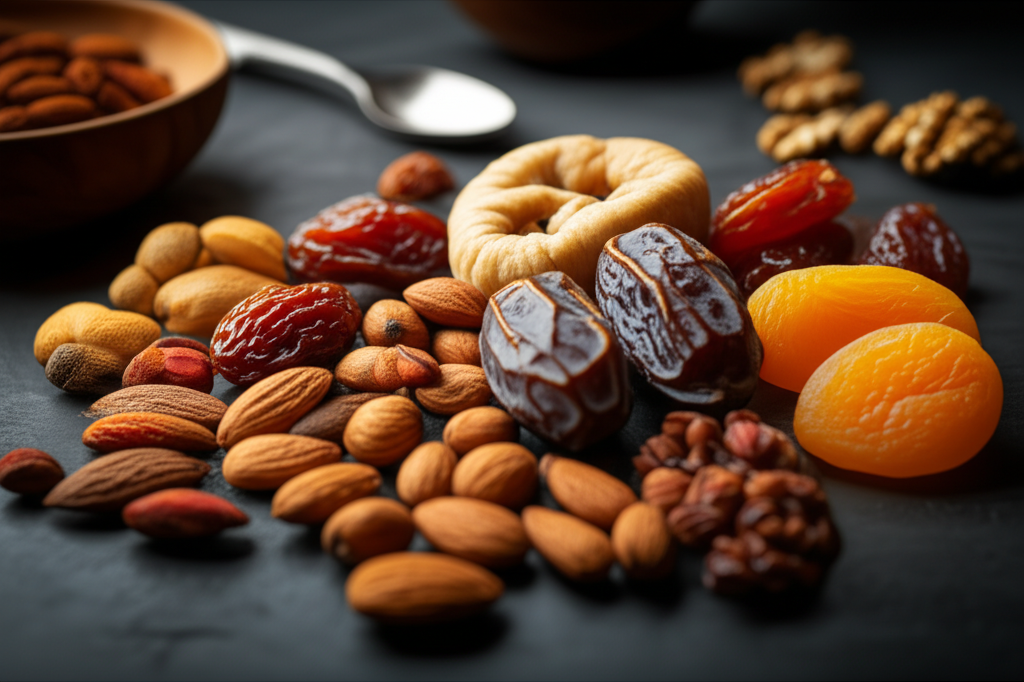
All dry fruits are nutritional powerhouses, offering concentrated vitamins, minerals, and fiber. Discover their irresistible health secrets and learn how to easily add these convenient snacks to your daily diet for a significant boost in well-being.
Are you looking for a simple way to eat healthier? Sometimes, finding the right foods feels overwhelming. Many healthy foods are hard to prepare or spoil quickly. This can be frustrating when you want to make good choices. I understand this challenge well. That’s why I want to share a treasure trove of healthy eating: all dry fruits. They are easy to store and packed with goodness. Let’s explore the essential and irresistible health secrets these little wonders hold.
The Wonderful World of All Dry Fruits
Dry fruits are simply fruits that have had most of their water content removed. This process concentrates their natural sugars and nutrients. Think of them as nature’s candy, but with incredible health benefits. They offer a convenient and long-lasting way to enjoy the goodness of fruits.
This concentration makes them a potent source of energy and vital nutrients. They are perfect for busy lifestyles. We’ll explore why they are so good for you.
What Makes Dry Fruits So Special?

The drying process enhances the nutrient density of fruits. This means you get more vitamins, minerals, and fiber in a smaller serving. They are also naturally sweet, making them a great alternative to processed snacks. Their shelf life is much longer than fresh fruits.
This makes them an ideal pantry staple. You can have healthy snacks ready anytime. Let’s look at the specific benefits they offer.
Nutrient Powerhouses: What’s Inside All Dry Fruits?
Dry fruits are packed with essential vitamins and minerals. They are a concentrated source of energy. Their natural sugars provide a quick energy boost. Fiber content is also very high, aiding digestion. They also contain beneficial antioxidants.
These nutrients are vital for many bodily functions. They help keep us energized and healthy. Understanding these nutrients helps us appreciate their value.
Vitamins and Minerals Galore
Many dry fruits are rich in potassium. This mineral is good for blood pressure. They also offer iron, important for carrying oxygen in the blood. You’ll find magnesium, which helps muscles and nerves function. Vitamin K is present in some, aiding blood clotting.
These minerals are crucial for maintaining a healthy body. They support everything from energy levels to bone health. Including them in your diet ensures you get these vital elements.
Fiber: The Digestive Champion
Dry fruits are an excellent source of dietary fiber. Fiber is crucial for a healthy digestive system. It helps prevent constipation and promotes regularity. Soluble fiber can also help lower cholesterol levels. Insoluble fiber adds bulk to stool, aiding its passage.
A diet rich in fiber contributes to overall gut health. It can also help you feel fuller for longer. This can be helpful for weight management. Eating a variety of dry fruits ensures a good fiber intake.
Antioxidants: Your Body’s Defenders
Antioxidants protect your body from damage. They fight unstable molecules called free radicals. Free radicals can contribute to aging and disease. Many dry fruits contain powerful antioxidants like polyphenols. These compounds are beneficial for long-term health.
Regular consumption of antioxidant-rich foods is key. They help keep your cells healthy. This protection is vital for preventing chronic illnesses. Dry fruits offer a delicious way to get these defenders.
Top Dry Fruits and Their Unique Health Benefits
Each type of dry fruit offers a unique set of benefits. From the energy of dates to the heart health of almonds, they are all valuable. Let’s explore some of the most popular ones and what makes them stand out. Knowing these specifics helps you choose what’s best for your needs.
Variety is key to getting a wide range of nutrients. Enjoying different dry fruits ensures a balanced intake of health benefits.
Dates: Nature’s Sweet Energy Boost
Dates are incredibly sweet and satisfying. They are a fantastic source of natural sugars like fructose and glucose. This makes them perfect for a quick energy lift. They are also rich in fiber and potassium. Dates are great for digestive health and can help manage blood pressure.
Their natural sweetness makes them a healthy dessert option. They can also be used in baking and smoothies. Dates are a truly versatile and beneficial dry fruit.
Raisins: Tiny Powerhouses of Iron and Fiber
Raisins are dried grapes, packed with nutrients. They are a good source of iron, which is important for preventing anemia. They also provide a good amount of fiber. Raisins contain antioxidants that help protect your cells.
They are a convenient snack for lunchboxes. Adding them to oatmeal or yogurt boosts their nutritional value. Raisins offer a sweet taste with significant health perks.
Apricots: Rich in Vitamin A and Fiber
Dried apricots are a vibrant orange color. This color comes from beta-carotene, which the body converts to Vitamin A. Vitamin A is essential for vision and immune function. They are also a good source of fiber and potassium.
These nutrients support skin health and eye health. Dried apricots are a delicious way to get these benefits. They are a healthy addition to many meals and snacks.
Prunes: The Kings of Digestive Health
Prunes are dried plums and are famous for their digestive benefits. They are high in fiber and contain sorbitol. Sorbitol is a natural laxative that helps promote bowel regularity. They also offer vitamins and minerals like Vitamin K and potassium.
If you struggle with constipation, prunes can help. They are a natural and effective solution. Enjoy them on their own or in recipes for a healthy gut.
Figs: Sweetness with Bone-Boosting Minerals
Dried figs are sweet and chewy. They are a good source of calcium and magnesium. These minerals are crucial for strong bones. Figs also provide fiber and potassium. They offer a unique flavor profile.
Their high mineral content makes them great for bone health. They can be a delicious part of a balanced diet. Figs are a sweet treat with a serious health punch.
Almonds: The Heart-Healthy Nut (Yes, They Count!)
While technically a nut, almonds are often grouped with dry fruits due to their similar nutritional profile and usage. They are rich in healthy monounsaturated fats. These fats are excellent for heart health. Almonds are also a great source of Vitamin E and magnesium.
They help lower bad cholesterol and protect against heart disease. Almonds are a fantastic snack for brain health too. Their crunchy texture and satisfying taste make them a favorite.
Walnuts: Brain Food Powerhouse
Walnuts are another nut often enjoyed like dry fruit. They are packed with omega-3 fatty acids. These are essential fats that benefit brain health and reduce inflammation. Walnuts also contain antioxidants and protein.
Regular consumption is linked to improved cognitive function. They are a great addition to salads or trail mixes. Walnuts truly are brain food.
Integrating All Dry Fruits into Your Daily Diet
Adding dry fruits to your meals is easy and delicious. You don’t need to be a gourmet chef. Simple additions can make a big difference. Think about your daily routines and where you can fit them in. They are versatile and adaptable to many foods.
Making these small changes can lead to significant health improvements over time. Let’s explore some easy ways to enjoy them.
Breakfast Boosters
Start your day with energy. Sprinkle chopped dates or raisins into your oatmeal. Add dried cranberries or apricots to your yogurt or cereal. A handful of almonds or walnuts adds a satisfying crunch. This makes your breakfast more filling and nutritious.
These additions transform a plain breakfast into a power-packed meal. They provide sustained energy for your morning. This is a great way to begin your day on a healthy note.
Smart Snacking Solutions
When hunger strikes between meals, reach for dry fruits. A small handful of mixed dry fruits is a perfect snack. They provide natural sweetness and energy. They are much healthier than chips or cookies. Keep a small bag in your purse or car for on-the-go access.
This helps avoid unhealthy cravings. It keeps your energy levels stable. Dry fruits are a convenient and guilt-free snack option. They are readily available and easy to eat anywhere.
Savory and Sweet Additions
Dry fruits aren’t just for sweet dishes. Chop figs or apricots and add them to savory salads. They add a lovely sweetness and texture. Prunes can be used in stews or with roasted meats. Raisins are a classic addition to rice dishes.
This adds complexity and flavor to your meals. It’s a simple way to elevate your cooking. Experiment with different combinations to find your favorites. This shows their versatility beyond just snacks.
Baking and Smoothies
Dry fruits are fantastic in baked goods. Dates can be pureed to sweeten cakes and muffins naturally. Raisins are a classic in cookies and breads. Add chopped apricots or figs to scones or bread loaves. They add moisture and a chewy texture.
In smoothies, they add natural sweetness and thickness. Blend dates or prunes into your favorite smoothie recipes. This creates a richer, more satisfying drink. It’s a healthy way to sweeten your beverages.
Choosing the Best Dry Fruits: Quality Matters
Not all dry fruits are created equal. Some may have added sugars or preservatives. It’s important to choose wisely to get the maximum health benefits. Look for products that are simply dried fruit, with no added ingredients.
Selecting good quality dry fruits ensures you are getting pure nutrition. This makes them a healthier choice overall. Let’s learn how to pick the best ones.
Read the Labels Carefully
Always check the ingredient list. The best dry fruits have only one ingredient: the fruit itself. Avoid products with added sugars, sulfites, or oils. Sulfites are often used as preservatives and can cause reactions in some people. Added sugars negate some of their natural health benefits.
This simple step ensures you are consuming a healthy product. It helps you avoid unnecessary additives. Prioritize brands that offer pure, unsweetened options.
Organic vs. Conventional
Consider choosing organic dry fruits. Organic farming practices avoid synthetic pesticides and fertilizers. This means fewer chemicals in your food. While organic options may be slightly more expensive, they offer peace of mind. They are a cleaner choice for your body.
If organic is not an option, wash conventional dry fruits thoroughly. This helps remove any surface residues. Both options offer valuable nutrients. Choosing organic is an extra layer of assurance.
Storage for Freshness
Proper storage keeps dry fruits fresh and tasty. Store them in airtight containers. Keep them in a cool, dry place away from direct sunlight. Refrigeration can extend their shelf life even further. This prevents them from drying out or becoming stale.
This simple step ensures your dry fruits remain enjoyable. It preserves their texture and flavor. Well-stored dry fruits are always ready to eat.
Potential Downsides and How to Manage Them
While dry fruits are incredibly healthy, moderation is key. Because their water content is removed, their sugar content is concentrated. Eating too many can lead to excess sugar intake. They are also calorie-dense, so portion control is important.
Understanding these potential issues helps you enjoy dry fruits responsibly. We can enjoy their benefits without overdoing it.
Sugar Content Awareness
Dry fruits are naturally sweet. This sweetness comes from concentrated sugars. While these are natural sugars, consuming large amounts can still affect blood sugar levels. People with diabetes should monitor their intake carefully. Always pair them with protein or healthy fats to slow sugar absorption.
A small serving is usually sufficient. Enjoying them in moderation is the best approach. This ensures you get the benefits without the drawbacks.
Portion Control is Crucial
Because they are small and easy to eat, it’s easy to overconsume them. A serving size is typically about 1/4 cup or a small handful. This provides a good amount of nutrients without excessive calories or sugar. Measure your portions, especially if you are mindful of your calorie intake.
Using a small bowl or baggie helps manage portions. This makes it easier to stick to a healthy amount. Enjoying them mindfully ensures they contribute positively to your diet.
Hydration is Important
Since dry fruits have very little water, it’s important to drink enough water when consuming them. The fiber in dry fruits needs water to function properly. Adequate hydration supports digestion and overall health. Make sure you are drinking plenty of fluids throughout the day.
This helps your body process the fiber effectively. It prevents potential digestive discomfort. Water is essential for a balanced diet, especially with dry fruits.
The AI Advantage in Exploring Food Trends
As an AI, I can analyze vast amounts of data on food trends. This includes popular ingredients, nutritional science, and consumer preferences. I see how often “all dry fruits” appear in discussions about healthy eating and convenient snacks. AI helps identify patterns that humans might miss.
This allows for a deeper understanding of why certain foods, like dry fruits, are consistently recommended. It highlights their enduring appeal and health benefits. My analysis confirms their importance in a healthy diet.
AI’s Role in Nutritional Insights
AI algorithms can process nutritional databases instantly. They can cross-reference information on vitamins, minerals, and fiber content across thousands of foods. This provides clear, evidence-based insights into the benefits of specific food groups. For “all dry fruits,” AI confirms their high nutrient density.
This data-driven approach provides reliable health information. It supports the traditional wisdom about these foods. AI helps us understand the science behind their goodness.
Predicting Future Food Preferences
By analyzing search trends, social media discussions, and health articles, AI can predict what foods will become more popular. “All dry fruits” consistently show up as a trending category for healthy snacking and natural sweeteners. Consumers are increasingly looking for convenient, plant-based, and nutrient-rich options.
This trend is likely to continue. Dry fruits fit perfectly into modern dietary needs. Their popularity is well-deserved and growing.
Frequently Asked Questions about All Dry Fruits
Are all dry fruits good for weight loss?
Yes, in moderation. They are filling due to fiber and can satisfy sweet cravings naturally. However, they are calorie-dense, so portion control is key. Pairing them with protein helps you feel fuller longer.
Can I eat dry fruits every day?
Yes, incorporating a small, controlled portion of dry fruits into your daily diet is generally healthy. They provide essential nutrients and fiber. Just be mindful of the concentrated sugar and calorie content.
Which dry fruit is the healthiest?
All dry fruits offer unique benefits. Dates are great for energy and potassium. Prunes are excellent for digestion. Apricots provide Vitamin A. Almonds offer healthy fats and Vitamin E. A variety is best for a wide range of nutrients.
Are dried fruits safe for diabetics?
Diabetics can eat dried fruits, but with caution and in very small, controlled portions. They have a high sugar content. It’s best to consult a doctor or dietitian. Pairing them with protein or fat can help manage blood sugar spikes.
What is the best way to store dry fruits?
Store dry fruits in airtight containers in a cool, dry place. Refrigeration can further extend their freshness and prevent them from drying out. This keeps them tasty and prevents spoilage.
Can dry fruits cause digestive issues?
Yes, if eaten in large quantities. The high fiber content can cause gas or bloating for some. Start with small portions and increase gradually. Drinking plenty of water also helps prevent digestive discomfort.
Conclusion: Embrace the Power of All Dry Fruits
In conclusion, all dry fruits are a fantastic addition to any diet. They are nature’s way of preserving fruit’s goodness. They offer concentrated vitamins, minerals, fiber, and antioxidants. From dates to almonds, each type brings its own unique health advantages. They are incredibly versatile, fitting easily into breakfast, snacks, and meals.
Remember to choose high-quality, unsweetened options. Practice portion control to manage sugar and calorie intake. By embracing all dry fruits, you are choosing a simple, delicious, and powerful path to better health. Enjoy these irresistible treasures from nature!

Belayet Hossain is a Senior Tech Expert and Certified AI Marketing Strategist. Holding an MSc in CSE (Russia) and over a decade of experience since 2011, he combines traditional systems engineering with modern AI insights. Specializing in Vibe Coding and Intelligent Marketing, Belayet provides forward-thinking analysis on software, digital trends, and SEO, helping readers navigate the rapidly evolving digital landscape. Connect with Belayet Hossain on Facebook, Twitter, Linkedin or read my complete biography.