
Published on: 14/10/2025 | Updated on: October 14, 2025
Almond drink is a popular dairy-free milk alternative. This guide covers everything you need to know about almond drink, from its benefits and types to how to choose and use it. Get ready to make the best almond drink choices for your needs.
Welcome! Navigating the world of milk alternatives can feel overwhelming. Many people look for options beyond dairy milk for various reasons. They might be lactose intolerant, vegan, or simply seeking a lighter, healthier choice. Almond drink has become a top pick for many. But with so many brands and types available, how do you pick the right one? It’s like choosing the perfect ingredient for a recipe – you need the right information. This guide will walk you through all things almond drink. We’ll explore its health benefits, different varieties, and how to use it in your daily life. Get ready to become an almond drink expert!
What Exactly is Almond Drink?
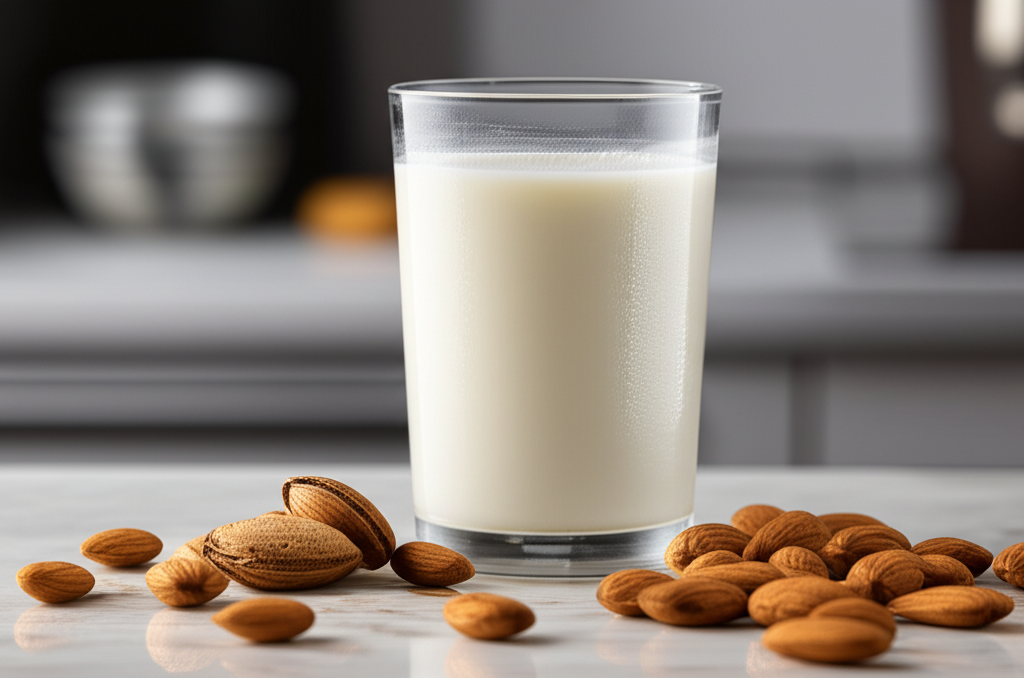
Almond drink is a plant-based beverage made from almonds and water. It’s a fantastic alternative to cow’s milk. Makers blend soaked almonds with water. Then, they strain the mixture to get a smooth, milky liquid. This process creates a delicious and versatile drink. It’s enjoyed by many for its taste and health benefits.
This simple creation offers a creamy texture and a subtle nutty flavor. It’s a staple for those avoiding dairy or looking for plant-based options.
Why Choose Almond Drink? The Health Perks
Choosing almond drink offers several health advantages. It’s naturally lower in calories than cow’s milk. This makes it a great option for weight management. Almond drink is also a good source of vitamin E. Vitamin E is an antioxidant that helps protect your cells.
Many brands fortify their almond drink with calcium and vitamin D. These are essential for strong bones. Unlike dairy milk, it contains no lactose. This is a big plus for people with lactose intolerance.
Lower Calorie Count

Unsweetened almond drink is very low in calories. A cup often has only 30-50 calories. Compare this to cow’s milk, which can have over 100 calories per cup. This calorie difference can add up. It helps if you are watching your calorie intake.
Opting for unsweetened versions is key here. They avoid added sugars that can increase calorie and sugar content.
Rich in Vitamin E
Almonds are naturally rich in vitamin E. This nutrient acts as an antioxidant. Antioxidants help fight damage to your body’s cells. This can contribute to overall health and well-being.
The amount of vitamin E can vary by brand. Check the nutrition label for specific amounts.
Lactose-Free and Dairy-Free
For those who are lactose intolerant, almond drink is a savior. It contains no lactose, the sugar found in dairy milk. This means no digestive upset for many people. It’s also a perfect choice for vegans. Vegans avoid all animal products.
This makes almond drink a widely accessible option. It fits many dietary needs and preferences.
Fortified with Essential Nutrients
Many commercial almond drinks are fortified. They add calcium and vitamin D. These nutrients are crucial for bone health. Calcium helps build and maintain strong bones. Vitamin D helps your body absorb calcium.
These additions make almond drink comparable to dairy milk. It provides key nutrients vital for your body.
Types of Almond Drink: Finding Your Perfect Match
The world of almond drink is diverse. You can find sweetened, unsweetened, and flavored varieties. Each offers a different experience. Understanding these types helps you make the best choice. Think about how you plan to use your almond drink. This will guide you to the right type.
From plain to vanilla, there’s an almond drink for every taste.
Unsweetened Almond Drink
This is the healthiest choice for many. Unsweetened almond drink has no added sugars. It offers a pure, subtle almond flavor. It’s perfect for cooking, baking, or adding to coffee. You get the benefits without the extra sugar.
It’s a versatile base for recipes. It lets other flavors shine through.
Sweetened Almond Drink
Sweetened versions have added sugars. These can be cane sugar, syrup, or other sweeteners. They offer a sweeter taste. This makes them popular for cereal or drinking straight. However, they have more calories and sugar.
If you have a sweet tooth, this might be your pick. Just be mindful of the sugar content.
Flavored Almond Drink
You can find almond drink in many flavors. Vanilla and chocolate are the most common. These are often sweetened. They can be a fun treat or a way to add flavor to smoothies. They are like a dessert in a carton.
These are great for picky eaters or special occasions.
Organic and Natural Varieties
Look for “organic” labels. This means the almonds used were grown without synthetic pesticides. “Natural” labels can be less clear. Always check the ingredients list. These options often have fewer additives.
Choosing organic can be better for the environment. It also ensures a purer product.
Making Almond Drink at Home: A Simple Process
Creating your own almond drink is surprisingly easy. It’s also rewarding. You control the ingredients. You can make it as thick or thin as you like. Plus, it tastes incredibly fresh. All you need are almonds, water, and a blender.
This DIY approach saves money and reduces waste. You avoid packaging and preservatives.
Ingredients You’ll Need
Raw Almonds: One cup of raw, unsalted almonds. Soaking them overnight softens them. This makes blending easier and improves texture.
Water: Four cups of filtered water. You can adjust this for thicker or thinner milk.
* Optional Add-ins: A pinch of salt enhances flavor. Dates or a little maple syrup can add sweetness. Vanilla extract adds a nice touch.
Gathering these simple items is all it takes. You are just a few steps away from fresh almond drink.
Step-by-Step Preparation
1. Soak Almonds: Place one cup of raw almonds in a bowl. Cover them with water. Let them soak for at least 8 hours or overnight. Drain and rinse the almonds thoroughly.
2. Blend: Put the soaked almonds into a high-speed blender. Add four cups of fresh water. Add any optional ingredients like salt, sweetener, or vanilla.
3. Blend Until Smooth: Blend on high speed for about 1-2 minutes. The mixture should look milky and smooth.
4. Strain: Place a nut milk bag or fine-mesh cheesecloth over a large bowl or pitcher. Pour the blended mixture into the bag. Squeeze the bag gently to extract all the liquid. Discard the almond pulp or save it for baking.
5. Store: Pour the almond drink into an airtight container. Store it in the refrigerator. It will last for about 3-5 days.
This process is straightforward. It yields delicious, homemade almond drink.
Using Almond Drink in Your Kitchen: Versatile Applications
Almond drink is incredibly versatile. It can replace dairy milk in many recipes. Its mild flavor doesn’t overpower other ingredients. It works well in both sweet and savory dishes. You can use it in your morning coffee or in baking.
Think of it as a direct swap for dairy milk. Its adaptability makes it a kitchen staple.
In Your Morning Coffee or Tea
A splash of almond drink is perfect for your morning brew. It adds a creamy texture without dairy. Unsweetened versions won’t alter the coffee’s flavor too much. Flavored versions can add a nice twist. Many baristas now offer it as a standard option.
It’s a popular choice for lattes and cappuccinos too.
Smoothies and Shakes
Almond drink is a fantastic base for smoothies. It blends well and adds a smooth consistency. Use it in place of water or dairy milk. It complements fruits and vegetables beautifully. You can easily make a dairy-free smoothie.
It helps create a light yet satisfying drink.
Baking and Cooking
You can use almond drink in most baking recipes. Swap it cup for cup with dairy milk. It works in cakes, muffins, pancakes, and breads. For savory dishes like soups or sauces, it adds creaminess. It’s a great dairy-free thickener.
Its neutral taste makes it suitable for many recipes.
Cereal and Oatmeal
Pouring almond drink over your cereal is common. It’s also wonderful for cooking oatmeal. It adds a subtle nutty flavor and creamy texture. This makes your breakfast more enjoyable. It’s a lighter alternative to whole milk.
It’s a simple way to start your day with a dairy-free option.
Choosing the Best Almond Drink: What to Look For
Selecting the right almond drink involves checking a few key things. Brands differ in ingredients, nutritional value, and taste. Consider your personal health goals and taste preferences. Reading labels is your best tool here. It helps you make an informed decision.
Focus on what matters most for your diet and enjoyment.
Read the Ingredient List Carefully
Look for almond drink with a short ingredient list. The first ingredient should be almonds. Avoid products with many fillers or thickeners. Gums like carrageenan are sometimes used. Some people prefer to avoid them. Water should also be high on the list.
A simple list means a purer product.
Check for Added Sugars
As mentioned, unsweetened is usually best. If you prefer a sweetened version, check the sugar content. Compare different brands. Look for the grams of sugar per serving. Lower is generally better.
Be aware of different sugar names on labels.
Nutritional Value: Calcium and Vitamin D
If you rely on almond drink for calcium and vitamin D, check the labels. See how much of your daily recommended intake is provided. Brands vary in fortification levels. Ensure it meets your nutritional needs. This is especially important if you’re replacing dairy milk entirely.
Fortification helps make it a nutritionally complete alternative.
Brand Reputation and Reviews
Some brands are more established. They often have consistent quality. Reading online reviews can be helpful. See what other consumers say about taste and texture. This gives you real-world feedback. It helps you avoid disappointing choices.
Trusted brands often deliver a reliable product.
Almond Drink vs. Other Plant-Based Milks
Almond drink isn’t the only plant-based milk available. Soy, oat, cashew, and coconut milks are also popular. Each has its own unique taste, texture, and nutritional profile. Comparing them helps you understand almond drink’s place. It also helps you choose the best milk for specific uses.
Consider how each milk performs in different situations.
Almond Drink vs. Soy Milk
Soy milk is made from soybeans. It’s often higher in protein than almond drink. It has a creamier texture and a more distinct flavor. Some people prefer soy for its protein content. Others avoid it due to potential allergies or concerns about phytoestrogens.
Soy milk is a good all-around substitute for dairy.
Almond Drink vs. Oat Milk
Oat milk is made from oats. It’s known for its creamy texture and naturally sweet taste. It’s often a favorite for coffee. Oat milk is generally higher in carbohydrates than almond drink. It also contains some fiber.
Its creaminess makes it excellent for lattes.
Almond Drink vs. Coconut Milk (Beverage)
Coconut milk beverage is made from coconut flesh and water. It has a distinct tropical flavor. It’s usually lower in protein than almond drink. It can be higher in saturated fat. Its flavor makes it ideal for certain dishes.
It adds a unique taste to smoothies and curries.
Almond Drink vs. Cashew Milk
Cashew milk is made from cashews and water. It’s often very creamy. Its flavor is mild, similar to almond drink. It can be lower in calories than almond drink. Protein content is typically low.
It’s a good choice when you want creaminess without a strong flavor.
Here’s a quick comparison table:
| Milk Type | Primary Ingredient | Typical Protein (per cup) | Typical Calories (unsweetened) | Key Characteristics |
| :————- | :—————– | :———————— | :—————————– | :————————————————— |
| Almond Drink | Almonds | 1g | 30-50 | Light, slightly nutty, low calorie |
| Soy Milk | Soybeans | 7-8g | 80-100 | Creamy, higher protein, distinct flavor |
| Oat Milk | Oats | 2-3g | 120-130 | Very creamy, naturally sweet, good for coffee |
| Coconut Milk | Coconut | <1g | 45-50 | Tropical flavor, lower protein, moderate fat |
| Cashew Milk | Cashews | 1g | 25-40 | Very creamy, mild flavor, low calorie |
This table highlights the differences. It helps you pick the best plant-based milk.
Potential Downsides and Considerations
While almond drink has many benefits, there are things to consider. Its low protein content is a significant factor. Some people may also have nut allergies. Environmental concerns related to almond farming exist too. Being aware of these helps you make a balanced choice.
It’s important to weigh the pros and cons.
Low Protein Content
Almond drink is not a significant source of protein. If you rely on milk for protein, you’ll need to get it from other sources. Cow’s milk has much more protein. Soy milk is also a better option for protein. Look to other foods to meet your protein needs.
Ensure your overall diet is balanced.
Nut Allergies
Almonds are tree nuts. People with nut allergies must avoid almond drink. Always check for allergies before trying it. If you have a known nut allergy, choose a different milk alternative. Safety is the top priority.
Always be cautious if allergies are a concern.
Environmental Impact
Almond farming requires significant water resources. This is a concern in drought-prone areas. While almond drink is generally considered more sustainable than dairy. It’s good to be aware of the water usage. Choosing organic can support more sustainable farming practices.
Consider brands that focus on sustainable sourcing.
Finding Almond Drink Near You: Delivery and Groceries
Getting your favorite almond drink is easier than ever. Most grocery stores stock a wide variety. For ultimate convenience, consider grocery delivery services. Many apps offer almond drink. You can even find it at some restaurants or cafes.
Delivery services bring it right to your door. This saves time and effort.
Grocery Stores and Supermarkets
Your local supermarket is the most common place. You’ll find major brands and store brands. Check the refrigerated section or the shelf-stable aisle. Options range from basic to organic and flavored. It’s easy to compare prices and brands side-by-side.
This is the traditional and most accessible way to buy it.
Online Grocery Delivery Services
Services like Instacart, Amazon Fresh, or Shipt deliver groceries. You can order almond drink through their apps or websites. They partner with local stores. This offers great convenience. You can schedule deliveries at your convenience.
It’s perfect for busy schedules.
Meal Kit and Subscription Services
Some meal kit services might include almond drink. Specialty subscription boxes focus on plant-based items. These can sometimes offer unique or artisanal almond drinks. They might also bundle it with other vegan products.
This can be a way to discover new brands.
Local Cafes and Restaurants
Many cafes offer almond drink as a milk alternative. You can often purchase a carton to take home. Restaurants might use it in their dishes. While not a primary source, it’s a sign of its popularity.
It shows how widely accepted almond drink has become.
The Future of Almond Drink
Almond drink continues to grow in popularity. Innovations in processing and flavorings are expected. Brands are focusing more on sustainability. Consumer demand for plant-based options is strong. This suggests a bright future for almond drink. It will likely remain a leading dairy alternative.
Its versatility and health benefits ensure its place.
Frequently Asked Questions about Almond Drink
What is the main benefit of almond drink?
Almond drink is low in calories and a good source of vitamin E. It’s also lactose-free, making it suitable for many people.
Is almond drink good for weight loss?
Yes, unsweetened almond drink is very low in calories. This can help if you are trying to manage your weight.
Can I drink almond drink if I’m allergic to nuts?
No, if you have a nut allergy, you must avoid almond drink. It is made from almonds.
How long does homemade almond drink last?
Homemade almond drink typically lasts for 3-5 days in the refrigerator. Always store it in an airtight container.
Is almond drink better than cow’s milk?
It depends on your needs. Almond drink is lower in calories and lactose-free. Cow’s milk is higher in protein and calcium naturally. Both have pros and cons.
Can I use almond drink in hot beverages?
Yes, you can use almond drink in coffee and tea. Some brands may separate slightly when heated. Unsweetened and barista-blend versions often work best.
What is almond pulp?
Almond pulp is the leftover almond fiber after blending. You can use it in baking recipes like muffins or cookies.
Conclusion: Embrace the Almond Drink
Almond drink has earned its spot as a favorite dairy alternative. Its light taste, low-calorie count, and versatility make it a winner. Whether you’re lactose intolerant, vegan, or just looking for a healthier option, almond drink fits the bill. From homemade batches to store-bought convenience, it’s accessible for everyone. Understanding the different types and what to look for on labels empowers you. You can confidently choose the best almond drink for your coffee, cereal, smoothies, or baking. So go ahead, embrace the nutty goodness and make almond drink your essential pantry staple.

Belayet Hossain is a Senior Tech Expert and Certified AI Marketing Strategist. Holding an MSc in CSE (Russia) and over a decade of experience since 2011, he combines traditional systems engineering with modern AI insights. Specializing in Vibe Coding and Intelligent Marketing, Belayet provides forward-thinking analysis on software, digital trends, and SEO, helping readers navigate the rapidly evolving digital landscape. Connect with Belayet Hossain on Facebook, Twitter, Linkedin or read my complete biography.