
Published on: 16/10/2025 | Updated on: October 16, 2025
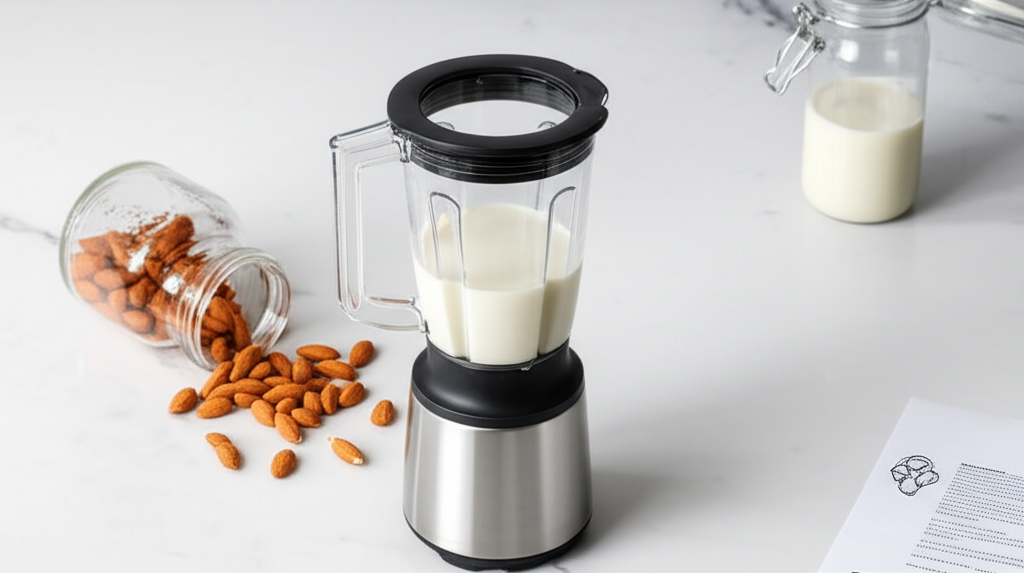
Unlock creamy, delicious homemade almond milk with the right blender. This guide covers essential tips for choosing, using, and maintaining your almond milk blender for perfect results every time.
Making almond milk at home is a simple joy. It tastes fresher than store-bought. Plus, you control the ingredients. But you need the right tool: an almond milk blender. Choosing the best blender can seem tricky. Many options exist. Some are powerful, others are not. This guide will help you. I will show you what to look for. We will cover how to use it. We will also talk about keeping it in good shape. Get ready to make amazing almond milk.
Why a Blender is Key for Homemade Almond Milk
A blender is the heart of homemade almond milk. It breaks down soaked almonds. This releases their creamy goodness into the water. Without a good blender, your almond milk might be gritty. It might not be smooth. A powerful blender ensures a silky texture. It also helps extract more flavor. This makes your homemade almond milk truly special.
Choosing the Right Almond Milk Blender
The right almond milk blender makes a big difference. Power is important. Look for blenders with at least 600 watts. More power means smoother milk. Jar size matters too. A 48-ounce jar is good for most families. Consider the blade design. Sharp, durable blades are best. Some blenders come with special settings. These can be helpful for nut milks. Think about ease of cleaning. Removable parts make cleanup simple. Brands like Vitamix and Blendtec are known for power. Ninja blenders offer good value.
Power: The Undisputed Champion

Blender wattage directly impacts performance. Higher wattage blenders can pulverize nuts more effectively. This leads to a smoother, less gritty almond milk. For making almond milk, I recommend a blender with at least 600 watts. High-powered blenders, often over 1000 watts, create incredibly creamy textures. They break down almonds so well that you might not even need to strain. This saves time and effort.
Jar Size and Material: Fit for Your Needs
The size of your blender jar should match your needs. A 48-ounce jar is a common and versatile size. It allows you to make a decent batch of almond milk. If you have a large family or entertain often, consider a larger jar. Jar material is also a factor. Glass jars are durable and don’t retain odors. However, they can be heavy. Plastic jars are lighter. Ensure the plastic is BPA-free for health and safety.
Blade Design: The Secret to Smoothness
Blender blades are crucial for almond milk. Look for sharp, stainless steel blades. A good blade system can efficiently break down the almonds. This ensures a smooth, creamy texture. Some blenders have specialized blade designs. These are often engineered for tasks like making nut milks. They help prevent air pockets and ensure even blending.
Special Features and Settings
Some blenders offer pre-programmed settings. These can be for smoothies, soups, or even nut milks. A dedicated nut milk setting can simplify the process. It often optimizes blending time and speed. Other features to consider include variable speed control. This allows you to adjust blending intensity. A tamper can be useful for thicker blends.
Essential Steps for Making Almond Milk
Making almond milk is a straightforward process. It starts with soaking almonds. Then you blend them with water. Finally, you strain the mixture. Each step is important for the best results. Following these steps will help you create delicious almond milk.
Step 1: Soaking Your Almonds
Soaking almonds softens them. This makes them easier to blend. It also helps remove phytic acid. This can improve nutrient absorption. Soak raw almonds in water for at least 4 hours. Overnight soaking is even better. Use plenty of water. The almonds will expand. After soaking, drain and rinse the almonds thoroughly. Discard the soaking water.
Step 2: Blending Almonds and Water
Add your soaked and rinsed almonds to the blender jar. The general ratio is 1 cup of almonds to 4 cups of water. You can adjust this for thicker or thinner milk. Add filtered water to the blender. Secure the lid tightly. Start blending on a low speed. Gradually increase the speed to high. Blend for about 1 to 2 minutes. You want a smooth, milky liquid.
Step 3: Straining Your Almond Milk
This step ensures a smooth texture. Place a fine-mesh sieve or a nut milk bag over a bowl. Pour the blended almond mixture into the sieve or bag. If using a sieve, press down with a spoon to extract milk. If using a nut milk bag, gently squeeze out the liquid. The pulp left behind can be used in recipes. Strain twice if you want extra smooth milk.
Tips for the Perfect Almond Milk Texture
Texture is key to great almond milk. A gritty texture is unpleasant. A smooth texture is creamy and satisfying. Several factors influence texture. The power of your blender is primary. Soaking time also plays a role. Straining method matters too.
The Power-to-Texture Ratio
A high-powered blender is your best friend for smooth almond milk. These blenders can break down almonds into very fine particles. This means less pulp and a creamier result. If your blender is less powerful, you might need to blend for longer. You might also need to strain more carefully. Some people even re-blend the strained milk for extra smoothness.
Soaking Time and Its Impact
Proper soaking is essential for texture. Almonds that are not soaked enough will be hard. They will not blend smoothly. This results in a grainy milk. Over-soaking is generally not an issue. However, always rinse almonds after soaking. This removes any off-flavors. Longer soaking times, like overnight, make almonds very soft. This contributes to a creamier final product.
Straining Techniques for Ultimate Smoothness
The way you strain your almond milk significantly impacts its texture. A nut milk bag is often considered the best tool. It’s made of fine mesh and squeezes out almost all the liquid. This leaves very little pulp. A fine-mesh sieve can also work. You might need to press firmly to get all the liquid out. For an ultra-smooth consistency, you can strain the milk twice.
Maintaining Your Almond Milk Blender
Taking care of your blender ensures it lasts. It also keeps it working efficiently. Proper cleaning after each use is vital. Regular maintenance prevents issues. It keeps your almond milk tasting fresh.
Daily Cleaning: The Most Important Step
Clean your blender immediately after use. This prevents almond residue from drying on. Rinse the jar, lid, and blades with warm water. For a quick clean, add a drop of dish soap and some warm water to the jar. Blend for 30 seconds. Then rinse thoroughly. This method is very effective for most messes.
Deep Cleaning for Longevity
Periodically, you’ll need to deep clean your blender. Disassemble the blade assembly if possible. Wash these parts with warm, soapy water. Use a soft brush to get into crevices. Check the blender base for any spills. Wipe it down with a damp cloth. Never submerge the blender base in water. Ensure all parts are completely dry before reassembling.
Troubleshooting Common Blender Issues
If your blender seems weak, check the power outlet. Ensure the jar is seated correctly on the base. For noisy blenders, check if the blades are loose or dull. If the motor seems to overheat, let it cool down. Avoid overfilling the blender jar. Refer to your blender’s manual for specific troubleshooting.
Beyond Almond Milk: Other Uses for Your Blender
Your almond milk blender is a versatile kitchen tool. It’s not just for nut milks. You can make smoothies, soups, sauces, and more. Explore its capabilities. It can simplify many cooking tasks.
Smoothies and Shakes: A Classic Choice
Smoothies are a perfect use for your blender. Combine fruits, vegetables, yogurt, and liquids. Blend until smooth and creamy. Your almond milk blender can handle ice and frozen fruits with ease. This makes for refreshing and healthy drinks. Experiment with different ingredient combinations.
Soups and Sauces: Creamy Delights
Blenders can create silky smooth soups. Cooked vegetables can be blended with broth. Add herbs and spices for flavor. This creates a restaurant-quality soup at home. Sauces also benefit from blending. Make pesto, salad dressings, or creamy pasta sauces. The blender ensures a uniform and smooth consistency.
Dips and Spreads: Flavorful Creations
Hummus, dips, and spreads are easy with a blender. Blend chickpeas, tahini, lemon juice, and garlic for hummus. Create smooth and flavorful dips for parties. Your blender can also make nut butters. Simply blend roasted nuts until they turn into a spread. This is a healthy alternative to store-bought options.
Nutritional Benefits of Homemade Almond Milk
Homemade almond milk offers several advantages. You control the ingredients. This means no added sugars or preservatives. It’s naturally dairy-free and lactose-free. This is great for those with allergies or intolerances.
Controlling Sugar and Additives
Store-bought almond milk often contains added sugars. It can also have thickeners and emulsifiers. When you make almond milk at home, you decide what goes in. You can make it unsweetened. You can add a touch of maple syrup or dates for sweetness. This makes it a healthier choice.
Dairy-Free and Lactose-Free Goodness
Almond milk is an excellent alternative for vegans. It’s also suitable for people with lactose intolerance. It provides a creamy texture without dairy. This makes it versatile for coffee, cereal, and baking. Enjoy the benefits of a plant-based milk.
Natural Source of Nutrients
Almonds themselves are packed with nutrients. They contain vitamin E, magnesium, and healthy fats. While some nutrients are lost in the blending and straining process, homemade almond milk still offers benefits. It’s a good source of calcium if fortified.
Almond Pulp: Don’t Throw It Away!
The leftover almond pulp from making milk is not waste. It’s a valuable ingredient. You can use it in many recipes. This reduces food waste. It also adds fiber and nutrients to your meals.
Baking with Almond Pulp
Almond pulp can be dried and used as almond flour. Spread it thinly on a baking sheet. Bake at a low temperature until dry. Then grind it into a flour. Use this flour in cookies, muffins, or pancakes. It adds a lovely nutty flavor and texture.
Savory Applications for Pulp
You can also use fresh almond pulp in savory dishes. Add it to veggie burgers for binding. Mix it into meatballs or meatloaf. It can also be added to soups or stews for thickness. It’s a versatile ingredient that adds substance.
Drying and Storing Almond Pulp
To dry almond pulp, spread it on a baking sheet. Leave it in a warm, dry place. Or bake it at a very low temperature (around 200°F or 95°C). Stir occasionally until completely dry. Store the dried pulp in an airtight container. It will last for several weeks in the pantry.
The Environmental Impact of Homemade vs. Store-Bought
Making almond milk at home can be more eco-friendly. It reduces plastic packaging waste. Store-bought almond milk often comes in cartons. These require significant resources to produce and dispose of.
Reducing Packaging Waste
When you make almond milk at home, you use reusable containers. This significantly cuts down on single-use plastic. Many almond milk cartons are difficult to recycle. Choosing homemade reduces your household’s plastic footprint. This is a win for the planet.
Water Usage Considerations
Almonds do require water to grow. This is a valid environmental concern. However, the water used to grow almonds for homemade milk is often less than the water needed for industrial production. Industrial processes also involve transportation and packaging, which have their own environmental costs.
Comparison: Top Blenders for Almond Milk
Here’s a look at some popular blenders. They are good choices for making almond milk. Each has its strengths. Consider your budget and needs.
| Blender Model | Wattage | Jar Capacity | Key Features | Price Range |
| :—————- | :—— | :———– | :——————————————– | :———- |
| Vitamix Explorian E310 | 1380W | 64 oz | Variable speed, pulse, durable motor | $$$ |
| Blendtec Classic 575 | 1575W | 90 oz | 6 pre-programmed cycles, touch screen | $$$ |
| Ninja Professional Plus Blender | 1400W | 72 oz | Powerful motor, ice crushing capabilities | $$ |
| NutriBullet Blender Combo | 1200W | 64 oz | Versatile, includes personal cups | $$ |
| Oster Pro 1200 | 1200W | 6-cup | Smart settings, ice crushing, glass jar | $ |
Prices are approximate and can vary.
Frequently Asked Questions About Almond Milk Blenders
What is the best type of blender for making almond milk?
A high-powered blender is best for almond milk. Look for at least 600 watts. More power means smoother milk. Blenders from brands like Vitamix and Blendtec are excellent choices.
Do I need a special blender for almond milk?
No, a special blender is not required. Most standard blenders can make almond milk. However, more powerful blenders will yield smoother results. They also reduce the need for straining.
How long should I blend almonds for almond milk?
Blend soaked almonds with water for about 1 to 2 minutes on high speed. For less powerful blenders, you might need to blend a bit longer. Listen for the sound to change as the almonds break down.
Can I make almond milk without straining?
Yes, if you have a very high-powered blender. Blenders like Vitamix or Blendtec can pulverize almonds so finely. The milk can be smooth enough to drink without straining. For other blenders, straining is recommended for a better texture.
How do I clean my almond milk blender?
Rinse the jar, lid, and blades immediately after use. For a quick clean, blend soap and warm water. For a deeper clean, disassemble parts and wash with a soft brush. Never submerge the blender base in water.
What can I do with leftover almond pulp?
Don’t throw away the almond pulp! It can be used in baking, added to smoothies, or used in savory dishes like veggie burgers. You can also dry it to make almond flour.
Why is my homemade almond milk gritty?
Gritty almond milk is usually due to insufficient blending or poor straining. Ensure your almonds are well-soaked. Blend for at least 1-2 minutes. Use a fine-mesh sieve or a nut milk bag for straining. A more powerful blender also helps.
Conclusion: Your Almond Milk Blender Journey
Choosing the right almond milk blender is an investment. It’s an investment in delicious, healthy, homemade milk. A powerful blender makes the process easier. It ensures a smooth, creamy texture every time. Remember to consider wattage, jar size, and blade design. Proper maintenance will keep your blender in top shape. Don’t forget the versatility of your almond milk blender. It can whip up smoothies, soups, and sauces. Embrace the simplicity and joy of making your own almond milk. Your kitchen will thank you. And your taste buds will too. Happy blending!

Belayet Hossain is a Senior Tech Expert and Certified AI Marketing Strategist. Holding an MSc in CSE (Russia) and over a decade of experience since 2011, he combines traditional systems engineering with modern AI insights. Specializing in Vibe Coding and Intelligent Marketing, Belayet provides forward-thinking analysis on software, digital trends, and SEO, helping readers navigate the rapidly evolving digital landscape. Connect with Belayet Hossain on Facebook, Twitter, Linkedin or read my complete biography.