


Published on: 16/10/2025 | Updated on: October 16, 2025
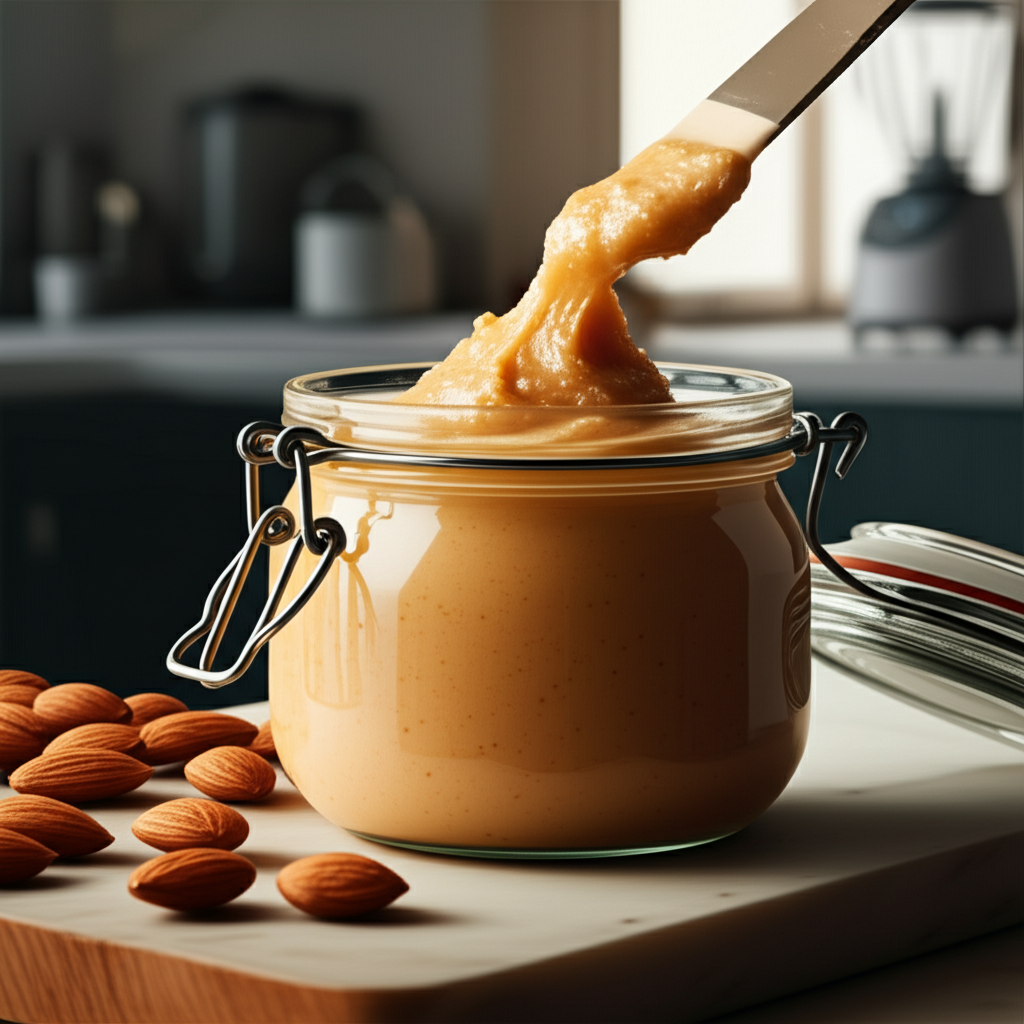
Almond milk butter offers a dairy-free, plant-based alternative for baking and spreading. This guide explores its benefits, uses, and how to integrate almond milk butter into a healthier, transformative diet, making it easier for busy individuals to enjoy delicious, conscious food choices.
Embarking on a dietary transformation can feel overwhelming, especially when navigating new ingredients. You might be looking for delicious ways to cut out dairy or explore more plant-based options. Perhaps you’ve seen “almond milk butter” on ingredient lists and wondered what it is and if it’s right for you. This guide is here to demystify almond milk butter. I’ll walk you through everything you need to know. We’ll explore its benefits, how to use it, and how it can fit into your quest for a healthier lifestyle. Get ready to transform your diet with this versatile ingredient!
What Exactly is Almond Milk Butter?
Almond milk butter is a plant-based spread. It mimics the taste and texture of traditional dairy butter. It is made from a blend of plant-based oils and almond milk.
This dairy-free alternative is perfect for those with lactose intolerance. It’s also a great choice for vegans. Many brands offer almond milk butter. They aim to provide a similar buttery experience without animal products.
The Rise of Plant-Based Alternatives
The food industry is seeing a huge shift. More people are choosing plant-based foods. This trend is driven by health, environmental, and ethical reasons. Almond milk butter is part of this larger movement. It offers a familiar taste in a new, conscious form.
Consumers are actively seeking dairy-free options. They want to reduce their environmental impact. They also want to explore new flavors. This demand fuels the innovation in plant-based spreads like almond milk butter.
Nutritional Profile: What’s Inside Almond Milk Butter?
Almond milk butter typically contains a mix of healthy fats. These often come from oils like coconut oil or sunflower oil. Almond milk provides a creamy base.
It is usually fortified with vitamins. These can include Vitamin D and Vitamin B12. These are important for those avoiding dairy. Always check the nutrition label for specific details.
Comparing Almond Milk Butter to Dairy Butter

Dairy butter is made from churned cream. It is high in saturated fat. Almond milk butter, while still containing fats, often uses healthier oil blends.
The fat content and type can vary by brand. Some almond milk butters are lower in saturated fat than dairy butter. This can be a significant benefit for heart health.
Almond Milk Butter vs. Other Plant-Based Butters
There are many plant-based butters available. These include soy, oat, and coconut butters. Almond milk butter stands out with its almond base. This can lend a subtle nutty flavor.
Each type offers unique flavor profiles and textures. Almond milk butter offers a good balance. It works well in both sweet and savory applications.
Transforming Your Diet with Almond Milk Butter: Key Benefits
Switching to almond milk butter can be a positive step. It helps reduce dairy intake. This can ease digestive issues for some. It also supports a more sustainable food system.
Incorporating it can make plant-based eating more enjoyable. You don’t have to give up your favorite buttery treats. It allows for a more inclusive and satisfying diet.
Lactose Intolerance and Dairy Sensitivity
Many people experience discomfort from dairy. Lactose intolerance is common. Symptoms can include bloating and stomach pain. Almond milk butter provides a safe alternative.
It allows individuals to enjoy buttery flavors. They can do so without the negative effects of dairy. This opens up a world of culinary possibilities.
Environmental Impact Considerations
Dairy farming has a significant environmental footprint. It uses a lot of land and water. It also produces greenhouse gases. Plant-based alternatives generally have a lower impact.
Choosing almond milk butter is a conscious choice. It supports more sustainable food production. This aligns with growing environmental awareness.
Vegan and Plant-Based Lifestyle Integration
For vegans and those following a plant-based diet, almond milk butter is essential. It replaces a staple ingredient. It ensures recipes remain strictly vegan.
This makes cooking and baking much simpler. It removes the need to find complex substitutions. It’s a direct, delicious swap.
Culinary Uses: Baking, Spreading, and Beyond
Almond milk butter is incredibly versatile. It works in most recipes calling for butter. You can use it for baking cookies, cakes, and pastries. It’s also great for sautéing vegetables.
Spread it on toast or bagels. Use it to make creamy sauces. Its adaptability makes it a kitchen staple.
Baking with Almond Milk Butter
When baking, almond milk butter can be used as a 1:1 substitute. It melts and browns similarly to dairy butter. This ensures your baked goods have a familiar texture and taste.
Some recipes might require slight adjustments. This is usually due to differences in moisture content. However, most recipes work perfectly without changes. Experimentation is key!
Savory Applications: Cooking and Sautéing
In savory dishes, almond milk butter adds richness. Use it to sauté onions, garlic, or vegetables. It adds a lovely flavor to pan-fried dishes.
It can also be incorporated into sauces and gravies. This provides a creamy texture without dairy. It’s perfect for mashed potatoes or creamy pasta sauces.
Everyday Spreading: Toast, Bagels, and More
For a simple breakfast or snack, almond milk butter is ideal. Spread it on your morning toast. It’s delicious on warm bagels. It can also be used on muffins or scones.
Its smooth texture makes it easy to spread. It offers a satisfying buttery taste. It’s a simple way to upgrade everyday meals.
Choosing the Best Almond Milk Butter: A Buyer’s Guide
With many options available, selecting the right almond milk butter can be tricky. Consider your needs and preferences. Look at the ingredient list and nutritional information.
Taste is subjective, so trying different brands is recommended. Your favorite might depend on its intended use. Here’s what to look for.
Key Ingredients to Consider
Look for brands with a good balance of oils. Coconut oil and sunflower oil are common. Almond milk should be a primary ingredient. Avoid excessive artificial flavors or preservatives.
Some brands may include added nutrients. Check for Vitamin D and B12 if these are important to you.
Taste and Texture Profiles
Different brands have slightly different tastes. Some are more neutral, while others have a pronounced nutty flavor. Texture can also vary. Some are firmer, while others are softer.
Consider how you plan to use it. A softer butter might be better for spreading. A firmer one could be better for baking.
Price and Availability
Almond milk butter prices can vary. Compare costs per ounce or pound. Availability might depend on your location. Larger supermarkets and health food stores usually carry it.
Online grocery delivery services are also a great option. They often have a wide selection.
Integrating Almond Milk Butter into Meal Plans
Making almond milk butter part of your diet is easy. Plan your meals to include it. This ensures you use it consistently. It supports your dietary goals.
Start with simple swaps. Then, try more complex recipes. This gradual approach helps build confidence.
Breakfast Ideas
Begin your day with almond milk butter. Spread it on whole-wheat toast. Use it to make pancakes or waffles. It’s a simple, delicious start.
Try adding a dollop to your oatmeal. It adds creaminess and a hint of flavor.
Lunch and Dinner Options
Use almond milk butter in savory cooking. Sauté vegetables for a healthy lunch. Add it to pasta dishes for richness. Make a creamy dairy-free soup base.
It can elevate simple meals. It makes them more satisfying and flavorful.
Snacks and Desserts
Bake cookies or muffins using almond milk butter. Enjoy a small portion of banana bread. It’s perfect for a sweet treat.
Even simple snacks benefit. Spread it on crackers or rice cakes.
Potential Challenges and How to Overcome Them
While almond milk butter is fantastic, there can be minor challenges. Some people find the taste slightly different. Others might notice texture variations in certain recipes.
Don’t be discouraged! Most issues are easily resolved. Understanding the ingredient helps.
Adjusting for Different Melting Points
Some plant-based butters melt differently. This can affect baking results. If your baked goods are too flat, try chilling the dough longer. This helps the butter firm up before baking.
Conversely, if they are too dense, ensure your butter is at room temperature. It should be soft but not melted.
Finding Your Preferred Brand
As mentioned, taste and texture vary. What works for one person might not work for another. It might take trying a few brands. This is a delicious part of the process!
Keep notes on what you like. This helps narrow down your choices over time.
Frequently Asked Questions About Almond Milk Butter
Here are some common questions people ask.
Is almond milk butter healthier than regular butter?
Almond milk butter can be a healthier choice. It often contains less saturated fat. It uses plant-based oils. However, it is still a fat. Moderation is key.
Can I use almond milk butter for all my cooking needs?
Yes, almond milk butter is very versatile. It works well for baking, spreading, and sautéing. Some very specific recipes might have subtle differences. But generally, it’s a great all-around substitute.
Does almond milk butter taste like almonds?
Some brands have a slight nutty flavor. Others are formulated to be more neutral. It depends on the specific product. You might notice a subtle difference.
Is almond milk butter suitable for children?
Yes, almond milk butter is suitable for children. It is a good dairy-free option. It can help introduce plant-based foods. Always ensure it aligns with your pediatrician’s advice.
What is the shelf life of almond milk butter?
Once opened, almond milk butter typically lasts several weeks. Check the packaging for specific instructions. Refrigeration is usually recommended.
Conclusion: Embracing Almond Milk Butter for a Better You
Almond milk butter is more than just a dairy substitute. It’s a gateway to a more conscious and delicious diet. Its versatility makes it easy to integrate into your daily meals. From breakfast toast to decadent desserts, it enhances flavor and texture.
By choosing almond milk butter, you support your health goals. You also contribute to a more sustainable food system. This essential guide has equipped you with the knowledge. You can now confidently embrace almond milk butter. Make it a cornerstone of your transformative diet. Enjoy the journey to a healthier, tastier you!

Belayet Hossain is a Senior Tech Expert and Certified AI Marketing Strategist. Holding an MSc in CSE (Russia) and over a decade of experience since 2011, he combines traditional systems engineering with modern AI insights. Specializing in Vibe Coding and Intelligent Marketing, Belayet provides forward-thinking analysis on software, digital trends, and SEO, helping readers navigate the rapidly evolving digital landscape. Connect with Belayet Hossain on Facebook, Twitter, Linkedin or read my complete biography.