


Published on: 16/10/2025 | Updated on: October 16, 2025
Almond milk butter offers a dairy-free alternative for spreading and cooking, providing a plant-based option for those seeking healthier eating habits. This guide explores its benefits, uses, and how it fits into a balanced diet.
Navigating the world of dairy-free alternatives can feel overwhelming. Many people are looking for ways to eat healthier. This often means exploring new ingredients. Almond milk butter is one such option gaining popularity. It’s a plant-based spread that mimics traditional butter. Many find it confusing to know if it’s truly a healthier choice. This guide will simplify everything. We’ll explore what almond milk butter is. We’ll also look at its benefits and how you can use it. Get ready to discover a delicious and healthy addition to your kitchen.
What Exactly is Almond Milk Butter?
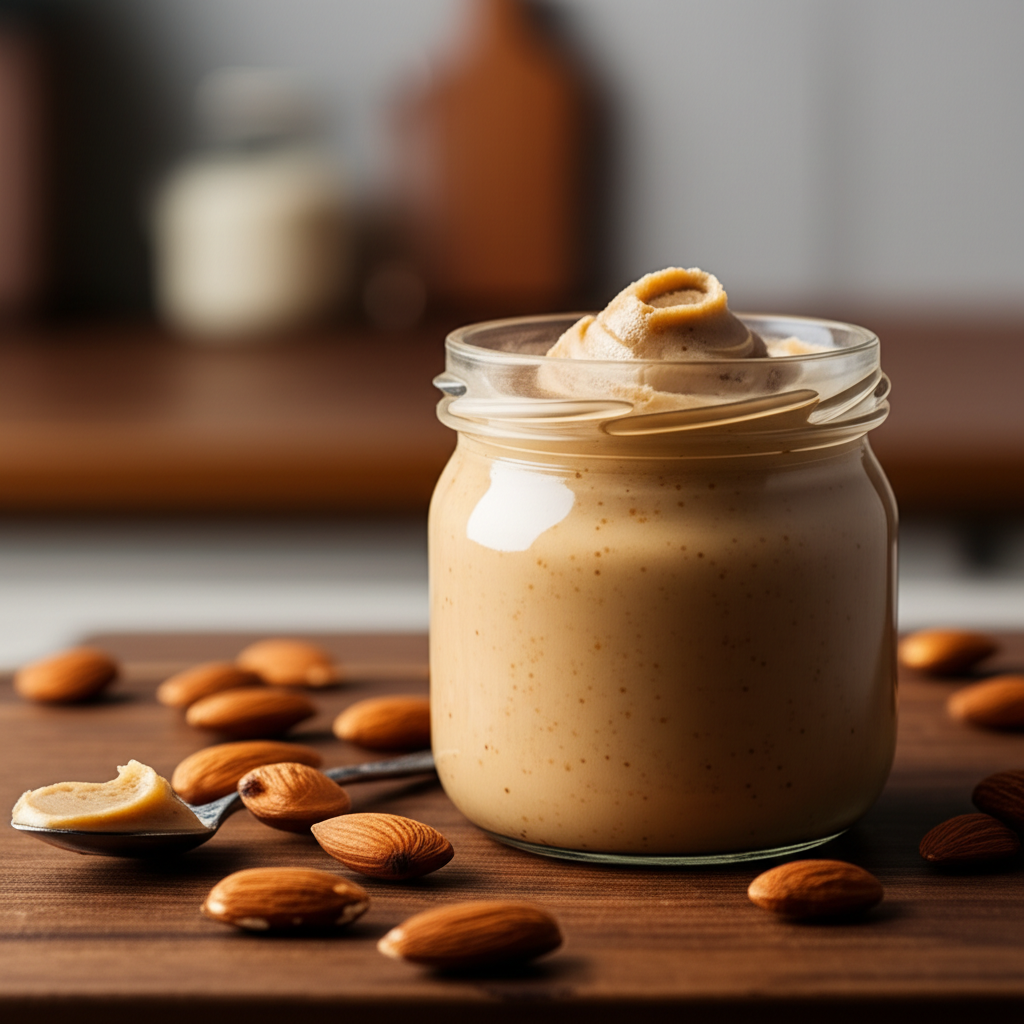
Almond milk butter is a dairy-free spread. It is made from almonds and almond milk. It aims to replace regular butter in recipes and on toast. Many brands create it using a blend of ingredients. These often include almond butter, almond milk, and plant-based oils. It offers a creamy texture and a mild nutty flavor. This makes it a versatile option for various culinary uses.
This spread is a fantastic choice for those with lactose intolerance. It’s also great for vegans. It provides a familiar taste and function without animal products. Many find it a simple swap in their daily meals. It helps maintain familiar eating habits while adhering to dietary needs.
The Core Ingredients

The foundation of almond milk butter is, unsurprisingly, almonds. These nuts are ground into a paste, forming almond butter. Almond milk, derived from blended almonds and water, adds moisture and creaminess. Plant-based oils like coconut oil or sunflower oil are often included. These oils help achieve the firm yet spreadable texture of traditional butter. Emulsifiers and natural flavors are sometimes added. They ensure a smooth consistency and a pleasing taste profile.
Almonds: The Nutritional Powerhouse
Almonds are packed with nutrients. They offer healthy monounsaturated fats. These fats are good for your heart. Almonds also provide protein and fiber. These help you feel full and satisfied. They contain vitamins like Vitamin E. Vitamin E is an antioxidant that protects your cells. They also offer minerals like magnesium and calcium. These are important for bone health and energy.
Almond Milk: A Dairy-Free Base
Almond milk is a light and refreshing liquid. It is made by soaking almonds in water. Then, they are blended and strained. This process removes the solid almond pulp. The result is a smooth, milky liquid. It is a great source of hydration. Many almond milks are fortified with calcium and Vitamin D. These nutrients are crucial for bone health. They are often added to make up for what might be missing from dairy.
How It’s Made: From Nuts to Spread
Creating almond milk butter involves several steps. First, high-quality almonds are roasted. This enhances their flavor. The roasted almonds are then ground into a smooth butter. Next, almond milk is added to this butter. Plant-based oils are then blended in. These oils help create the desired consistency. Stabilizers and natural flavors might be added. This ensures the product is smooth and delicious. The mixture is then cooled. This process allows it to firm up into a butter-like spread.
The Health Benefits of Almond Milk Butter
Choosing almond milk butter can support your health goals. It’s a smart alternative to dairy butter. This spread offers a range of nutritional advantages. It fits well into many healthy eating plans. Let’s explore why it’s a good choice for your diet.
This butter is a great way to reduce your intake of saturated fat. It’s also cholesterol-free. These factors contribute to better heart health. It’s a friendly option for those managing their weight. It helps you enjoy creamy textures without dairy.
Lower in Saturated Fat
Traditional butter is high in saturated fat. Too much saturated fat can raise bad cholesterol levels. This increases the risk of heart disease. Almond milk butter typically contains less saturated fat. It uses healthy plant-based oils instead. This makes it a heart-friendlier option. Swapping to almond milk butter can be a simple step. It helps you manage your fat intake effectively.
Cholesterol-Free
Animal products like dairy butter contain cholesterol. Your body produces its own cholesterol. Consuming dietary cholesterol can impact blood cholesterol levels. Plant-based foods are naturally cholesterol-free. Almond milk butter contains no cholesterol. This is beneficial for individuals watching their cholesterol intake. It’s a good choice for maintaining cardiovascular wellness.
Rich in Healthy Fats
Almonds are a great source of healthy fats. These include monounsaturated and polyunsaturated fats. These fats are good for your body. They can help lower bad cholesterol. They can also raise good cholesterol. These fats are important for brain health. They also help your body absorb certain vitamins. Almond milk butter leverages these beneficial fats. It offers a more nutritious fat profile than dairy butter.
Dairy-Free and Lactose-Free
For people with lactose intolerance, dairy butter causes problems. Symptoms can include bloating and stomach pain. Almond milk butter contains no lactose. This makes it safe and enjoyable for these individuals. It allows them to enjoy buttery tastes. They can do so without any digestive discomfort. This is a significant advantage for many consumers.
Potential for Added Nutrients
Many almond milk butter products are fortified. They often contain added vitamins and minerals. Calcium and Vitamin D are common additions. These are important for bone health. They are often found in dairy products. Fortification helps ensure you get these nutrients. This is especially helpful for those avoiding dairy. Always check the nutrition label for specifics.
Comparing Almond Milk Butter to Other Butters
Understanding how almond milk butter stacks up is important. It offers a unique profile compared to dairy butter and other alternatives. This comparison helps you make the best choice for your needs. Each type of butter has its own strengths. Knowing these differences empowers your dietary decisions.
When considering your options, think about your goals. Are you avoiding dairy? Are you watching fat intake? Do you prioritize taste? Almond milk butter offers a balanced approach. It often provides a good compromise. It works well for taste and health in many situations.
Almond Milk Butter vs. Dairy Butter
Dairy butter is made from milk fat. It contains cholesterol and saturated fat. Almond milk butter is plant-based. It is cholesterol-free and typically lower in saturated fat. Dairy butter has a richer, more traditional flavor. Almond milk butter has a milder, sometimes nutty taste. Dairy butter melts and browns differently in cooking. Almond milk butter can also be used for cooking. Its performance may vary slightly by brand.
Almond Milk Butter vs. Other Nut Butters (Peanut, Cashew)
Other nut butters are often just ground nuts. Almond milk butter contains added almond milk and oils. This gives it a smoother, more spreadable consistency. Peanut butter is higher in protein. Cashew butter is very creamy. Almond milk butter is generally milder in flavor than peanut butter. It offers a different texture profile. It is less dense than pure nut butters.
Almond Milk Butter vs. Margarine
Margarine is also a butter substitute. It is typically made from vegetable oils. Some margarines contain trans fats. These are unhealthy fats. Always check margarine labels for trans fats. Almond milk butter is generally considered a healthier option. It avoids trans fats and often uses better oils. Its base is also derived from nutrient-rich almonds.
Almond Milk Butter vs. Coconut Oil Butter
Coconut oil butter is another popular dairy-free choice. Coconut oil is high in saturated fat. However, it’s a different type of saturated fat called MCTs. Some believe MCTs have health benefits. Almond milk butter uses a blend of oils. It typically has a lower saturated fat content than pure coconut oil butter. The flavor profile also differs significantly. Coconut oil has a distinct tropical taste. Almond milk butter is more neutral.
Using Almond Milk Butter in Your Kitchen
Almond milk butter is incredibly versatile. You can use it just like you would dairy butter. It works well for spreading, baking, and cooking. Experimenting with it can open up new culinary possibilities. It’s an easy way to make your meals healthier. You can enjoy familiar flavors in new ways. Don’t be afraid to try it in your favorite recipes.
Start with simple swaps. See how it performs in your go-to dishes. You might be surprised at how well it integrates. It’s a delicious way to embrace healthier eating. Enjoy the creamy taste without the dairy.
Spreading on Toast and Bagels
This is the most common use. Almond milk butter spreads easily on warm toast. It melts slightly, just like dairy butter. It provides a creamy layer for jam or honey. It’s also great on bagels. Its mild flavor complements various toppings. It’s a simple way to start your day healthily.
Baking: Cookies, Cakes, and Muffins
Almond milk butter can be used in most baking recipes. You can often substitute it cup-for-cup for dairy butter. It works well in cookies, cakes, and muffins. It helps create a tender crumb. The nutty flavor can add a subtle depth. For recipes relying heavily on butter flavor, consider the taste difference. Results can vary slightly by brand and recipe.
Cooking and Sautéing
You can use almond milk butter for sautéing vegetables. It’s good for pan-frying pancakes or eggs. It has a smoke point suitable for many cooking tasks. It adds richness to sauces and gravies. Ensure the specific brand you choose is suitable for higher heat if needed. Some plant-based butters perform better than others.
In Sauces and Dressings
Melted almond milk butter can enrich sauces. It adds creaminess to dairy-free dressings. Whisk it into warm sauces for a smooth finish. It’s a great base for a vegan béchamel sauce. It can also be part of a flavorful vinaigrette. It adds body and richness to many preparations.
Choosing the Best Almond Milk Butter
With several brands available, selecting the right almond milk butter matters. Consider your dietary needs and taste preferences. Reading labels is key. Understanding the ingredients helps you pick a quality product. Look for options that align with your health goals. This ensures you get the most out of your purchase.
Take a moment to compare different options. Check what’s inside the tub. Your taste buds will thank you. You’ll also be making a choice that supports your well-being. It’s about finding that perfect balance of taste and health.
Reading the Ingredient List
Look for simple, recognizable ingredients. The primary ingredients should be almonds, almond milk, and healthy oils. Avoid products with excessive artificial flavors or preservatives. Some brands might add sweeteners. Check if this fits your dietary plan. A shorter ingredient list often indicates a purer product.
Understanding Fat Content
Pay attention to the type of fats used. Oils like sunflower, canola, or avocado oil are generally good choices. Coconut oil is also common, but it increases saturated fat. Compare the saturated fat content per serving. Choose a product that fits within your daily fat intake goals.
Flavor and Texture Considerations
Taste is subjective. Some almond milk butters have a stronger almond flavor. Others are more neutral. Consider if you want a distinct nutty taste. Texture can also vary. Some are firmer, while others are softer and more spreadable. If possible, try a few different brands. This helps you find your personal favorite.
Price and Availability
Almond milk butter can be more expensive than dairy butter. Prices vary by brand and location. Check local grocery stores and health food shops. Online retailers also offer various options. Consider buying larger tubs if you use it frequently. This can sometimes be more cost-effective.
Almond Milk Butter in a Balanced Diet
Incorporating almond milk butter into your diet is straightforward. It’s about moderation and making informed choices. Like any food, it should be part of a varied eating plan. It offers a healthier alternative for specific uses. It doesn’t replace the need for whole foods. Focus on a balanced intake of nutrients.
Think of it as a tool in your healthy eating toolbox. Use it wisely to enjoy delicious food. Ensure it complements your overall nutrition. This approach helps you gain its benefits fully. It supports your journey towards healthier eating habits.
Portion Control is Key
Even healthy fats should be consumed in moderation. Almond milk butter is calorie-dense. Be mindful of serving sizes, especially if you are watching your weight. A tablespoon is a standard serving. Use it to enhance flavor without overdoing it. Enjoying it occasionally in reasonable amounts is perfectly fine.
Pairing with Whole Foods
Enjoy almond milk butter with nutritious foods. Spread it on whole-grain toast. Use it to cook vegetables. Pair it with fruits and other healthy snacks. This ensures you are getting a good mix of nutrients. It maximizes the health benefits of your meal. Focus on a diet rich in fruits, vegetables, and lean proteins.
Considering Your Overall Fat Intake
Almond milk butter contributes to your daily fat intake. Ensure it fits within your recommended fat consumption. Balance it with other healthy fat sources. These include avocados, nuts, seeds, and olive oil. This variety ensures you get a wide range of fatty acids. It supports overall health and well-being.
Recipes Featuring Almond Milk Butter
Ready to try almond milk butter in action? Here are some simple recipe ideas. They showcase its versatility and deliciousness. These recipes are easy to make. They are perfect for incorporating this healthy spread. Get inspired to cook and enjoy!
These recipes are just a starting point. Feel free to adapt them. Use almond milk butter in your own favorite dishes. You’ll find it adds a wonderful creamy touch. Happy cooking and healthy eating!
Simple Almond Milk Butter Toast
Ingredients:
- 2 slices of whole-grain bread
- 1-2 tablespoons of almond milk butter
- Optional: Jam, honey, or sliced fruit
Instructions:
- Toast the bread until golden brown.
- Spread almond milk butter evenly over the warm toast.
- Add your favorite toppings, like a drizzle of honey or fresh fruit slices.
This is a quick and easy breakfast or snack. It highlights the spreadability of almond milk butter.
Dairy-Free Pancakes with Almond Milk Butter
Ingredients:
- 1.5 cups all-purpose flour
- 1 tablespoon sugar
- 1 teaspoon baking powder
- 0.5 teaspoon baking soda
- 0.25 teaspoon salt
- 1.25 cups almond milk
- 1 tablespoon apple cider vinegar
- 2 tablespoons almond milk butter, melted (plus more for cooking)
- 1 teaspoon vanilla extract
Instructions:
- In a large bowl, whisk together flour, sugar, baking powder, baking soda, and salt.
- In a separate bowl, combine almond milk and apple cider vinegar. Let sit for 5 minutes to curdle.
- Add the melted almond milk butter and vanilla extract to the almond milk mixture. Stir well.
- Pour the wet ingredients into the dry ingredients. Mix until just combined; do not overmix.
- Heat a lightly oiled griddle or frying pan over medium heat.
- Pour about 1/4 cup of batter onto the hot griddle for each pancake.
- Cook for 2-3 minutes per side, until golden brown.
- Serve warm with extra almond milk butter and maple syrup.
These pancakes are light, fluffy, and dairy-free. The almond milk butter adds richness.
Creamy Dairy-Free Pasta Sauce
Ingredients:
- 2 tablespoons almond milk butter
- 1 small onion, finely chopped
- 2 cloves garlic, minced
- 2 cups unsweetened almond milk
- 2 tablespoons nutritional yeast
- 1 tablespoon cornstarch (mixed with 2 tablespoons water)
- Salt and pepper to taste
- Optional: Fresh herbs like parsley or chives
Instructions:
- Melt almond milk butter in a saucepan over medium heat.
- Add chopped onion and sauté until softened, about 5 minutes.
- Add minced garlic and cook for 1 minute more until fragrant.
- Pour in the almond milk and bring to a simmer.
- Whisk in the nutritional yeast, salt, and pepper.
- Gradually whisk in the cornstarch slurry. Cook, stirring constantly, until the sauce thickens.
- Serve over your favorite pasta. Garnish with fresh herbs if desired.
This sauce is a creamy, dairy-free alternative. It uses almond milk butter for a rich base.
Frequently Asked Questions about Almond Milk Butter
Is almond milk butter healthy for weight loss?
Almond milk butter can be part of a weight loss diet. It’s lower in saturated fat than dairy butter. However, it is still calorie-dense. Portion control is crucial. Focus on a balanced diet and regular exercise for effective weight loss.
Can I use almond milk butter if I have a nut allergy?
No, you should not use almond milk butter if you have a nut allergy. It is made from almonds. People with tree nut allergies should avoid it. Always check labels carefully for allergens.
Does almond milk butter taste like dairy butter?
The taste can vary by brand. Most almond milk butters have a mild flavor. Some have a subtle nutty taste from the almonds. It is generally not as rich as dairy butter. Many find the taste pleasant and versatile.
Is almond milk butter good for high-heat cooking?
Some almond milk butters are suitable for high-heat cooking. Others may have a lower smoke point. Check the product packaging for recommendations. Blends with oils like sunflower or avocado oil often perform better.
Where can I buy almond milk butter?
You can find almond milk butter in most major grocery stores. Look in the dairy-free or natural foods section. Health food stores and online retailers also carry it. Availability may vary by region.
Is almond milk butter vegan?
Yes, almond milk butter is typically vegan. It is made from plant-based ingredients and contains no animal products. Always check the product label to confirm. Look for a vegan certification if needed.
Conclusion
Almond milk butter is a fantastic addition to a healthier kitchen. It offers a delicious, dairy-free alternative. It is lower in saturated fat and cholesterol-free. This makes it a heart-smart choice. Its versatility allows it to be used in spreading, baking, and cooking. By understanding its ingredients and benefits, you can make informed choices. Enjoying almond milk butter can be a simple step. It supports your journey towards healthier eating habits. Experiment with it in your favorite recipes. Discover the creamy, satisfying taste for yourself.

Belayet Hossain is a Senior Tech Expert and Certified AI Marketing Strategist. Holding an MSc in CSE (Russia) and over a decade of experience since 2011, he combines traditional systems engineering with modern AI insights. Specializing in Vibe Coding and Intelligent Marketing, Belayet provides forward-thinking analysis on software, digital trends, and SEO, helping readers navigate the rapidly evolving digital landscape. Connect with Belayet Hossain on Facebook, Twitter, Linkedin or read my complete biography.