


Published on: 16/10/2025 | Updated on: October 16, 2025
Almond Milk Curd: Your Essential Guide to Transformative Recipes
Discover how to make delicious almond milk curd, a versatile dairy-free ingredient perfect for sweet and savory dishes. This guide offers simple recipes and tips for home cooks seeking plant-based alternatives.
Have you ever wanted to make creamy, dairy-free dishes but felt lost? Almond milk curd is a fantastic plant-based option. It’s a bit like cheese, but made from almonds. Many people find making it at home tricky. They worry about the texture or taste. This guide will show you exactly how to make perfect almond milk curd. We will cover easy recipes and helpful tips. Get ready to impress yourself and your friends with amazing new dishes.
What is Almond Milk Curd?
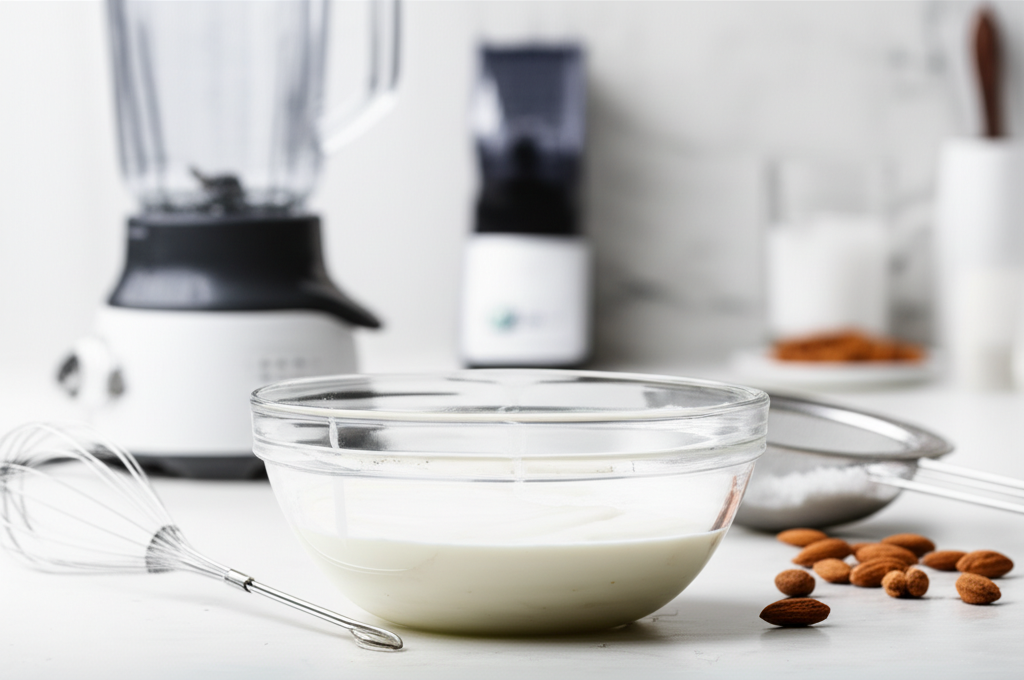
Almond milk curd is a dairy-free product. It is made by curdling almond milk. This process separates the solids from the liquid. The result is a soft, cheese-like substance. It’s a great alternative for people who avoid dairy. You can use it in many recipes. It adds a creamy texture and a mild, nutty flavor.
This versatile ingredient can be a base for desserts. It can also be used in savory dishes. Think of it as a plant-based ricotta or paneer. Making it at home is simpler than you might think. You only need a few ingredients. This guide will walk you through the process.
Why Choose Almond Milk Curd?
There are many reasons to try almond milk curd. It’s a wonderful choice for vegans. It’s also good for those with lactose intolerance. Some people just prefer the taste of almond milk. It’s a healthy option too. Almonds offer good fats and nutrients. Using almond milk curd can make your meals healthier. It also lets you explore new flavors.
This dairy-free curd is eco-friendly. Almonds use less water than dairy farming. Choosing plant-based options helps the planet. You can feel good about what you eat. It’s a delicious way to be kind to yourself and the Earth.
The Science Behind Curdling Almond Milk
Curdling is a simple process. It involves adding an acid to milk. The acid causes the proteins in the milk to clump together. These clumps are the curd. The liquid left behind is called whey. For dairy milk, we use things like vinegar or lemon juice. The same principle applies to almond milk.
Almond milk has fewer proteins than cow’s milk. This means it curdles differently. You might need to adjust the amount of acid. You might also need a bit more time. Understanding this helps you get the best results. Don’t worry, it’s not complicated. We’ll make it easy.
Simple Almond Milk Curd Recipe
Let’s start with a basic recipe. You will need just a few things. Get some unsweetened almond milk. You will also need an acid. Lemon juice or white vinegar works well. A pinch of salt enhances the flavor. You can also add a little sweetener if you like.
Here are the steps to make your first batch. It’s a straightforward process. Follow these instructions carefully. You’ll have delicious almond milk curd in no time. This recipe is perfect for beginners.
Ingredients

4 cups unsweetened almond milk
3 tablespoons lemon juice or white vinegar
1/2 teaspoon salt (optional)
1-2 tablespoons sweetener (like maple syrup or agave, optional)
Equipment
Large saucepan
Whisk
Fine-mesh sieve
Cheesecloth or nut milk bag
Instructions
1. Heat the Almond Milk: Pour almond milk into a saucepan. Heat it gently over medium heat. Stir often to prevent sticking. Do not let it boil. Heat it until it is warm, around 180°F (82°C).
2. Add the Acid: Remove the saucepan from heat. Slowly stir in the lemon juice or vinegar. Add salt and sweetener now if you are using them. Stir gently for about 30 seconds.
3. Let it Curdle: Let the mixture sit undisturbed for 10-15 minutes. You will see the milk start to separate. It will look lumpy, with a clear liquid forming. This is the curd and whey.
4. Strain the Curd: Line a sieve with cheesecloth. Place the sieve over a bowl. Carefully pour the curdled mixture into the sieve. The liquid (whey) will drain into the bowl.
5. Press the Curd: Gather the edges of the cheesecloth. Gently squeeze out any extra liquid. You can press it more if you want a firmer curd. Let it drain for at least 30 minutes.
6. Use or Store: Your almond milk curd is ready. You can use it right away. Store any leftover curd in an airtight container in the fridge. It will last for 3-4 days.
This simple recipe yields a soft, delicate curd. It’s a great starting point for many dishes. Enjoy experimenting with your homemade almond milk curd.
Tips for Perfect Almond Milk Curd
Making almond milk curd is usually easy. But sometimes things don’t turn out as planned. A few tips can help you achieve the best texture and taste. Pay attention to the type of almond milk you use. Also, consider the temperature. These factors make a big difference.
Don’t be discouraged if your first attempt isn’t perfect. Like any cooking skill, it takes practice. Small adjustments can lead to great improvements. Here are some helpful hints. They will guide you to curd-making success.
Choosing the Right Almond Milk
The type of almond milk matters a lot. Always use unsweetened almond milk. Sweeteners can interfere with the curdling process. Also, avoid almond milk with added gums or thickeners. These can make the curd rubbery. Look for almond milk with simple ingredients.
The fat content can also affect the curd. Higher fat content may lead to a richer curd. But even regular almond milk works well. Experiment with different brands to see what you like best. This choice is a key step.
The Role of Acidity
The amount and type of acid are important. Too little acid won’t curdle the milk properly. Too much can make the curd taste sour. Lemon juice gives a subtle citrus note. Vinegar is more neutral. Start with the amount in the recipe. You can adjust it slightly next time.
Make sure the acid is fresh. Old lemon juice or vinegar might be less potent. Adding the acid slowly and stirring gently is also crucial. This helps the proteins react evenly. It ensures a smooth curd formation.
Temperature and Time
Heating the almond milk correctly is vital. It should be warm, not boiling. Boiling can alter the milk’s proteins. This can prevent proper curdling. Aim for around 180°F (82°C). Use a kitchen thermometer if you have one.
Letting the mixture sit after adding acid is also key. Patience is important here. Give it enough time to separate fully. If it doesn’t curdle well, you might need to add a little more acid. Let it sit for another 10 minutes.
Transformative Recipes with Almond Milk Curd
Now that you know how to make almond milk curd, let’s talk about what to do with it. This ingredient is incredibly versatile. It can be used in sweet and savory dishes. It’s a game-changer for dairy-free cooking. Get ready to be inspired by these ideas.
You can use it as a direct substitute for dairy curds. Think of ricotta in lasagna or cheesecake. It can also be blended into sauces. It adds creaminess without dairy. The possibilities are truly endless.
Sweet Delights
Almond milk curd is wonderful in desserts. Its mild flavor pairs well with fruits and sweeteners. Try it in parfaits or as a filling for pastries. It’s a lighter alternative to traditional creams.
Dairy-Free Cheesecake: Blend almond milk curd with vegan cream cheese, sweetener, and vanilla. Bake until set.
Fruit Parfaits: Layer almond milk curd with fresh berries and granola. It’s a healthy breakfast or dessert.
Sweet Pastry Filling: Mix curd with a little sugar and lemon zest. Use it to fill tarts or danishes.
Ice Cream Base: Blend curd with a sweetener and flavorings. Freeze and churn for a creamy vegan ice cream.
These sweet treats are easy to make. They are delicious and satisfying. Your guests won’t even know it’s dairy-free.
Savory Sensations
Don’t limit almond milk curd to sweets. It shines in savory dishes too. Use it like ricotta in Italian recipes. It’s also great in Indian cuisine.
Vegan Lasagna: Use almond milk curd instead of ricotta cheese. Layer it with pasta, sauce, and vegetables.
Stuffed Shells: Mix curd with herbs and spinach. Stuff large pasta shells and bake with marinara sauce.
Palak Paneer (Vegan Style): Replace paneer with firm almond milk curd. Cook it in a flavorful spinach curry.
Savory Tarts: Mix curd with roasted vegetables and herbs. Bake in a pie crust for a light quiche alternative.
Creamy Sauces: Blend almond milk curd into pasta sauces or gravies. It adds richness and body.
These savory dishes are hearty and flavorful. They prove that dairy-free can be absolutely delicious.
Advanced Techniques and Variations
Once you master the basic recipe, you can get creative. There are ways to change the texture and flavor of almond milk curd. You can make it firmer or softer. You can also infuse it with different tastes. This opens up a whole new world of culinary exploration.
Consider adding different flavors to the almond milk. You can also adjust the pressing time. These small changes yield big results. Let’s explore some exciting variations. They will elevate your almond milk curd game.
Making Firmer Almond Milk Curd
For recipes that require a firmer curd, like vegan paneer, you need to press it longer. After draining the whey, wrap the curd tightly in cheesecloth. Place it in a mold or container. Put a weight on top. Let it press in the refrigerator for several hours or overnight.
The longer it presses, the firmer it becomes. This firmer curd can be sliced and fried or cubed for curries. It holds its shape much better than a soft curd. This technique is essential for certain dishes.
Infusing Flavors
You can add flavors directly to the almond milk before curdling. This is a great way to customize your curd. Try adding herbs, spices, or even citrus zest.
Herbed Curd: Add fresh chopped rosemary, thyme, or chives to the almond milk as it heats.
Spiced Curd: Stir in a pinch of cumin, coriander, or turmeric for an Indian-inspired flavor.
Garlic & Herb Curd: Add minced garlic and fresh parsley to the warm milk.
* Lemon Zest Curd: Add the zest of one lemon for a bright, fresh taste.
Infusing flavors adds complexity. It makes your almond milk curd unique. This is where culinary creativity truly shines.
Using Different Acids
While lemon juice and vinegar are common, other acids can be used. Some people experiment with citric acid. Others use lactic acid for a tangier flavor. However, stick to readily available options like lemon juice or vinegar for simplicity.
The type of acid can subtly affect the taste. Lemon juice adds a slight citrusy note. White vinegar is more neutral. Choose based on your recipe’s flavor profile. This choice is a small detail that matters.
Almond Milk Curd vs. Other Dairy-Free Options
Almond milk curd is just one of many dairy-free alternatives. It’s helpful to know how it compares. Other plant-based milks can also be curdled. Each offers unique characteristics. Understanding these differences helps you choose the best option.
Soy milk is another popular choice for curdling. Coconut milk can also be used, but it results in a richer, oilier curd. Oat milk is generally harder to curdle effectively. Knowing these distinctions is useful. It helps you pick the right ingredient.
| Feature | Almond Milk Curd | Soy Milk Curd | Coconut Milk Curd |
| :————– | :———————————————– | :———————————————- | :———————————————- |
| Base | Almonds | Soybeans | Coconut flesh/cream |
| Texture | Soft, delicate, can be pressed firm | Similar to dairy ricotta, slightly grainy | Rich, creamy, sometimes oily |
| Flavor | Mild, slightly nutty | Neutral, beany undertones | Distinct coconut flavor |
| Curdling Ease | Moderate, requires careful heating and acid | Easy, similar to dairy milk | Moderate, can be sensitive to acid |
| Best For | Desserts, parfaits, light savory dishes | Lasagna, stuffed shells, cheesecakes | Curries, desserts needing richness, custards |
| Nutrition | Lower in protein, good source of Vitamin E | Higher in protein, complete protein | High in saturated fat, creamy texture |
This comparison table highlights key differences. Almond milk curd offers a delicate texture. It has a mild flavor. Soy milk curd is a good protein source. Coconut milk curd is rich and creamy. Each has its strengths.
Choosing the right curd depends on your recipe. For a clean, neutral base, almond milk curd is excellent. If you need a firmer, sliceable curd, pressing it longer is key. Experimentation is the best way to find your favorite.
Frequently Asked Questions About Almond Milk Curd
Here are answers to common questions. Many people wonder about the best almond milk to use. Others ask about storing the curd. These answers should clear up any confusion. They will help you feel more confident.
Can I use sweetened almond milk?
It’s best to use unsweetened almond milk. Sweeteners can prevent proper curdling. They can also affect the final taste of your curd. Stick to unsweetened varieties for the best results.
How long does almond milk curd last?
Homemade almond milk curd typically lasts for 3-4 days. Store it in an airtight container in the refrigerator. Always check for any signs of spoilage before using it. Freshness is key for good flavor.
Why didn’t my almond milk curdle?
Several things could cause this. You might not have used enough acid. The almond milk might not have been heated enough. Or, the almond milk could have had too many thickeners. Try adding a little more acid or heating it slightly more next time.
Can I make almond milk curd without cheesecloth?
Yes, you can use a very fine-mesh sieve lined with a clean kitchen towel or paper towels. However, cheesecloth works best. It allows the whey to drain efficiently. It also holds the curd together well.
What is the liquid left after curdling?
The liquid is called whey. It contains some nutrients. You can use almond milk whey in smoothies. You can also use it to cook grains like oatmeal. Don’t throw it away!
Can I make almond milk curd from store-bought almond milk?
Yes, you can. Just make sure it is unsweetened and has minimal additives. Some brands work better than others. Look for brands with simple ingredients like almonds and water.
Conclusion
Almond milk curd is a delightful dairy-free ingredient. It opens up a world of culinary possibilities. From creamy desserts to savory main courses, its versatility is remarkable. Making it at home is a rewarding experience. It allows you to control the ingredients and flavor.
This guide has provided you with a simple recipe. We’ve also shared tips for success. You learned about different variations and how almond milk curd compares to other options. Now, you are equipped to transform your cooking. Embrace the joy of creating delicious, plant-based meals with almond milk curd. Happy cooking!

Belayet Hossain is a Senior Tech Expert and Certified AI Marketing Strategist. Holding an MSc in CSE (Russia) and over a decade of experience since 2011, he combines traditional systems engineering with modern AI insights. Specializing in Vibe Coding and Intelligent Marketing, Belayet provides forward-thinking analysis on software, digital trends, and SEO, helping readers navigate the rapidly evolving digital landscape. Connect with Belayet Hossain on Facebook, Twitter, Linkedin or read my complete biography.