
Published on: 19/10/2025 | Updated on: October 19, 2025
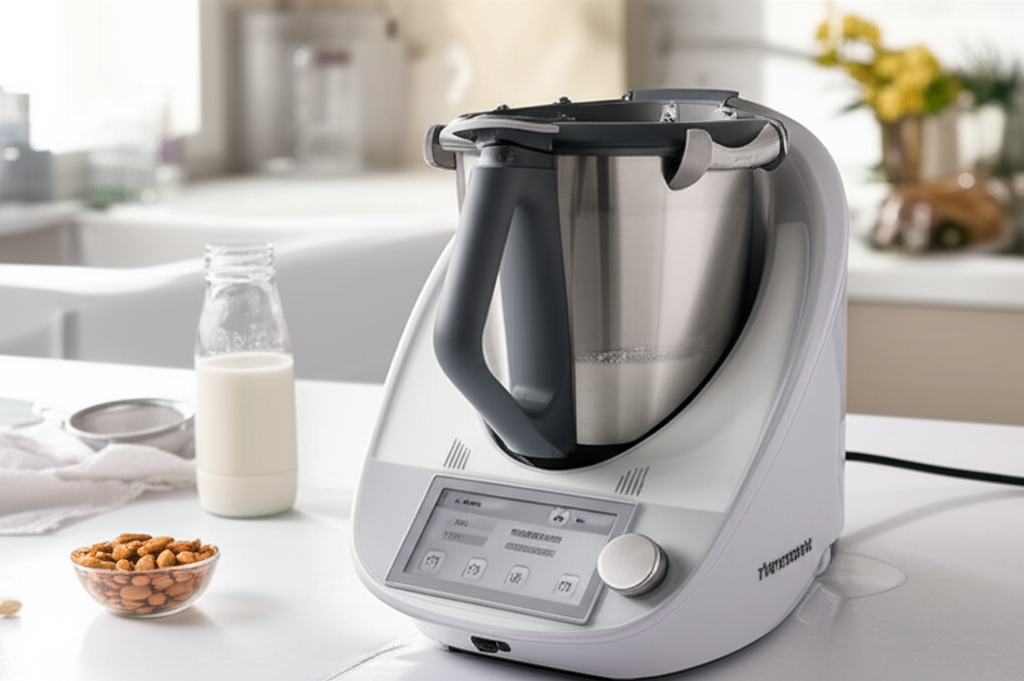
This guide shows you how to make perfect almond milk using your Thermomix. Enjoy fresh, homemade almond milk without additives, saving money and reducing waste. We cover everything from ingredients to troubleshooting for the best results.
Making almond milk at home can seem tricky. Many store-bought options have extra ingredients we don’t want. Plus, they can be expensive! Your Thermomix is a powerful kitchen tool. It can easily make creamy, delicious almond milk. This guide will walk you through every step. You’ll learn how to get the best flavor and texture. Get ready for fresh, homemade almond milk made simple.
Why Make Almond Milk in Your Thermomix?
Your Thermomix is perfect for making almond milk. It blends the almonds smoothly. It also strains the milk efficiently. This means less work for you. You get fresh almond milk without any unwanted additives. It’s a healthier choice. You can also control the sweetness and flavor. Making it yourself is often cheaper too.
Making almond milk in your Thermomix is simple and rewarding. It offers a fresh, pure taste that store-bought versions can’t match. You gain control over ingredients, avoiding thickeners and preservatives. This guide will unlock the secrets to perfect homemade almond milk with your appliance.
What You’ll Need for Thermomix Almond Milk
Gathering the right ingredients and tools is the first step. You’ll need just a few things to get started. Having everything ready makes the process smooth. Your Thermomix will do most of the hard work for you.
Here’s what you’ll need for delicious almond milk:
Almonds: Raw, unsalted almonds work best. About 1 cup (150g) is a good starting point.
Water: Fresh, filtered water gives the cleanest taste. You’ll need about 3-4 cups (700-900g).
Sweetener (Optional): Dates, maple syrup, or agave nectar add sweetness.
Flavorings (Optional): A pinch of salt, vanilla extract, or cinnamon can enhance the flavor.
Thermomix: Your trusty kitchen companion.
Fine-mesh sieve or nut milk bag: For straining the milk.
A bowl or jug: To collect the strained almond milk.
Having these items on hand ensures a hassle-free almond milk-making session. The beauty of homemade is the ability to customize.
The Simple Almond Milk Thermomix Recipe
This recipe is straightforward and yields excellent results. Follow these steps carefully. Your Thermomix will transform simple ingredients into creamy almond milk. It’s a process that’s both efficient and effective.
Here’s the basic recipe for almond milk in your Thermomix:
1. Soak the Almonds: Place 1 cup (150g) of raw almonds in a bowl. Cover them with plenty of water. Let them soak for at least 4 hours, or preferably overnight. Soaking softens the almonds. This helps them blend into a smoother milk. It also makes them easier to digest.
2. Drain and Rinse: After soaking, drain the almonds. Rinse them thoroughly under cold running water. Discard the soaking water. This step removes any almond skins and impurities. It ensures a clean flavor for your milk.
3. Add to Thermomix: Put the rinsed almonds into the Thermomix bowl. Add 3 cups (700g) of fresh, cold water. If you want to add a sweetener like 2-3 pitted dates, add them now. A pinch of salt can also be added for flavor.
4. Blend: Secure the lid on your Thermomix. Blend on high speed for about 1 minute. You want to achieve a smooth, milky consistency. The almonds should be completely broken down.
5. Strain the Milk: Place a fine-mesh sieve or a nut milk bag over a large bowl or jug. Carefully pour the almond mixture from the Thermomix bowl through the sieve or bag. If using a sieve, press down on the pulp to extract as much liquid as possible. If using a nut milk bag, twist the top and squeeze gently to release the milk.
6. Flavor and Store: Taste the almond milk. Add more sweetener or flavorings if desired. Stir well. Pour the almond milk into an airtight container or bottle. Store it in the refrigerator.
This simple process creates delicious, fresh almond milk. The result is far superior to most store-bought alternatives.
Soaking Almonds: Why It Matters for Almond Milk Thermomix
Soaking almonds is a crucial step for making the best almond milk. It changes the almonds’ texture. This makes them easier to blend. It also helps with digestion. Don’t skip this important part of the process.
Soaking almonds for your Thermomix almond milk recipe offers several benefits. It softens them, allowing for a smoother, creamier milk. This also makes the nutrients more accessible. It helps break down phytic acid. This acid can hinder nutrient absorption.
Here’s why soaking is so important:
Smoother Texture: Softened almonds blend more easily. This results in a creamier, less gritty almond milk.
Easier Digestion: Soaking helps to activate enzymes in the almonds. It also reduces phytic acid. This can make them easier for your body to digest.
Better Nutrient Absorption: By reducing inhibitors, soaking can improve the bioavailability of minerals. This means your body can absorb more of the good stuff.
Reduced Grittiness: Soaked almonds break down more completely. This leads to a silkier milk with less sediment.
Always plan ahead for soaking. It’s a small step that makes a big difference.
Achieving the Perfect Creaminess: Water Ratios and Blending
The amount of water you use affects the milk’s thickness. More water means thinner milk. Less water means richer, creamier milk. Experiment to find your perfect balance. Your Thermomix is great at blending thoroughly.
Getting the right consistency for your almond milk Thermomix creation is key. The ratio of almonds to water plays a big role. Blending time and speed also matter. Your Thermomix can achieve a fine texture.
Consider these factors for creamy almond milk:
Almond-to-Water Ratio: A common starting point is 1 cup of almonds to 3-4 cups of water. For richer milk, use less water (e.g., 1:3 ratio). For lighter milk, use more water (e.g., 1:4 or 1:5 ratio).
Blending Power: Your Thermomix is designed for powerful blending. Ensure the almonds are fully pulverized. This releases their fats and proteins into the water.
Blending Time: Blend for at least 1 minute on high speed. Longer blending can make the milk smoother. However, be careful not to overheat the mixture.
Double Straining: For an extra-smooth milk, you can strain it twice. Use a clean nut milk bag or a fine sieve. This removes any remaining fine particles.
Adjusting these elements will help you master the art of creamy almond milk.
Straining Techniques for Smooth Almond Milk Thermomix Results
Straining is where you separate the liquid milk from the almond pulp. A fine-mesh sieve works, but a nut milk bag is often best. It’s like a special cloth bag for making nut milks. This ensures you get all the liquid out.
Getting a smooth texture for your homemade almond milk Thermomix drink relies on effective straining. The goal is to remove all the solid almond bits. This leaves you with a silky liquid. Different tools can help you achieve this.
Here are common straining methods:
Nut Milk Bag: This is a porous fabric bag. It’s specifically designed for straining nut milks. You pour the mixture in and squeeze. It catches almost all the pulp.
Fine-Mesh Sieve: A sieve with very small holes can work. You may need to press the pulp down to get all the liquid. Some pulp might still pass through.
Cheesecloth: Layering several sheets of cheesecloth over a bowl can also work. It’s similar to a nut milk bag but might be less durable.
Using a nut milk bag is generally recommended for the smoothest results. It provides the best separation of pulp and milk.
Using Your Almond Pulp: Reducing Waste
Don’t throw away the leftover almond pulp! It’s full of fiber and nutrients. You can use it in many recipes. This makes your almond milk making process more sustainable. It’s a great way to reduce food waste.
The pulp left after making almond milk in your Thermomix is a valuable ingredient. It’s essentially ground almonds with most of the liquid removed. This pulp can be dried and used in baking or other dishes. It adds texture and flavor.
Here are some ideas for using almond pulp:
Baking: Add it to muffins, cookies, or bread recipes. It can replace some of the flour.
Smoothies: Stir a spoonful into your morning smoothie for extra fiber.
Energy Balls: Mix it with dates, oats, and other ingredients to make healthy energy balls.
Crackers: Dry the pulp completely and blend it into a flour. Use this to make homemade crackers.
Thickeners: Use a small amount to thicken sauces or soups.
Drying the pulp is often the best first step. Spread it thinly on a baking sheet. Dry it in a very low oven (around 50°C/120°F) or a dehydrator until completely dry. Store the dried pulp in an airtight container.
Flavor Variations for Your Almond Milk Thermomix Creation
Once you’ve mastered the basic recipe, get creative! You can add different flavors to your almond milk. This allows you to customize it for various uses. Think about what you’ll be using it for.
Experimenting with flavors can transform your homemade almond milk. Your Thermomix makes it easy to incorporate them. You can create unique blends for different occasions or preferences. These variations add a personal touch.
Try these flavor combinations:
Vanilla Almond Milk: Add 1 teaspoon of vanilla extract during blending.
Chocolate Almond Milk: Add 1-2 tablespoons of cocoa powder and a bit more sweetener.
Cinnamon Spice Almond Milk: Add 1/2 teaspoon of cinnamon and a pinch of nutmeg.
Strawberry Almond Milk: Add a handful of fresh or frozen strawberries.
Mint Chocolate Chip: Add a few drops of peppermint extract and some mini chocolate chips after straining.
These additions can be made during the main blending stage. This ensures flavors are well distributed.
Troubleshooting Common Almond Milk Thermomix Issues
Sometimes, things don’t go perfectly. Don’t worry if your first batch isn’t exactly how you imagined. Most issues are easy to fix. Your Thermomix is a reliable tool.
Even with the best intentions, you might encounter a few bumps. Here are common problems and how to solve them for your almond milk Thermomix efforts:
Gritty Milk: This usually means the almonds weren’t blended long enough. Or, the straining wasn’t fine enough. Try blending for longer. Use a nut milk bag for straining.
Watery Milk: You might have used too much water. Reduce the water ratio in your next batch.
Almond Taste Too Strong: Use more water in the next batch. Ensure almonds are fresh.
Milk Spoiling Quickly: Make sure your Thermomix bowl and all utensils are very clean. Use fresh, filtered water. Store milk in an airtight container in the coldest part of your fridge. Always consume within 3-5 days.
Not Sweet Enough: Add more sweetener. You can add it after straining and stir it in.
Most problems are solved by adjusting the water ratio or blending/straining time.
Storage and Shelf Life of Homemade Almond Milk
Freshly made almond milk lasts about 3 to 5 days in the refrigerator. Always store it in a clean, airtight container. This helps keep it fresh for longer. Shake well before each use. This is because the milk can separate.
Proper storage is essential for enjoying your homemade almond milk. It ensures safety and maintains quality. Your Thermomix makes it easy to create a fresh batch whenever you need it.
Key storage tips include:
Clean Containers: Use thoroughly washed and dried bottles or jars.
Airtight Seal: Ensure the container is sealed tightly to prevent air exposure.
Refrigeration: Always store almond milk in the refrigerator. The coldest part is usually the back.
Consume Promptly: Drink within 3-5 days for the best taste and safety.
Observe Signs of Spoilage: If it smells sour, tastes off, or looks separated in an unusual way, discard it.
By following these guidelines, you can enjoy your delicious homemade almond milk.
Comparing Homemade vs. Store-Bought Almond Milk
Making almond milk yourself offers significant advantages. You know exactly what’s in it. Store-bought versions often contain thickeners, emulsifiers, and added sugars. These are often unnecessary.
When comparing homemade almond milk made with your Thermomix to store-bought options, several differences stand out. The purity of ingredients is a major factor. Cost and environmental impact also play a role.
Here’s a quick comparison:
| Feature | Homemade Almond Milk (Thermomix) | Store-Bought Almond Milk |
| :—————— | :—————————————————- | :—————————————————– |
| Ingredients | Almonds, water, optional sweetener/flavorings | Almonds, water, thickeners, emulsifiers, salt, sugar |
| Purity | High – no additives | Variable – often contains additives |
| Taste | Fresh, natural, customizable | Consistent, sometimes artificial |
| Cost | Generally lower per liter | Higher due to processing and packaging |
| Freshness | Made to order, best consumed within days | Longer shelf life due to preservatives |
| Customization | Fully customizable (sweetness, flavor) | Limited customization (pre-made flavors) |
| Environmental | Reduced packaging, less transport | More packaging, transportation |
Making your own almond milk in the Thermomix is often a healthier, more economical, and eco-friendly choice.
Frequently Asked Questions About Almond Milk Thermomix
Q1: How long do I need to soak almonds for Thermomix almond milk?
A: You should soak almonds for at least 4 hours, or ideally overnight. This softens them for better blending and digestion.
Q2: Can I use roasted almonds to make almond milk in my Thermomix?
A: It’s best to use raw, unsalted almonds. Roasted almonds can affect the flavor and texture of the milk. They might not blend as smoothly.
Q3: My almond milk is separating. Is this normal?
A: Yes, separation is normal for homemade almond milk. It’s because there are no emulsifiers. Just shake the container well before drinking.
Q4: How long does homemade almond milk last in the fridge?
A: Homemade almond milk typically lasts for 3 to 5 days in an airtight container in the refrigerator.
Q5: What can I do with the leftover almond pulp?
A: You can dry the pulp and use it in baking, smoothies, or to make energy balls. It’s a nutritious byproduct.
Q6: Can I make almond milk without soaking the almonds?
A: While you can blend unsoaked almonds, the milk will likely be grittier. Soaking is highly recommended for the best texture and flavor.
Q7: How much almond milk does 1 cup of almonds make?
A: One cup of almonds typically makes about 3 to 4 cups of almond milk, depending on how much water you add.
Conclusion: Your Perfect Almond Milk Thermomix Journey
You’ve now learned everything you need to know about making almond milk with your Thermomix. It’s a simple, rewarding process. You get delicious, fresh milk without additives. Experiment with flavors and ratios. Enjoy the creamy goodness of your homemade almond milk.
Making almond milk in your Thermomix is a game-changer. It’s healthier, cheaper, and more sustainable than buying it. You have complete control over taste and ingredients. This guide has provided all the steps. You can now confidently create perfect almond milk. Start your journey to delicious, homemade almond milk today!


Belayet Hossain is a Senior Tech Expert and Certified AI Marketing Strategist. Holding an MSc in CSE (Russia) and over a decade of experience since 2011, he combines traditional systems engineering with modern AI insights. Specializing in Vibe Coding and Intelligent Marketing, Belayet provides forward-thinking analysis on software, digital trends, and SEO, helping readers navigate the rapidly evolving digital landscape. Connect with Belayet Hossain on Facebook, Twitter, Linkedin or read my complete biography.