
Published on: 19/10/2025 | Updated on: October 19, 2025
Finding pure almond milk without additives can be tricky, but this guide makes it simple. Learn what to look for, common hidden ingredients, and how to choose the best options for your health and taste.
Have you ever picked up a carton of almond milk, excited for a healthy treat, only to find a long list of ingredients you can’t pronounce? It’s a common frustration. Many almond milks are packed with thickeners, emulsifiers, and sweeteners that can change the taste and nutritional value. But don’t worry, getting pure almond milk without these extras is totally achievable. I’m here to guide you through it. We’ll break down exactly what to look for on labels and how to find the best, simplest almond milk for your needs.
Why Choose Almond Milk Without Additives?
Opting for almond milk without additives means you get the pure, natural goodness of almonds. It’s a choice for those seeking a cleaner diet. You avoid unnecessary chemicals and focus on the simple, wholesome ingredients. This is especially important for people with allergies or sensitivities. It’s also great for anyone who prefers a natural taste.
Decoding the Almond Milk Label: What to Watch Out For
Understanding almond milk labels is key to finding the additive-free versions. Manufacturers often add ingredients to improve texture, shelf life, and flavor. These can include gums, carrageenan, and sweeteners. Reading labels carefully helps you avoid these. It ensures you’re getting a product closer to its natural state.
Common Additives and Their Purpose

Many common additives serve specific purposes in almond milk production. Gellan gum and locust bean gum are often used as thickeners. They give the milk a creamier texture. Carrageenan is another common thickener and emulsifier. It helps keep the almond solids suspended in the water. Sweeteners like cane sugar or agave nectar are added for taste.
Hidden Ingredients to Avoid
Some ingredients, while common, might not be what you want. Carrageenan, derived from seaweed, has raised some health concerns for certain individuals. Emulsifiers like soy lecithin or sunflower lecithin are used to prevent separation. While generally safe, some prefer to avoid them. Always check for added sugars, even in “unsweetened” varieties.
The Magic Trio: Almonds, Water, and Salt
The simplest almond milk recipes consist of just a few core ingredients. These are typically almonds, water, and a touch of salt. This basic combination offers a clean taste and natural nutrition. It’s the benchmark for truly additive-free almond milk. When you see these three, you’re likely on the right track.
Identifying Truly “Pure” Almond Milk
Finding truly pure almond milk means looking for brands that prioritize minimal ingredients. The ideal label will list only almonds, water, and perhaps a pinch of sea salt. Unsweetened versions are usually the best bet for purity. They avoid added sugars or artificial sweeteners. Always check the ingredient list before purchasing.
Brands Leading the Way in Pure Almond Milk
Several brands are committed to offering almond milk with minimal additives. These companies focus on quality ingredients and simple formulations. I’ve found that brands often labeled as “gourmet” or “artisanal” tend to be more ingredient-conscious. However, many mainstream brands also offer a pure option. It just requires a bit of label sleuthing.
My Top Picks for Additive-Free Almond Milk
After trying many brands, I have a few favorites that consistently deliver. These brands use simple ingredient lists and offer a great taste. They are often found in the refrigerated section of natural food stores. Sometimes, you can also find them at larger grocery chains. I’ll share a few that have impressed me with their purity.
Where to Find These Brands
These pure almond milk brands are usually available at health food stores and specialty grocers. Many larger supermarkets also carry them, especially in their natural foods aisle. Online retailers and grocery delivery services are also excellent resources. You can often filter by “unsweetened” or “organic” to narrow down your choices.
Making Your Own Almond Milk: The Ultimate Purity Control
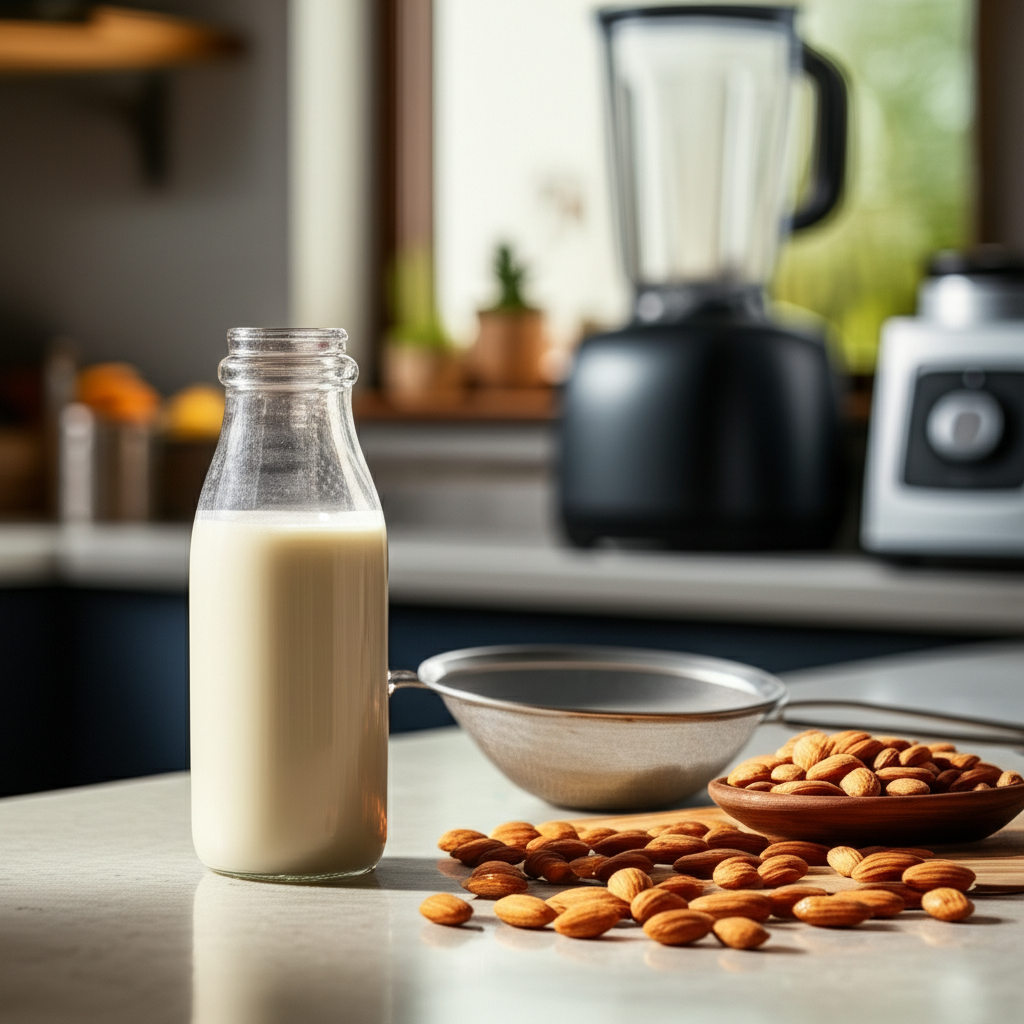
For absolute control over ingredients, making almond milk at home is the best option. It’s surprisingly easy and requires minimal equipment. You can ensure it contains only what you choose. This method guarantees the freshest, purest almond milk possible. It’s also a cost-effective solution.
Simple Steps to Homemade Almond Milk
Here’s a straightforward way to make your own almond milk. You’ll need raw almonds, water, and a blender. Soaking the almonds beforehand helps them blend smoother. Then, simply blend them with fresh water. Straining through a nut milk bag yields a creamy result.
1. Soak Almonds: Cover raw almonds with water. Let them soak for at least 8 hours or overnight.
2. Drain and Rinse: Drain the soaking water and rinse the almonds well.
3. Blend: Combine 1 cup of almonds with 4 cups of fresh water in a high-powered blender. Blend on high for 1-2 minutes until very smooth.
4. Strain: Pour the mixture through a fine-mesh sieve or a nut milk bag into a clean bowl or pitcher. Squeeze out as much liquid as possible.
5. Sweeten (Optional): Add a date or a little maple syrup if you prefer it sweeter. Blend again briefly.
6. Store: Pour into an airtight container and store in the refrigerator for up to 3-4 days.
Making your own almond milk gives you complete ingredient control. This ensures the purest possible beverage. You can adjust the consistency and sweetness to your liking.
The Nutritional Benefits of Pure Almond Milk
Pure almond milk offers several health advantages. It’s naturally low in calories and saturated fat. It’s a good source of vitamin E, an antioxidant. When fortified, it can also provide calcium and vitamin D. Choosing additive-free versions means you get these benefits without unwanted extras. This makes it a healthy choice for many diets.
Comparing Almond Milk Varieties
Here’s a quick look at how different almond milk types stack up. This helps illustrate why choosing pure is often best.
| Type of Almond Milk | Common Additives | Potential Benefits |
| :—————— | :———————————————– | :—————————————————- |
| Pure/Unsweetened | Almonds, Water, Salt | Low calorie, natural taste, no added sugar. |
| Sweetened | Almonds, Water, Sugar/Sweeteners, Thickeners | Palatable for those who prefer sweetness. |
| Flavored | Almonds, Water, Sweeteners, Flavorings, Thickeners | Adds variety, but often higher in sugar and additives. |
As you can see, the “pure” category stands out for its simplicity. It aligns with a health-conscious approach.
Integrating Pure Almond Milk into Your Diet
Pure almond milk is incredibly versatile. It works wonderfully in coffee, smoothies, and cereal. You can also use it in baking and cooking. Its mild flavor complements many dishes without overpowering them. Experimenting with it is easy and rewarding.
Smoothies and Shakes
Adding pure almond milk to your morning smoothie is a fantastic idea. It provides a creamy base without added sugars. This lets the fruit and other ingredients shine. It’s a light and healthy way to boost your beverage.
Coffee and Tea
For coffee and tea lovers, pure almond milk offers a dairy-free alternative. It froths reasonably well for lattes. Its subtle nutty flavor can enhance your hot beverages. It’s a great way to enjoy your favorite drinks.
Cooking and Baking
When baking or cooking, pure almond milk can replace dairy milk. It works well in recipes like pancakes, muffins, and sauces. Just remember it might not provide the same richness as whole dairy milk. It’s a lighter option for many recipes.
Addressing Common Concerns and FAQs
Many people have questions about almond milk, especially when seeking pure options. I’ve gathered some of the most common ones.
FAQ: Your Almond Milk Questions Answered
What does “unsweetened” really mean?
Unsweetened almond milk means no sugar or artificial sweeteners have been added. However, it might still contain thickeners. Always check the ingredient list for those.
Is almond milk safe for nut allergies?
No, almond milk is made from almonds and is not safe for individuals with nut allergies. There are other dairy-free milk alternatives for those with allergies.
How long does homemade almond milk last?
Homemade almond milk typically lasts 3 to 4 days in the refrigerator. It’s best to make small batches to ensure freshness.
Why does store-bought almond milk separate?
Commercial almond milk often contains emulsifiers to prevent separation. If yours separates, it might be a sign of fewer additives, which is a good thing! Just shake it well.
Can I drink almond milk if I am lactose intolerant?
Yes, almond milk is naturally lactose-free. It’s a suitable option for individuals who are lactose intolerant.
What is the difference between refrigerated and shelf-stable almond milk?
Shelf-stable almond milk is often heat-treated more intensely and may contain more stabilizers. Refrigerated versions are usually fresher and may have fewer additives.
I hope these answers help clear up any confusion. Understanding these points makes choosing almond milk much easier.
Conclusion: Embrace the Purity of Almond Milk
Finding delicious and healthy almond milk without additives is simpler than you might think. By carefully reading labels and understanding what to look for, you can easily choose the best options. Whether you opt for store-bought brands that prioritize purity or enjoy the satisfaction of making your own, pure almond milk is a wonderful addition to a healthy lifestyle. It offers a clean, natural taste and a host of benefits. Enjoy your pure almond milk sipping journey!

Belayet Hossain is a Senior Tech Expert and Certified AI Marketing Strategist. Holding an MSc in CSE (Russia) and over a decade of experience since 2011, he combines traditional systems engineering with modern AI insights. Specializing in Vibe Coding and Intelligent Marketing, Belayet provides forward-thinking analysis on software, digital trends, and SEO, helping readers navigate the rapidly evolving digital landscape. Connect with Belayet Hossain on Facebook, Twitter, Linkedin or read my complete biography.