
Published on: 19/10/2025 | Updated on: October 19, 2025
Unlock creamy, homemade almond milk with the right almond milker. This guide covers types, features, and tips for the perfect plant-based drink, making your kitchen experience easier and tastier.
Making your own almond milk at home can seem daunting, but it’s actually quite simple with the right tools. Many people struggle with getting the texture and taste just right, often ending up with gritty or watery results. This frustration can lead them to stick with store-bought options, missing out on the freshness and control that homemade almond milk offers. I understand this challenge well. I’ve tested many kitchen gadgets and helped countless home cooks find the best solutions. This guide is here to simplify everything. We’ll explore the world of almond milkers, from basic tools to advanced machines. You’ll learn what to look for and how to choose the best almond milker for your needs. Get ready to enjoy delicious, fresh almond milk anytime you want!
What is an Almond Milker?
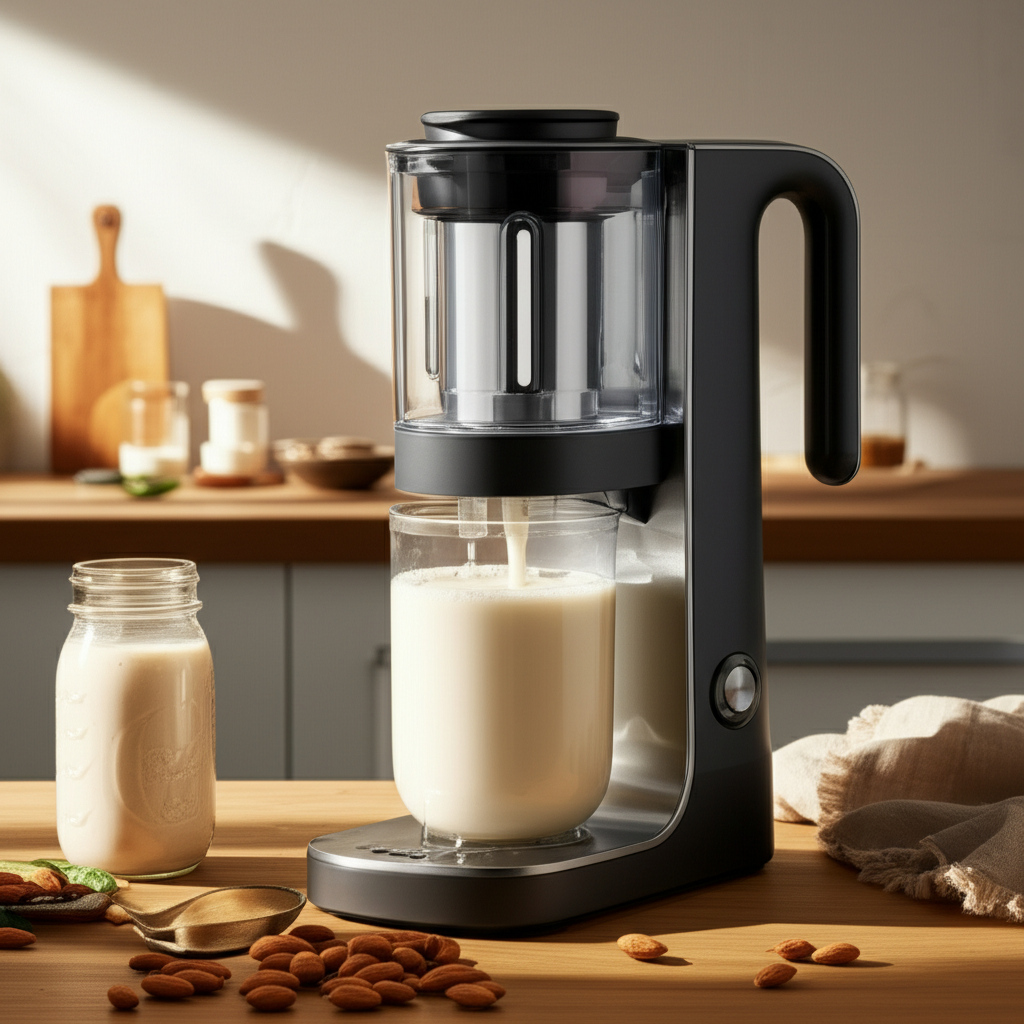
An almond milker is a kitchen device designed to easily create plant-based milks, like almond milk, from nuts or seeds. It simplifies the process of blending and straining. This means you get smooth, creamy milk without the fuss. It’s a fantastic tool for anyone wanting fresh, homemade dairy alternatives.
Why Make Your Own Almond Milk?
Store-bought almond milk is convenient, but it often contains additives and preservatives. Making your own gives you complete control over ingredients. You can avoid sweeteners, thickeners, and stabilizers. Plus, it’s often more cost-effective in the long run.
Making homemade almond milk is also better for the environment. You reduce plastic packaging waste from store-bought cartons. This choice supports a more sustainable lifestyle. It’s a win for your health and the planet.
Types of Almond Milkers
There are several ways to make almond milk at home. Some are simple tools, while others are electric machines. Each has its own pros and cons. Understanding these differences helps you pick the best method for you.
Manual Nut Milk Bags

Nut milk bags are simple fabric bags, usually made of nylon or cotton. You soak your almonds, blend them with water, and then pour the mixture into the bag. Squeeze the bag to strain the milk. This is the most basic and affordable method.
These bags are easy to use and clean. They are also very portable. However, they require more physical effort. Getting perfectly smooth milk can also be challenging.
Electric Nut Milk Makers
Electric almond milkers are automated machines. You add your nuts, water, and any desired flavors. The machine blends and often heats the mixture. It then strains the milk automatically. These are designed for convenience and speed.
These machines can produce very smooth milk quickly. Many have pre-set programs for different types of nuts. They often come with multiple functions. The main drawback is their higher cost. They also take up more counter space.
Blender and Strainer Method
This is a popular DIY approach. You soak almonds, then blend them with fresh water in a high-powered blender. After blending, you pour the mixture through a fine-mesh sieve or a nut milk bag to strain out the pulp. This method uses equipment many people already own.
This method offers good control over texture. It allows for easy experimentation with flavors. However, it can be messy. Straining can take time and effort.
Juicers with Nut Milk Attachments
Some high-end juicers come with special attachments for making nut milk. These machines are versatile. They can juice fruits and vegetables, and also make nut milks. They are designed to extract maximum liquid.
Juicers with these attachments can produce very smooth milk. They are efficient and offer multiple kitchen uses. However, they are typically the most expensive option. They also require more cleaning.
Key Features to Consider in an Almond Milker
When choosing an almond milker, several features are important. Think about how you plan to use it. Consider your budget and kitchen space. These factors will guide your decision.
Ease of Use
A good almond milker should be simple to operate. Look for intuitive controls and clear instructions. If you’re busy, an automated machine is best. Manual methods require more hands-on effort.
Consider the cleaning process. Some parts might be dishwasher safe. Others may need hand washing. Easy cleanup makes using the milker more enjoyable.
Capacity and Size
Think about how much almond milk you typically use. Many machines have capacities ranging from 1 to 2 liters. Choose a size that fits your household’s needs. Small households might not need a large machine.
Also, consider the physical size of the appliance. If you have limited counter space, a compact model is better. Some machines are quite bulky.
Material and Durability
Look for almond milkers made from high-quality materials. Stainless steel and BPA-free plastics are good choices. Durable construction ensures the appliance lasts longer. Check customer reviews for feedback on longevity.
The filter material is also important. Fine mesh filters produce smoother milk. Ensure the filter is easy to clean and replace if needed.
Additional Features
Some advanced almond milkers offer extra functions. These can include self-cleaning cycles or heating elements. Others allow you to make different types of plant-based milks, like oat or soy milk. Some can even make soups or smoothies.
Consider if these extra features are worth the added cost. For basic almond milk needs, simpler models suffice.
How to Use an Almond Milker: A Step-by-Step Guide
Using an almond milker is straightforward, especially with electric models. Here’s a general process. It applies to most types, though specifics may vary.
1. Prepare Your Almonds
The first step is soaking your almonds. Place raw almonds in a bowl. Cover them with plenty of fresh water. Let them soak for at least 4-8 hours, or overnight. Soaking softens the almonds. This makes them easier to blend. It also helps with digestion.
After soaking, drain the almonds. Rinse them thoroughly with fresh water. Discard the soaking water. This removes any bitter taste.
2. Add Ingredients to the Milker
Place the soaked and rinsed almonds into your almond milker. Add the correct amount of fresh, filtered water. Most recipes call for a 1:3 or 1:4 ratio of almonds to water. Check your milker’s manual for specific recommendations. You can also add flavorings now. Vanilla extract or a pitted date are popular choices.
3. Start the Milking Process
Turn on your almond milker. If using an electric model, select the appropriate setting. The machine will blend the almonds and water. It will then automatically strain the mixture. This process usually takes about 5-15 minutes. Manual methods require you to blend first, then strain by hand.
4. Collect Your Fresh Almond Milk
Once the process is complete, carefully remove the almond milk. Pour it into a clean container or bottle. Your fresh almond milk is now ready! The leftover almond pulp can be used in other recipes.
Tips for the Best Homemade Almond Milk
Achieving perfectly creamy and delicious almond milk is an art. A few simple tricks can elevate your homemade creation. These tips focus on taste, texture, and storage.
Use Quality Almonds
Start with high-quality, raw almonds. Organic almonds are a great choice. Avoid roasted or salted almonds. They won’t yield the best flavor or texture. Freshness matters for the best taste.
Soaking is Crucial
Don’t skip the soaking step. It’s essential for softening almonds. This leads to creamier milk. It also makes the nutrients more available. Longer soaking times (up to 12 hours) can yield even creamier results.
Experiment with Water Ratios
The amount of water affects the milk’s thickness. For richer milk, use less water. A 1:3 ratio of almonds to water is good for creamy milk. For lighter milk, use a 1:4 ratio. Adjust to your personal preference.
Add Flavorings Wisely
Vanilla extract, cinnamon, or a pitted date can add sweetness and flavor. Add these during the blending process. Be careful not to add too much. You want to enhance the almond flavor, not overpower it.
Strain Thoroughly
For the smoothest milk, strain it well. If using a nut milk bag, squeeze firmly. A second straining can make it even smoother. Some electric milkers have built-in fine filters. Ensure they are clean for best results.
Proper Storage
Store your homemade almond milk in an airtight container in the refrigerator. It typically lasts for 3-5 days. Shake well before each use, as separation is natural. Always check for freshness before consuming.
What to Do with Almond Pulp
Don’t throw away the leftover almond pulp! It’s a nutritious byproduct. You can use it in many delicious ways. This reduces food waste and adds value to your homemade milk.
Bake with It
Almond pulp adds fiber and flavor to baked goods. Try adding it to muffins, cookies, or bread recipes. It can replace some of the flour. This creates a denser, moister texture.
Add to Smoothies
Boost the nutrition of your smoothies by adding almond pulp. It thickens the drink and adds fiber. It’s a great way to use up the pulp quickly. Just add a tablespoon or two.
Make Almond Crackers
Dehydrate the almond pulp until dry. Then, mix it with seeds, spices, and a little water. Form into crackers and bake until crisp. These are healthy and satisfying snacks.
Create Energy Bites
Combine almond pulp with oats, dates, and nut butter. Roll into balls for quick energy bites. These are perfect for a healthy snack on the go. They are easy to make and taste great.
Comparing Different Almond Milker Models
Choosing the right almond milker depends on your needs and budget. Here’s a comparison of common types. This can help you see the differences clearly.
| Feature | Nut Milk Bag | Electric Milker | Blender & Strainer | Juicer Attachment |
| :————— | :—————– | :—————– | :—————– | :—————– |
| Price | $ – $$ | $$$ – $$$$ | $ – $$ | $$$$ |
| Ease of Use | Moderate (manual) | Very Easy | Moderate | Easy |
| Time | Moderate | Fast (5-15 min) | Moderate | Fast |
| Texture | Good (requires effort) | Excellent | Good | Excellent |
| Cleaning | Easy | Moderate | Moderate | Moderate-Hard |
| Portability | High | Low | Moderate | Low |
| Extra Features | None | Multiple | None | Juicing, etc. |
This table highlights key differences. Nut milk bags are budget-friendly. Electric milkers offer maximum convenience. The blender method uses existing tools. Juicers are versatile but costly.
Consider your priorities when looking at these options. If budget is tight, a nut milk bag is ideal. If you value speed and ease, an electric milker is a great investment. For those who already own a good blender, that’s a strong contender.
Troubleshooting Common Almond Milk Issues
Sometimes, homemade almond milk doesn’t turn out perfectly. Common problems include grittiness, thinness, or a short shelf life. Fortunately, these issues are usually easy to fix.
Gritty Texture
Grittiness often comes from insufficient blending or poor straining. Ensure you blend the almonds and water for long enough. Use a high-powered blender if possible. For straining, use a fine-mesh nut milk bag. Squeeze thoroughly to extract all liquid. A second straining might be needed.
Watery Milk
If your almond milk is too thin, adjust the almond-to-water ratio. Use fewer cups of water for the same amount of almonds. Try a 1:3 ratio instead of 1:4. Soaking almonds properly also helps create creamier milk.
Short Shelf Life
Homemade almond milk lacks preservatives. It spoils faster than store-bought versions. Always use clean equipment. Store the milk in an airtight container in the coldest part of your fridge. Consume within 3-5 days. Using filtered water can also help.
Separation Issues
Natural separation is normal for homemade nut milk. It doesn’t mean the milk has gone bad. Simply shake the container well before each use. Adding a small amount of a natural emulsifier like lecithin can help reduce separation, but it’s usually not necessary.
Frequently Asked Questions about Almond Milkers
What is the best type of almond milker for beginners?
For beginners, a simple nut milk bag or a basic electric almond milker is best. They are straightforward to use and require less initial investment. They allow you to learn the process easily.
How long does homemade almond milk last?
Homemade almond milk typically lasts 3 to 5 days in the refrigerator. Always store it in an airtight container. Shake well before each use. Discard if it smells or tastes off.
Can I make other types of milk with an almond milker?
Yes, most almond milkers can make other plant-based milks. You can use them for oat milk, cashew milk, soy milk, and more. Follow the manufacturer’s instructions for best results.
Is it cheaper to make almond milk at home?
Generally, yes, it is cheaper to make almond milk at home. The initial cost of an almond milker is an investment. However, the cost of raw almonds is usually lower than pre-made almond milk. This saves money over time.
What can I do with the leftover almond pulp?
Leftover almond pulp is versatile. You can use it in baking, add it to smoothies, make energy bites, or dehydrate it for crackers. It adds fiber and nutrients to various recipes.
Do I need to soak almonds before using an almond milker?
Yes, soaking is crucial for most almond milkers. It softens the almonds, making them easier to blend. This results in creamier milk and helps the machine work more efficiently.
Conclusion: Your Journey to Perfect Homemade Almond Milk Starts Now
Choosing the right almond milker is key to enjoying delicious, fresh, homemade plant-based milk. Whether you opt for a simple nut milk bag or a feature-rich electric machine, the benefits are clear. You gain control over ingredients, save money, and reduce waste. I’ve walked you through the types, features, and usage tips. You now have the knowledge to select the best almond milker for your kitchen. Start experimenting with flavors and ratios. Embrace the ease and satisfaction of making your own almond milk. Your taste buds and your wallet will thank you.

Belayet Hossain is a Senior Tech Expert and Certified AI Marketing Strategist. Holding an MSc in CSE (Russia) and over a decade of experience since 2011, he combines traditional systems engineering with modern AI insights. Specializing in Vibe Coding and Intelligent Marketing, Belayet provides forward-thinking analysis on software, digital trends, and SEO, helping readers navigate the rapidly evolving digital landscape. Connect with Belayet Hossain on Facebook, Twitter, Linkedin or read my complete biography.