
Published on: 02/11/2025 | Updated on: November 2, 2025
Unlock the secret to truly authentic Alfredo sauce, moving beyond jarred versions to create a rich, creamy, and incredibly delicious dish that will impress any palate. This guide ensures your homemade Alfredo is restaurant-quality, simple to achieve, and perfectly suited for busy weeknights or special occasions.
Craving that velvety, cheesy goodness of Alfredo sauce but tired of the bland, watery versions from a jar? You’re not alone. Many home cooks struggle to recreate the authentic, luxurious taste of this classic Italian-American dish. It often seems complicated, but achieving true Alfredo perfection is surprisingly simple with the right approach. This guide will walk you through every step, demystifying the process and empowering you to make a sauce that’s incredibly rich, satisfying, and utterly delicious.
What Makes Alfredo Sauce Truly Authentic?
Authentic Alfredo sauce is a testament to culinary simplicity and quality ingredients. It’s not about a long list of components but about the perfect balance of a few key elements. The original recipe, created by Alfredo di Lelio in Rome, famously contained just butter, Parmesan cheese, and pasta water.
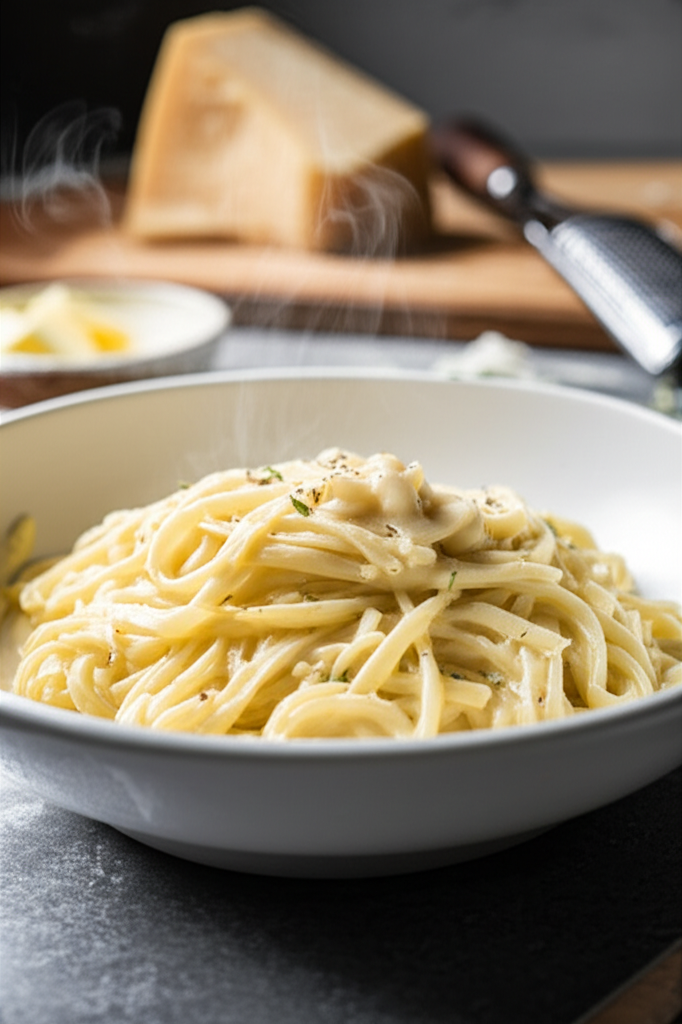
The magic happens when the heat, fat from the butter, and the starchy pasta water emulsify with the finely grated Parmesan cheese. This creates a naturally creamy, glossy sauce that clings beautifully to fettuccine. Modern American interpretations often add heavy cream, which alters the texture and flavor profile, making it richer but less traditional. Understanding this core difference is key to achieving that genuine, authentic taste.
The Essential Ingredients for Authentic Alfredo
Creating an authentic Alfredo sauce hinges on selecting high-quality ingredients. The fewer ingredients there are, the more each one matters. Using premium components ensures a superior flavor and texture that store-bought versions simply cannot replicate.
High-Quality Butter: Unsalted butter is preferred so you can control the saltiness. Look for European-style butter with a higher fat content for a richer flavor.
Genuine Parmigiano-Reggiano: This is non-negotiable for authentic flavor. Grate it yourself from a wedge; pre-grated cheese often contains anti-caking agents that prevent smooth melting.
Fresh Pasta: Fettuccine is the classic choice, but any good quality pasta will work. The starch released from cooking pasta is crucial for the sauce’s consistency.
Pasta Water: This starchy, salty liquid is the secret binder that creates the creamy emulsion without relying solely on cream.
Black Pepper: Freshly cracked black pepper adds a subtle warmth and complexity.
The Art of Grating Parmesan for Alfredo
The way you grate your Parmesan cheese significantly impacts the final sauce. For authentic Alfredo, the cheese needs to melt smoothly and evenly into the butter and pasta water. This means fine grating is essential.
Using a microplane or the smallest holes on a box grater will yield the finest shreds. These small particles will melt more readily, creating a seamless, velvety sauce. Avoid using a food processor to grate cheese for Alfredo, as it can create too fine a powder that might clump or become oily. Always grate your cheese fresh just before you plan to make the sauce.
Mastering the Emulsion: The Heart of Alfredo
The emulsion is the key to a creamy, stable Alfredo sauce. It’s the process where oil (from butter) and water are combined to form a smooth, cohesive mixture. In authentic Alfredo, this is achieved through the interaction of butter, starchy pasta water, and finely grated Parmesan.
When you add the hot pasta water to the melted butter and cheese mixture, the starch molecules in the water help to bind the fat and solids together. Vigorous stirring or tossing of the pasta in the sauce encourages this emulsification. This technique prevents the sauce from separating into an oily mess or becoming clumpy.
Step-by-Step: Crafting Your Authentic Alfredo Sauce
Making authentic Alfredo sauce is a straightforward process that rewards attention to detail. Follow these steps for a guaranteed delicious result. This method focuses on the traditional technique, ensuring a light, creamy, and intensely flavorful sauce.
1. Cook the Pasta: Bring a large pot of salted water to a rolling boil. Add your fettuccine and cook according to package directions until al dente. Crucially, reserve at least 1.5 cups of the starchy pasta water before draining.
2. Melt the Butter: While the pasta cooks, melt the unsalted butter in a large skillet over medium-low heat. Do not let the butter brown; you want it just melted and shimmering.
3. Add Cheese and Water: Remove the skillet from the heat. Gradually add the finely grated Parmigiano-Reggiano cheese to the melted butter, stirring constantly. Begin adding the reserved hot pasta water, a ladleful at a time, stirring vigorously.
4. Emulsify the Sauce: Continue adding pasta water and stirring until the sauce reaches a smooth, creamy consistency. It should be thick enough to coat the back of a spoon but still pourable.
5. Combine with Pasta: Add the drained, hot fettuccine directly into the skillet with the sauce. Toss the pasta gently but thoroughly to ensure every strand is coated. The residual heat will finish cooking the sauce and help it cling perfectly.
6. Season and Serve: Season generously with freshly cracked black pepper. Taste and add a pinch of salt if needed, though the Parmesan and pasta water are often salty enough. Serve immediately.
This method ensures the sauce is created directly with the pasta, maximizing the emulsification process. It’s a technique favored by chefs for its efficiency and superior results.
Common Pitfalls and How to Avoid Them
Even with the best intentions, creating authentic Alfredo sauce can present challenges. Understanding common mistakes helps you troubleshoot and ensure success every time. Most issues stem from ingredient quality, temperature control, or technique.
Using Pre-Grated Cheese: This is the most frequent culprit for a gritty or clumpy sauce. Pre-grated cheese contains cellulose and other anti-caking agents that prevent smooth melting.
Overheating the Sauce: If the sauce gets too hot after the cheese is added, the cheese can seize and become oily or stringy. Always add cheese off the heat and emulsify gently.
Not Using Enough Pasta Water: This starchy water is essential for binding the sauce. Without enough of it, your sauce will be thin and won’t emulsify properly.
Adding Cream Too Early (or at all for authentic): While cream makes a rich sauce, it’s not part of the original authentic recipe and can make the sauce heavy. If you do use cream, add it sparingly at the end and heat very gently.
Sauce Separating: This usually happens if the butter and water haven’t properly emulsified. Ensure you stir vigorously and add pasta water gradually.
By being mindful of these points, you can steer clear of common errors and consistently achieve a perfect Alfredo.
Variations and Additions for Your Alfredo
While the classic authentic Alfredo sauce is perfection on its own, there are delightful ways to customize it. These additions can elevate your dish without compromising its essential creamy character. Remember to introduce new flavors thoughtfully.
Garlic: Sautéing minced garlic in the butter before adding cheese provides a lovely aromatic base. Use this sparingly to maintain the cheese-forward flavor.
Herbs: Fresh parsley, chives, or even a hint of fresh thyme can add brightness. Stir them in just before serving.
Proteins: Grilled chicken, shrimp, or pan-seared scallops are classic pairings that complement the rich sauce beautifully.
Vegetables: Blanched broccoli florets, sautéed mushrooms, or wilted spinach can add texture and nutrients.
A Touch of Cream (for a richer, non-traditional version): If you desire an even richer sauce, stir in a small amount of heavy cream at the very end, just to warm through. This moves it away from strict authenticity but is a popular adaptation.
These variations allow you to tailor the dish to your preferences and available ingredients. For a truly authentic experience, however, start with the classic butter and Parmesan.
Pairing Your Authentic Alfredo
The rich, decadent nature of authentic Alfredo sauce pairs wonderfully with a variety of dishes. The right accompaniments can balance the richness and create a truly memorable meal. Consider these classic pairings for a complete dining experience.
Wine: A crisp, dry white wine like a Pinot Grigio or Sauvignon Blanc cuts through the richness of the sauce. A light-bodied red like a Beaujolais can also work.
Salad: A simple green salad with a light vinaigrette provides a refreshing contrast. Think mixed greens, cherry tomatoes, and cucumber.
Bread: Crusty bread, like a baguette or focaccia, is perfect for soaking up any extra sauce.
Proteins: As mentioned in variations, grilled chicken or shrimp are excellent choices. Even a simple side of Italian sausage can be delicious.
The goal is to complement, not compete with, the star of the show: your perfectly crafted Alfredo sauce.
Beyond Pasta: Creative Uses for Alfredo Sauce
While fettuccine Alfredo is a beloved classic, authentic Alfredo sauce is incredibly versatile. Its creamy, cheesy base can be used in numerous dishes, transforming everyday meals into something special. Think beyond the pasta bowl for exciting culinary adventures.
Lasagna: Layering authentic Alfredo sauce instead of or in addition to béchamel can create an incredibly rich and decadent lasagna.
Stuffed Shells or Manicotti: These pasta shapes are perfect vessels for a creamy Alfredo filling, often mixed with ricotta cheese and spinach.
Pizza Base: A thin layer of Alfredo sauce can make a surprisingly delicious white pizza base, especially when topped with chicken and spinach.
Vegetable Bakes: Use Alfredo sauce as a binder and topping for baked dishes like cauliflower gratin or a broccoli and cheese casserole.
Savory Crepes: Fill delicate crepes with Alfredo sauce and your choice of chicken or vegetables for an elegant brunch or light dinner.
Exploring these uses allows you to enjoy the luxurious taste of authentic Alfredo in new and exciting ways.
Frequently Asked Questions About Authentic Alfredo Sauce
Q1: Can I make authentic Alfredo sauce without pasta water?
While technically possible, omitting pasta water significantly changes the sauce’s texture and emulsification. It’s the key ingredient for achieving authentic creaminess without relying heavily on cream.
Q2: My Alfredo sauce is oily. What went wrong?
An oily sauce usually means the ingredients haven’t emulsified properly. This can happen if the sauce is too hot when the cheese is added, or if there isn’t enough starchy pasta water to bind the fat. Try whisking vigorously off the heat.
Q3: How can I make Alfredo sauce healthier?
For a lighter version, use less butter and a bit more pasta water. You can also incorporate pureed cauliflower or a smaller amount of Greek yogurt for creaminess, though this deviates from strict authenticity.
Q4: Can I reheat Alfredo sauce?
Yes, but gently. Reheat slowly in a saucepan over low heat, adding a splash of milk or pasta water to help re-emulsify. Avoid microwaving, which can cause separation.
Q5: What kind of Parmesan cheese is best for Alfredo?
Only genuine Parmigiano-Reggiano will do for authentic flavor. It’s crucial to grate it yourself from a wedge for the smoothest melt and best taste.
Q6: How long does homemade Alfredo sauce last?
Authentic Alfredo sauce is best enjoyed immediately. If you have leftovers, store them in an airtight container in the refrigerator for up to 2-3 days.
Conclusion: Your Journey to Creamy Alfredo Perfection
Mastering authentic Alfredo sauce is a rewarding culinary achievement. By focusing on simple, high-quality ingredients like fresh Parmigiano-Reggiano, good butter, and the magical power of pasta water, you can recreate a dish that rivals any restaurant. Forget the jarred imitations and embrace the rich, velvety texture and pure, cheesy flavor of a truly authentic Alfredo. This guide has equipped you with the knowledge and steps to achieve creamy perfection every time. Now, go forth and create your own delicious masterpiece!


Belayet Hossain is a Senior Tech Expert and Certified AI Marketing Strategist. Holding an MSc in CSE (Russia) and over a decade of experience since 2011, he combines traditional systems engineering with modern AI insights. Specializing in Vibe Coding and Intelligent Marketing, Belayet provides forward-thinking analysis on software, digital trends, and SEO, helping readers navigate the rapidly evolving digital landscape. Connect with Belayet Hossain on Facebook, Twitter, Linkedin or read my complete biography.