


Published on: 02/11/2025 | Updated on: November 2, 2025
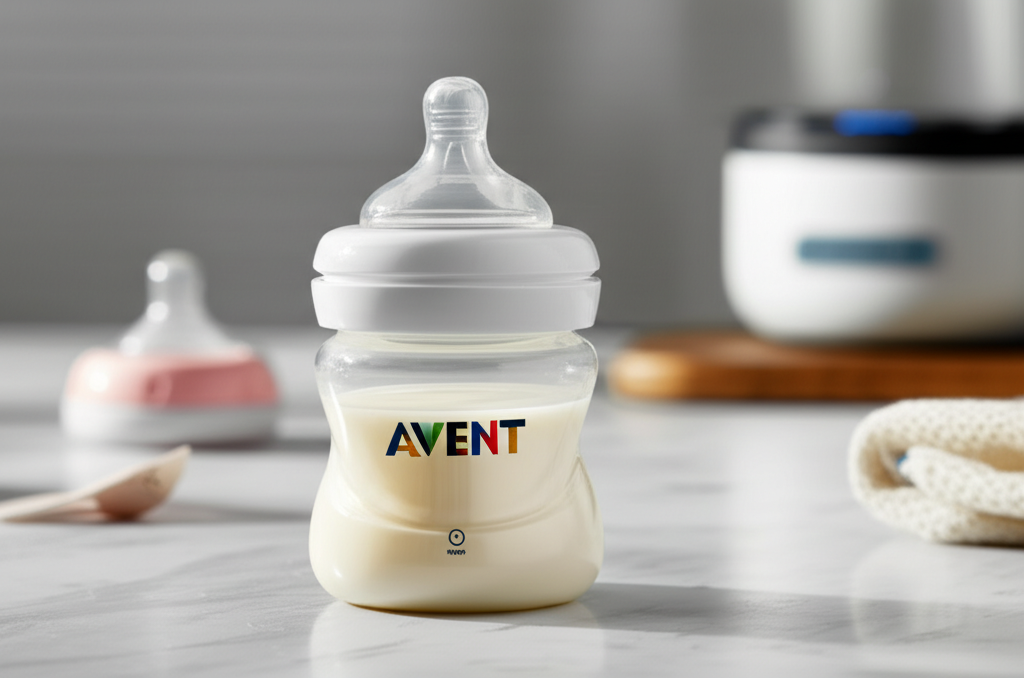
This guide provides a comprehensive look at Avent feeding bottles, covering their benefits, types, cleaning, and troubleshooting to help new parents make informed choices for their baby’s feeding journey.
Navigating the world of baby feeding can feel overwhelming, especially when choosing the right bottles. You want the best for your little one, but the options can be confusing. Many parents find themselves wondering about the best bottle to ease the transition between breast and bottle or to simply ensure a comfortable feeding experience. This guide is here to simplify that process. We’ll explore the popular Avent feeding bottle range, offering clear insights to help you choose, use, and care for them with confidence. Get ready to feel prepared and empowered on your feeding adventure.
Why Choose Avent Feeding Bottles?
Avent feeding bottles are a top choice for many parents due to their thoughtful design and focus on baby comfort. They aim to make bottle-feeding as natural as possible. This often leads to fewer feeding issues and happier babies.
Philips Avent bottles are designed with innovative features to support a positive feeding experience. Their focus on mimicking natural feeding helps reduce common problems like colic and fussiness. This makes them a reliable option for parents seeking ease and effectiveness.
The Philips Avent Natural Range

The Philips Avent Natural bottle range is one of their most popular lines. It’s designed to make switching between breast and bottle easier for your baby. The bottle features a soft, petal-shaped nipple that encourages a natural latch.
This design closely mimics the feel and action of breastfeeding. The wide, breast-shaped nipple allows your baby to grip it naturally. This helps them combine breastfeeding and bottle-feeding seamlessly.
The Philips Avent Anti-Colic Range
For babies prone to colic and gas, the Philips Avent Anti-Colic bottles offer a specialized solution. These bottles feature an advanced valve system designed to reduce air intake. This helps minimize fussing and discomfort after feeding.
The unique AirFree vent is positioned at the top of the bottle. It draws air away from the nipple, preventing your baby from swallowing too much air. This can lead to a more comfortable feeding experience and fewer windy episodes.
Understanding Avent Bottle Nipples
The nipple is a critical component of any feeding bottle. Avent offers a variety of nipple flow rates to suit your baby’s growing needs. Choosing the correct flow rate is essential for a safe and comfortable feeding experience.
Avent nipples are designed with your baby’s development in mind. They come in different shapes and flow rates to accommodate various stages. This ensures your baby can feed effectively as they grow from newborn to toddler.
Avent Nipple Flow Rates Explained
Avent nipples are typically categorized by age and flow rate. Newborns usually start with the slowest flow (0m+ or 1 hole), while older babies will need faster flows (e.g., 3m+ or 3 holes) as they can drink more quickly. Some nipples offer variable flow, allowing you to adjust the rate by turning the bottle.
Stage 1 (0m+): Slowest flow, ideal for newborns.
Stage 2 (1m+): Slightly faster flow for growing babies.
Stage 3 (3m+): Faster flow for babies who can manage it.
Stage 4 (6m+): Fastest flow for older babies and toddlers.
Variable Flow: Allows adjustment of flow rate by turning the bottle.
It’s important to observe your baby during feeding. If they are gulping too quickly or choking, the flow might be too fast. If they are pulling away or seem to be struggling to get milk, the flow might be too slow.
Choosing the Right Nipple for Your Baby
The right nipple flow is crucial for preventing choking and ensuring your baby can feed at their own pace. Always start with the slowest flow and progress as your baby gets older and their sucking skills improve. Premature babies or those with specific medical needs may require even slower flow nipples.
Always consult with your pediatrician if you are unsure about the best nipple flow for your baby. They can provide personalized recommendations based on your baby’s individual needs and developmental stage.
Key Features of Avent Feeding Bottles
Avent bottles are packed with features designed for both baby and parent convenience. These features address common feeding challenges and aim to make the process smoother. From their anti-colic systems to their ergonomic designs, each element serves a purpose.
The thoughtful engineering behind Avent bottles contributes significantly to their popularity. They are designed to minimize air bubbles and support a natural feeding rhythm. This attention to detail makes them a trusted choice for many families.
The AirFree Vent Technology
The innovative AirFree vent is a standout feature in the Avent Anti-Colic bottles. This unique design is specifically engineered to keep the nipple full of milk, not air. This helps reduce the amount of air your baby swallows during feeding.
By keeping air out of the nipple, the AirFree vent helps reduce common feeding issues. These include colic, gas, and reflux. It promotes a more comfortable feeding posture for your baby.
Ergonomic Design for Easy Handling
Avent bottles are designed with a comfortable, ergonomic shape. This makes them easy for parents to hold and feed their baby. The textured surface also provides a secure grip, even when hands are wet or slippery.
The wide neck of the bottles makes them easy to fill and clean. This practical design consideration simplifies the daily routine for busy parents. It ensures that bottle preparation and maintenance are as straightforward as possible.
How to Clean and Sterilize Avent Feeding Bottles
Proper cleaning and sterilization are vital for your baby’s health. Bacteria can easily grow in milk residue, so regular and thorough cleaning is essential. Avent bottles are designed for easy disassembly, making them simple to clean effectively.
Maintaining hygiene with baby bottles is paramount. Following the correct cleaning and sterilization procedures ensures your baby is protected from harmful germs. This simple process can prevent many common infant illnesses.
Daily Cleaning Routine
After each use, disassemble the bottle. Wash all parts – bottle, nipple, ring, and cap – in warm, soapy water. Use a bottle brush to scrub the inside of the bottle and a nipple brush for the nipple. Rinse all parts thoroughly with clean water.
Allow the parts to air dry completely on a clean drying rack. Avoid using cloths that might introduce new germs. Proper daily cleaning prevents milk residue buildup, which is crucial for preventing bacterial growth.
Sterilization Methods for Avent Bottles
Sterilization kills any remaining germs that cleaning might miss. You can sterilize Avent bottles using several methods:
Boiling: Submerge disassembled bottles in boiling water for 5 minutes. Ensure all parts are fully submerged and do not touch the sides of the pot.
Steam Sterilizer: Philips Avent offers electric and microwave steam sterilizers. These are efficient and quick ways to sterilize multiple bottles at once.
Cold Water Sterilizing Solution: Follow the manufacturer’s instructions for using a sterilizing solution. This is a convenient option when boiling or steam sterilizing isn’t feasible.
Sterilize bottles and nipples before the first use and at least once daily thereafter. Continue sterilizing until your baby is at least 12 months old, or as recommended by your pediatrician.
Troubleshooting Common Avent Feeding Bottle Issues
Even with the best bottles, occasional issues can arise. Understanding common problems and their solutions can save you time and frustration. Most issues with Avent bottles are easily resolved with a few simple adjustments or checks.
When you encounter a problem with your Avent bottles, it’s helpful to know where to look for answers. Many issues stem from simple things like nipple flow or vent blockages. Addressing these promptly ensures smooth feeding sessions.
Nipple Collapsing During Feeding
If the nipple collapses inward, it usually means the airflow is insufficient. Check that the AirFree vent (if applicable) is not blocked. Ensure the nipple is not too tight on the bottle ring, which can restrict air entry.
A collapsed nipple can frustrate your baby and disrupt feeding. Make sure all parts are assembled correctly and that the vent is clear. Sometimes, a slightly looser assembly can resolve this.
Baby Experiencing Gas or Spitting Up
If your baby is gassy or spitting up frequently, it might be related to air intake. Ensure you are using the correct nipple flow rate for your baby’s age. Check that the AirFree vent is properly assembled and functioning.
The Anti-Colic bottles are designed to minimize this, but proper technique is also key. Hold your baby in a more upright position during feeding. Burp your baby frequently during and after feeding.
Leaking Bottles
Leaking can occur if the bottle is not assembled correctly or if parts are damaged. Ensure the nipple ring is screwed on tightly but not overtightened. Check that the cap is properly secured.
Inspect all parts for cracks or damage. If any part is damaged, it should be replaced immediately to prevent leaks and ensure hygiene. A damaged bottle part can compromise the seal.
When to Replace Avent Feeding Bottle Parts
Bottle parts, especially nipples, wear out over time. Regular inspection and replacement are essential for hygiene and optimal function. Nipples can degrade with frequent use, washing, and sterilization.
Replacing worn-out parts ensures your baby gets the best feeding experience. It also helps maintain the bottle’s effectiveness in preventing issues like colic. Look for signs of wear and tear regularly.
Signs of Wear and Tear on Nipples
Look closely at the nipple for any signs of damage. This includes thinning, swelling, discoloration, or tears. If you notice any changes, it’s time to replace the nipple immediately.
A damaged nipple can affect the flow rate and potentially harbor bacteria. It may also be a choking hazard for your baby. Always err on the side of caution and replace any suspect nipples.
Recommended Replacement Schedule
While it depends on usage, nipples should generally be replaced every 1-2 months. Bottle parts like rings and caps can last longer but should be inspected regularly. If a bottle component is damaged, replace it immediately.
Following a consistent replacement schedule ensures safety and hygiene. It guarantees that your baby is always using functional and clean feeding equipment. This proactive approach prevents many potential problems.
Avent Bottle Accessories and Compatibility
Philips Avent offers a range of accessories that complement their feeding bottles. These can enhance the feeding experience or make preparation easier. Understanding compatibility ensures you purchase the right items.
Many accessories are designed to work seamlessly with Avent bottles. This allows for a cohesive system that simplifies feeding routines. From sterilizers to bottle warmers, there are options to suit various needs.
Bottle Brushes and Cleaning Tools
Avent offers specialized bottle brushes and nipple brushes. These are designed to effectively clean all parts of the bottle. Their shape and material help reach all nooks and crannies, ensuring thorough cleaning.
Using the right cleaning tools makes the daily task of washing bottles much easier. They are designed to be gentle on the materials while still providing effective cleaning. This ensures longevity of your bottles.
Sterilizers and Dryers
Philips Avent provides electric steam sterilizers and microwave sterilizers. These are highly efficient for killing germs. Some models also include a drying function, making bottles ready for use faster.
These sterilizers are designed to be compatible with Avent bottles and other baby feeding items. They offer a convenient and reliable way to maintain a high level of hygiene for your baby’s feeding equipment.
Bottle Warmers and Insulated Pouches
For parents who want to warm milk quickly and evenly, Avent offers bottle warmers. These devices help prevent nutrient loss that can occur with overheating. Insulated pouches are also available for on-the-go warming.
These accessories are designed to work with the standard Avent bottle shapes. They add another layer of convenience for parents managing feeding schedules throughout the day and night.
Comparing Avent Bottles: Natural vs. Anti-Colic
Choosing between the Avent Natural and Anti-Colic bottles often comes down to your baby’s specific needs. Both ranges are excellent, but they cater to slightly different feeding experiences. Understanding their core differences helps in making the best choice.
The Natural range focuses on mimicking the breast for an easy transition. The Anti-Colic range prioritizes reducing air intake for babies prone to gas. Your baby’s temperament and feeding style will often guide this decision.
Here’s a quick comparison:
| Feature | Avent Natural Bottle | Avent Anti-Colic Bottle |
| :—————– | :—————————————– | :——————————————– |
| Primary Goal | Mimic natural breastfeeding | Reduce colic and gas |
| Nipple Design | Soft, wide, petal-shaped for natural latch | Soft, wide, petal-shaped with AirFree vent |
| Airflow System | Standard | Advanced AirFree vent technology |
| Best For | Breastfed babies, easy transition | Babies prone to colic, gas, reflux, fussiness |
| Ease of Use | Simple assembly, easy to clean | Slightly more parts due to vent system |
Both bottle types are BPA-free and made from high-quality materials. The choice often depends on whether your baby experiences feeding discomfort. If they do, the Anti-Colic might offer more relief.
Frequently Asked Questions about Avent Feeding Bottles
Can I mix and match Avent bottle parts?
Yes, most Philips Avent Natural and Anti-Colic bottle parts are interchangeable within their respective ranges. For example, Natural nipples fit Natural bottles, and Anti-Colic nipples fit Anti-Colic bottles. However, it’s best to stick to parts designed for the same bottle type for optimal performance.
How often should I replace Avent nipples?
It is generally recommended to replace Avent nipples every 1 to 2 months, or sooner if you notice any signs of wear and tear such as thinning, swelling, or tears. Frequent use and sterilization can degrade the material over time.
Are Avent feeding bottles BPA-free?
Yes, all Philips Avent feeding bottles and their components are made from BPA-free materials, ensuring the safety of your baby. This is a standard safety feature across their entire range of baby feeding products.
What is the difference between Avent Natural and Anti-Colic bottles?
The Avent Natural bottles are designed to mimic breastfeeding with a wide, breast-shaped nipple for a natural latch. The Avent Anti-Colic bottles feature an AirFree vent system to reduce air intake, helping to prevent colic and fussiness.
How do I prevent my Avent bottle from leaking?
Ensure all parts are assembled correctly and the nipple ring is screwed on tightly but not overtightened. Check for any damage to the bottle, nipple, or ring. Also, ensure the cap is properly secured after feeding.
Can I use Avent bottles for formula or breast milk?
Absolutely. Avent feeding bottles are suitable for both expressed breast milk and infant formula. Their design aims to provide a comfortable feeding experience regardless of the milk type.
Conclusion
Choosing the right feeding bottle is a significant step in your baby’s early development. The Philips Avent feeding bottle range offers well-designed options to support both breastfed and formula-fed babies. Whether you opt for the natural feel of the Natural bottles or the colic-reducing benefits of the Anti-Colic line, Avent prioritizes your baby’s comfort and well-being. By understanding the features, proper cleaning, and when to replace parts, you can confidently navigate your feeding journey. With Avent, you’re choosing a trusted partner for those precious feeding moments.

Belayet Hossain is a Senior Tech Expert and Certified AI Marketing Strategist. Holding an MSc in CSE (Russia) and over a decade of experience since 2011, he combines traditional systems engineering with modern AI insights. Specializing in Vibe Coding and Intelligent Marketing, Belayet provides forward-thinking analysis on software, digital trends, and SEO, helping readers navigate the rapidly evolving digital landscape. Connect with Belayet Hossain on Facebook, Twitter, Linkedin or read my complete biography.