
Published on: 06/11/2025 | Updated on: November 6, 2025
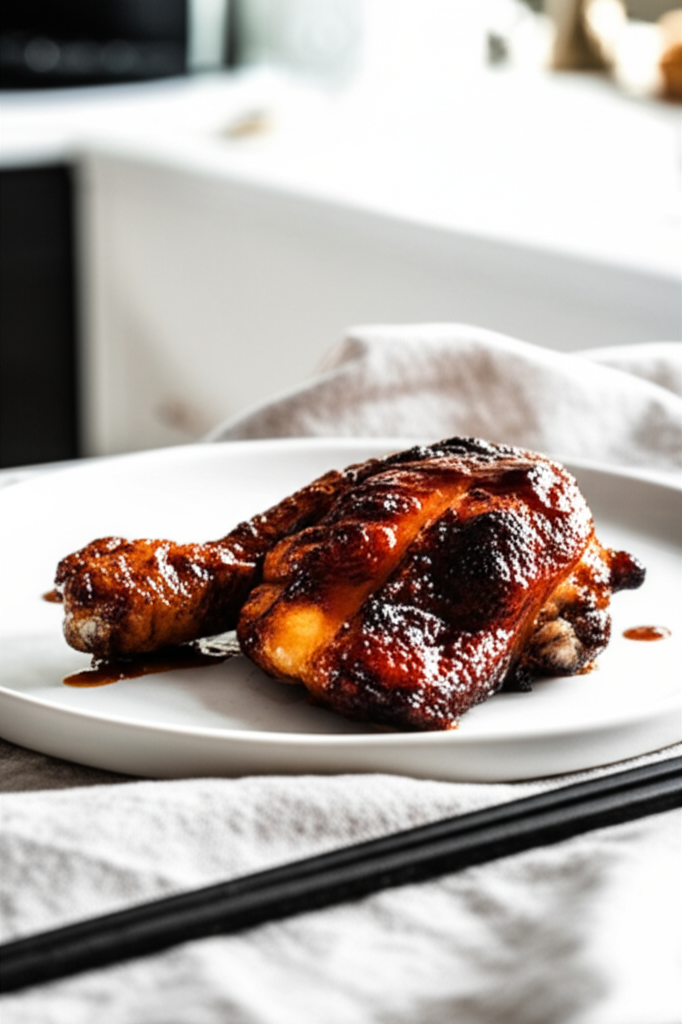
Master the art of baked teriyaki chicken with this essential recipe, delivering tender, flavorful results perfect for busy weeknights and impressing guests. This guide simplifies the process, ensuring delicious, restaurant-quality teriyaki chicken right from your oven.
Are you tired of takeout menus and last-minute dinner scrambles? Finding a go-to recipe that’s both simple and incredibly satisfying can feel like a quest. Many people struggle with dry chicken or bland sauces, wishing for that perfect balance of sweet, savory, and umami. This guide is here to change that by providing a foolproof method for baked teriyaki chicken. Get ready to unlock a new favorite meal that’s surprisingly easy to make.
Why Baked Teriyaki Chicken is a Weeknight Winner
Baked teriyaki chicken is a weeknight winner because it offers a fantastic balance of convenience, flavor, and health. The oven does most of the work, freeing you up for other tasks. It’s a versatile dish that appeals to a wide range of tastes, making it a reliable option for families and individuals alike.
This recipe simplifies the process of creating a delicious meal. You get tender, juicy chicken coated in a rich teriyaki glaze without the fuss of stovetop frying or marinating for hours.
Understanding the Perfect Teriyaki Glaze
The heart of any teriyaki dish lies in its glaze. A truly great teriyaki glaze is a harmonious blend of sweet and savory, with a touch of umami depth. It should coat the chicken beautifully without being too sticky or too watery.
Achieving this balance is key to delicious baked teriyaki chicken. We will explore the essential components of a classic teriyaki sauce and how they work together to create a mouthwatering coating.
Key Teriyaki Glaze Ingredients

A classic teriyaki glaze typically includes soy sauce, mirin, sake, and sugar. These ingredients provide the foundational sweet and savory notes. Additional elements like ginger and garlic can add aromatic complexity.
Soy Sauce: The salty, umami base.
Mirin: Sweet rice wine that adds sweetness and shine.
Sake: Japanese rice wine that tenderizes the chicken and adds depth.
Sugar: Balances the saltiness and helps with caramelization.
Ginger & Garlic: For aromatic depth and a hint of spice.
The Science of Glaze Consistency
Glaze consistency is crucial for baked teriyaki chicken. Too thin, and it won’t adhere well; too thick, and it can burn. A gentle simmer allows the ingredients to meld and thicken slightly.
This controlled thickening process ensures the glaze coats the chicken evenly. It then caramelizes in the oven, creating a delectable, slightly sticky exterior.
Choosing the Best Chicken Cuts for Baking
Not all chicken cuts are created equal when it comes to baking. For baked teriyaki chicken, selecting the right cut ensures maximum flavor and tenderness. Thighs are generally more forgiving and moist, while breasts offer a leaner option.
Consider your preference for texture and cooking time when making your selection. Both can yield excellent results with the right approach.
Chicken Thighs: The Juicier Choice
Chicken thighs, especially boneless, skinless thighs, are a fantastic choice for baked teriyaki chicken. Their higher fat content makes them more resistant to drying out, ensuring a juicy outcome. They also absorb marinades and glazes exceptionally well.
The natural richness of thighs complements the sweet and savory teriyaki sauce beautifully. This makes them a favorite for many home cooks seeking foolproof flavor.
Chicken Breasts: The Leaner Alternative
Boneless, skinless chicken breasts are a popular lean protein option. While they can dry out if overcooked, they are excellent at soaking up flavors. Using a marinade or ensuring they are not overcooked is key to success.
To prevent dryness, consider pounding them to an even thickness or using a quick brine. This ensures they cook through evenly and remain moist within the teriyaki glaze.
The Ultimate Baked Teriyaki Chicken Recipe
This recipe focuses on creating tender, flavorful baked teriyaki chicken with minimal effort. It’s designed for ease and deliciousness, perfect for any home cook. Follow these steps for a guaranteed win.
Ingredients You’ll Need
Gathering your ingredients beforehand makes the cooking process smooth. This list covers everything for the chicken and the essential teriyaki glaze.
1.5 lbs boneless, skinless chicken thighs or breasts
1/4 cup soy sauce (low sodium recommended)
1/4 cup mirin
2 tablespoons sake (optional, or substitute with water)
2 tablespoons brown sugar
1 teaspoon grated fresh ginger
1 clove garlic, minced
1 teaspoon sesame oil
Sesame seeds and chopped green onions for garnish (optional)
Step-by-Step Baking Instructions
Follow these simple steps to achieve perfectly baked teriyaki chicken. The process is straightforward and yields impressive results.
1. Preheat and Prep: Preheat your oven to 400°F (200°C). Line a baking sheet with parchment paper or foil for easy cleanup.
2. Prepare the Chicken: If using chicken breasts, pound them to an even 1/2-inch thickness. Cut chicken thighs into bite-sized pieces if desired.
3. Make the Glaze: In a small saucepan, combine soy sauce, mirin, sake (if using), brown sugar, grated ginger, and minced garlic. Heat over medium heat, stirring until the sugar dissolves. Bring to a gentle simmer and cook for 3-5 minutes, until slightly thickened. Stir in the sesame oil.
4. Coat the Chicken: Place the chicken in a bowl. Pour about half of the teriyaki glaze over the chicken and toss to coat evenly. Reserve the remaining glaze.
5. Arrange and Bake: Arrange the coated chicken in a single layer on the prepared baking sheet. Bake for 15-20 minutes for breasts, or 20-25 minutes for thighs, or until cooked through and juices run clear.
6. Glaze and Finish: Remove the chicken from the oven. Brush the reserved teriyaki glaze generously over the chicken pieces. Return to the oven for another 2-3 minutes to allow the glaze to caramelize slightly.
7. Serve: Garnish with sesame seeds and chopped green onions, if desired. Serve hot with your favorite sides.
This recipe ensures your baked teriyaki chicken is moist and flavorful. The double glazing technique creates a beautifully caramelized finish that elevates the dish.
Tips for Achieving Restaurant-Quality Results
Elevating your baked teriyaki chicken from good to great involves a few key techniques. These tips help enhance flavor, texture, and presentation, making your homemade version rival any restaurant.
Paying attention to small details can make a significant difference. These insights are born from countless hours testing recipes and understanding what makes a dish truly shine.
Don’t Skip the Glaze Caramelization
The final brush of glaze and short broil or bake is essential. This step caramelizes the sugars in the teriyaki sauce, creating a glossy, slightly sticky, and deeply flavorful crust. It’s this caramelized finish that gives teriyaki its signature appeal.
This quick burst of heat transforms the sauce, adding a delightful texture contrast to the tender chicken. It’s a simple step that yields a dramatic improvement in taste and appearance.
Marinating for Deeper Flavor
While this recipe uses a glaze applied during cooking, marinating can further enhance flavor. A short marination (30 minutes to 2 hours) in a portion of the teriyaki sauce allows the chicken to absorb more of the savory-sweet notes. Ensure you don’t marinate for too long, especially with acidic ingredients, as it can alter the texture.
This extra step is particularly beneficial if you prefer a more intense teriyaki flavor profile. It ensures the deliciousness penetrates every bite.
Essential Tools for Perfect Baked Teriyaki Chicken
Having the right tools can make cooking more enjoyable and efficient. For baked teriyaki chicken, a few basic kitchen items will ensure success. These are standard tools found in most kitchens.
These items are not specialized but are crucial for a smooth cooking experience. They help ensure even cooking and easy handling of ingredients.
Baking Sheet: A sturdy baking sheet is essential for even heat distribution.
Parchment Paper or Foil: For easy cleanup and to prevent sticking.
Small Saucepan: To prepare the teriyaki glaze.
Whisk: For smoothly combining glaze ingredients.
Tongs: To safely handle and toss the chicken.
Measuring Cups and Spoons: For accurate ingredient measurements.
* Grater/Garlic Press: For fresh ginger and garlic.
Serving Suggestions and Pairings
Baked teriyaki chicken is incredibly versatile and pairs well with a variety of side dishes. The rich, savory-sweet flavor profile complements many cuisines. Consider these popular options for a complete meal.
The right accompaniments can transform a simple chicken dish into a balanced and satisfying feast. Think about contrasting textures and complementary flavors.
Classic Rice and Vegetable Pairings
Steamed white or brown rice is a natural partner for teriyaki chicken, soaking up any extra glaze. For vegetables, steamed broccoli, green beans, or snap peas offer a fresh, crisp contrast. Asparagus also works wonderfully, roasted alongside the chicken or steamed separately.
These simple pairings create a well-rounded meal that is both nutritious and delicious. They are easy to prepare and allow the teriyaki chicken to be the star.
Creative Side Dish Ideas
Beyond the basics, explore other options like a simple Asian-inspired slaw with a light vinaigrette, or quinoa for a protein-packed alternative to rice. Roasted sweet potatoes offer a different kind of sweetness that can beautifully complement the teriyaki flavor. Consider adding a side of pickled ginger or cucumber salad for a refreshing palate cleanser.
These creative choices add an exciting twist to your meal, catering to diverse tastes and dietary preferences. They showcase the adaptability of baked teriyaki chicken.
Troubleshooting Common Issues
Even with a great recipe, occasional issues can arise. Knowing how to troubleshoot common problems ensures you always achieve delicious baked teriyaki chicken. These solutions address frequent concerns.
Don’t let minor setbacks deter you from enjoying this fantastic dish. These quick fixes will help you get back on track.
Dry or Overcooked Chicken
The most common issue is dry chicken, especially with breasts. This usually happens from overcooking. To avoid this, use a meat thermometer to check for an internal temperature of 165°F (74°C) for breasts and 170°F (77°C) for thighs.
Alternatively, consider using chicken thighs, which are more forgiving. If breasts are already cooked, try tossing them in a bit more sauce or a splash of broth to add moisture.
Glaze Too Thin or Too Thick
If your glaze is too thin, simmer it for a few more minutes until it reaches your desired consistency. If it’s too thick, you can thin it out with a tablespoon of water, sake, or mirin. Adjusting the consistency before applying it to the chicken is key.
The right thickness ensures the glaze adheres well and caramelizes properly. A little patience during the sauce-making process pays off.
Chicken Not Browning/Caramelizing
Ensure your oven is at the correct temperature and preheated fully. For extra caramelization, you can briefly place the chicken under the broiler for 1-2 minutes at the end of cooking, watching it very closely to prevent burning. Using a bit more sugar in the glaze can also help with browning.
This step adds that irresistible glossy sheen and depth of flavor. It’s worth the extra attention for a truly spectacular finish.
Frequently Asked Questions about Baked Teriyaki Chicken
Can I use store-bought teriyaki sauce?
Yes, you can use store-bought teriyaki sauce in a pinch. However, making your own glaze allows for better control over sweetness and saltiness, and often results in a fresher flavor.
How long does baked teriyaki chicken last in the refrigerator?
Baked teriyaki chicken will last for about 3-4 days when stored in an airtight container in the refrigerator. Ensure it cools completely before storing.
Can I marinate the chicken overnight?
It’s generally not recommended to marinate chicken for more than 2-4 hours, especially if the marinade contains acidic ingredients like soy sauce. Over-marinating can make the chicken mushy.
What are the best chicken cuts for this recipe?
Boneless, skinless chicken thighs are ideal for their juiciness and flavor. Boneless, skinless chicken breasts are a leaner option but require careful cooking to avoid drying out.
Can I make this recipe gluten-free?
Yes, you can make this recipe gluten-free by using tamari or a gluten-free soy sauce alternative. Ensure your mirin and sake are also gluten-free if necessary.
Can I freeze baked teriyaki chicken?
Yes, baked teriyaki chicken can be frozen. Allow it to cool completely, then store it in freezer-safe containers or bags for up to 2-3 months. Thaw in the refrigerator and reheat gently.
Conclusion
Mastering baked teriyaki chicken is within your reach with this essential recipe. You’ve learned how to create a balanced, flavorful glaze, select the best chicken cuts, and execute a simple baking process. From understanding glaze consistency to troubleshooting common issues, this guide provides all you need for success. Enjoy the delightful taste of homemade teriyaki chicken, a perfect addition to your meal rotation.
This reliable baked teriyaki chicken recipe is your key to effortless, delicious meals. It’s a testament to how simple ingredients and straightforward techniques can yield extraordinary results, making dinner a joy rather than a chore.

Belayet Hossain is a Senior Tech Expert and Certified AI Marketing Strategist. Holding an MSc in CSE (Russia) and over a decade of experience since 2011, he combines traditional systems engineering with modern AI insights. Specializing in Vibe Coding and Intelligent Marketing, Belayet provides forward-thinking analysis on software, digital trends, and SEO, helping readers navigate the rapidly evolving digital landscape. Connect with Belayet Hossain on Facebook, Twitter, Linkedin or read my complete biography.