
Published on: 06/11/2025 | Updated on: November 6, 2025
Baking frozen cookie dough is simple with these essential tips. Learn how to get perfectly baked cookies from the freezer, avoiding common mistakes for chewy or crispy delights.
Craving warm, gooey cookies but short on time? The solution is often sitting in your freezer: frozen cookie dough. Many home bakers hesitate, unsure if they can achieve bakery-quality results from pre-portioned dough. This guide demystifies the process, transforming your frozen dough into a batch of perfect cookies, whether you prefer them chewy or crisp. I’ll share genius tips to overcome common frustrations and ensure delicious success.
Why Baking Frozen Cookie Dough is a Smart Choice
Baking frozen cookie dough offers unparalleled convenience and consistency. It allows you to bake a few cookies at a time, perfectly satisfying a craving without baking an entire batch. This method also minimizes cleanup and ensures you always have a ready supply of delicious treats.
Understanding Your Frozen Cookie Dough
Frozen cookie dough comes in various forms, from store-bought rolls to homemade balls. Each type has unique characteristics that affect baking time and texture. Knowing what you’re working with helps tailor your approach for the best results.
Types of Frozen Cookie Dough

Store-bought dough often comes in pre-portioned discs or logs. Homemade dough is typically frozen in individual balls after being scooped. The fat content and ingredients in your specific dough will influence how it spreads and bakes.
Essential Tools for Baking Frozen Cookies
You don’t need fancy equipment to bake frozen cookie dough successfully. Basic kitchen tools are usually all that’s required. Having these ready makes the baking process smooth and efficient.
Baking sheets
Parchment paper or silicone baking mats
Oven mitts
Cooling rack
Measuring cups and spoons (if adding extras)
Prepping Your Frozen Cookie Dough
The key to baking frozen cookie dough lies in a few simple preparation steps. These ensure your cookies bake evenly and achieve the desired texture. Proper preparation prevents common pitfalls like burnt bottoms or undercooked centers.
To Thaw or Not to Thaw? The Great Debate
Generally, it’s best to bake frozen cookie dough directly from frozen. Thawing can cause the dough to spread too much, leading to flatter, less chewy cookies. Baking from frozen helps maintain the dough’s shape and structure.
Arranging Dough on the Baking Sheet
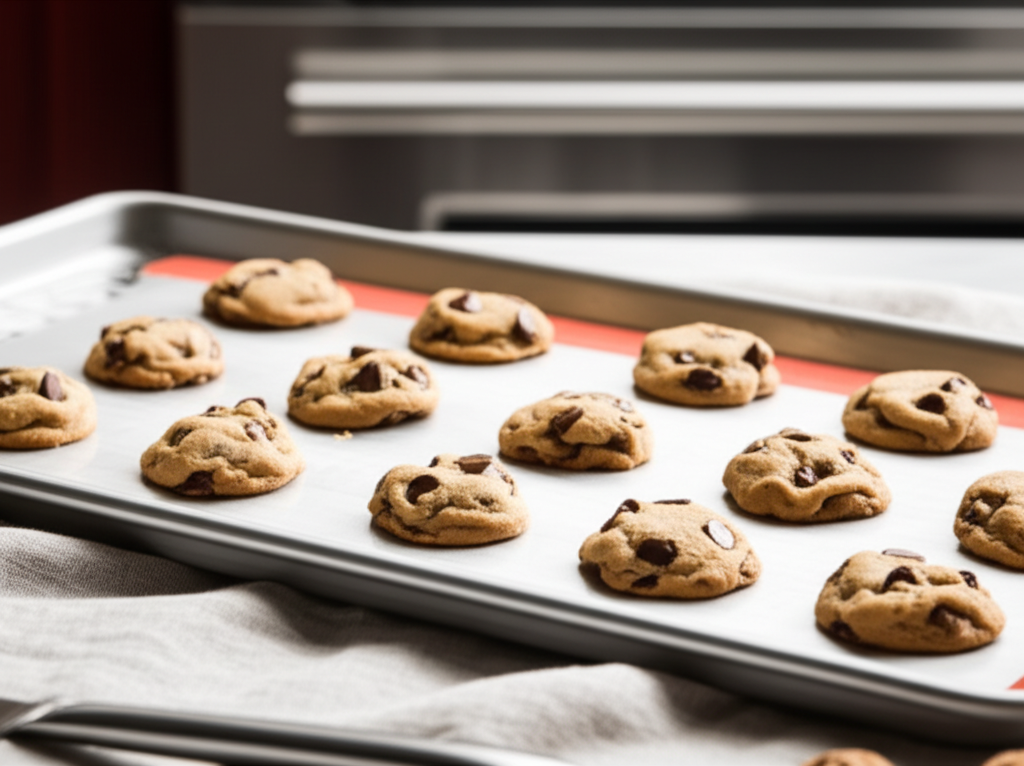
Give your frozen cookie dough balls ample space on the baking sheet. They will spread as they bake, and overcrowding can lead to cookies merging together. Aim for at least two inches between each cookie.
The Perfect Baking Temperature and Time
Achieving the ideal cookie texture hinges on precise temperature and timing. Frozen cookie dough often requires a slightly longer baking time than fresh dough. Monitoring closely is crucial.
Finding the Right Oven Temperature
Most recipes for baking frozen cookie dough suggest a temperature between 350°F (175°C) and 375°F (190°C). Always refer to the packaging if using store-bought dough, as it’s often formulated for specific temperatures. Ensure your oven is fully preheated.
Calculating Baking Time
Frozen cookie dough typically bakes for 10-15 minutes. The exact time depends on the size of your cookies and your oven’s performance. Look for edges that are set and lightly golden brown.
Signs Your Frozen Cookies Are Ready
Knowing when to pull your cookies from the oven is an art. Overbaking leads to dry, hard cookies, while underbaking can result in a doughy center. Watch for visual cues.
Edges: They should appear set and lightly golden.
Center: The center might still look slightly soft or underdone. This is okay, as the cookies will continue to bake on the hot sheet.
Surface: The surface should look mostly dry, not wet or glossy.
Cooling Your Perfectly Baked Frozen Cookies
The cooling process is as vital as the baking itself. It allows the cookies to set up properly, achieving their final texture. Rushing this step can lead to crumbly or misshapen cookies.
Initial Cooling on the Baking Sheet
Let the cookies cool on the baking sheet for 2-5 minutes after removing them from the oven. This allows them to firm up enough to be moved without falling apart. The residual heat continues to cook them gently.
Transferring to a Cooling Rack
Use a spatula to carefully transfer the cookies to a wire cooling rack. This allows air to circulate around them, preventing the bottoms from becoming soggy. Cool them completely before storing.
Troubleshooting Common Baking Frozen Cookie Dough Issues
Even with the best tips, occasional problems can arise. Understanding common issues and their solutions ensures you can salvage your batch and learn for next time. These fixes are simple and effective.
Cookies Spreading Too Much
If your cookies are spreading excessively, it might be due to a few factors. Ensure your oven temperature is accurate; too low a temperature can cause spreading. Also, try chilling the dough balls for 10-15 minutes before baking.
Cookies Not Spreading Enough
Conversely, if your cookies remain too thick and don’t spread, the oven might be too hot. This can set the edges too quickly. You might also consider adding a tiny bit more butter or liquid to your dough recipe next time.
Cookies Burning on the Bottom
Burning on the bottom often happens when the oven rack is too low, or the baking sheet is too thin. Using a light-colored baking sheet and lining it with parchment paper or a silicone mat can help. Try placing a second baking sheet on the rack below the one with the cookies.
Advanced Tips for Next-Level Frozen Cookie Baking
Once you’ve mastered the basics of baking frozen cookie dough, you can elevate your creations. These advanced techniques add extra flavor and texture. They are simple additions that make a big difference.
Adding Mix-Ins
You can add chocolate chips, nuts, or sprinkles to your frozen dough balls. Gently press them into the surface of the dough before baking. For best results, use room-temperature mix-ins so they don’t further chill the dough.
Enhancing Flavor and Texture
A sprinkle of sea salt on top of the cookies just before baking can enhance sweetness and add a delightful crunch. For chewier cookies, slightly underbake them. For crispier cookies, bake a minute or two longer.
Frequently Asked Questions About Baking Frozen Cookie Dough
Here are answers to some common questions beginner bakers have about working with frozen cookie dough. These address concerns that often come up during the baking process.
Can I bake frozen cookie dough without parchment paper?
Yes, you can bake frozen cookie dough without parchment paper, but it’s not ideal. Parchment paper prevents sticking, ensures even baking, and makes cleanup easier. If you don’t have it, lightly grease your baking sheet.
How do I store leftover frozen cookie dough?
Store leftover frozen cookie dough in an airtight container or freezer bag in the freezer. It can last for up to 3 months. Ensure it is well-wrapped to prevent freezer burn.
Why are my frozen cookies flat?
Flat cookies often result from over-spreading. This can happen if the dough is too warm, the oven temperature is too low, or there isn’t enough flour. Baking from frozen and ensuring proper spacing helps.
Can I refreeze thawed cookie dough?
It’s generally not recommended to refreeze thawed cookie dough. Refreezing can affect the texture and flavor of the cookies, making them dry or crumbly. It’s best to bake it once it has thawed.
What’s the difference between baking frozen and fresh cookie dough?
Frozen dough bakes more slowly, helping it retain its shape and often leading to a chewier cookie. Fresh dough tends to spread more and can bake faster, potentially yielding a crispier cookie. The key is adjusting baking time and temperature.
Conclusion
Baking frozen cookie dough is a wonderfully convenient way to enjoy fresh-baked cookies anytime. By following these genius, essential tips—from proper preparation and temperature control to mindful cooling—you can consistently achieve delicious results. Whether you love a chewy center or a crisp edge, these techniques will help your frozen dough transform into perfect cookies every time.
FAQ
How long does frozen cookie dough last?
Frozen cookie dough, if stored properly in an airtight container, can last up to three months in the freezer. Beyond this, quality may start to decline, though it may still be safe to bake.
Can I add chocolate chips to frozen cookie dough?
Absolutely! You can add chocolate chips, nuts, or sprinkles to frozen cookie dough balls before baking. Gently press them onto the surface of the dough for best integration.
What temperature should I bake frozen cookie dough at?
Most frozen cookie dough bakes best at 350°F (175°C) or 375°F (190°C). Always check the specific packaging instructions for store-bought dough, as they are often optimized for a particular temperature.
How do I know when frozen cookies are done baking?
Look for cookies with set edges that are lightly golden brown. The centers may still appear slightly soft, which is ideal as they will continue to bake on the hot sheet. Avoid overbaking to keep them from becoming dry.
What if my frozen cookies spread too much?
Excessive spreading can be due to a low oven temperature or warm dough. Try preheating your oven accurately, baking from frozen, and ensuring adequate space between cookies on the baking sheet. Chilling the dough for 10-15 minutes before baking can also help.

Belayet Hossain is a Senior Tech Expert and Certified AI Marketing Strategist. Holding an MSc in CSE (Russia) and over a decade of experience since 2011, he combines traditional systems engineering with modern AI insights. Specializing in Vibe Coding and Intelligent Marketing, Belayet provides forward-thinking analysis on software, digital trends, and SEO, helping readers navigate the rapidly evolving digital landscape. Connect with Belayet Hossain on Facebook, Twitter, Linkedin or read my complete biography.