
Published on: 06/11/2025 | Updated on: November 6, 2025
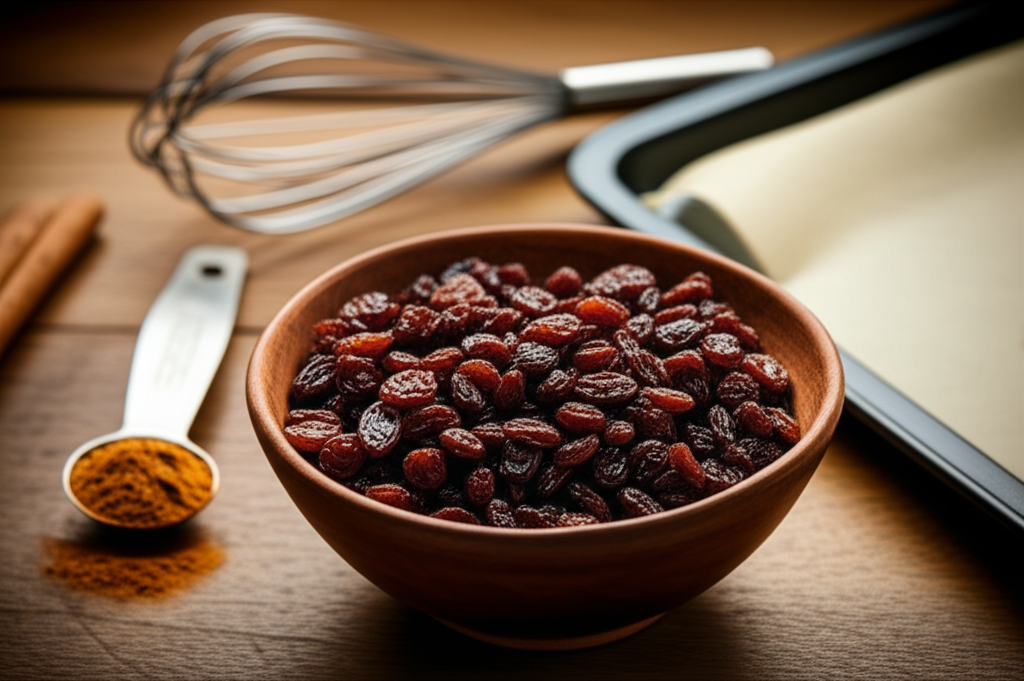
Master the art of baking with raisins using these essential and irresistible tips. Learn how to select, prepare, and incorporate them for delicious baked goods every time.
Baking with raisins can sometimes lead to dry, hard little nuggets in your otherwise perfect cookies or cakes. This common frustration often stems from a few overlooked steps. Many home bakers wonder why their raisins turn out less than ideal. This guide will demystify the process, offering simple yet effective solutions. Get ready to elevate your baking with plump, flavorful raisins that enhance every bite.
Why Your Baking Raisins Might Be a Little Off
Often, the culprit behind subpar baking raisins is simply a lack of proper preparation. Raisins are dried grapes, and without the right approach, they can absorb moisture from your dough or batter, becoming tough. Alternatively, they might not rehydrate enough, leading to an unpleasant texture. Understanding these basic principles is key to achieving delightful results.
Choosing the Best Raisins for Baking
The type of raisin you select can significantly impact your baked goods. Golden raisins offer a milder, sweeter flavor, while traditional dark raisins provide a more intense, robust taste. Thompson Seedless raisins are a popular all-around choice for their balance of sweetness and texture. Consider the flavor profile of your recipe when making your selection.
The Secret to Plump Baking Raisins: Soaking Techniques
Rehydrating your raisins before baking is a game-changer for achieving that perfect, chewy texture. A simple soak in warm liquid for about 10-15 minutes can make all the difference. This step ensures they remain moist and tender throughout the baking process. It’s a small effort for a huge improvement in your finished products.
Warm Water Soak

A basic warm water soak is the most straightforward method. Place your raisins in a bowl and cover them with warm water. Let them sit for about 15 minutes, then drain them thoroughly before adding them to your batter or dough. This gentle rehydration prevents them from becoming tough.
Juice or Liquor Soak
For an extra layer of flavor, consider soaking raisins in fruit juice or a complementary liquor. Apple juice, orange juice, or even a splash of rum or brandy can infuse the raisins with delicious notes. Ensure the liquid is at room temperature or slightly warm, and drain well before use. This adds a sophisticated touch to your baking.
To Toss or Not to Toss? Flour Coating for Baking Raisins
Coating your plumped raisins in a little flour before adding them to your dough is a classic baker’s trick. This light dusting prevents them from sinking to the bottom of your batter during baking. It helps distribute them evenly throughout your treats, ensuring a delightful bite in every piece.
The Right Temperature Matters for Baking Raisins
Baking temperature plays a crucial role in how your raisins behave. If your oven is too hot, the sugars in the raisins can caramelize too quickly, leading to a burnt or overly hard texture. A moderate baking temperature ensures the raisins heat through gently and remain soft. Always preheat your oven accurately.
Integrating Raisins into Your Favorite Recipes
Raisins are incredibly versatile and can enhance a wide range of baked goods. They add a natural sweetness and chewy texture to cookies, muffins, scones, and bread. Consider how their flavor complements other ingredients in your recipe for the best results. Don’t be afraid to experiment with different types of raisins.
Cookies and Biscuits
In cookies and biscuits, plumped and lightly floured raisins add bursts of sweetness and chewiness. They pair wonderfully with spices like cinnamon and nutmeg, as well as nuts like walnuts or pecans. Ensure they are evenly distributed for a consistent flavor in every bite.
Muffins and Scones
Raisins are a natural fit for muffins and scones, adding moisture and flavor. A soak in orange juice before adding them to a scone batter can create a delightful citrus-raisin combination. They provide a welcome contrast to the crumbly texture of these baked goods.
Bread and Cakes
From cinnamon raisin bread to fruitcakes, raisins bring a rustic charm and satisfying chew. In cakes, they can add pockets of sweetness and moisture. For breads, they provide a delightful counterpoint to the yeasty dough.
Common Pitfalls to Avoid with Baking Raisins
Avoiding common mistakes ensures your baking with raisins is always a success. Over-soaking can make them too mushy, while not soaking at all can leave them hard. Ensure your raisins are well-drained after soaking to prevent excess moisture from affecting your dough’s consistency. Pay attention to these details for optimal texture.
Troubleshooting Dry or Hard Baking Raisins
If your raisins consistently turn out dry or hard, the most likely cause is insufficient rehydration or excessive baking time. Try soaking them for a slightly longer period or at a warmer temperature. You can also reduce your baking time slightly, checking for doneness more frequently. A little adjustment can make a big difference.
Enhancing Flavor: Beyond Basic Soaking
To elevate your baking, consider infusing raisins with complementary flavors during the soaking process. A few drops of vanilla extract or a pinch of cinnamon can add wonderful depth. For a more adult-oriented treat, a splash of bourbon or dark rum adds a rich, warm note. These small additions create memorable flavor profiles.
Frequently Asked Questions About Baking Raisins
How long should I soak raisins for baking?
Soak raisins for about 10-15 minutes in warm liquid until they are plump. Avoid over-soaking, which can make them mushy.
Can I use raisins directly from the box in my baking?
While you can, it’s highly recommended to soak them first. This ensures they remain moist and don’t dry out your baked goods.
What happens if I don’t flour my raisins?
Unfloured raisins may sink to the bottom of your batter during baking, resulting in uneven distribution.
Can I substitute other dried fruits for raisins?
Yes, you can substitute other dried fruits like cranberries, currants, or chopped dates. Adjust sweetness and soaking times as needed.
How do I prevent raisins from burning in cookies?
Ensure your oven temperature is moderate and consider soaking the raisins first. Lightly flouring them also helps.
Can I soak raisins in cold water?
Yes, you can soak them in cold water, but it will take longer, often 30 minutes or more, to achieve plumpness. Warm liquid is generally faster.
Conclusion: Irresistible Baking with Perfectly Prepared Raisins
Mastering the art of baking raisins unlocks a world of delicious possibilities. By understanding the simple yet crucial steps of selection, soaking, and preparation, you can transform ordinary baked goods into irresistible treats. These essential tips ensure your raisins are plump, flavorful, and perfectly integrated, adding that sought-after chewiness and sweetness. Embrace these techniques, and enjoy consistently delightful results in all your baking endeavors.

Belayet Hossain is a Senior Tech Expert and Certified AI Marketing Strategist. Holding an MSc in CSE (Russia) and over a decade of experience since 2011, he combines traditional systems engineering with modern AI insights. Specializing in Vibe Coding and Intelligent Marketing, Belayet provides forward-thinking analysis on software, digital trends, and SEO, helping readers navigate the rapidly evolving digital landscape. Connect with Belayet Hossain on Facebook, Twitter, Linkedin or read my complete biography.