
Published on: 06/11/2025 | Updated on: November 6, 2025
This guide unlocks the secrets to the perfect baklava dessert, from its rich history and regional variations to tips for ordering and enjoying this irresistible pastry. Discover what makes baklava a global favorite and how to find the best versions near you.
Craving a truly special sweet treat? Baklava dessert might be the answer, but navigating its many forms can be tricky. Many people struggle to identify authentic baklava or find reliable places to order it. This guide will simplify everything, showing you how to appreciate and enjoy this layered delight. Get ready to explore the delicious world of baklava!
What is Baklava Dessert? A Sweet Introduction
Baklava is a rich, sweet dessert pastry made of layers of filo dough filled with chopped nuts and sweetened and held together with syrup or honey. It is a popular dessert among many cuisines in the Middle East and the Balkans. Its origins trace back centuries, making it a truly ancient and beloved confection.
This layered pastry is known for its delicate crunch and intensely sweet, nutty flavor. The careful construction and quality ingredients are key to a memorable baklava experience. Understanding its basics is the first step to truly savoring this iconic dessert.
The Delicious Layers: Understanding Baklava’s Anatomy

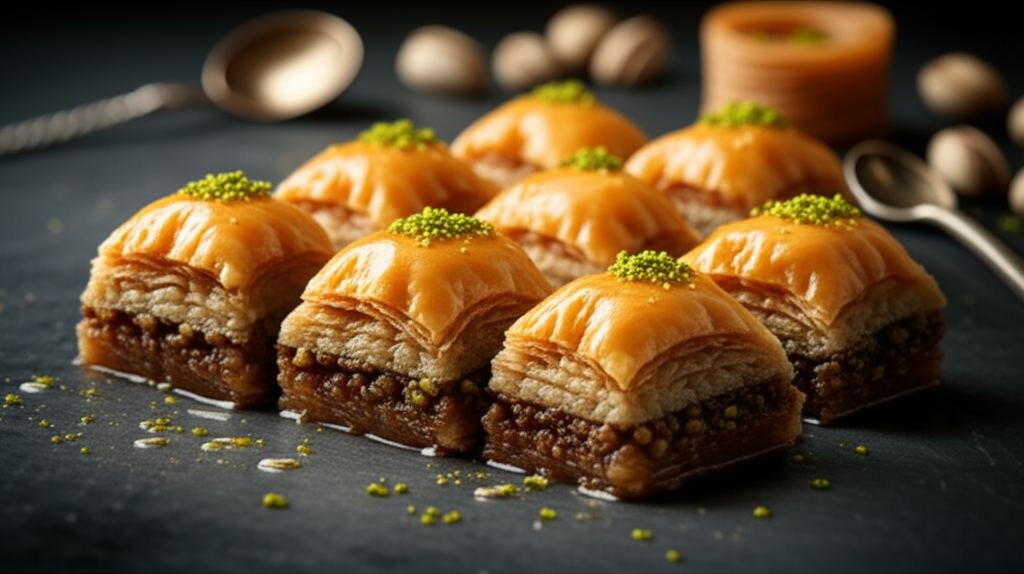
At its heart, baklava is a masterpiece of texture and taste. Thin sheets of filo dough, brushed with butter or oil, form the foundation. These layers are then generously filled with a mixture of finely chopped nuts, typically walnuts or pistachios.
The magic happens during baking, where the filo becomes golden and crisp. A sweet syrup, often infused with lemon or rosewater, is poured over the hot pastry, soaking in to create a moist, decadent finish. This interplay of crisp dough, crunchy nuts, and sticky syrup is what makes baklava so unique.
Filo Dough: The Delicate Foundation
Filo, or phyllo, dough is incredibly thin, unleavened dough. It’s stretched so thin that you can see through it. This thinness is crucial for achieving baklava’s signature flaky, crispy texture.
Making filo dough at home is a painstaking process requiring great skill. Most people rely on store-bought filo for convenience, which still yields excellent results with careful handling. Proper preparation prevents it from drying out too quickly.
Nut Fillings: The Heart of the Flavor
The type and preparation of nuts significantly impact baklava’s taste. Walnuts and pistachios are the most common choices, offering distinct flavors and textures. Some recipes might include almonds or even hazelnuts for variation.
The nuts are usually finely chopped and mixed with spices like cinnamon or cardamom. This nut mixture provides a satisfying chewiness and a rich, earthy counterpoint to the sweetness. The quality of the nuts directly translates to the final dessert’s appeal.
Syrup & Sweeteners: The Sticky Sweetness
The sweet syrup is what binds the baklava together and provides its characteristic moistness and intense sweetness. A simple syrup made from sugar and water is common, often enhanced with honey for added depth. Flavorings like lemon juice, rosewater, or orange blossom water are frequently added.
The syrup is poured over the hot, freshly baked baklava. This allows the pastry to absorb the liquid, softening the crisp layers slightly while infusing them with aromatic sweetness. The balance of syrup to pastry is critical for avoiding a dry or overly soggy dessert.
A Journey Through Baklava: History and Origins
The history of baklava is as rich and layered as the dessert itself. While its exact birthplace is debated, its roots are deeply embedded in the culinary traditions of the Middle East and Mediterranean. Many cultures claim baklava as their own, reflecting its widespread popularity.
Its evolution likely involved influences from ancient Greek and Roman pastries. The Ottoman Empire played a significant role in popularizing and refining baklava, spreading it across its vast territories. This historical journey explains its presence in so many diverse cuisines today.
Ancient Roots: Tracing Baklava’s Ancestry
Some historians suggest that early forms of baklava existed in ancient Greece, with a pastry called gastris or plakous. This early version involved layers of dough with nuts and honey. Roman cuisine also featured similar layered honey cakes.
However, the modern iteration of baklava, using thin filo dough and a syrup soak, is most strongly associated with the culinary innovations of the Byzantine Empire. This period saw a sophisticated development of pastry-making techniques. These ancient traditions laid the groundwork for the baklava we know and love.
The Ottoman Influence: Spreading the Sweetness
The Ottoman Empire, which spanned centuries and vast regions, is credited with popularizing baklava throughout its domain. Istanbul, the capital, became a hub for baklava making and innovation. Palace kitchens refined recipes and created elaborate versions.
As the empire expanded, so did its culinary influence. Baklava spread to the Balkans, the Levant, and North Africa. Each region adapted the recipe slightly, incorporating local ingredients and preferences, leading to the diverse styles seen today.
Regional Variations: A World of Baklava Flavors
Baklava is not a one-size-fits-all dessert. Different regions and cultures have put their unique spin on this classic pastry, resulting in a fascinating array of variations. These differences often come down to the type of nuts used, the spice profile, and the syrup’s flavorings.
Exploring these regional styles offers a delicious adventure. Each variation tells a story about local ingredients and culinary heritage. Understanding these differences can help you find your personal favorite baklava.
Greek Baklava: Honey-Kissed and Nutty
Greek baklava is typically made with walnuts and a generous amount of honey in the syrup. It often features warming spices like cinnamon and cloves. The filo is usually layered thickly, giving it a substantial, crispy texture.
A distinctive feature of some Greek baklava is the inclusion of a small amount of brandy or cognac in the nut mixture. This adds a subtle depth of flavor. The syrup is often less intensely sweet than in some other versions, allowing the honey and nut flavors to shine.
Turkish Baklava: Pistachio Perfection
Turkish baklava, especially from the Gaziantep region, is world-renowned for its pistachios. It often uses a very thin filo and is packed with vibrant green pistachios. The syrup is typically made with sugar and water, sometimes with lemon juice to prevent crystallization.
A key characteristic of authentic Turkish baklava is its crispness. It’s designed to be eaten soon after preparation to maintain its delicate crunch. Some varieties might incorporate a small amount of semolina in the syrup for added richness.
Levantine Baklava: Rosewater and Orange Blossom
Baklava from the Levant (countries like Lebanon, Syria, Jordan, and Palestine) often features aromatic floral notes. Rosewater and orange blossom water are frequently added to the syrup, imparting a delicate, perfumed fragrance. Pistachios and cashews are common nut fillings.
These versions can vary greatly in shape and size, from small diamond shapes to larger squares. The syrup is usually quite sweet, creating a very rich and indulgent experience. The nuts are often coarsely chopped for a delightful textural contrast.
Ordering Baklava: Your Guide to Delicious Delivery
In today’s fast-paced world, enjoying delicious baklava is easier than ever, thanks to food delivery services. Whether you’re craving a classic Greek style or a rich Turkish version, there’s likely an option available right at your fingertips. The key is knowing where to look and what to expect.
When ordering baklava, consider the type of nuts, the syrup flavor, and the reputation of the establishment. Reading reviews and checking ingredient lists can help you make an informed choice. Many apps and websites make comparing options simple.
Finding the Best Baklava Near You
Your first stop for finding great baklava is usually a local bakery or restaurant specializing in Middle Eastern or Mediterranean cuisine. Many of these establishments partner with popular food delivery apps. You can search these apps by cuisine type or directly for “baklava.”
Look for businesses with high ratings and positive customer feedback specifically mentioning their baklava. Photos can also be a good indicator of quality and presentation. Don’t hesitate to explore different vendors to discover hidden gems.
Using Food Delivery Apps for Sweet Success
Popular food delivery apps like Uber Eats, DoorDash, and Grubhub are excellent resources for finding baklava. Simply open your preferred app, search for “baklava,” and browse the available restaurants. You can often filter by delivery time, price, and customer ratings.
Pay attention to the descriptions and photos provided by each restaurant. Some apps also allow you to customize your order, such as choosing specific nut types or quantities. Ordering through these platforms ensures convenience and often provides tracking for your sweet delivery.
What to Expect When Ordering Baklava Online
When you order baklava online, it will typically arrive in a sealed container, ensuring freshness and hygiene. The pastry is usually cut into individual portions, making it easy to serve. Depending on the distance and handling, the syrup might have settled a bit, but it can be easily redistributed.
Most delivery services offer estimated arrival times. It’s always a good idea to check your order upon arrival to ensure it matches what you expected. Enjoying your baklava fresh from delivery is a delightful experience.
Making Baklava at Home: A Rewarding Challenge
While ordering baklava is convenient, making it from scratch can be an incredibly rewarding culinary adventure. It allows you to control every ingredient and customize the flavors to your exact preference. Though it requires patience and precision, the result is a truly special treat.
The process involves careful layering of filo, preparing the nut filling, and mastering the syrup. It’s a project that’s perfect for a weekend or a special occasion. The satisfaction of serving homemade baklava is immense.
Essential Ingredients for Homemade Baklava
To make baklava at home, you’ll need a few key ingredients. The star is, of course, filo dough, which is available in most grocery stores. You’ll also need your chosen nuts – walnuts and pistachios are classic choices.
Plenty of unsalted butter is essential for brushing the filo layers, creating that signature crispness. For the syrup, you’ll need sugar, water, and optional flavorings like honey, lemon juice, cinnamon sticks, or rosewater. Spices like cinnamon and cloves are often added to the nut filling.
Step-by-Step Baklava Preparation
Preparing baklava involves several distinct steps, each requiring attention to detail. First, preheat your oven and prepare your baking pan, usually a rectangular or square dish. Melt your butter and get your chopped nuts ready.
Carefully unroll the filo dough and cover it with a damp cloth to prevent it from drying out. Brush each sheet of filo with melted butter and layer them in the pan, typically 8-10 sheets for the bottom. Spread the buttered filo sheets evenly.
Next, spread the nut mixture evenly over the layered filo. Then, continue layering buttered filo sheets on top of the nuts, again brushing each sheet with butter. Once all layers are in place, score the baklava into desired shapes, like diamonds or squares, before baking.
Bake the baklava until it’s golden brown and crisp, usually for about 30-45 minutes. While it bakes, prepare your syrup by simmering sugar, water, and flavorings until slightly thickened. Once the baklava is out of the oven, immediately pour the hot syrup over the hot pastry. Allow it to cool and absorb the syrup completely before serving.
Tips for Perfect Baklava: From Oven to Table
Achieving that perfect baklava texture and flavor at home or when ordering requires a few insider tips. These small details can make a big difference in the final outcome, ensuring a delightful experience every time. Mastering these points will elevate your baklava enjoyment.
Whether you’re a home baker or a discerning consumer, these tips will help you appreciate the nuances of this beloved dessert. They cover everything from ingredient selection to serving suggestions. Small adjustments can lead to significant improvements.
Handling Filo Dough Like a Pro
Filo dough is delicate and can dry out very quickly. Always keep the unused portion covered with a damp (not wet) kitchen towel while you work. Work efficiently and brush each sheet generously with melted butter or oil.
If a filo sheet tears, don’t worry too much. You can often patch it up or simply use it in a middle layer where it won’t be as visible. The key is to build up enough layers so that minor imperfections are hidden. Proper handling ensures maximum crispiness.
Achieving the Ideal Syrup Consistency
The syrup is crucial for both sweetness and moisture. For a thinner, lighter syrup, simmer the sugar and water for a shorter time. For a thicker, richer syrup, let it simmer longer, allowing it to reduce.
Adding a bit of lemon juice to the syrup prevents it from crystallizing. Flavorings like rosewater or orange blossom water should be added at the very end of cooking the syrup to preserve their delicate aroma. Pouring hot syrup over hot baklava is essential for proper absorption.
Cooling and Serving Baklava
Allowing the baklava to cool completely after syruping is vital. This gives the pastry time to absorb the syrup fully and develop its characteristic texture. Rushing this step can result in a soggy dessert.
Once cooled, you can serve baklava at room temperature. It pairs wonderfully with a strong cup of coffee or tea. For an extra touch of indulgence, a small dollop of clotted cream or a scoop of vanilla ice cream can be a delightful accompaniment, though purists often prefer it plain.
Baklava and Dietary Needs: Navigating Sweet Choices
For those with specific dietary needs, enjoying traditional baklava can present challenges. Its rich composition of butter, nuts, and sugar means it’s not typically suitable for vegan, gluten-free, or low-sugar diets. However, with increasing awareness, adaptations are becoming more common.
Finding or making dietary-friendly baklava is possible, though it often requires specialized ingredients and techniques. Exploring these options allows more people to enjoy the essence of this classic dessert. Researching alternatives is key to satisfying cravings.
Vegan Baklava Options
Creating vegan baklava involves substituting the butter with plant-based alternatives like vegan butter or coconut oil. For the syrup, ensure no honey is used; a simple sugar-water syrup works perfectly. Many recipes now exist for delicious vegan baklava.
The filo dough itself is often vegan, but it’s always wise to check the ingredients. Plant-based milk can sometimes be used in the syrup for added richness. These vegan versions offer a similar delightful experience without animal products.
Gluten-Free Baklava Solutions
Making gluten-free baklava is more complex due to the reliance on traditional filo dough. Some bakers experiment with gluten-free phyllo alternatives made from rice flour or other starches. Another approach is to create a “deconstructed” baklava using nut flours and a syrup topping.
These gluten-free versions may have a different texture than classic baklava. However, they can still capture the essence of the nutty, sweet flavors. Finding these specialized treats might require searching at health food stores or specialty bakeries.
Lower Sugar Baklava Ideas
For those watching their sugar intake, traditional baklava is usually off-limits. However, some recipes incorporate sugar substitutes like stevia or erythritol into the syrup. The amount of syrup used can also be reduced.
Another strategy is to focus on the nut filling and use a very light syrup. While it won’t be identical to traditional baklava, these adaptations can offer a satisfying sweet treat with fewer carbohydrates and sugars. Always check the ingredients if ordering from a commercial source.
The Perfect Pairing: What to Drink with Baklava
The intense sweetness and rich flavors of baklava call for thoughtful beverage pairings. The right drink can cut through the richness, complement the sweetness, or enhance the nutty notes. Choosing wisely can elevate your baklava experience from good to extraordinary.
A classic choice is a hot beverage that can balance the dessert’s sweetness. However, other options can also provide a delightful contrast. Consider what flavors you enjoy most when enjoying a sweet treat.
Coffee: A Classic Companion
Strong, black coffee is perhaps the most traditional and popular pairing for baklava. The bitterness of the coffee provides a perfect counterpoint to the dessert’s sweetness, cleansing the palate with each sip. Turkish coffee, in particular, is a natural companion.
The robust flavor of espresso or a strong drip coffee also works wonderfully. Avoid overly sweet or milky coffees, as they can clash with the baklava’s profile. A simple, bold coffee is your best bet.
Tea: Aromatic and Refreshing
Various teas also pair beautifully with baklava. A strong black tea, like Earl Grey or English Breakfast, offers a similar balancing effect to coffee. Herbal teas can also be delightful, especially those with floral or citrus notes.
Mint tea is a refreshing choice, particularly in warmer climates, and complements the nutty flavors well. Green tea, while lighter, can also work if it has a robust flavor. Avoid teas that are too delicate or sweet on their own.
Other Beverage Options
For those seeking something different, a small glass of chilled water can be surprisingly effective at refreshing the palate between bites. Some enjoy a small serving of a complementary liqueur, like a sweet dessert wine or even a mild fruit brandy, in moderation. However, the focus should remain on the baklava itself.
Baklava Dessert: Your Essential Irresistible Guide – FAQ
Is baklava healthy?
Traditional baklava is very rich and high in sugar and fat, making it an indulgence rather than a health food. It’s best enjoyed in moderation as a treat.
What is the best nut for baklava?
Pistachios and walnuts are the most popular and traditional nuts for baklava. Pistachios offer a vibrant color and distinct flavor, while walnuts provide a slightly more robust, earthy taste.
How long does baklava last?
When stored properly in an airtight container at room temperature, baklava can last for several days, up to a week. Refrigeration can extend its shelf life but may soften the crisp layers.
Can I freeze baklava?
Yes, baklava freezes well. Wrap it tightly in plastic wrap and then in foil. Thaw it at room temperature before serving to preserve its texture.
What is the difference between Greek and Turkish baklava?
Greek baklava often uses walnuts and is heavily flavored with honey and spices like cinnamon and cloves. Turkish baklava, particularly from Gaziantep, is famous for its pistachios and is often very crisp with a simpler sugar syrup.
Why is my homemade baklava soggy?
Sogginess usually occurs if the syrup is too thin, too much syrup is used, or the baklava is not allowed to cool completely after syruping. Ensuring the syrup is the correct consistency and the pastry has time to absorb it is key.
Conclusion: Savoring Every Sweet Bite of Baklava
Baklava dessert is more than just a pastry; it’s a delightful journey through history, culture, and exquisite flavor. From its ancient origins to its myriad regional variations, this layered delight offers something for every palate. Whether you choose to order a convenient delivery or embark on the rewarding challenge of making it at home, the experience is always sweet.
Understanding the delicate balance of crisp filo, rich nuts, and sweet syrup is key to appreciating its perfection. By following these tips and exploring the diverse world of baklava, you’re sure to find your own irresistible version of this timeless treat. Enjoy every flaky, nutty, syrupy bite!

Belayet Hossain is a Senior Tech Expert and Certified AI Marketing Strategist. Holding an MSc in CSE (Russia) and over a decade of experience since 2011, he combines traditional systems engineering with modern AI insights. Specializing in Vibe Coding and Intelligent Marketing, Belayet provides forward-thinking analysis on software, digital trends, and SEO, helping readers navigate the rapidly evolving digital landscape. Connect with Belayet Hossain on Facebook, Twitter, Linkedin or read my complete biography.