


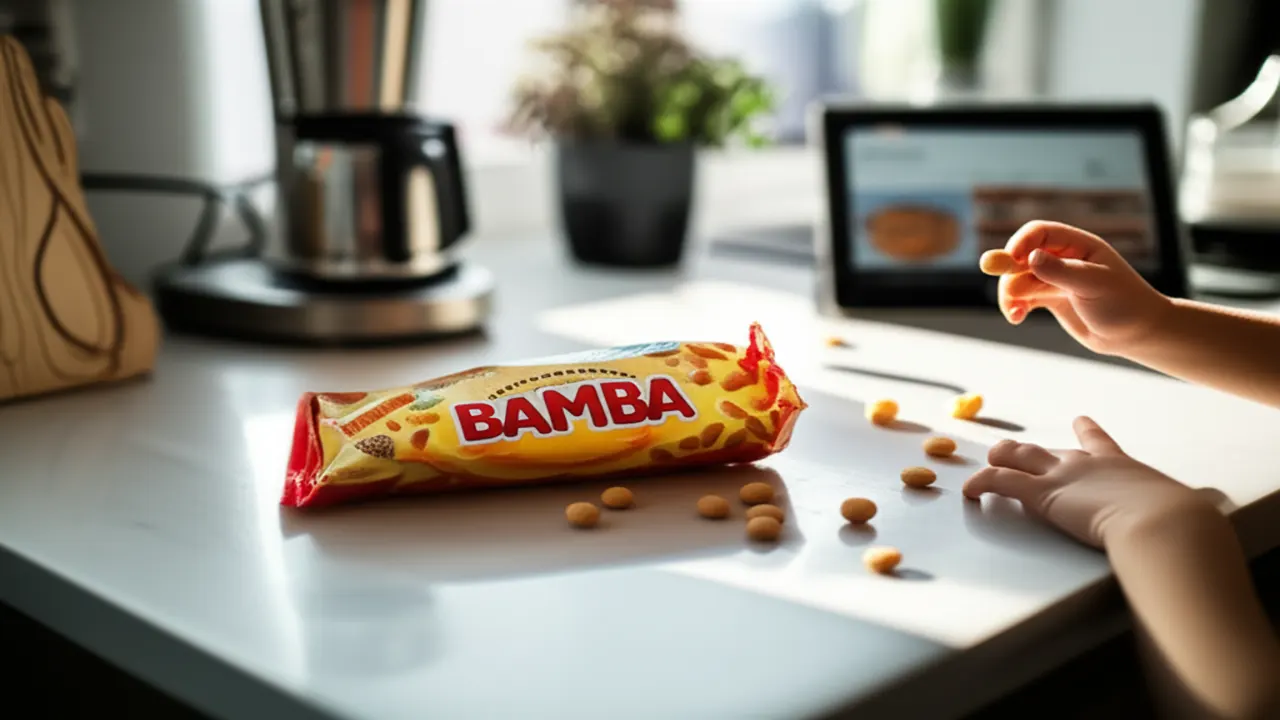
Bamba snack is a puffed corn snack, perfect for kids and adults. This guide explores its appeal, nutritional aspects, and how parents can integrate this popular treat into their family’s snacking routine.
Are you a parent searching for the perfect snack that your kids will adore and you can feel good about? Finding treats that balance deliciousness with wholesome ingredients can feel like a quest. Many snacks are loaded with sugar or artificial flavors, leaving parents frustrated. This guide is designed to be your go-to resource for understanding Bamba snack, making it an easy and irresistible choice for your family’s snack cupboard. We’ll explore why Bamba is so popular and how it fits into a balanced diet.
What Exactly Is Bamba Snack?
Bamba snack is a popular Israeli puffed corn snack. It’s made from simple ingredients like cornmeal, peanut butter, and vegetable oil. This unique combination creates a light, airy texture with a distinctive peanut flavor that kids and adults find incredibly appealing.
The Irresistible Appeal of Bamba for Kids
Kids love Bamba snack for its unique texture and taste. The puffy, melt-in-your-mouth quality is highly satisfying for young children. Its mild peanut flavor is generally well-accepted, making it a go-to option for picky eaters.
The simplicity of Bamba’s ingredients also contributes to its charm. Unlike many brightly colored, artificially flavored snacks, Bamba offers a more natural appeal. This makes it a snack that parents can often feel more comfortable offering.
Nutritional Snapshot: What Parents Need to Know
Understanding the nutritional content of snacks is crucial for parents. Bamba snack is primarily made from cornmeal, offering some carbohydrates for energy. The inclusion of peanut butter provides a source of protein and healthy fats.
Bamba snack is fortified with iron and vitamins, which are essential for children’s growth and development. It is also free from artificial colors and flavors, a significant plus for health-conscious parents. However, it does contain peanut butter, making it unsuitable for children with peanut allergies.
Key Nutritional Components

Cornmeal: Provides carbohydrates for energy.
Peanut Butter: Offers protein and healthy fats.
Fortified Vitamins and Minerals: Includes iron and others beneficial for kids.
No Artificial Colors or Flavors: A healthier choice compared to many processed snacks.
It’s important to consider Bamba snack as part of a balanced diet. While it offers some nutritional benefits, it should be consumed in moderation. Portion control is key to ensuring it complements a child’s overall intake of fruits, vegetables, and other whole foods.
Bamba Snack: Ingredient Transparency and Allergen Information
For parents, ingredient transparency is paramount. Bamba snack is known for its relatively short and recognizable ingredient list. This makes it easier for parents to understand what they are feeding their children.
The primary allergen in Bamba snack is peanut. This is a critical piece of information for families with children who have nut allergies. The manufacturing process is carefully managed to prevent cross-contamination, but vigilance is always advised for severe allergies.
Common Allergens and Considerations
Peanuts: Bamba contains peanut butter, a common allergen.
Gluten-Free: Bamba snack is typically gluten-free, making it suitable for children with celiac disease or gluten sensitivity.
Dairy-Free: Most Bamba varieties are dairy-free.
Always check the product packaging for the most up-to-date ingredient and allergen information. This ensures you are making the safest choice for your child.
Making Bamba Snack a Part of a Balanced Diet
Incorporating Bamba snack into a child’s diet can be done healthily. Think of it as a treat or a small part of a larger meal plan. Offering Bamba in moderation alongside fruits, vegetables, and other nutritious foods supports a well-rounded eating pattern.
Consider the timing of snacks. Bamba can be a good option for a mid-morning or afternoon pick-me-up. It can also serve as a small, satisfying component of a packed lunch.
Smart Snacking Strategies
Portion Control: Offer a single serving size to manage intake.
Pairing: Combine Bamba with fruit or yogurt for a more balanced snack.
Occasional Treat: Position Bamba as a special treat rather than an everyday staple.
This approach ensures that Bamba snack adds enjoyment to your child’s diet without compromising their overall nutritional health.
Where to Buy Bamba Snack: A Parent’s Guide
Finding Bamba snack is becoming increasingly easy for parents. It’s widely available in specialty international food stores, particularly those focusing on Middle Eastern or Israeli products. Many larger supermarkets are also expanding their international food sections, stocking Bamba.
Online retailers are another convenient option for purchasing Bamba snack. Websites dedicated to international foods or large e-commerce platforms often carry it. This is especially helpful for those who don’t have easy access to physical stores.
Popular Purchasing Channels
International Grocery Stores: Look for Israeli or Middle Eastern sections.
Large Supermarkets: Check the international aisle or snack section.
Online Retailers: Websites like Amazon, or specialty food sites.
Checking for local availability can be as simple as a quick online search. Many stores list their product inventories online, saving you a trip.
Creative Ways to Enjoy Bamba Snack with Your Family
Beyond simply eating it straight from the bag, Bamba snack offers fun possibilities. Parents can use Bamba in creative ways to engage children and add a playful element to snack times. Its unique texture and shape lend themselves well to various culinary adventures.
Consider using Bamba as a topping or a crunchy element in other dishes. This can introduce children to new textures and flavors in a familiar context. It’s a fantastic way to make snack time more exciting and interactive.
Fun Bamba Snack Ideas
Yogurt Topping: Sprinkle crushed Bamba over yogurt for added crunch.
Ice Cream Companion: Use Bamba as a fun topping for ice cream or frozen yogurt.
“Ants on a Log” Variation: Replace raisins with Bamba pieces on celery with peanut butter.
Building Blocks: Let kids use whole Bamba pieces as edible building blocks for creative play.
These ideas transform Bamba from a simple snack into an activity. They encourage creativity and can help introduce children to new ways of enjoying food.
Bamba Snack vs. Other Popular Kids’ Snacks
When comparing Bamba snack to other popular children’s snacks, several factors stand out. Many mainstream kids’ snacks are high in sugar, artificial colors, and low in nutritional value. Bamba, with its simpler ingredients and fortification, often presents a more appealing alternative for health-conscious parents.
For instance, compared to many candy-based snacks or sugary cereals marketed to children, Bamba offers a different profile. Its peanut butter component provides protein, which can help with satiety. However, like all snacks, moderation is key.
Comparative Snack Analysis
| Snack Type | Primary Ingredients | Nutritional Highlights | Potential Concerns |
| :———————– | :————————————————– | :—————————————————– | :————————————————— |
| Bamba Snack | Cornmeal, Peanut Butter, Vegetable Oil | Fortified with Iron & Vitamins, Protein, Gluten-Free | Peanut Allergen, Moderate Sugar |
| Sugary Cereal Bars | Refined Grains, High Fructose Corn Syrup, Sugar | Often low in essential nutrients | High Sugar, Artificial Additives, Low Fiber |
| Fruit Snacks/Gummies | Sugar, Corn Syrup, Gelatin, Artificial Flavors | Minimal nutritional value | Very High Sugar, Artificial Colors/Flavors, Low Fiber |
| Cheese Puffs | Cornmeal, Vegetable Oil, Cheese Powder, Salt | Primarily carbohydrates, some fat | High Sodium, Artificial Flavors/Colors, Low Protein |
| Fresh Fruit | Natural Sugars, Fiber, Vitamins, Minerals | Excellent source of nutrients | Can be perishable, may not satisfy crunchy craving |
This comparison highlights that while Bamba is not a health food, it offers a better nutritional profile than many highly processed, sugar-laden alternatives. Its appeal lies in its taste, texture, and simpler ingredient list.
Addressing Common Parent Concerns About Bamba Snack
Parents often have questions about introducing new snacks to their children. A primary concern with Bamba snack revolves around its peanut butter content. It’s essential to ensure no family members have peanut allergies before offering Bamba.
Another consideration is the sugar content. While Bamba is not excessively high in sugar compared to other treats, it’s still a processed snack. Parents should balance its consumption with nutrient-dense foods.
Frequently Asked Questions by Parents
Is Bamba safe for babies? Bamba is generally recommended for toddlers aged one year and older due to the risk of choking and the presence of peanut butter, which can cause allergic reactions in very young children. Always consult with a pediatrician.
Can Bamba be given to children with dairy allergies? Yes, most Bamba varieties are dairy-free, making them a suitable option for children with dairy sensitivities or allergies.
How much Bamba is too much? Moderation is key. A single serving (typically around 15-20 grams) is usually appropriate as part of a balanced diet.
Does Bamba contain artificial ingredients? No, Bamba snack is known for being free from artificial colors and flavors.
By understanding these points, parents can make informed decisions about whether Bamba snack is right for their family.
The Global Appeal and Cultural Significance of Bamba
Bamba snack holds a special place in Israeli culture and has gained popularity worldwide. For many Israelis, Bamba is a nostalgic childhood staple, evoking fond memories. Its creation in the 1960s was a significant innovation in snack foods.
The snack’s success lies in its simple yet satisfying formula. This has allowed it to transcend cultural boundaries, becoming a beloved treat for families across different regions. Its availability in various countries reflects its universal appeal.
Cultural Touchpoints
Nostalgia: A beloved treat associated with childhood for many Israelis.
Simplicity: Its straightforward ingredients and taste resonate globally.
Accessibility: Increasingly available in international markets, broadening its reach.
This cultural significance adds another layer to why Bamba snack is more than just a treat; it’s a piece of shared experience.
Conclusion: Why Bamba Snack is an Irresistible Choice for Parents
Bamba snack offers a compelling combination of taste, texture, and relative simplicity that appeals to both children and their parents. Its puffy, peanut-flavored goodness is a guaranteed hit with kids, while its recognizable ingredients and fortification with iron and vitamins offer reassurance to parents. While it’s crucial to be mindful of peanut allergies and consume it in moderation as part of a balanced diet, Bamba stands out as a delightful and accessible snack option.
Frequently Asked Questions
Is Bamba snack healthy for children?
Bamba snack offers some nutritional benefits, like protein and iron, but it is a processed snack. It should be enjoyed in moderation as part of a balanced diet, not as a primary source of nutrition.
What are the main ingredients in Bamba snack?
The primary ingredients in Bamba snack are cornmeal, peanut butter, and vegetable oil. It is also fortified with vitamins and minerals.
Can toddlers eat Bamba snack?
Bamba snack is generally recommended for children aged one year and older. Parents should ensure their child has no peanut allergies and supervise them while eating due to the snack’s texture.
Is Bamba snack gluten-free?
Yes, Bamba snack is typically gluten-free, making it a suitable option for children with gluten sensitivities or celiac disease.
Where can I buy Bamba snack in the US?
Bamba snack can be found in specialty international grocery stores, larger supermarket chains with international aisles, and various online retailers.
What makes Bamba snack different from other puffed snacks?
Bamba’s unique flavor comes from its real peanut butter ingredient, and it is often fortified with essential nutrients like iron, setting it apart from many other puffed snacks that rely heavily on artificial flavors and sugar.

Belayet Hossain is a Senior Tech Expert and Certified AI Marketing Strategist. Holding an MSc in CSE (Russia) and over a decade of experience since 2011, he combines traditional systems engineering with modern AI insights. Specializing in Vibe Coding and Intelligent Marketing, Belayet provides forward-thinking analysis on software, digital trends, and SEO, helping readers navigate the rapidly evolving digital landscape. Connect with Belayet Hossain on Facebook, Twitter, Linkedin or read my complete biography.