
Published on: 06/09/2025 | Updated on: September 6, 2025
Bike food delivery is revolutionizing how we get our meals, offering speed, eco-friendliness, and often lower costs. This guide unveils essential strategies for both consumers and businesses to master this dynamic sector, ensuring a seamless and satisfying experience every time.
The rumble of a bike, the aroma of your favorite meal approaching – that’s the magic of bike food delivery. In today’s fast-paced world, getting delicious food to your doorstep quickly and efficiently is more than a convenience; it’s a necessity. Yet, navigating the landscape of bike food delivery can sometimes feel overwhelming, with so many options and considerations. I’m here to cut through the noise, sharing proven strategies that ensure you get the best from your bike food delivery experience, whether you’re ordering in or looking to optimize your own service. Let’s dive into how to make bike food delivery work perfectly for you.
Why Bike Food Delivery is Gaining Traction
Bike food delivery is rapidly becoming a preferred method for urban dining. Its agility in navigating congested city streets allows for quicker delivery times compared to cars. This efficiency translates into hotter food and happier customers, a win-win for everyone involved.
Furthermore, the environmental benefits are significant. Opting for bicycles over motorized vehicles drastically reduces carbon emissions, contributing to cleaner air in our cities. This eco-conscious aspect resonates deeply with a growing number of consumers who prioritize sustainability in their choices.
The cost-effectiveness is another major draw. Lower operational expenses for delivery services often translate into more affordable delivery fees for customers. This makes enjoying restaurant-quality meals at home more accessible, especially for budget-conscious individuals and families.
Choosing the Right Bike Food Delivery Service
When selecting a bike food delivery service, consider your priorities. Are you looking for the widest restaurant selection, the fastest delivery, or the most budget-friendly option? Different platforms excel in different areas, so understanding your needs is the first step.
Examine the app’s user interface and ease of ordering. A clean, intuitive design makes browsing menus and placing orders a breeze. Look for features like real-time order tracking, customer reviews, and easy payment options. These elements contribute significantly to a positive user experience.
Investigate the fee structure. Delivery fees, service charges, and potential surge pricing can add up. Compare these costs across different services for your typical orders. Many services also offer subscription models that can reduce per-order fees, which might be a great option for frequent users.
Factors to Consider:

- Restaurant Variety: Does the service partner with your favorite local eateries or offer a diverse range of cuisines?
- Delivery Speed: Check average delivery times and real-time tracking accuracy.
- Pricing: Compare delivery fees, service charges, and any subscription benefits.
- Customer Support: Read reviews about their responsiveness and problem-solving capabilities.
- Promotions and Discounts: Look for new user offers, loyalty programs, or special deals.
Carefully weighing these factors will help you identify the bike food delivery service that best aligns with your culinary desires and practical needs.
Essential Strategies for Ordering Bike Food Delivery
To ensure a smooth and satisfying bike food delivery experience, a few key strategies can make all the difference. Planning your order, especially during peak hours, can significantly reduce wait times and potential frustration. Knowing when to order can be as important as what to order.
Utilize app features to your advantage. Real-time tracking is invaluable, allowing you to anticipate your delivery driver’s arrival and be ready. Many apps also offer options to leave specific delivery instructions, which is crucial for apartment buildings or hard-to-find addresses.
Don’t hesitate to take advantage of deals and promotions. Most bike food delivery platforms offer introductory discounts for new users, and many have loyalty programs or special offers for existing customers. Keeping an eye on these can lead to substantial savings on your orders.
Pro Tips for a Seamless Order:
- Order during off-peak hours when possible for faster service.
- Provide clear and detailed delivery instructions.
- Check for available discounts and promo codes before checkout.
- Bundle orders from the same restaurant if ordering for a group.
- Be patient during adverse weather or exceptionally busy periods.
By implementing these simple yet effective strategies, you can significantly enhance your bike food delivery experience, ensuring your meals arrive hot, on time, and without a hitch.
Optimizing Bike Food Delivery Operations for Restaurants
For restaurants embracing bike food delivery, efficiency is paramount. Streamlining your kitchen workflow to handle delivery orders alongside dine-in customers is crucial. Implementing a clear system for order preparation, packaging, and handover to delivery personnel minimizes delays.
Invest in quality packaging that maintains food temperature and integrity during transit. Properly sealed containers prevent spills and keep dishes looking as appealing as they do when served in-house. This attention to detail directly impacts customer satisfaction and brand perception.
Effective communication with delivery partners is also key. Ensure your staff are trained to quickly and accurately confirm orders with drivers and hand them off promptly. Utilizing technology that integrates your point-of-sale system with delivery platforms can automate this process and reduce errors.
Key Operational Strategies:
- Dedicated prep stations for delivery orders.
- Insulated bags and spill-proof containers.
- Clear labeling of orders with customer names and order numbers.
- Training staff on efficient handover procedures.
- Regularly review delivery partner performance.
By focusing on these operational improvements, restaurants can ensure that their bike food delivery service is a reliable and positive extension of their brand.
The Technology Behind Efficient Bike Food Delivery
Technology is the engine driving modern bike food delivery. Sophisticated algorithms optimize delivery routes, taking into account real-time traffic conditions, rider availability, and order proximity. This ensures that food reaches customers as quickly and efficiently as possible.
Mobile applications are at the heart of this ecosystem. They serve as the interface for customers to browse menus, place orders, and track their deliveries. For riders, these apps provide navigation, order details, and communication tools, all essential for their day-to-day operations.
Data analytics plays a vital role in refining services. Platforms analyze order volumes, peak times, and customer feedback to make informed decisions about staffing, restaurant partnerships, and service area expansions. This continuous improvement cycle is what keeps bike food delivery services competitive.
Technological Components:
- GPS tracking for real-time location monitoring.
- Route optimization software for efficient travel.
- In-app communication channels for customers, riders, and restaurants.
- Payment processing systems for seamless transactions.
- Customer feedback and rating systems for service improvement.
These technological advancements are fundamental to the success and convenience of bike food delivery in urban environments.
Sustainability and Bike Food Delivery
The environmental advantage of bike food delivery is a significant factor in its growing popularity. By replacing cars with bicycles for short-distance deliveries, the reduction in carbon emissions is substantial. This contributes directly to improving air quality in urban centers.
Beyond emissions, bike delivery reduces traffic congestion, making cities more livable and less noisy. This aligns with a broader trend towards sustainable urban development and a greater focus on reducing our collective environmental footprint.
Many delivery platforms are also exploring ways to further enhance their eco-friendly practices. This includes using electric bikes (e-bikes) for longer distances or hilly terrains, and implementing packaging solutions made from recycled or biodegradable materials. These efforts underscore a commitment to a greener future.
Environmental Benefits:
- Reduced greenhouse gas emissions.
- Decreased traffic congestion and noise pollution.
- Lower reliance on fossil fuels.
- Promotion of active and healthy lifestyles for riders.
The shift towards bike food delivery is a positive step for both consumers seeking convenience and the planet.
The Rider’s Perspective: Navigating Bike Food Delivery
For the delivery riders, bike food delivery is a dynamic and often demanding profession. Their ability to navigate busy streets, manage multiple orders, and maintain a friendly demeanor is crucial to the entire service. Understanding their challenges provides valuable insight into the system.
Effective route planning and time management are daily necessities for riders. They must constantly assess the most efficient paths, factoring in traffic, road closures, and the location of their next pickup or drop-off. This requires a keen understanding of the city’s layout.
Safety is also a paramount concern. Riders operate in a fast-paced environment and must prioritize their well-being. Adhering to traffic laws, wearing appropriate safety gear, and being aware of their surroundings are non-negotiable aspects of the job.
Rider Essentials:
- Reliable bicycle or e-bike.
- Smartphone with a data plan and navigation app.
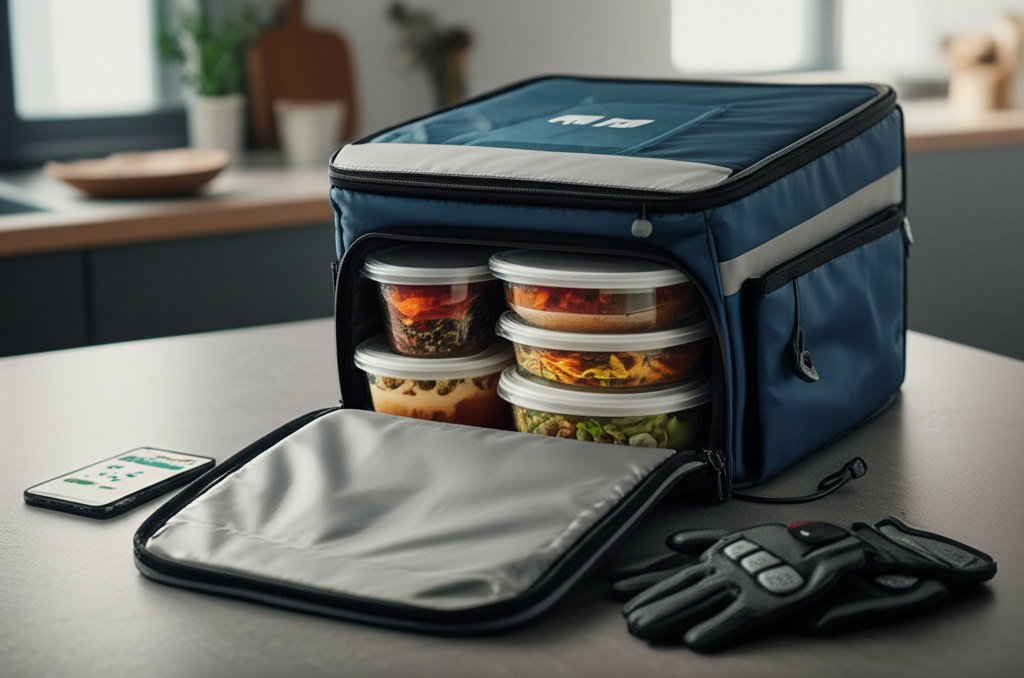
- Insulated delivery bag to keep food warm.
- Helmet and visible safety gear.
- Knowledge of local traffic laws and best routes.
The dedication and skill of these riders are the backbone of successful bike food delivery operations.
Cost-Effectiveness of Bike Food Delivery
Bike food delivery often presents a more affordable option for consumers compared to other delivery methods. The reduced operational costs for delivery companies, stemming from lower fuel consumption and maintenance, can translate into lower delivery fees for customers.
Furthermore, the speed at which bikes can navigate urban traffic can lead to faster delivery times. This means your food arrives quicker and hotter, often without the premium price tag associated with longer transit times or the need for larger vehicles.
Many services also offer incentives like first-time user discounts, loyalty programs, and subscription models that further reduce the cost per order. These financial advantages make bike food delivery an attractive choice for regular meal ordering.
Cost Comparison Factors:
- Delivery Fees: Typically lower than car-based services.
- Service Charges: Varies by platform, compare carefully.
- Minimum Order Requirements: Some services have these, others don’t.
- Subscription Benefits: Potential savings for frequent users.
- Promotional Offers: Regularly available discounts.
The economic advantages make bike food delivery a compelling choice for convenient and budget-friendly dining.
The Future of Bike Food Delivery
The evolution of bike food delivery shows no signs of slowing down. We can expect further integration of advanced technologies, such as AI-powered route optimization that learns from historical data to predict traffic patterns with even greater accuracy. This will lead to even faster and more reliable deliveries.
The expansion of e-bike fleets will likely continue, making bike delivery feasible for a wider range of distances and terrains, further increasing efficiency and sustainability. This could also lead to more specialized delivery services, perhaps focusing on specific types of cuisine or dietary needs.
As cities become more densely populated and traffic congestion persists, the inherent agility of bike food delivery will only become more valuable. It’s poised to remain a cornerstone of urban convenience and a vital part of the food service industry for years to come.
Frequently Asked Questions about Bike Food Delivery
What is the average delivery time for bike food delivery?
Average delivery times for bike food delivery in urban areas typically range from 20 to 45 minutes. This can vary based on distance, traffic conditions, restaurant preparation times, and the efficiency of the delivery platform’s routing system.
Are bike food delivery services more expensive than car-based ones?
Generally, bike food delivery services can be more cost-effective for consumers. Lower operational costs for delivery companies, such as fuel and maintenance, often translate into lower delivery fees compared to car-based services, especially for short distances within a city.
How can I ensure my food arrives hot with bike food delivery?
Most bike food delivery services use insulated bags to maintain food temperature. To maximize hotness, order from restaurants closer to your location, choose items that travel well, and try to be ready to receive your order as soon as it arrives.
What safety measures are in place for bike food delivery riders?
Reputable bike food delivery platforms emphasize rider safety through mandatory helmet use, reflective gear, and adherence to traffic laws. Many also provide in-app safety features and support channels for riders. However, individual rider adherence and external factors play a significant role.
Can I track my bike food delivery in real-time?
Yes, virtually all major bike food delivery services offer real-time order tracking through their mobile apps. You can usually see your rider’s location on a map from the moment they pick up your order until it arrives at your door.
What if there’s a problem with my bike food delivery order?
If you encounter an issue with your order, such as missing items or incorrect food, you should contact the delivery service’s customer support directly through their app or website. Most platforms have a dedicated support team to help resolve these problems, often offering refunds or credits.
Conclusion
Bike food delivery has cemented its place as a vital and convenient service for urban dwellers, offering speed, affordability, and environmental benefits. By understanding the essential strategies—from choosing the right service and optimizing your ordering process to appreciating the technology and sustainability aspects—you can ensure a consistently positive experience. For restaurants, focusing on operational efficiency and effective partnerships is key to thriving in this market. The future looks even brighter, with continued technological advancements promising faster, greener, and more reliable bike food delivery. Embrace these proven strategies, and enjoy the convenience of your next delicious meal delivered right to your door.

Belayet Hossain is a Senior Tech Expert and Certified AI Marketing Strategist. Holding an MSc in CSE (Russia) and over a decade of experience since 2011, he combines traditional systems engineering with modern AI insights. Specializing in Vibe Coding and Intelligent Marketing, Belayet provides forward-thinking analysis on software, digital trends, and SEO, helping readers navigate the rapidly evolving digital landscape. Connect with Belayet Hossain on Facebook, Twitter, Linkedin or read my complete biography.