
Published on: 06/09/2025 | Updated on: September 6, 2025
Bread for the City food delivery offers essential and irresistible options for convenient, delicious meals. Explore top services and tips to find exactly what you crave, saving time and hassle.
Are you tired of the same old takeout or spending hours in the kitchen after a long day? The world of food delivery has exploded, offering more choices than ever before. From gourmet meals to comforting classics, getting your favorite dishes brought right to your door has never been easier. However, with so many options, navigating the landscape of “bread for the city food delivery” can feel overwhelming. This guide will demystify the process, helping you find the perfect meal delivery service that fits your taste, budget, and lifestyle.
What is Bread For The City Food Delivery?
Bread for the city food delivery refers to the services that bring a variety of food options, including baked goods and complete meals, directly to consumers within urban areas. It encompasses everything from restaurant takeout to specialized meal kits and grocery deliveries, all designed for ultimate convenience. This service is a lifeline for busy individuals and families seeking delicious, ready-to-eat or easily prepared food without the need for extensive planning or cooking.
The convenience of having fresh bread and other culinary delights delivered straight to your doorstep is a game-changer for modern living. It saves precious time and energy, allowing you to enjoy restaurant-quality food or freshly baked goods at home. This is especially true in bustling cities where time is a valuable commodity.
The Evolution of Food Delivery: From Local Bakeries to Digital Platforms
Remember the days when ordering food meant a phone call to a local pizza place or a trip to the neighborhood bakery? The digital revolution has transformed this simple act into a sophisticated, multi-faceted industry. We’ve moved from limited choices to an expansive ecosystem of apps and services.
This evolution has been driven by technological advancements and changing consumer demands for convenience and variety. Today, a few taps on a smartphone can connect you to countless culinary experiences, making “bread for the city food delivery” a dynamic and exciting sector.
Early Days: Local Charm and Limited Reach

In the past, food delivery was primarily a local affair, often limited to specific types of cuisine like pizza or Chinese food. Bakeries might offer local delivery for special orders, but it wasn’t a daily convenience for most. The focus was on neighborhood accessibility and personal relationships with businesses.
These early services relied on phone orders and often manual delivery routes. While charming, they lacked the scalability and breadth of options we see today. Finding specific items like artisanal bread was a dedicated trip, not a click away.
The Rise of Online Ordering and Apps
The internet and the subsequent proliferation of smartphones ushered in a new era. Online ordering platforms and dedicated food delivery apps began to emerge, connecting consumers with a wider array of restaurants. This marked a significant shift towards greater choice and accessibility.
These platforms aggregated menus, streamlined ordering, and introduced tracking features, making the entire process more transparent and user-friendly. It was the beginning of a true “bread for the city food delivery” revolution.
Subscription Services and Meal Kits: A New Frontier
Beyond restaurant takeout, subscription services and meal kits have carved out a significant niche. These services deliver pre-portioned ingredients and recipes for home cooking or fully prepared meals designed for convenience. They offer a different kind of “bread for the city food delivery,” focusing on curated culinary experiences.
These options cater to those who want to cook but lack time for extensive shopping and prep, or those seeking healthy, portion-controlled meals. The variety in these services continues to grow, offering everything from gourmet dinners to vegan options.
Essential Bread For The City Food Delivery Options: What’s On Offer?
When we talk about “bread for the city food delivery,” it’s important to understand the spectrum of offerings. This isn’t just about loaves of bread; it’s about the entire culinary experience delivered to your door. From freshly baked goods to complete meals, the city’s food scene is at your fingertips.
The key is to identify which services best align with your specific needs, whether you’re craving a crusty baguette, a hearty sandwich, or a full dinner spread. Understanding the categories will help you make informed choices.
Freshly Baked Goods Delivery
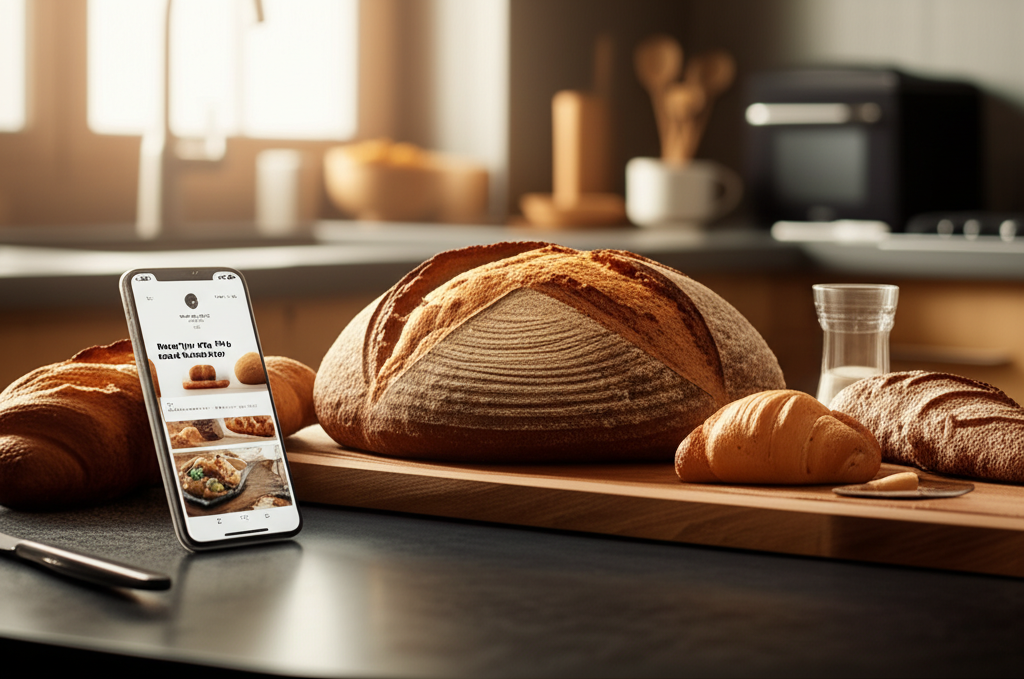
For those who truly appreciate a good loaf of bread, many bakeries and specialized services now offer direct delivery. This can range from sourdough and baguettes to pastries and cakes. Imagine waking up to a warm, crusty loaf delivered fresh.
These services often emphasize quality ingredients and artisanal baking methods. They are perfect for special occasions or simply elevating your everyday meals with superior bread.
Restaurant Meal Delivery
This is perhaps the most common form of food delivery, where you order prepared meals from local restaurants. Apps like DoorDash, Uber Eats, and Grubhub connect you to thousands of dining establishments. The variety is immense, covering every cuisine imaginable.
You can find everything from quick lunches to elaborate dinners, all delivered hot and ready to eat. This is the go-to for immediate culinary gratification.
Meal Kit Services
Meal kits deliver pre-portioned ingredients and easy-to-follow recipes to your home. Companies like HelloFresh, Blue Apron, and Home Chef offer a convenient way to cook delicious meals without the hassle of grocery shopping and extensive prep. They are a fantastic “bread for the city food delivery” option for aspiring home cooks.
These kits are ideal for individuals or families who want to enjoy home-cooked meals but have limited time. They also help reduce food waste by providing exact quantities.
Prepared Meal Delivery Services
Unlike meal kits, prepared meal services deliver fully cooked, ready-to-heat meals. Services like Factor, Freshly, and Daily Harvest focus on convenience and often cater to specific dietary needs like keto, vegan, or gluten-free. These are perfect for those who want healthy, restaurant-quality meals without any cooking.
These services are a great solution for busy professionals or anyone seeking a no-fuss approach to healthy eating. They offer a sophisticated form of “bread for the city food delivery” that prioritizes health and convenience.
Irresistible Choices: Finding Your Perfect Meal Delivery Match
The sheer volume of choices can be both exciting and daunting. To truly benefit from “bread for the city food delivery,” you need a strategy to pinpoint the services that offer irresistible value and quality for you. Let’s break down how to find your perfect match.
Consider your priorities: Are you looking for speed, variety, health, or budget-friendliness? Answering these questions will guide your selection process.
For the Time-Strapped Professional: Speed and Convenience
If your primary concern is saving time, focus on platforms with extensive restaurant networks and efficient delivery logistics. Apps known for their speed and broad coverage are your best bet. Look for services that offer real-time tracking and estimated delivery times.
Services like DoorDash and Uber Eats excel in this area, offering quick access to a vast number of restaurants. For even faster meals, consider prepared meal delivery services that require only heating.
For the Health-Conscious Eater: Nutritious and Diet-Specific Options
For those prioritizing health, look for services specializing in nutritious meals or those that cater to specific dietary needs. Many meal kit and prepared meal services offer detailed nutritional information and filter options for vegan, gluten-free, low-carb, and other diets.
Factor and Splendid Spoon are excellent examples of prepared meal services focused on health. Meal kit companies also increasingly offer robust healthy eating plans.
For the Budget-Savvy Diner: Deals and Value
Finding affordable food delivery is possible with a bit of savvy. Many platforms offer first-time user discounts, loyalty programs, and special promotions. Comparing delivery fees and minimum order requirements is also crucial.
Look for services that partner with a wide range of restaurants, as this often leads to more competitive pricing. Some services also offer subscription models that can reduce per-meal costs over time.
For the Culinary Explorer: Variety and Unique Flavors
If you love trying new things, seek out platforms that boast a diverse selection of cuisines and independent restaurants. Some services focus on highlighting local gems and artisanal producers, offering a truly unique “bread for the city food delivery” experience.
Explore services that curate special menus or feature different chefs regularly. Don’t be afraid to try lesser-known restaurants or cuisines you haven’t experienced before.
Navigating the Fees: Understanding the Costs of Delivery
One of the most significant considerations for “bread for the city food delivery” is the cost. Beyond the price of the food itself, delivery fees, service charges, and optional subscriptions can add up. Understanding these components is key to managing your budget.
It’s wise to compare the total cost from different services for the same order to get the best value. Hidden fees can often surprise, so transparency is vital.
Delivery Fees Explained
Delivery fees are charges levied by the delivery service or restaurant for bringing your order to your door. These can vary based on distance, demand, and the specific platform. Some services offer free delivery for orders above a certain amount or through subscription programs.
Always check the estimated delivery fee before confirming your order. It’s a direct cost for the convenience of not having to pick up your food yourself.
Service Fees and Other Charges
In addition to delivery fees, many apps include a “service fee.” This fee helps cover the operational costs of the platform, such as app development and customer support. You might also encounter small order fees if your order doesn’t meet a minimum threshold.
These fees can sometimes be less transparent than delivery fees, so it’s important to review your order summary carefully. Understanding these charges helps in comparing the true cost of different delivery options.
Subscription Benefits: Unlocking Savings
Many delivery platforms offer subscription programs (e.g., DoorDash’s DashPass, Uber Eats’ Eats Pass). For a monthly or annual fee, subscribers often receive benefits like free delivery on eligible orders, reduced service fees, and exclusive discounts.
If you order frequently, a subscription can significantly reduce your overall spending on food delivery. It’s an investment that pays off for regular users.
The Importance of Regional Delivery Services
While national apps dominate the market, don’t overlook regional and local food delivery services. These often have a deep understanding of the local culinary scene and can offer unique benefits. They might partner with smaller, independent bakeries and restaurants that aren’t available on larger platforms.
Regional services can sometimes offer more competitive pricing or more personalized customer service. They are an integral part of the “bread for the city food delivery” ecosystem, supporting local businesses.
Supporting Local Businesses
Choosing a regional delivery service often means directly supporting businesses within your community. These services can be crucial for the survival of small, independent eateries and bakeries, especially in competitive urban environments. This support helps maintain the unique character of a city’s food landscape.
By opting for local providers, you contribute to the economic health of your neighborhood. It’s a way to enjoy convenience while giving back.
Unique Offerings and Specializations
Local services might specialize in specific types of food or offer unique bundles. You might find a service dedicated solely to delivering artisanal bread from multiple bakeries, or one that focuses on farm-to-table meals. These niche offerings can be incredibly appealing.
These specialized services often provide a higher quality product or a more curated experience than generalist platforms. They cater to discerning tastes and specific cravings.
Tips for a Seamless Bread For The City Food Delivery Experience
To make sure your “bread for the city food delivery” journey is as smooth and enjoyable as possible, a few practical tips can go a long way. From placing your order to enjoying your meal, these suggestions will enhance your experience.
Being prepared and knowing what to look for can prevent common frustrations and ensure you get exactly what you want. A little planning can lead to a lot of satisfaction.
Choose the Right Platform for Your Needs
Research is key. Before placing an order, consider which platform best suits your immediate craving and budget. Look at the variety of restaurants, delivery times, and fees associated with each app.
Try using a few different apps to see which one offers the best selection and user experience in your specific area. This personal experimentation is invaluable.
Check Reviews and Ratings
User reviews and ratings are invaluable tools for assessing the quality of food and the reliability of a delivery service. Pay attention to recent reviews for the most up-to-date information. Look for consistent feedback on food quality, delivery speed, and customer service.
A restaurant with consistently high ratings is generally a safe bet. For delivery services, reviews often highlight punctuality and order accuracy.
Verify Delivery Areas and Times
Always confirm that the restaurant or service you choose delivers to your specific location and within your desired timeframe. Some services have strict geographical boundaries, and delivery times can fluctuate based on demand.
Double-check the address you’ve entered and the estimated arrival time before finalizing your order to avoid disappointment. This simple step prevents many issues.
Be Clear with Delivery Instructions
Provide clear and concise delivery instructions to ensure your driver can find you easily. Include any specific details like building numbers, apartment codes, or preferred drop-off locations (e.g., “leave at the front door”). Good instructions minimize confusion and speed up delivery.
Well-written instructions help drivers navigate complex buildings or busy streets, ensuring a smoother handover. This is especially important for “bread for the city food delivery” where timing might be critical for freshness.
The Future of Bread For The City Food Delivery
The world of food delivery is constantly innovating, promising even more convenience and exciting options for the future. We can expect advancements in technology, sustainability, and the types of food available for delivery. The “bread for the city food delivery” landscape is set to become even more sophisticated and integrated into our daily lives.
From drone delivery to hyper-personalized meal plans, the future is brimming with potential. This evolution will continue to shape how we access and enjoy food in urban environments.
Technological Advancements
Expect to see continued integration of AI for personalized recommendations and optimized delivery routes. Drone and autonomous vehicle delivery may become more commonplace, potentially reducing delivery times and costs. The use of data will likely lead to more efficient operations and better customer experiences.
These technological leaps aim to make food delivery faster, cheaper, and more accessible than ever before. The goal is seamless integration into our lives.
Sustainability in Delivery
There’s a growing emphasis on sustainable practices in the food delivery industry. This includes eco-friendly packaging, electric delivery vehicles, and efforts to reduce food waste. Consumers are increasingly demanding environmentally conscious options.
Many services are actively working to minimize their carbon footprint, from sourcing ingredients to final delivery. This is a critical area of growth for the industry.
Hyper-Personalization and Niche Markets
The future will likely bring even greater personalization, with services offering highly tailored meal plans based on individual health data, preferences, and even genetic information. Niche markets, such as specialized dietary needs or gourmet experiences, will continue to expand.
This trend towards customization ensures that “bread for the city food delivery” can cater to virtually any individual need or desire. The focus will be on delivering exactly what you want, when you want it.
Frequently Asked Questions About Bread For The City Food Delivery
What are the best food delivery apps for variety?
Apps like DoorDash, Uber Eats, and Grubhub offer the widest selection of restaurants, covering numerous cuisines. For specific dietary needs or curated meals, services like HelloFresh or Factor are excellent choices.
How can I find good deals on food delivery?
Look for first-time user discounts, subscribe to loyalty programs like DashPass or Eats Pass for reduced fees, and compare prices across different apps. Many services offer promotions during off-peak hours or for larger orders.
Is it cheaper to order directly from a restaurant or through an app?
Often, ordering directly from a restaurant can be cheaper as you avoid third-party service and delivery fees. However, apps may offer exclusive deals and convenience that outweigh the slight price difference for some users.
What should I do if my food delivery is incorrect or missing items?
Contact the delivery service’s customer support immediately through the app or their website. Most platforms have a straightforward process for reporting issues and requesting refunds or redeliveries.
Can I schedule a food delivery for a specific time in advance?
Yes, most major food delivery apps allow you to schedule orders in advance. This feature is particularly useful for planning meals for busy days or special occasions, ensuring “bread for the city food delivery” arrives right on time.
What are some alternatives to traditional food delivery apps?
Consider meal kit services for home cooking, prepared meal delivery for ready-to-eat options, or even local grocery delivery services that might include fresh bread and prepared foods. Community-supported agriculture (CSA) boxes also offer fresh produce.
Conclusion: Your Guide to Irresistible Bread For The City Food Delivery
Navigating the world of “bread for the city food delivery” has never been more exciting, with an abundance of options catering to every taste, budget, and lifestyle. From artisanal bakeries delivering fresh loaves to a vast array of restaurant meals and convenient meal kits, the city’s culinary treasures are just a few clicks away. By understanding the different types of services, being mindful of fees, and employing smart ordering strategies, you can ensure a consistently satisfying experience.
Whether you’re a busy professional seeking a quick and healthy meal, a family looking for a convenient dinner solution, or a food lover eager to explore new flavors, the right food delivery service is out there. Embrace the convenience, savor the variety, and enjoy the irresistible convenience of having delicious food brought directly to your doorstep. Happy ordering!

Belayet Hossain is a Senior Tech Expert and Certified AI Marketing Strategist. Holding an MSc in CSE (Russia) and over a decade of experience since 2011, he combines traditional systems engineering with modern AI insights. Specializing in Vibe Coding and Intelligent Marketing, Belayet provides forward-thinking analysis on software, digital trends, and SEO, helping readers navigate the rapidly evolving digital landscape. Connect with Belayet Hossain on Facebook, Twitter, Linkedin or read my complete biography.