


Published on: 15/10/2025 | Updated on: October 15, 2025
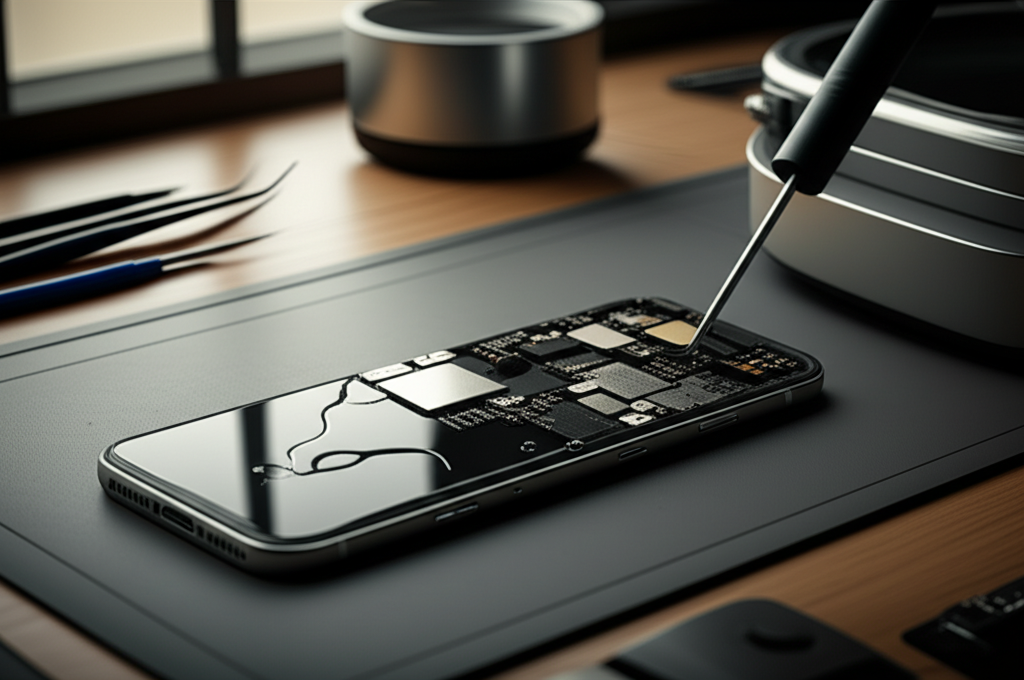
Cell phone repair water damage can be devastating, but new AI-powered diagnostic tools and advanced cleaning techniques offer essential breakthroughs for saving your device from liquid mishaps, making professional repair more accessible and effective than ever before.
Dropping your phone in water is a heart-stopping moment for anyone. It’s a common accident that can leave you with a useless brick and a hefty replacement cost. For years, the best advice was often “turn it off and hope for the best,” but that’s changing. Exciting new advancements are revolutionizing how we approach cell phone repair for water damage. I’ve seen countless devices come back from the brink, and these new methods are a game-changer. We’re moving beyond basic drying techniques to smarter, more effective solutions. Let’s explore these essential breakthroughs and what they mean for your beloved gadgets.
The Dreaded Water Damage: Why It’s So Common
Accidents happen, and phones are an extension of our lives, meaning they go everywhere with us. From poolside splashes and kitchen sink drops to unexpected downpours, liquid ingress is a frequent foe. Even small amounts of moisture can wreak havoc on a phone’s delicate internal components. These parts are not designed to be submerged or exposed to liquids.
The internal circuitry of a smartphone is incredibly complex, with tiny connectors and sensitive chips. When water, especially impure water like tap water or saltwater, comes into contact with these components, it can cause short circuits and corrosion. This damage can manifest immediately or over time, leading to unpredictable malfunctions. Understanding the risks is the first step to preventing and addressing cell phone repair water damage.
The Old Ways: Drying and Hoping
Before these new breakthroughs, the go-to advice for a wet phone was often limited. The common method involved immediately turning off the device to prevent short circuits. Then, people were told to remove any visible water, take out the SIM card and battery (if possible), and leave the phone to dry. Some suggested using silica gel packets or even uncooked rice to absorb moisture.
While these methods sometimes worked for minor exposure, they were far from foolproof. Rice, in particular, can leave dust and starch inside the phone, potentially causing more problems down the line. The core issue was that these methods didn’t actively address the damage already done or the lingering moisture within the device. They were passive attempts to mitigate a very active problem.
Essential Breakthrough 1: AI-Powered Diagnostics
One of the most significant advancements in cell phone repair water damage is the use of Artificial Intelligence (AI) for diagnostics. Gone are the days of guesswork. AI can now analyze a phone’s internal state with incredible precision. By processing data from various sensors and performing detailed component checks, AI can pinpoint the exact areas affected by water.
These AI systems use machine learning algorithms trained on vast datasets of damaged phones. They can identify subtle signs of corrosion or short circuits that might be invisible to the human eye. This intelligent approach allows technicians to focus their repair efforts precisely where they are needed most. This leads to faster, more accurate, and ultimately more successful repairs for water-damaged devices.
Essential Breakthrough 2: Advanced Ultrasonic Cleaning
Once the damaged areas are identified, the next challenge is to clean the internal components effectively. Traditional cleaning methods often struggled to reach all the nooks and crannies within a smartphone. This is where advanced ultrasonic cleaning has become an essential breakthrough for cell phone repair water damage.
Ultrasonic cleaners use high-frequency sound waves to create tiny bubbles in a cleaning solution. When these bubbles burst, they generate powerful micro-jets that dislodge dirt, grime, and corrosive residues from every surface. This process is incredibly thorough and can clean intricate components without physical contact. It’s a far cry from simply wiping down circuit boards.
Essential Breakthrough 3: Specialized Cleaning Solutions
Complementing ultrasonic cleaning are new, specialized cleaning solutions. These are not your everyday household cleaners. They are specifically formulated to be safe for delicate electronic components while being highly effective at dissolving mineral deposits and preventing corrosion. These solutions are designed to neutralize acidic residues left by water and protect the metal contacts.
These advanced fluids work in conjunction with ultrasonic technology to ensure that not only is the moisture removed, but any damaging byproducts are also neutralized. This two-pronged approach significantly increases the chances of a full recovery for a water-damaged phone. The careful selection of these solutions is critical for effective cell phone repair water damage.
The Role of Robotics in Precision Repair
Beyond cleaning and diagnostics, robotics is starting to play a role in the intricate process of cell phone repair water damage. For very specific component repairs or replacements, robotic arms can offer unparalleled precision. These systems can handle minuscule parts and perform delicate soldering tasks with a level of accuracy that is difficult for human hands to consistently achieve.
While still emerging for widespread consumer repair, robotic assistance is a significant step forward. It ensures that even the most sensitive repairs are carried out with minimal risk of further damage. This precision is crucial when dealing with the complex, miniaturized components found in modern smartphones. It signals a future where even the most challenging cell phone repair water damage can be tackled effectively.
What This Means for Your Water-Damaged Phone
These breakthroughs fundamentally change the landscape of cell phone repair water damage. Instead of a high probability of a lost cause, there’s now a much greater chance of a successful repair. AI diagnostics mean problems are identified faster and more accurately. Ultrasonic cleaning and specialized solutions ensure thorough and safe removal of contaminants. Robotics promises even more precise interventions.
This means you’re more likely to get your data back, and your phone might be fully functional again. It’s a significant shift from the “replace it” mentality that often followed a water incident. The technology is rapidly advancing, making professional repair a more viable and cost-effective option than ever before. You have better options now.
DIY vs. Professional Repair: Making the Choice
With these advancements, the question of DIY versus professional repair becomes even more critical. While it’s tempting to try a quick fix at home, the complexity of modern phones and the specialized nature of these new repair techniques often make professional help the wiser choice. Improper DIY attempts can sometimes exacerbate the damage.
For significant water exposure, a professional repair service utilizing AI diagnostics and ultrasonic cleaning is highly recommended. They have the tools, expertise, and specialized solutions to handle the job effectively. While it might cost more upfront than a DIY attempt, the success rate and the preservation of your device and data often make it the more economical choice in the long run. Consider the investment in your data.
Protecting Your Device: Prevention is Still Key
Even with these incredible breakthroughs in cell phone repair water damage, the best approach is always prevention. Taking simple precautions can save you a lot of trouble and expense. Using waterproof cases or pouches when near water is an obvious but effective step. Being mindful of where you place your phone in kitchens or bathrooms can also prevent accidents.
Always be aware of your surroundings when using your phone, especially in environments where spills or submersion are possible. While repair options are better than ever, avoiding the damage in the first place is still the easiest and most reliable way to keep your phone in working order. These preventive measures are a simple, smart strategy.
Future Trends in Phone Water Damage Repair
The innovations we’re seeing today are just the beginning. The future promises even more sophisticated AI that can predict potential failure points before they occur. We might see nano-robots capable of repairing circuits from the inside out. Furthermore, materials science research could lead to phones with even greater inherent water resistance.
The ongoing research and development in this field are driven by the sheer ubiquity of smartphones. As these devices become more integral to our lives, the demand for robust repair solutions will only grow. Expect continued advancements that make cell phone repair water damage less of a catastrophe and more of a manageable issue. The tech world is always innovating.
Frequently Asked Questions About Cell Phone Repair Water Damage
What is the very first thing I should do if my phone gets wet?

Immediately turn off your phone to prevent electrical shorts. Do not try to turn it on or charge it. Remove it from the water source and gently wipe off any visible moisture with a soft cloth.
Can rice actually dry out a wet phone effectively?
While it might absorb some surface moisture, rice is generally not recommended. It can leave dust and starch inside your phone, potentially causing more damage. Specialized drying agents or professional cleaning are much more effective.
How long does it take to repair a water-damaged phone?
The repair time varies greatly depending on the extent of the damage and the repair method used. AI diagnostics and advanced cleaning can often speed up the process, but it can still take anywhere from a few hours to a couple of days.
Will my phone’s warranty cover water damage?
Typically, smartphone warranties do not cover accidental water damage. Most manufacturers consider water damage to be physical damage. It’s always best to check your specific warranty details, but expect to pay for repairs out of pocket.
Is it safe to use my phone after it has been water damaged and repaired?
If repaired by a reputable professional using advanced techniques, your phone should be safe to use. However, there’s always a small risk of lingering issues or future problems, especially if the damage was severe. Backing up your data is always a good idea.
What are the signs that my phone has suffered water damage, even if it still works?
Signs can include a non-responsive touchscreen, distorted sound, battery issues, camera problems, or unusual overheating. Many phones have liquid damage indicators (LDIs) that change color when exposed to moisture. These can help identify past exposure.
How much does cell phone repair water damage service typically cost?
The cost can range from $50 to $300 or more, depending on the phone model, the severity of the damage, and the repair service. Advanced techniques like ultrasonic cleaning may add to the cost but increase the success rate.
Conclusion: Hope for Your Soaked Gadget
Dealing with a water-damaged phone used to feel like a race against time with very slim odds. Thankfully, essential breakthroughs in AI diagnostics, ultrasonic cleaning, and specialized solutions have dramatically improved the outlook. These advancements are transforming cell phone repair water damage from a potential disaster into a manageable challenge. While prevention is always the best policy, knowing that sophisticated repair options are available offers real peace of mind. So, if your phone takes an unexpected dip, don’t despair; these new technologies offer a genuine chance at recovery.

Belayet Hossain is a Senior Tech Expert and Certified AI Marketing Strategist. Holding an MSc in CSE (Russia) and over a decade of experience since 2011, he combines traditional systems engineering with modern AI insights. Specializing in Vibe Coding and Intelligent Marketing, Belayet provides forward-thinking analysis on software, digital trends, and SEO, helping readers navigate the rapidly evolving digital landscape. Connect with Belayet Hossain on Facebook, Twitter, Linkedin or read my complete biography.