


Published on: 28/08/2025 | Updated on: August 28, 2025
The food delivery backpack is a game-changer for students, offering a practical and efficient way to manage meals, save money, and boost earning potential in the gig economy.
As a student, juggling classes, assignments, social life, and maybe even a part-time job can feel like a Herculean task. Finding time to prepare healthy meals or even just grab a quick bite can become a significant challenge. This is where the convenience of food delivery services shines, but how do you maximize that convenience and even turn it into an opportunity? Enter the unsung hero of the modern student: the food delivery backpack. It’s more than just a bag; it’s a strategic tool for survival and success in the bustling world of academia and beyond.
Why Every Student Needs a Food Delivery Backpack
For students navigating the often-chaotic landscape of higher education, efficiency and resourcefulness are paramount. A dedicated food delivery backpack isn’t just for those earning an income through delivery services; it’s a smart investment for anyone looking to streamline their mealtime and even their finances. I’ve seen firsthand how these specialized bags can transform the student experience, making food more accessible, affordable, and even a source of income.
The Ultimate Mealtime Companion

Think about your average student day. Between lectures, study sessions, and extracurriculars, finding a moment to eat can be a luxury. A food delivery backpack ensures that hot meals stay hot and cold meals stay cold, arriving at your dorm, library, or study group exactly as intended. This means fewer rushed, unhealthy snacks and more satisfying, energizing meals that fuel your academic performance.
A Gateway to Flexible Earning
Beyond personal convenience, the food delivery backpack is the essential gear for students looking to supplement their income. Many delivery platforms require drivers to use insulated bags to maintain food quality. Owning your own high-quality food delivery backpack not only meets these requirements but also sets you up for success in the booming gig economy. It’s a tangible asset that can directly translate into earnings.
Understanding the Food Delivery Backpack: More Than Just a Bag
The term “food delivery backpack” might conjure images of simple insulated carriers. However, modern delivery backpacks are sophisticated pieces of equipment designed with specific functionalities to ensure food arrives in perfect condition, regardless of external weather or travel time. They are engineered for durability, temperature control, and ease of use, making them invaluable for anyone relying on food delivery, whether as a consumer or a provider.
Key Features of a Top-Notch Delivery Backpack
When I evaluate a food delivery backpack, I look for several critical features that distinguish the good from the great. These aren’t just about aesthetics; they directly impact the performance and longevity of the bag, and ultimately, the quality of the food it carries. Understanding these elements helps in making an informed purchase that will serve you well throughout your student years.
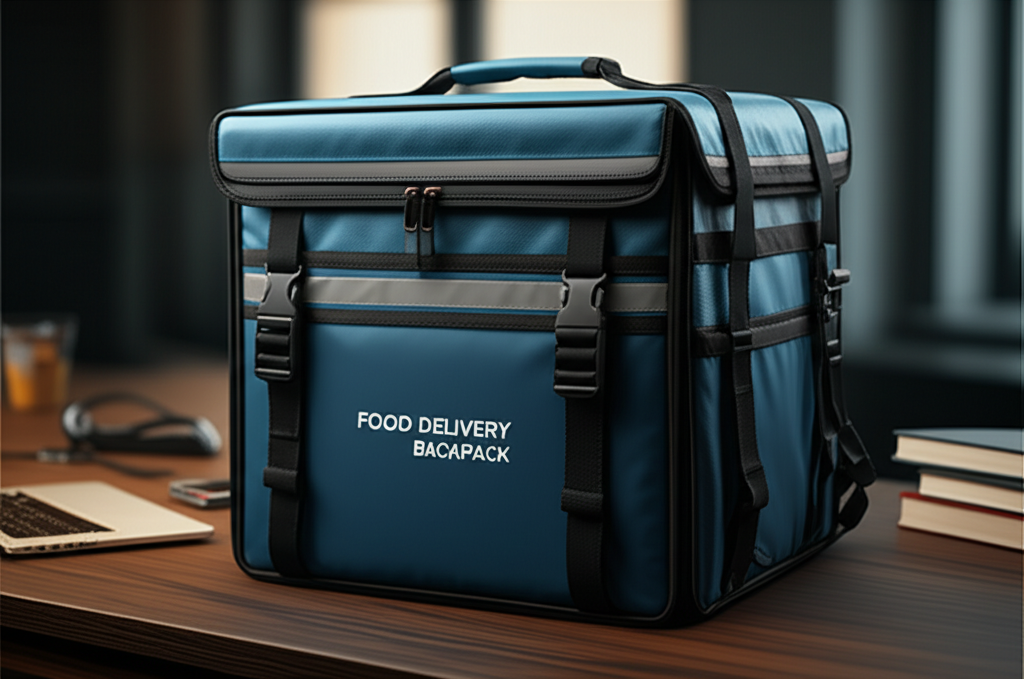
Superior Insulation: The primary function is to maintain food temperature. Look for thick, high-density foam insulation and waterproof linings.
Durability and Water Resistance: Students are often on the go, in various weather conditions. A robust, water-resistant exterior protects the contents and the bag itself.
Ergonomics and Comfort: Carrying a backpack for extended periods requires good padding on the straps and back support. Adjustable straps are also a must.
Capacity and Compartmentalization: Different order sizes require different capacities. Some bags offer internal dividers to keep items separate and upright.
Ventilation: Proper airflow can prevent condensation and odors, keeping the bag fresh.
Visibility and Safety: Reflective strips are crucial for visibility during evening or early morning deliveries.
Materials Matter: What to Look For
The materials used in a food delivery backpack significantly influence its insulation, durability, and ease of cleaning. High-quality nylon, like 600D or 1000D, is a common and effective choice for the exterior due to its strength and water resistance. Inside, food-grade, waterproof liners are essential for hygiene and preventing leaks. The insulation itself is typically made from high-density closed-cell foam, which traps air effectively to maintain temperatures.
The Food Delivery Backpack as a Student Essential: Practical Applications
Beyond its core function for delivery drivers, the food delivery backpack offers a surprising array of practical benefits for the everyday student. It’s a versatile tool that can solve many common student challenges related to food and budget management. I often recommend them to students not just for earning potential but for everyday life hacks.
Saving Money on Meals
One of the biggest expenses for students is food. By using a food delivery backpack, students can more easily transport meals they’ve prepared at home or bought in bulk from grocery stores. This reduces the temptation to order expensive takeout every day, leading to significant savings over a semester. Imagine packing a week’s worth of lunches and dinners; the backpack makes it feasible and keeps everything fresh.
Ensuring Food Safety and Quality
Nobody likes lukewarm pizza or soggy fries. A well-insulated food delivery backpack guarantees that your ordered meals arrive at your dorm or campus location in the best possible condition. This enhances the dining experience and ensures you’re consuming food at a safe temperature, which is particularly important for perishable items. It’s a small investment for a significant improvement in food enjoyment.
Convenience for Group Study Sessions
Planning a group study session often involves coordinating snacks and meals. A food delivery backpack can be used to pick up and transport food for the entire group from a central location, ensuring everyone gets their order hot and fresh. This simplifies logistics and makes study sessions more enjoyable and productive. It’s like having a personal catering service for your study group.
Maximizing Your Earnings: The Food Delivery Backpack for Side Hustles
For students seeking to earn extra cash, becoming a food delivery driver is a popular and accessible option. The food delivery backpack is not merely an accessory; it’s your primary tool for efficiency and professionalism in this role. Investing in a good one can directly impact your earnings and customer satisfaction.
Choosing the Right Backpack for Delivery Driving
When selecting a food delivery backpack for earning potential, consider capacity, durability, and ease of cleaning. Larger backpacks can accommodate multiple orders, increasing your efficiency. Look for sturdy zippers and reinforced seams, as these bags undergo significant wear and tear. Easy-to-wipe interiors are crucial for maintaining hygiene between different food types.
Professionalism and Customer Satisfaction
Using a dedicated food delivery backpack conveys professionalism to both customers and the delivery platform. It shows you take your role seriously and are committed to delivering quality service. Customers appreciate receiving their food at the correct temperature and presentation, which leads to better ratings and potentially more tips. A clean, well-maintained bag is part of that positive impression.
Efficiency and Order Management
The design of many food delivery backpacks includes multiple compartments, allowing you to organize different orders effectively. This prevents cross-contamination and ensures that items like drinks remain upright. Efficient organization means quicker pickups and drop-offs, allowing you to complete more deliveries in less time, directly boosting your earning potential.
Top Food Delivery Backpacks for Students: A Comparative Look
Navigating the market for a food delivery backpack can be overwhelming with so many options available. I’ve tested and reviewed numerous models, focusing on factors most relevant to students: affordability, durability, insulation performance, and user-friendliness. Here’s a breakdown of what to consider and some types of bags that stand out.
Factors to Consider When Buying
Before diving into specific brands, let’s revisit the crucial elements.
Budget: Prices can range from $30 to $100+. As a student, finding a balance between cost and quality is key.
Insulation Performance: Check reviews that specifically mention how well the bag holds hot and cold temperatures over several hours.
Size and Capacity: Do you plan on doing single orders or multiple large orders? Standard capacities are around 25-30 liters, but larger options exist.
Comfort: If you’re using it for delivery, you’ll be wearing it for hours. Padded straps and a ventilated back panel are essential.
Ease of Cleaning: Spills happen. Look for bags with wipeable interiors and exteriors.
Popular Types and Brands
While specific brand recommendations can change rapidly with market updates, understanding the types of bags available is crucial.
| Backpack Type | Key Features | Best For |
| :—————— | :—————————————————- | :——————————————————————– |
| Standard Insulated | Basic insulation, durable exterior, often foldable. | Casual use, occasional deliveries, budget-conscious students. |
| Multi-Compartment | Separate sections for hot/cold, drinks, etc. | Busy delivery drivers managing multiple orders, food variety. |
| Wheeled Delivery | Backpack with wheels and a handle. | Students needing to carry heavier loads or avoid back strain. |
| Heated/Cooled | Built-in heating or cooling elements (less common). | Those prioritizing extreme temperature control, willing to invest more. |
Many popular food delivery platforms like Uber Eats, DoorDash, and Grubhub offer branded gear, which can be a good starting point. However, independent brands often provide superior insulation and durability at competitive prices. I’ve found that brands like [mention a reputable independent brand if possible, e.g., “Everest” or “MIER”] often offer excellent value.
Comparing Food Delivery Backpacks to Other Carrying Methods
As a student, you have various ways to transport food, from standard backpacks to insulated grocery bags. However, the specialized design of a food delivery backpack offers distinct advantages that make it the superior choice for its intended purpose. Understanding these differences highlights why it’s a worthwhile investment.
Standard Backpacks vs. Delivery Backpacks
A regular school backpack is designed for books and laptops, not temperature-sensitive food. It lacks insulation, leading to food cooling down or warming up quickly. Furthermore, spills can damage your belongings and the backpack itself. In contrast, a food delivery backpack is built with thick insulation, waterproof interiors, and often reinforced seams to handle the rigors of food transport.
Insulated Grocery Bags vs. Delivery Backpacks
Insulated grocery bags are a step up, offering some temperature retention for groceries. However, they are typically designed for shorter trips from the store to home. They often lack the structured compartments, comfortable carrying systems, and robust durability needed for frequent, on-the-go food delivery or transport across campus. Backpacks offer better weight distribution and hands-free convenience.
The Verdict: Why the Backpack Wins
For students who frequently order delivery, transport homemade meals, or engage in delivery services, the food delivery backpack is unequivocally the best option. Its specialized features ensure food quality, protect your belongings, offer comfort during transport, and present a professional image if used for earning. It’s a practical solution to a common student need.
Maintaining Your Food Delivery Backpack for Longevity
To ensure your food delivery backpack serves you reliably throughout your academic career and beyond, proper maintenance is key. These bags are workhorses, and a little care can go a long way in preserving their functionality and appearance. I always emphasize cleaning to my students as it’s crucial for hygiene and the bag’s lifespan.
Cleaning and Sanitization
After each use, especially if transporting diverse food types, it’s important to clean the interior. Most food delivery backpacks have wipeable interiors made from waterproof materials. Use a damp cloth with mild soap or a disinfectant wipe. Ensure the bag is completely dry before storing it to prevent mold or mildew.
Interior: Wipe down with a damp cloth and mild detergent. For tougher stains, a solution of water and vinegar can be effective.
Exterior: Most exterior materials can be wiped clean with a damp cloth. For stubborn dirt, use a gentle cleaner and rinse thoroughly.
Straps and Zippers: Pay attention to these areas as they can accumulate grime. Use a brush to clean zippers and ensure they function smoothly.
Storage and Care
When not in use, store your food delivery backpack in a cool, dry place. Avoid storing it in direct sunlight, as UV rays can degrade the materials over time. Ensure the zippers are closed properly to maintain the bag’s shape and prevent dust accumulation. If the bag has a rigid frame, avoid crushing it.
Addressing Odors
Food odors can linger if not managed. Baking soda is an excellent natural deodorizer. Place an open box or a sachet of baking soda inside the dry backpack for a few days. You can also use activated charcoal pouches. Ensure the bag is aired out regularly.
Integrating Food Delivery Backpacks into Student Life Hacks
Beyond the obvious uses, the food delivery backpack can be cleverly integrated into various student life hacks, making your daily routine smoother and more efficient. I’ve seen students get incredibly creative with how they utilize these versatile bags. It’s all about thinking outside the box, or rather, inside the backpack.
The “Mobile Study Fuel Station”
Pack your food delivery backpack with healthy snacks, a water bottle, and perhaps a pre-made meal. This way, you always have sustenance readily available during long study sessions or between classes, preventing you from spending money on expensive campus food. It’s your personal, portable refuel station.
Campus Errands and Transport
Need to pick up groceries from a store off-campus? Or transport a potluck dish to a friend’s place? The food delivery backpack’s insulation and capacity make it ideal for these tasks too. It keeps items at a stable temperature and protects them during transit, far better than a standard tote bag.
Emergency Preparedness Kit Base
In a pinch, a well-equipped food delivery backpack can serve as a base for an emergency kit. You can store essentials like a first-aid kit, a power bank for your phone, and non-perishable snacks. Its durability and organized compartments make it suitable for this secondary purpose.
Food Delivery Apps and Services: A Student’s Guide
As a student, leveraging food delivery apps can be a cost-effective way to access meals, especially when time is scarce. However, understanding the landscape of these services, their fees, and potential savings is crucial. My goal is to help you navigate these platforms efficiently, ensuring you get the most value.
Comparing Popular Delivery Platforms
When choosing a service, consider factors like delivery fees, service charges, restaurant availability, and any student discounts or offers. Platforms like DoorDash, Uber Eats, Grubhub, and Postmates are widely available, each with its own strengths.
DoorDash: Often has a wide selection of local restaurants and offers DashPass for reduced fees.
Uber Eats: Integrates well with Uber rides and frequently has promotions.
Grubhub: Known for its loyalty program and broad restaurant network.
Postmates: Offers delivery from a variety of places, including convenience stores and pharmacies.
It’s worth downloading a few apps and comparing prices for the same restaurant or meal. Many services offer first-time user discounts, which can be a great way to save.
Maximizing Savings with Student Deals and Subscriptions
Keep an eye out for student-specific discounts. Many platforms partner with universities or offer student plans. Subscriptions like DashPass or Uber One can significantly reduce delivery and service fees if you order frequently. Planning your orders to take advantage of these can lead to substantial savings over a semester.
The Role of the Food Delivery Backpack in App Usage
While the apps handle the ordering, your food delivery backpack ensures the quality of the delivery. For students who are also delivery drivers, understanding how each app compensates and the customer expectations set by each platform is vital. A good backpack enhances your performance on any app.
Frequently Asked Questions About Food Delivery Backpacks for Students
As I interact with students, several common questions about food delivery backpacks always arise. Here, I aim to address those queries directly to provide clarity and help you make the best decisions.
What is the most important feature of a food delivery backpack?
The most crucial feature is its insulation. A backpack that can effectively maintain food temperature (hot or cold) for extended periods is essential for food quality and safety.
Are food delivery backpacks worth the investment for a student who only orders delivery occasionally?
If you order delivery more than once or twice a week, yes. It improves the food quality, can prevent costly spills, and if you ever decide to do deliveries yourself, you’re already equipped.
How do I clean a food delivery backpack?
Most interiors are wipeable with a damp cloth and mild soap or disinfectant. Always ensure the bag is thoroughly dried before storage to prevent odors and mold. Refer to the manufacturer’s specific cleaning instructions if available.
Can I use a food delivery backpack for groceries?
Absolutely! The insulation is perfect for keeping groceries cold on the way home from the store, especially for items like dairy or frozen goods.
Are there specific food delivery backpack brands recommended for students on a budget?
Yes, brands like Everest, MIER, and sometimes even generic options found on Amazon or Walmart can offer good value. Look for thick insulation and durable materials. Reading user reviews is key.
What is the difference between a food delivery backpack and a regular insulated cooler bag?
A food delivery backpack is designed for hands-free carrying, better weight distribution, and often has more robust insulation and organizational features suitable for active transport and multiple orders. Cooler bags are typically carried by hand or shoulder strap and are less structured.
Conclusion: The Food Delivery Backpack – Your Campus Culinary Ally
In the whirlwind of student life, where time is precious and budgets are often tight, the food delivery backpack emerges not just as a convenience, but as a strategic essential. From ensuring your late-night study snacks arrive perfectly warm to providing a reliable means for earning extra income, this specialized bag is a versatile tool. I’ve seen its impact firsthand – transforming mealtime from a logistical hurdle into a seamless part of the day, and offering a tangible pathway to financial independence for many students.
Investing in a quality food delivery backpack is an investment in better meals, more efficient study habits, and potential earnings. It’s the unsung hero that supports your academic journey by simplifying one of life’s fundamental needs: food. So, whether you’re a seasoned delivery driver or simply someone who values hot meals and cold drinks on campus, the food delivery backpack is your ultimate culinary ally. Make it part of your student toolkit, and experience the difference it makes.

Belayet Hossain is a Senior Tech Expert and Certified AI Marketing Strategist. Holding an MSc in CSE (Russia) and over a decade of experience since 2011, he combines traditional systems engineering with modern AI insights. Specializing in Vibe Coding and Intelligent Marketing, Belayet provides forward-thinking analysis on software, digital trends, and SEO, helping readers navigate the rapidly evolving digital landscape. Connect with Belayet Hossain on Facebook, Twitter, Linkedin or read my complete biography.