
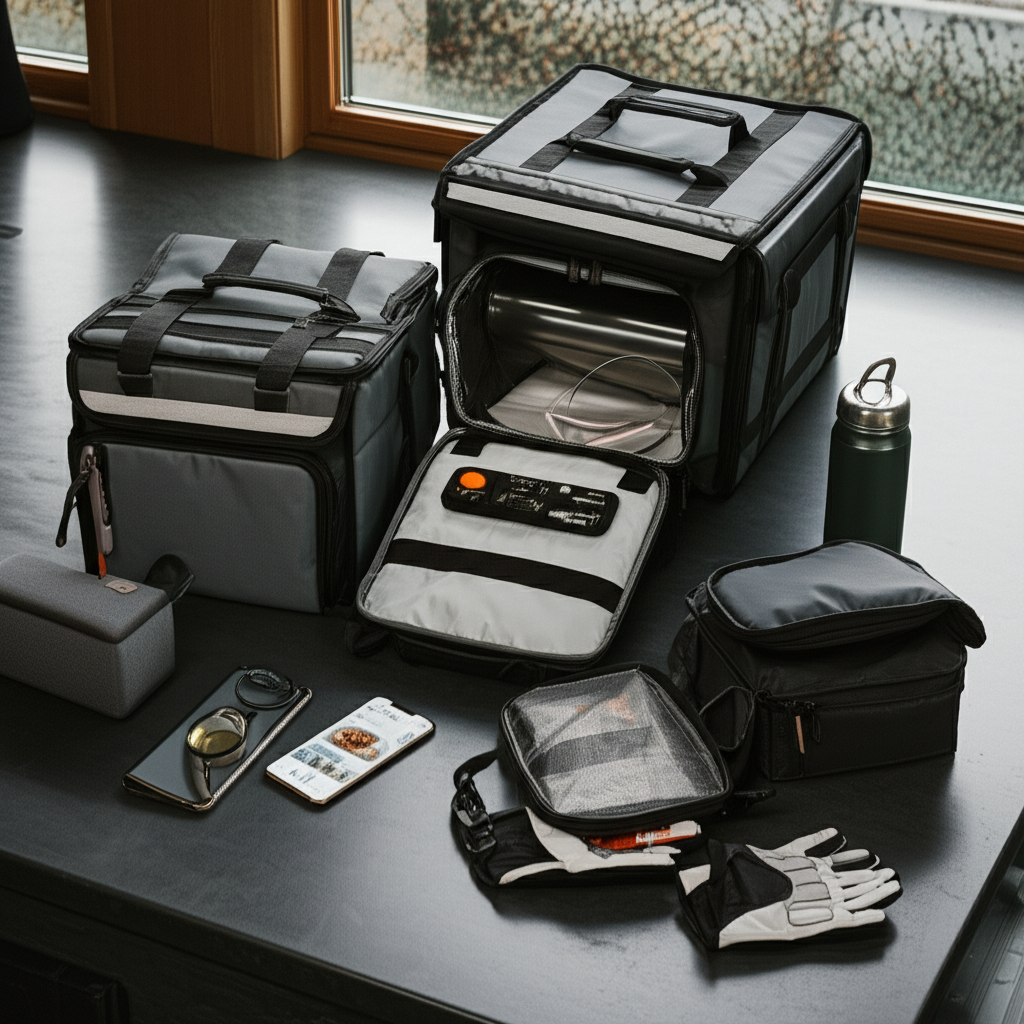
Published on: 19/09/2025 | Updated on: September 19, 2025
Discover the ultimate food delivery bags for bikes, essential for couriers and food lovers to ensure hot, fresh meals arrive perfectly every time.
Getting your favorite meals delivered quickly and in pristine condition is a modern marvel. Yet, the journey from restaurant to your doorstep can be a bumpy one, especially when your meal travels by bike. The right food delivery bag for bikes isn’t just an accessory; it’s a critical piece of equipment that can make or break the delivery experience. I’ve spent countless hours testing apps, ordering from various services, and observing the real-world challenges faced by delivery riders. This guide is born from that experience, designed to help you navigate the world of food delivery bags for bikes and ensure your next meal arrives as if it just left the kitchen. We’ll cover everything from insulation and durability to comfort and capacity, so you can make an informed choice.
Why the Right Food Delivery Bag for Bikes Matters
Choosing the correct food delivery bag for your bike is paramount for maintaining food quality and ensuring customer satisfaction. A well-designed bag insulates food, preventing it from getting cold or soggy, and protects it from jostling during transit. It’s the silent hero of the food delivery chain, directly impacting the end-user’s experience and the rider’s efficiency. Investing in a quality bag means fewer complaints, happier customers, and ultimately, a more successful delivery operation.
Key Features to Look For in a Bike Food Delivery Bag
When you’re out on your bike, delivering meals, a few key features can make a world of difference. These aren’t just nice-to-haves; they are essential for efficiency and ensuring the food arrives in perfect condition. Let’s break down what truly matters in a food delivery bag for bike.
Insulation: Keeping Food at the Perfect Temperature
The primary job of any food delivery bag is temperature control. Whether it’s keeping hot meals steaming or cold drinks chilled, effective insulation is non-negotiable. Look for bags with thick, high-quality insulation materials like expanded polyethylene (EPE) foam or advanced thermal lining. This ensures that the food stays at its intended temperature for longer periods, regardless of external weather conditions.
Durability and Water Resistance: Weathering the Elements
Delivery riders face all sorts of weather, from scorching sun to pouring rain. A robust, water-resistant bag is crucial for protecting the food inside and the bag itself from damage. Materials like heavy-duty nylon or polyester with a waterproof coating are excellent choices. Reinforced stitching and sturdy zippers also contribute to the bag’s longevity, ensuring it can withstand daily use and abuse.
Capacity and Compartmentalization: Handling Different Orders
Your bag needs to accommodate various order sizes and types. Look for spacious interiors that can hold multiple containers without crushing them. Some bags offer customizable dividers or separate compartments, which are incredibly useful for organizing different dishes, drinks, and preventing cross-contamination. This feature is particularly helpful for larger orders or when delivering a mix of hot and cold items.
Ergonomics and Comfort: Rider’s Best Friend
For bike couriers, comfort is key to endurance. The bag should be designed for easy attachment to a bike rack or as a comfortable backpack. Adjustable straps, padded back panels, and a balanced weight distribution are essential for reducing strain during long shifts. A well-designed bag makes the rider’s job easier and more sustainable.
Ease of Cleaning: Maintaining Hygiene
Food delivery bags can get messy. Easy-to-clean surfaces, such as wipeable linings and exteriors, are vital for maintaining hygiene standards. Removable inner liners are a bonus, making deep cleaning much simpler and ensuring that the bag remains fresh for every delivery.
Types of Food Delivery Bags for Bikes
The market offers a variety of food delivery bags for bikes, each with its unique advantages. Understanding these types will help you select the one that best suits your delivery style and needs.
Backpack Style Delivery Bags
These are arguably the most popular choice for bike couriers. They distribute weight evenly across the back, offering excellent mobility and balance. Many backpack-style bags come with ample insulation, multiple compartments, and adjustable, padded straps for maximum comfort. They are ideal for navigating busy city streets and for riders who need their hands free.
Rack-Mounted/Top Box Bags
These bags are designed to be securely attached to a bike’s rear rack. They often offer a larger capacity and a more rigid structure, which can be beneficial for protecting delicate food items. While they don’t require the rider to wear them, ensuring they are securely fastened is crucial to prevent shifting or falling off.
Saddlebag Style Delivery Bags
Less common for dedicated food delivery but an option nonetheless, saddlebags attach to the sides of the rear wheel. They can offer significant storage capacity but might affect the bike’s balance and maneuverability, especially when loaded unevenly. They are typically used in conjunction with other carrying solutions.
Convertible/Multi-functional Bags
Some innovative bags offer the flexibility to be used as a backpack, a shoulder bag, or even attached to a rack. This versatility can be a significant advantage, allowing riders to adapt to different delivery situations or personal preferences.
Top Features for Enhanced Functionality
Beyond the basic requirements, several advanced features can elevate the performance and user experience of your food delivery bag for bike. These add convenience and ensure optimal food delivery.
Ventilation Systems: Preventing Condensation
Some high-end bags incorporate ventilation systems to manage moisture buildup. This is particularly important for keeping crispy items like fries or pastries from becoming soggy due to trapped steam. Proper ventilation helps maintain the desired texture of the food.
Reflective Strips and Safety Features: Visibility at Night
For riders working during low-light conditions or at night, visibility is a critical safety concern. Bags with integrated reflective strips or the option to attach lights significantly enhance the rider’s visibility to motorists, reducing the risk of accidents.
Integrated Device Holders or Pockets
Convenience is key. Some bags include dedicated pockets or holders for smartphones, payment devices, or water bottles. This allows riders to easily access navigation tools or stay hydrated without fumbling through multiple compartments.
Reinforced Bases and Structure
A sturdy, reinforced base prevents the bag from sagging, even when empty, and provides a stable platform for food containers. This structural integrity is vital for preventing spills and damage to the food during transit.
Easy-Access Openings
The way a bag opens can significantly impact delivery speed. Top-loading, clamshell, or wide-opening designs allow for quick and efficient loading and unloading of food, saving precious time during busy shifts.
Choosing the Best Food Delivery Bag for Bike: A Step-by-Step Approach
Selecting the perfect food delivery bag for your bike doesn’t have to be overwhelming. By following a structured approach, you can identify the ideal option that meets your specific needs.
1. Assess Your Delivery Needs: Consider the types of food you typically deliver (hot, cold, fragile), the volume of orders, and the common weather conditions in your area. This will help you prioritize features like insulation, capacity, and water resistance.
2. Determine Your Budget: Food delivery bags vary widely in price. Set a budget that reflects the quality and features you require. Remember, a higher initial investment in a durable, well-insulated bag can save you money in the long run through reduced food spoilage and replacements.
3. Prioritize Comfort and Ergonomics: If you’re a regular bike courier, the bag’s fit and comfort are crucial. Try on backpack-style bags if possible, or read reviews focusing on strap padding and weight distribution.
4. Read Reviews and Compare Models: Look for reviews from other delivery riders who use similar bikes and delivery services. Pay attention to feedback on durability, insulation performance, and ease of use. Websites specializing in delivery gear often provide detailed comparisons.
5. Check for Secure Attachment Mechanisms: For rack-mounted bags, ensure the mounting system is robust and compatible with your bike rack. For backpacks, check the quality of the straps and buckles.
Example Comparison: Popular Bike Delivery Bag Models
To illustrate the differences, let’s look at a hypothetical comparison of two popular types of food delivery bags for bikes.
| Feature | Model A: Urban Courier Backpack | Model B: Pro Series Rack Bag |
| :—————– | :——————————- | :————————— |
| Type | Backpack | Rack-mounted |
| Capacity | 30 Liters | 45 Liters |
| Insulation | High-density EPE foam | Advanced thermal lining |
| Water Resistance | Water-repellent coating | Fully waterproof fabric |
| Comfort | Padded straps, breathable back | N/A (mounted) |
| Organization | Internal dividers, side pockets | Large open compartment |
| Durability | Heavy-duty nylon | Reinforced PVC |
| Price Range | $$ – $$$ | $$$ |
| Best For | City navigation, varied orders | Large orders, long trips |
This table highlights how different bag types cater to distinct needs. The Urban Courier Backpack prioritizes rider comfort and maneuverability, while the Pro Series Rack Bag focuses on maximum capacity and robust protection for larger deliveries.
Maintaining Your Food Delivery Bag for Optimal Performance
Proper care and maintenance are essential to ensure your food delivery bag for bike continues to perform at its best. Regular cleaning and checks will extend its lifespan and maintain hygiene.
Regular Cleaning: Wipe down the interior and exterior after each use, especially if there are spills. For deeper cleaning, follow the manufacturer’s instructions; some liners are removable and machine washable.
Drying: Always ensure the bag is completely dry before storing it to prevent mold and mildew growth. Air dry it thoroughly, preferably in a well-ventilated area.
Inspect for Damage: Periodically check seams, zippers, and straps for any signs of wear or tear. Promptly repair any minor damage to prevent it from becoming a larger issue.
Storage: Store the bag in a clean, dry place away from direct sunlight when not in use. Leaving it packed or compressed for extended periods can damage the insulation.
Innovations in Food Delivery Bag Technology
The world of food delivery is constantly evolving, and so are the bags used to transport meals. Manufacturers are incorporating new technologies to improve performance and rider experience.
Smart Features and Connectivity
Some newer bags are starting to incorporate smart features, such as temperature sensors that can alert riders or customers if the food is no longer within an optimal range. While still niche, this technology promises enhanced quality control.
Advanced Insulation Materials
Beyond traditional foam, manufacturers are experimenting with vacuum-insulated panels and aerogels for superior thermal performance in thinner, lighter materials. This allows for more internal space and less bulk.
Modular Designs
Modular bags allow riders to customize their setup, adding or removing compartments as needed. This adaptability caters to a wider range of delivery tasks, from a single coffee to a multi-course meal.
Sustainable Materials
There’s a growing trend towards using recycled and sustainable materials in the construction of delivery bags. This appeals to environmentally conscious riders and consumers, aligning with the broader goals of many food delivery services.
The Impact of Food Delivery Bags on Customer Experience
A high-quality food delivery bag for bike directly translates to a better customer experience. When food arrives hot, fresh, and neatly presented, it leads to higher customer satisfaction, positive reviews, and increased order frequency. Conversely, a poorly insulated or damaged bag can result in disappointed customers, negative feedback, and lost business for both the rider and the restaurant.
The rider’s professionalism is also reflected in the condition of the food. A well-maintained bag suggests a professional and caring delivery person, enhancing the overall perception of the food delivery service. Therefore, investing in the right equipment is an investment in customer loyalty and brand reputation.
Frequently Asked Questions About Food Delivery Bags for Bikes
Here are some common questions beginners might have when looking for the best food delivery bags for their bikes.
What is the best type of food delivery bag for a bike?
The best type generally depends on your personal preference and delivery style. Backpack-style bags offer great mobility and comfort for city riding, while rack-mounted bags are excellent for larger capacities and stability.
How important is insulation in a food delivery bag?
Insulation is crucial. It’s the bag’s primary function to maintain the correct temperature of the food, ensuring it arrives hot or cold as intended.
How do I clean my food delivery bag?
Most bags can be wiped clean with a damp cloth and mild soap. Some have removable liners that can be washed separately. Always ensure the bag is completely dry before use or storage.
Can I use a regular backpack for food delivery?
While possible for occasional deliveries, a regular backpack lacks the necessary insulation and structure to keep food at the correct temperature and prevent damage. Dedicated food delivery bags are designed specifically for this purpose.
What size food delivery bag do I need?
The size depends on the typical volume of orders you handle. For single orders, a smaller bag might suffice. For multiple orders or larger meals, a 30-50 liter capacity bag is often recommended.
Are there specific bags for hot and cold food?
While many bags are designed to maintain both hot and cold temperatures, some specialized bags might offer enhanced features for one over the other. However, a good all-around insulated bag usually handles both effectively.
Conclusion: Your Food Delivery Bag for Bike is Key to Success
Choosing the right food delivery bag for your bike is more than just a practical decision; it’s a cornerstone of providing excellent service and ensuring customer satisfaction. From keeping those pizzas piping hot to ensuring your salads remain crisp, the bag is your most important tool. By considering insulation, durability, comfort, and capacity, you can find a bag that not only protects the food but also makes your job as a delivery rider easier and more efficient.
Remember, a quality food delivery bag for bike is an investment that pays dividends in happy customers and a more streamlined delivery experience. Explore the options, prioritize features that align with your delivery needs, and equip yourself with the best. Your next delicious meal delivery depends on it!

Belayet Hossain is a Senior Tech Expert and Certified AI Marketing Strategist. Holding an MSc in CSE (Russia) and over a decade of experience since 2011, he combines traditional systems engineering with modern AI insights. Specializing in Vibe Coding and Intelligent Marketing, Belayet provides forward-thinking analysis on software, digital trends, and SEO, helping readers navigate the rapidly evolving digital landscape. Connect with Belayet Hossain on Facebook, Twitter, Linkedin or read my complete biography.